

To be clear: birds do not bring luck or make your day better. Anyone who tells you a robin is lucky or a swallow brings fortune is just having fun with folklore … or you … or is being plain silly. Still, it’s kind of fascinating to see which birds people around the world have tied to good luck—and why. Here’s a look at 10 birds considered lucky, purely for cultural curiosity.
Crane – In Japan and China, cranes symbolize longevity and good fortune. Spotting one is positive, especially after finishing a long novel or surviving a tedious meeting.
Robin – In parts of Europe, robins herald spring and new beginnings. Seeing one is lucky—mostly for reassurance that not all birds are pigeons.
Swallow – In China, swallows are linked to happiness and prosperity. A nest on your roof is considered lucky, or at least makes a decent story.
Peacock – In India, peacocks symbolize beauty and protection. Spotting one is fortunate, like finding the only free seat in a crowded café.
Dove – Universally a symbol of peace, doves are also thought to bring blessings. Or droppings.
Goldfinch – In European folklore, goldfinches represent wealth and good fortune. Seeing one might signal success—or at least getting a discount on your next coffee.
Sparrow – Small but notable, sparrows are lucky in Celtic tradition. They represent simple joys, like remembering why you walked into a room.
Hummingbird – In Central and South America, hummingbirds are messengers of joy. Their brief visits might be the universe acknowledging that you made it to the bus on time.
Stork – European folklore credits storks with bringing new life and good luck. Spotting one is favorable—like finally getting that email reply.
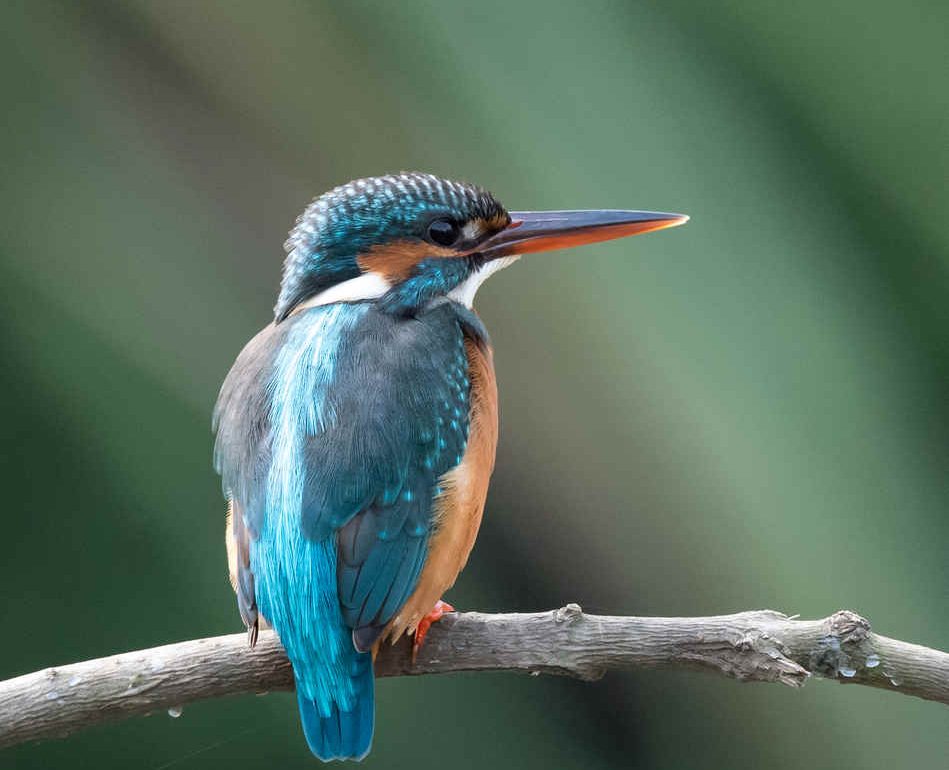
Kingfisher – Known for bright colors and fishing skill, the kingfisher is a sign of prosperity. Seeing one is fortunate in the same way as finding a clean mug in the office kitchen is.












simple joys can be funny
Cranes symbolize longevity and good fortune, but are under threat globally.