

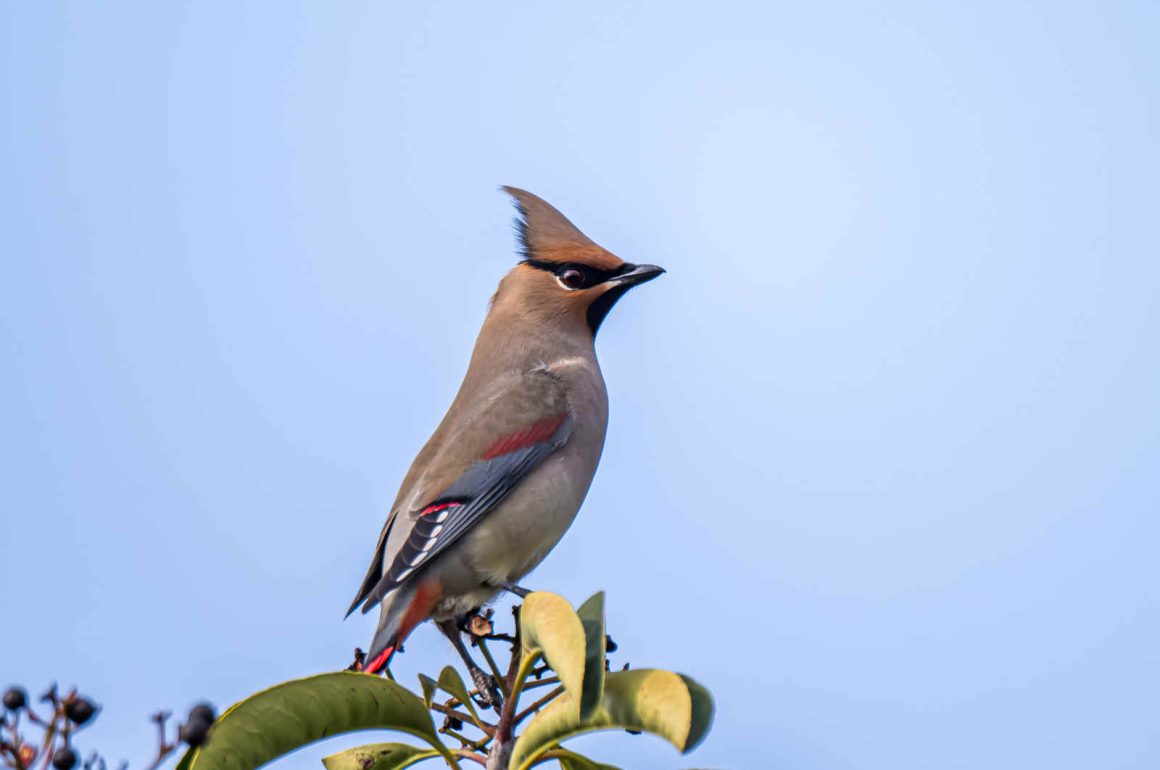
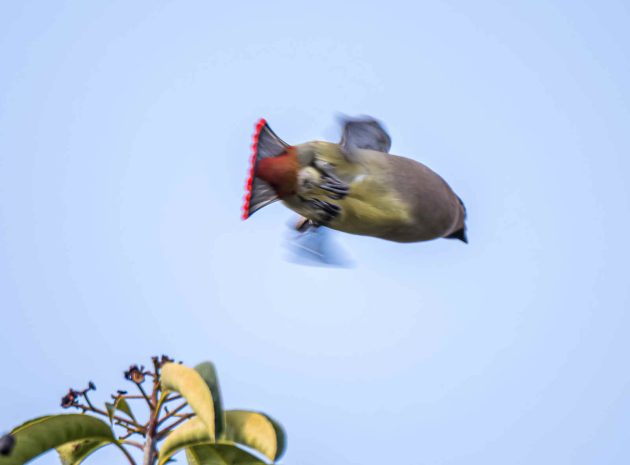
The Japanese Waxwing is one of the three species in the waxwing family, along with the Cedar Waxwing (Americas) and the Bohemian Waxwing (Eurasia).
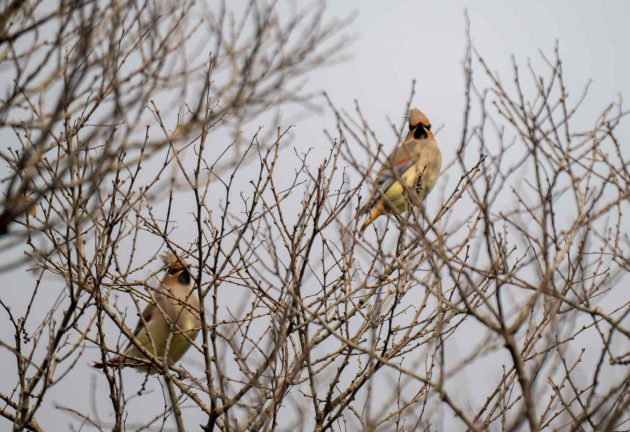
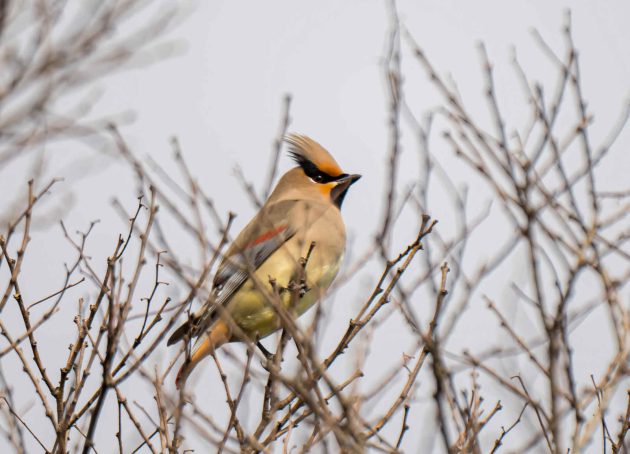
The scientific species name is self-explanatory, but the genus name of the Bombycilla japonica is vaguely interesting – it means something like “silk tail” (bombukos silk; cilla tail) and is apparently derived from the German name of the Bohemian Waxwing, “Seidenschwanz” (silk tail). So, while the Germans see silk, the British see wax. No wonder the British were more successful in building a commercial empire.
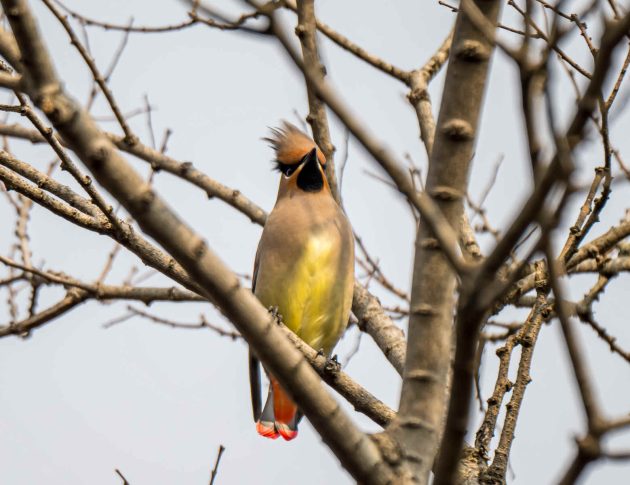
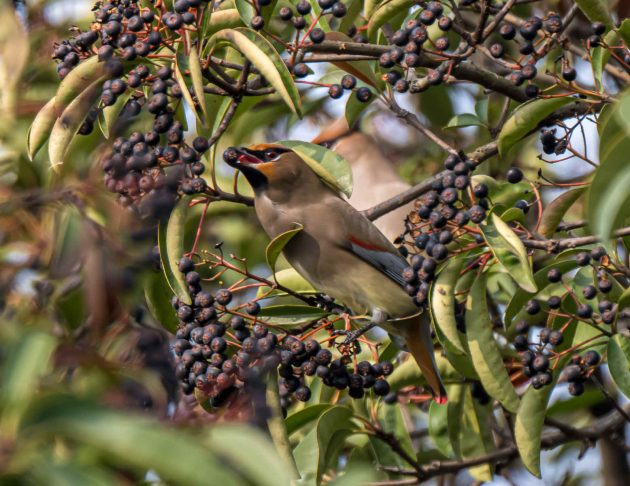
The Japanese Waxwing is much more range-restricted than the other two waxwings- it can only be found in East Asia. Maybe that is also one of the reasons why it is listed as Near Threatened (“global population thought to be small”, HBW), while the other two are listed as Least Concern.
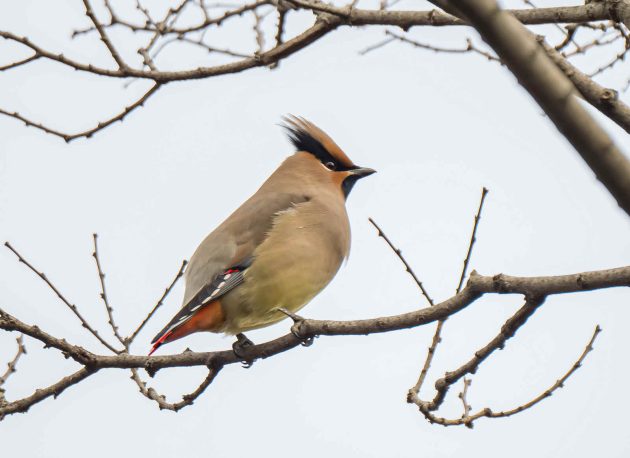
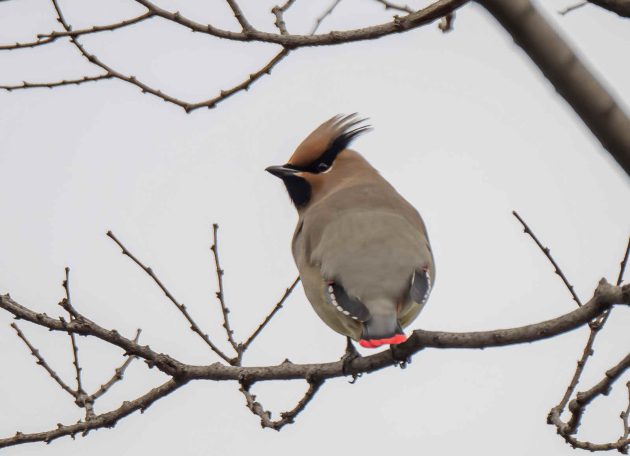
In Shanghai, we get Japanese Waxwings about every other year in winter – this winter, they have already been seen in several urban parks, which seems to be their preferred habitat (the HBW uses the slightly oblique sentence “Use of human-altered habitats in non-breeding season, at least, suggests that this species may not be greatly affected by human activities” to describe their preference).
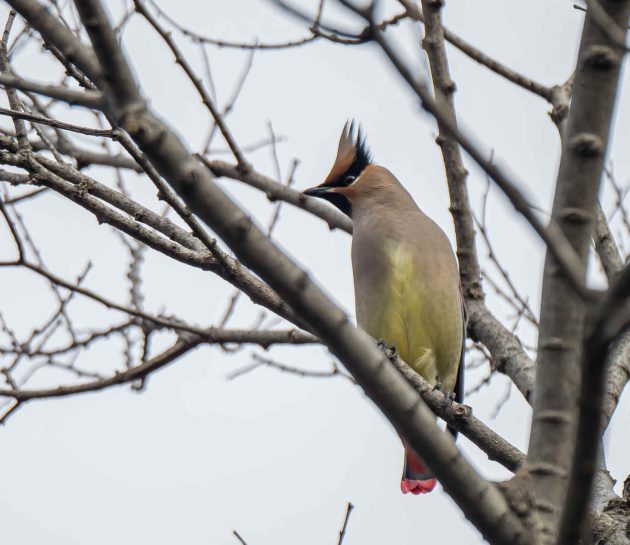
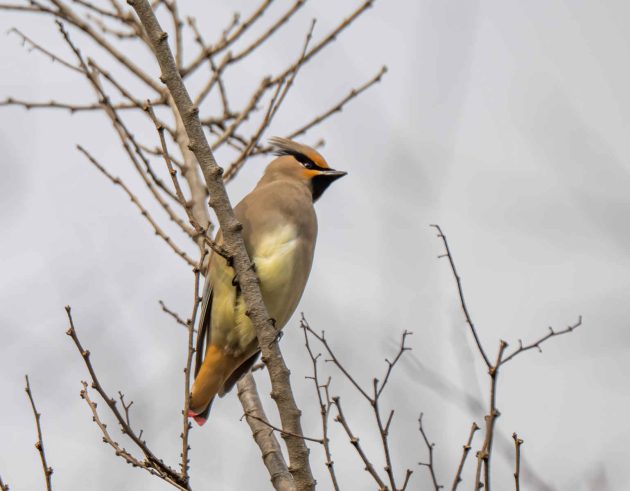
The HBW also, for once, gets bonus points for good taste, as all four of the photos used in the species profile were taken by none other than one Kai Pflug (if you can suggest a way to sound more modest about this, please let me know, though I will probably ignore your suggestion anyway).
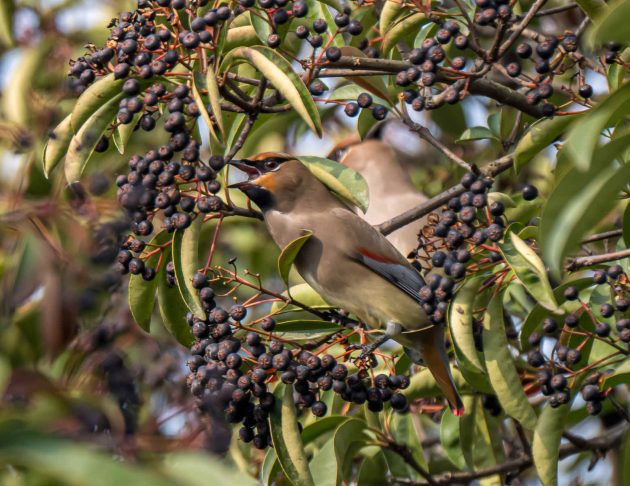
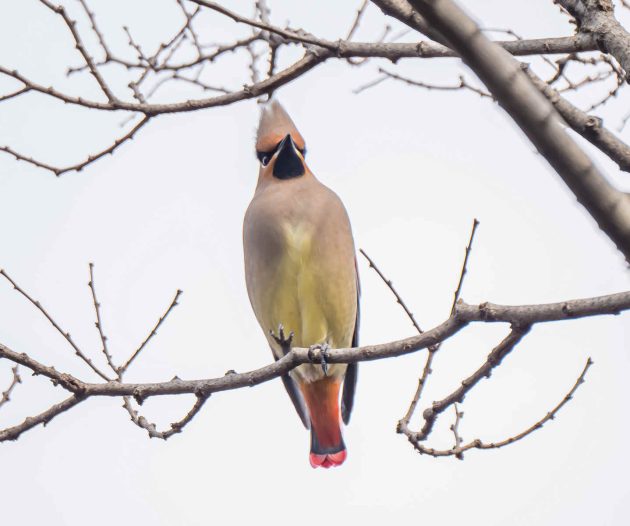
The Japanese are not particularly well-liked in China, given their history of invading China. It is thus not surprising that the Chinese do not give this species a name in any way related to Japan, but instead call it Xiao Ping Niao, or “Little Peace Bird” (the “Big Peace Bird” is the Bohemian Waxwing, which is indeed the bigger bird and can also be found in China). Politics everywhere.
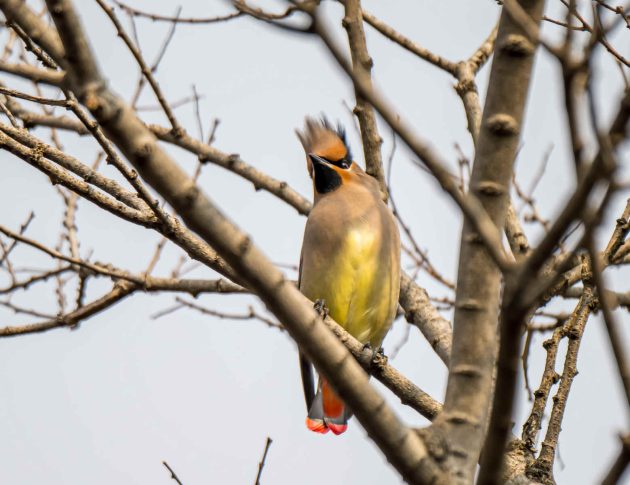
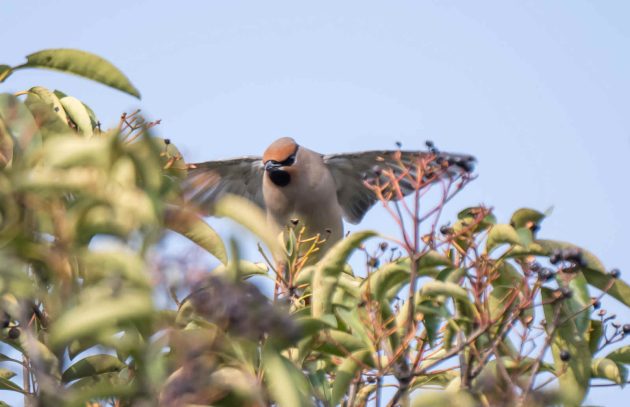
Apart from the size difference (which is not that big after all), how does a female Bohemian Waxwing know not to associate too closely with a Japanese Waxwing? One possibility is the distinction by smell. A paper describes species recognition by Uropygial gland volatiles. Apparently, female Bohemian Waxwings strongly prefer their mirror images scented with the body odor of their own species over that of Japanese Waxwings.
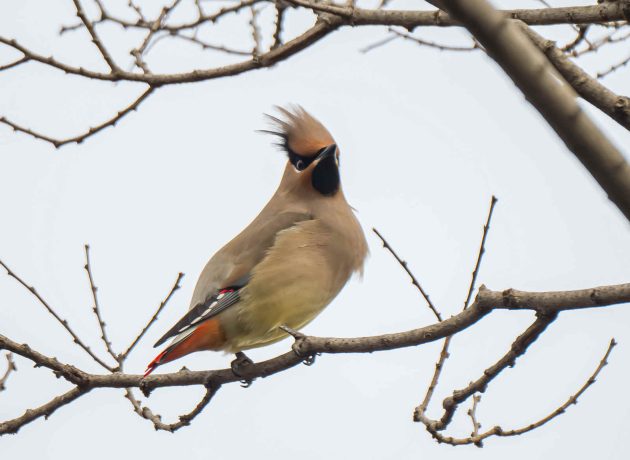
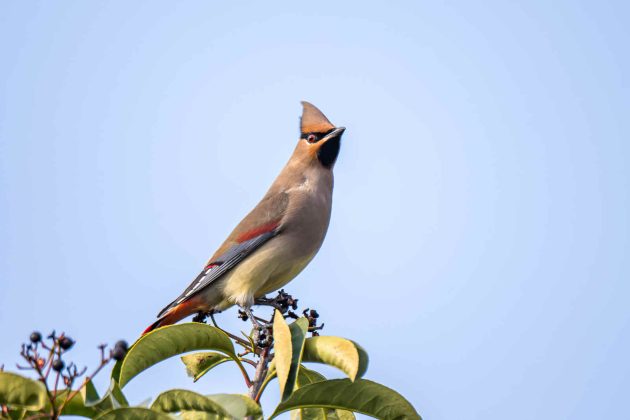
Sounds a bit racist to me, but at least nobody will then accuse these waxwings of being woke.
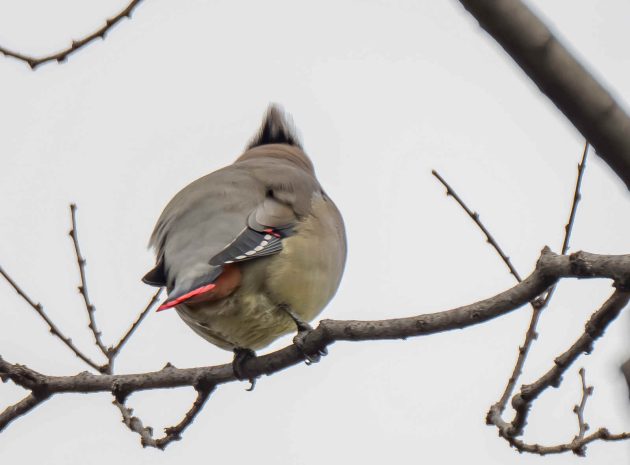










I’ve seen Bohemian Waxwings in Toronto. My latest sighting was last fall.
“Xiao Ping Niao”, should be Xiao (small) Taiping (peace) Niao (bird). This bird appeared in a painting dated back to Song Dynasty, so it has its own Chinese name first before the western name.