
Your Birding History and Future
How long have you been a birder, and how did you get into birding?
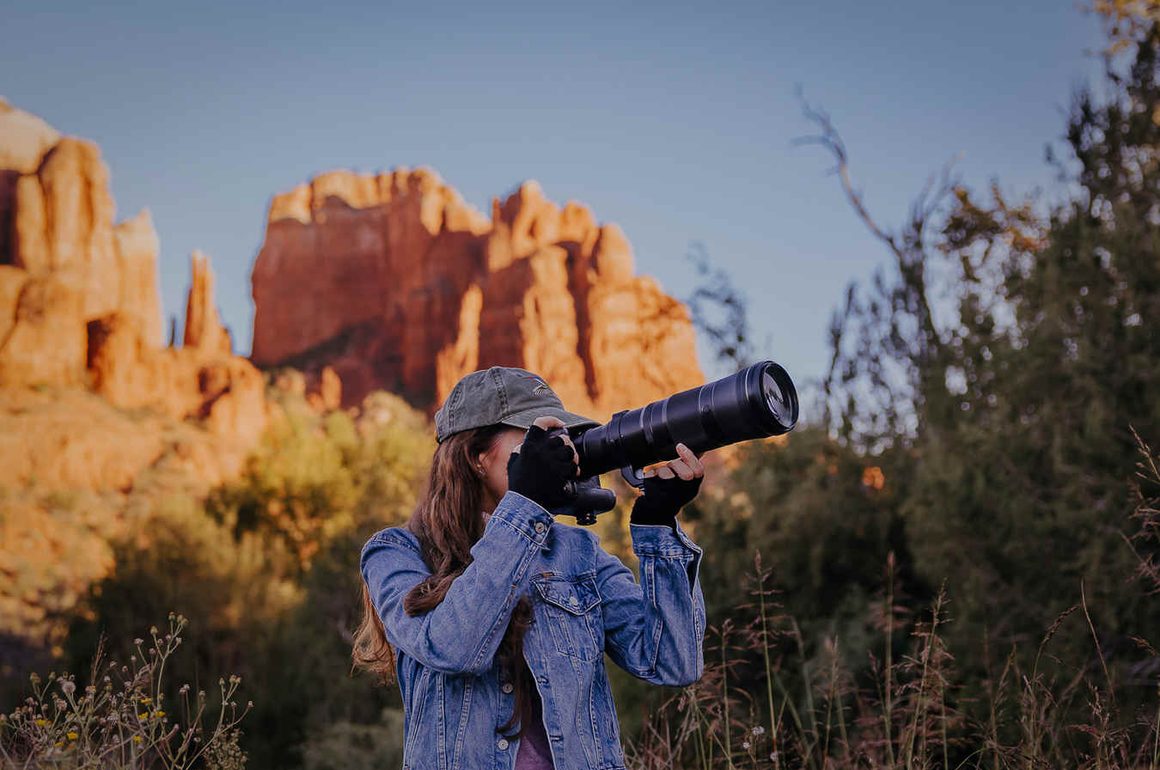
I’ve been around birds for as long as I can remember. My parents introduced me to both fishing and the outdoors, but birds won me over. I’ve also had bird feeders at every home since I was tall enough to refill them, so watching birds has been a constant in my life.
At some point, birding moved beyond a hobby and grew into a passion. Photography deepened that connection. The camera gave me a reason to slow down, pay attention to behavior, study light, and appreciate all the little details that can easily be missed when you’re simply walking through a landscape.
Has your attitude toward birding changed with time – for example, did it get intense, do you focus on different things now, etc.?
Definitely. I think my relationship with birding has grown over time.
Early on, there was naturally more of the “What bird is that?” excitement. As my photography developed, I became increasingly interested in behavior, habitat, light, and the story behind the bird. I still love finding a new species, but I don’t feel that every outing has to be about adding another bird to a list.
These days, I’m just as happy spending time with a familiar species and observing something I haven’t noticed before. Sometimes the most rewarding birding experience is watching a bird do something unexpected.
And photography has taught me patience. The perfect photograph, or sometimes simply the right moment, usually happens when you’re willing to wait and least expect it.
What have been the ornithological highlights in your life so far?
There have been quite a few, but one of the biggest and most recent highlights has been writing Amazing Hummingbirds You Can Find in Arizona. To me, hummingbirds are extraordinary subjects because they combine incredible beauty with fascinating behavior. Photographing them has given me a much deeper appreciation for the species that visit the southwestern United States.
Having the book help turn the spotlight on the International Hummingbird Society, while also receiving a Kirkus Starred Review and winning a 2025 Best Book Award, was especially meaningful. The honors were wonderful, but what I value most is the opportunity to help bring greater attention to hummingbirds and the work being done to understand and protect them.
Traveling for birds has also been a major highlight. I’ve enjoyed seeing how different habitats shape the birds and their behavior.
And then there are the unexpected moments—like finding myself much closer to a bobcat than I intended or encountering a bear when I would have preferred a considerably greater distance. Those encounters certainly become part of the birding stories you remember!
What are your plans for the next few years, as related to birding? For example, trips planned?
I’ll continue exploring the southwestern United States and the broader Americas, particularly places with exceptional bird and hummingbird diversity. There are still so many species and habitats I want to photograph.
I’m also interested in continuing to combine photography, writing, and conservation into another book. I enjoy telling the story of a bird – not just showing a beautiful photograph, but helping people understand its behavior, habitat, and why protecting those places matters.
If you had to make a living off birding, what kind of activity would you try?
I suppose I’ve managed to turn parts of birding into a second career through the book, speaking, and exhibits.
If I had to choose one thing, though, I’d probably combine photography and writing. A long-term goal is to spend more time documenting birds in different parts of the world and turning those experiences into stories, books, articles, and educational material.
I’m also thankful for the people side of birding. Joining small groups or leading specialized photography field trips is appealing because you get to share the experience rather than simply photograph it yourself.
Your Life as a Non-Birder
What do you do for work?
My professional life is probably a little unusual for a birder. I’m an aerospace engineer, business strategist, author, photographer, and licensed pilot.
I’ve spent over 27 years working across aerospace, defense and space, technology, finance, engineering, behavioral health, and nature and wildlife. Much of my work has involved strategic planning, technology development, partnerships, capital funding, acquisitions, and helping organizations navigate complicated business challenges.
At the same time, photography and writing have become important parts of my professional life. I’ve written five books, and my photography has appeared in publications, museums, books, magazines, and in the media.
Is there any link between your work and birds/birding?
There’s probably more of a connection than might initially appear.
Engineering and strategic planning have taught me to observe carefully, analyze systems, solve problems, and think several steps ahead. Those skills are surprisingly useful in wildlife and nature photography.
Photography also requires a combination of technical knowledge and creativity. You can understand every setting on your camera, but that doesn’t guarantee a meaningful photograph. You still have to recognize the moment.
And my aviation background has certainly influenced my appreciation for landscape, geography, weather, and habitat. Flying gives you a very different perspective on the places birds live.
What’s your favorite thing to do outside of birding?
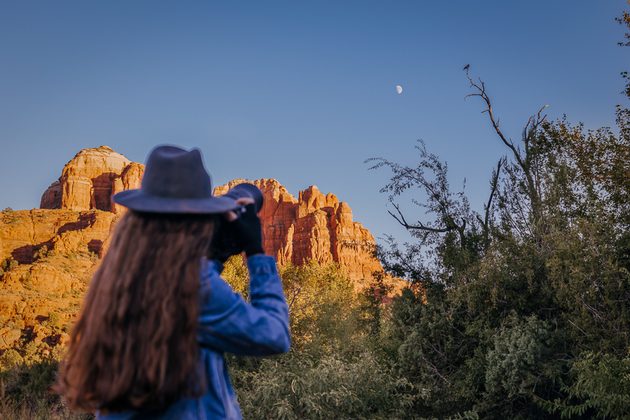
Photography is probably the obvious answer, although for me it’s closely connected to birding and gardening. I also enjoy hiking, flying, and exploring new places.
I particularly enjoy being outdoors without necessarily having a rigid agenda. Some of my favorite experiences happen when you set out looking for one thing and end up discovering something completely different.
How does your personal environment regard your interest in birds and birding?
I’m fortunate that my husband enjoys birding, nature, and hiking too. That makes it easier when I disappear outside with a camera!
On the days when I head out for a longer birding adventure, he often has a golf tee time waiting, so we’ve developed a good system.
We also have two Yorkshire terriers, who are enthusiastic participants in outdoor adventures—although they aren’t always particularly helpful birding companions!
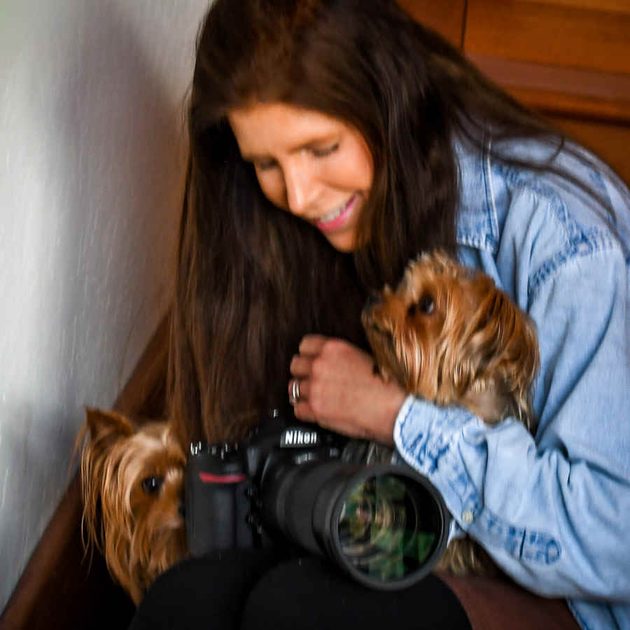
My family and friends are especially interested in photographs, but what they seem to enjoy even more are the stories behind them. Almost every photograph has an adventure attached to it.
Birding General Info and Advice
What are some of your birding tips for beginners?
First, slow down. You don’t need expensive equipment or a long life list to enjoy birding or being out in nature.
Start by learning the birds around your own home. Put up a feeder if you can, spend time in a local park, and learn to recognize a handful of common species well. Once you know what is normal for an area, unusual visitors become much easier to spot.
Learn to listen, too. Birds are often heard before they’re seen.
And be patient. That may be my biggest piece of advice. Birding rewards people who are willing to wait and observe. You may go out hoping to photograph one particular species and come home with an entirely different story.
Most importantly, don’t let the equipment intimidate you. A good pair of binoculars, a simple camera if you like taking photographs, and curiosity will take you a very long way.
How important are apps for your birding?
Apps are useful, and Merlin from the Cornell Lab of Ornithology is particularly good for identification, learning bird songs, keeping records, and researching species before heading into the field.
But I think they should be a tool rather than a substitute for observation. I don’t want to spend an entire birding outing looking at my phone.
I still want to look at the bird, listen to it, study its behavior, notice the habitat, and try to work out what I’m seeing before reaching for an app. Although technology is fantastic for confirming what you’ve observed and helping you learn from it.
Do you have any favorite birding-related media you can recommend?
I’m a big believer in using a mix of resources. Field guides are still valuable because there’s something about studying a bird away from the screen that helps you remember it.
I also enjoy reading new stories on 10,000 Birds, exploring the resources from the Cornell Lab of Ornithology, reading profiles from the National Audubon Society, following news from the International Hummingbird Society, and enjoying the highlights from Birds & Blooms, where I’m a Field Editor. I also follow a handful of other birding and wildlife publications that combine identification with stories about behavior and habitat.
And, of course, I’m always interested in photography books and visual storytelling. A compelling photograph can make someone curious about a bird before they even know what species they’re looking at.
For beginners, I’d recommend finding resources that make birding feel approachable rather than overwhelming. There is an enormous amount of information available, but you don’t need to learn everything at once.
Are there any aspects of birding you would like to learn more about?
Absolutely. That’s one of the things I love about birding—you never really reach the end of the learning curve.
I’d like to continue learning more about bird behavior and communication, particularly how behavior changes across different habitats and species. I’m also fascinated by migration and the remarkable navigational abilities of birds.
And there are entire families of birds around the world that I’ve barely scratched the surface of. I’d love to spend more time exploring them, especially in places I haven’t yet visited.
Of course, there are also many people in the birding and conservation communities whose work I’d like to learn more about. For me, birding and spending time in nature are as much about the people you meet as they are about the birds themselves.
10,000 Birds
Why do you write for 10,000 Birds, other than for the fame and glory?
Well, fame and glory are difficult to resist.
Seriously, it’s wonderful having a place to share the stories that happen around birding. Photography is one part of the experience, but writing lets me tell the story of what happened before and after the shutter clicked.
I also appreciate the conversational nature of 10,000 Birds. Birding can sometimes seem intimidating from the outside, and I enjoy contributing stories that make it feel more accessible, personal, and perhaps even give readers something new to learn.
Most of all, I like being part of a community of people who genuinely care about birds.
What do you like and dislike about the site? What should change?
What I enjoy most is the variety of voices, valuable tips, and perspectives from people with different backgrounds, interests, and levels of expertise.
I also appreciate the mix of conservation, field experiences, humor, photography, travel, and the everyday joys of being outside.
It’s fantastic to see 10,000 Birds recognized by FeedSpot in its Top 90 Bird Blogs on the Web (2026 Edition), earning the No. 5 position. I think that recognition reflects the site’s talented contributors and thoughtful editorial direction, which continue to bring people together and strengthen the birding community.
In an ideal world, who would you want to contribute to 10,000 Birds as well?
I’d like to continue hearing from a broad mix of people—ornithologists and researchers, photographers, guides, young birders, international birders, and people just discovering birds for the first time.
I particularly like bringing together people who approach birds from different directions. A migration researcher may see a bird very differently from a photographer, while a conservationist may have a different perspective from a backyard birder.
That variety is what makes birding so fascinating. We may come to birds from different directions, but our curiosity brings us to the same place.
Kelly also added a few links for interested readers to follow
- Merlin from the Cornell Lab of Ornithology
- Field guides are still valuable
- Resources from the Cornell Lab of Ornithology
- Reading profiles from the National Audubon Society
- News from the International Hummingbird Society
- Conversational nature of 10,000 Birds
- ”We may come to birds from different directions…”
- Feedspot ranking

Leave a Comment