

By Alfredo Fernández
Alfredo Fernández is a biologist and nature photographer based in Lima, Peru. A National Geographic Explorer since 2017, when his project documented Peru’s threatened lomas, he guides birding and wildlife trips across the Peruvian coast, Andes, and Amazon with Wild Andes Tours. He publishes free eBird-derived bird checklists for the sites he guides, including all 134 species recorded at Lomas de Lachay. All photographs are his own.
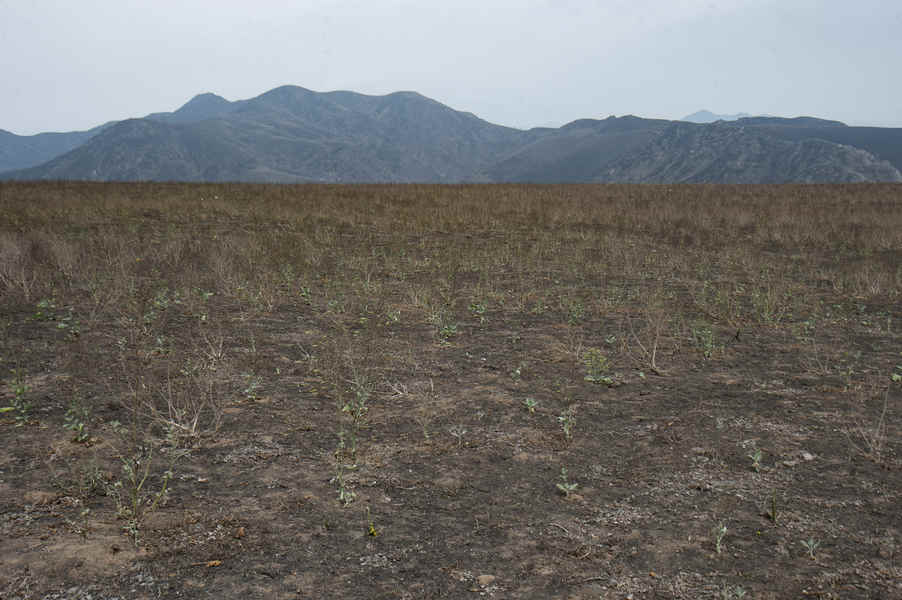
Drive north out of Lima in March, and there is nothing much to look at. The Panamericana Norte runs between the Pacific and a wall of grey hills, and the hills are the colour of cement. No grass, no shrubs, nothing to suggest anything has ever grown there. It is one of the driest deserts on earth, and it looks the part.
Drive the same road in September, and those hills are green.
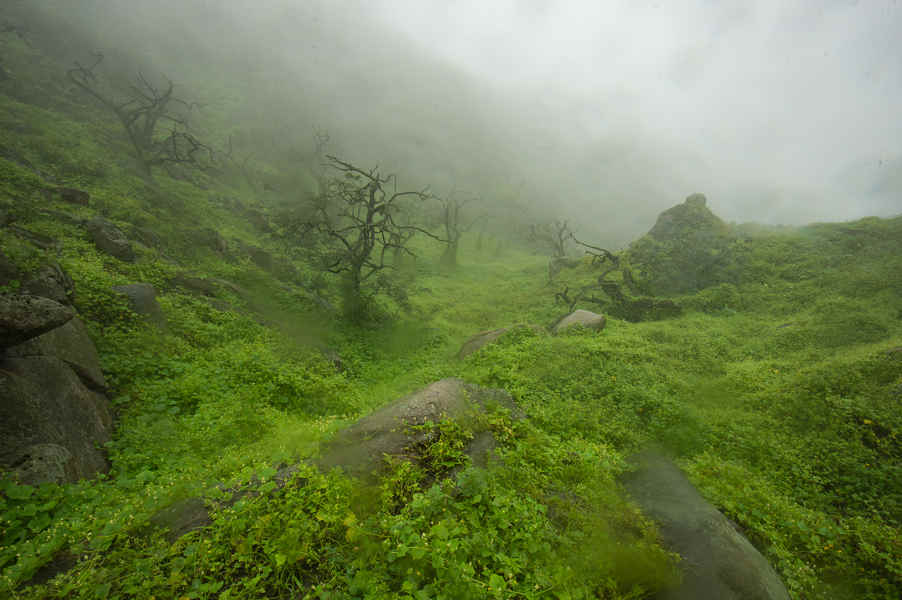
Not a flush of green, not a few tough plants making a point — whole slopes covered and flowering, with mist moving through them. Nothing has fallen out of the sky in the meantime. Some of these hills have not recorded meaningful rainfall in living memory. What changed is the fog.
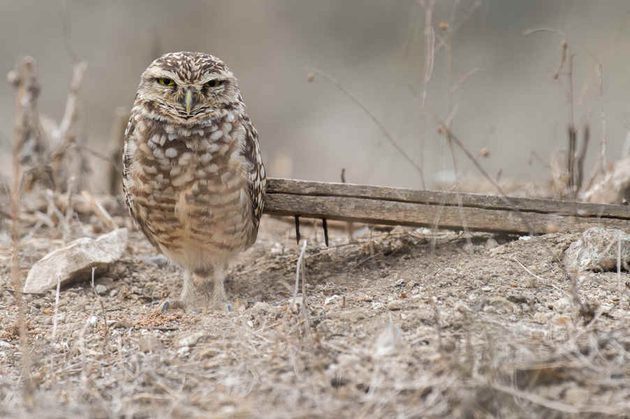
Burrowing Owl
Living On Cloud
The engine is the Humboldt Current. Cold water upwells along the Peruvian coast and chills the air sitting on top of it; that air condenses into a low marine fog we call the garúa, and the garúa pushes inland until it snags on the coastal hills, somewhere between about 200 and 1,000 metres. There it stops. And the vegetation on those hills does something I still find slightly outrageous: it combs the water directly out of the air.
These are the lomas — “low hills” —, and they are fog oases. Islands of seasonal life scattered down the Pacific desert from northern Peru into northern Chile, each one cut off from the next by kilometres of sand.
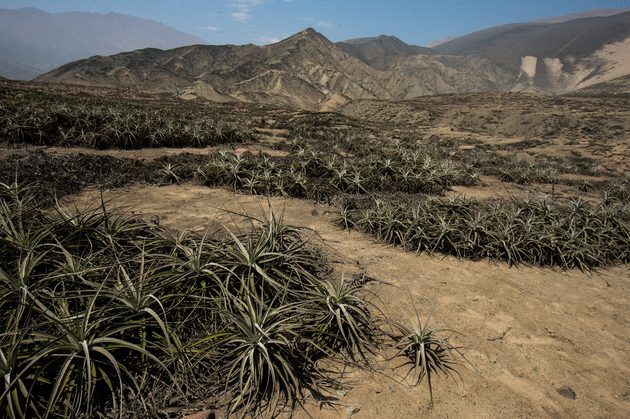
The plants are built for it. Tillandsia bromeliads lie rootless on open sand, anchored to nothing whatsoever, taking everything they need from passing mist. Others manage it with leaf hairs and stem surfaces that condense droplets and let them run down into the ground.
And the effect compounds. A hillside carrying mature vegetation intercepts far more fog than bare ground does, so a healthy loma keeps itself wetter than the desert around it. It builds its own weather. This is an elegant piece of natural engineering and also — as I will come back to — the reason these places can be killed so easily.
The Inverted Year
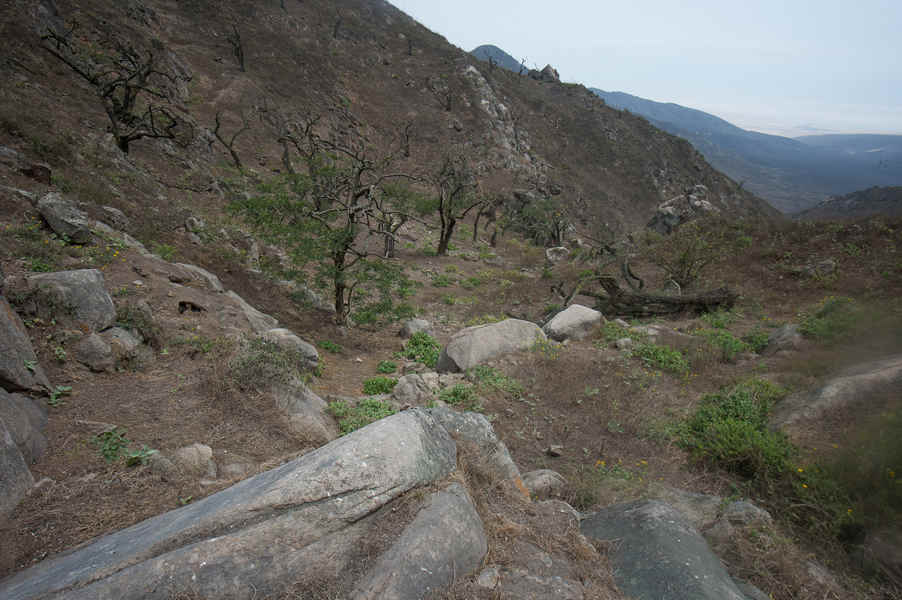
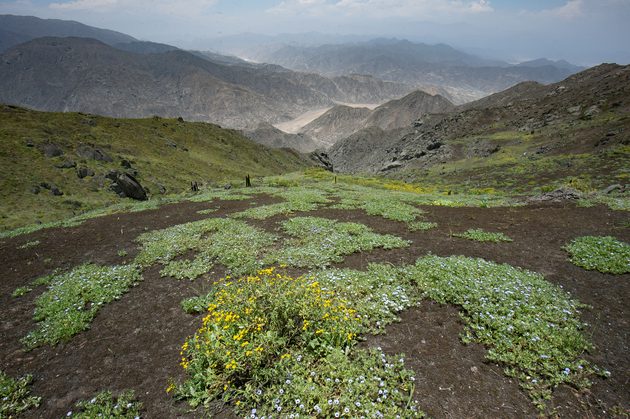
Here is the part that catches visiting birders out. The lomas green up in the austral winter, roughly June through November and peaking in August and September. They are alive precisely when the Andes are dry, and brown when the highlands are green.
That inversion is not a curiosity; it is an ecological event. As the highlands dry out, the coast greens up, and a number of Andean species drop down to exploit it — an altitudinal migration that briefly stitches together two ecosystems separated by thousands of metres of elevation. For a few months, birds that belong to the mountains are feeding on hills within sight of the sea.
It also means the single most consequential decision you make about visiting a loma is which month you turn up. Get it wrong, and you are looking at grey rubble. Get it right, and you are standing in a meadow that has no business existing.
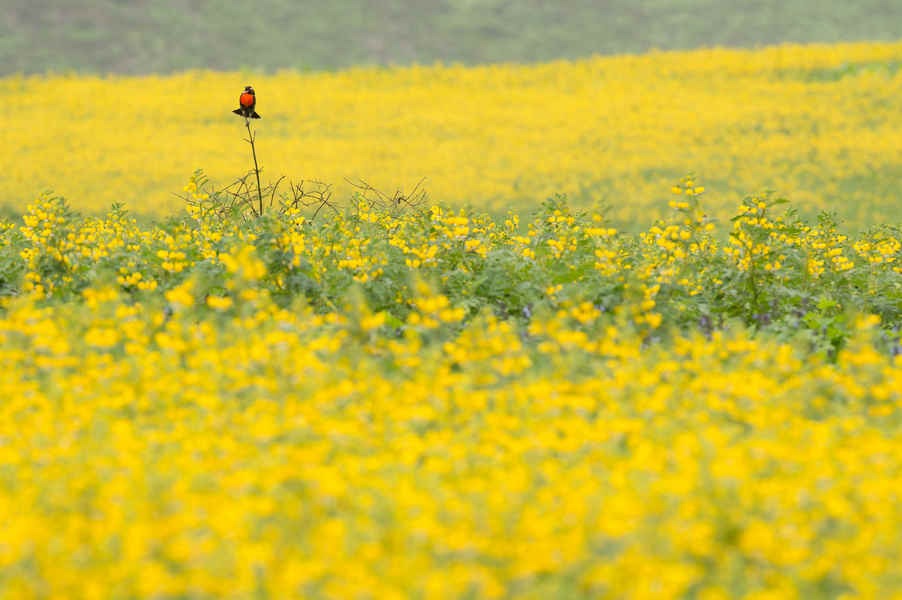
A male Peruvian Meadowlark singing over the flowering green-season lomas at Lomas de Lachay, north of Lima.
The Specialists
Isolation does what isolation always does. Because each fog oasis is an island, and because the desert between them is effectively an ocean to anything that cannot fly far, the lomas hold birds found nowhere else on earth.
At Lomas de Lachay, the best-protected fog oasis on the central coast, four Peruvian endemics are the draw:
- Cactus Canastero — a spinetail that works the columnar cacti, and the bird I would put on the flag if the lomas had one.
- Coastal Miner and Thick-billed Miner — ground-dwelling ovenbirds of the open desert margins, both confined to this narrow coastal strip.
- Raimondi’s Yellow-Finch — scarce and nomadic, following the greening. It appears where the lomas bloom and is absent where they don’t, which makes it a fair index of whether the season has actually happened.
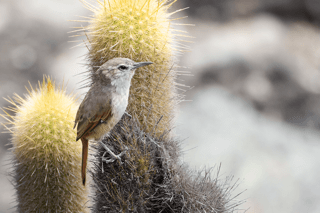
Cactus Canastero — a Peruvian endemic and one of the emblematic birds of the lomas fog oases.
Around them, the flats hold Least Seedsnipe and Tawny-throated Dotterel, both of which you will walk straight past — they crouch and let you. Burrowing Owls stand about on the open ground looking affronted. Peruvian Sheartail and Oasis Hummingbird work the flowers. Mountain Parakeet and Andean Tinamou come through. Overhead, Variable Hawk and Black-chested Buzzard-Eagle ride the air as the fog has cooled. After dark, the Peruvian Thick-knee supplies the desert with its voice.
Across Lachay’s six eBird hotspots, 134 species have been recorded. That is not a rainforest number. For a hillside that drinks cloud, it is a remarkable one.
Not Only Birds
A loma in green season is not really a bird habitat. It is a brief and complete ecosystem that assembles itself, runs for a few months, and takes itself apart again.
The mammal you are most likely to meet is the Sechura Fox, a small desert canid that trots the trails at first light with the air of something that has business elsewhere. With real luck — and I do mean real luck — these hills hold Pampas Cat, among the least-observed small cats in South America. I have had a handful of encounters in many years of working here, and every one has felt like being let in on something.
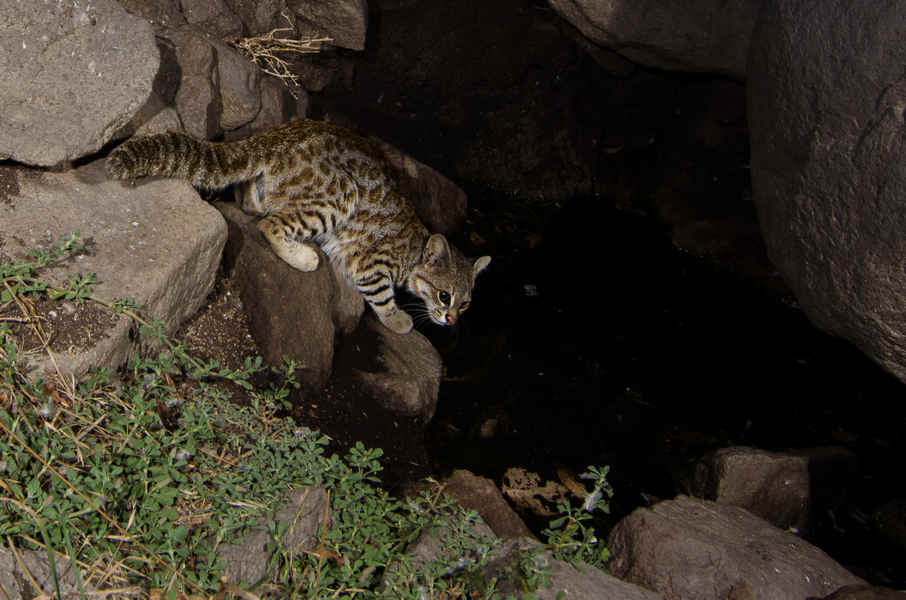
Pampas Cat at Lomas de Lachay — one of the least-observed small cats in South America.
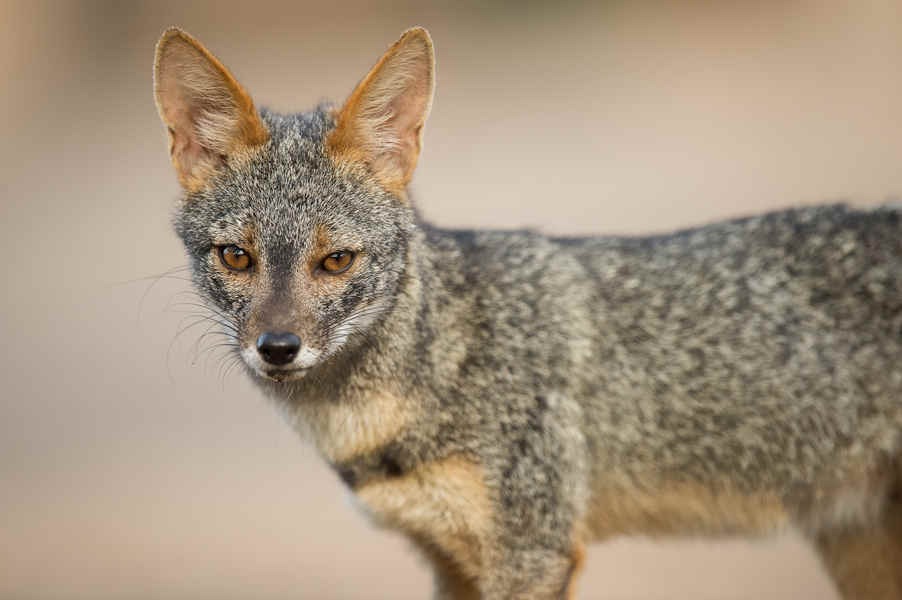
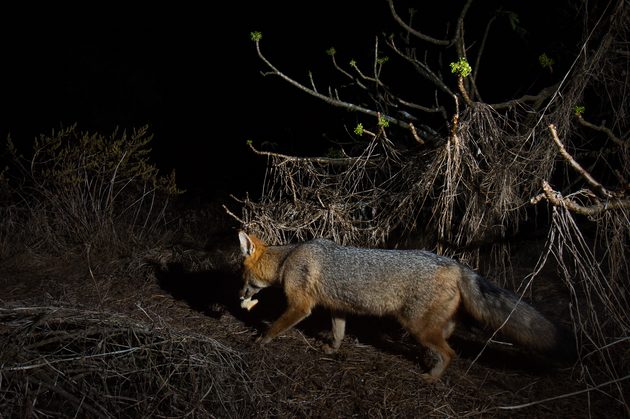
Sechura Fox on the trails at Lomas de Lachay — the fog oasis’s most reliably encountered mammal.
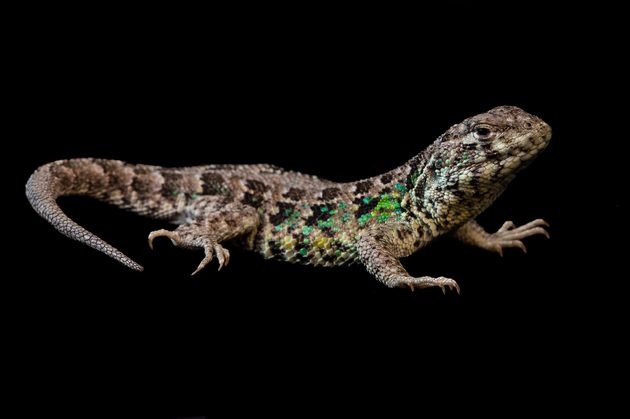
Lower down, the fog supports its own specialists: Lomas Geckos on the rock, the Coastal Fer-de-Lance hunting through the vegetation, and an insect explosion that arrives with the flowering and disappears with it.

People Got Here First
The lomas were never empty. Pre-Columbian communities used these fog-fed hills as seasonal pasture and hunting ground, and at Lachay they left it on the rock — anthropomorphic paintings still visible on the reserve’s boulders. Thousands of years of people doing exactly what the Andean birds do: coming down when the coast turns green.
Lima itself is written into this. The amancay (Ismene amancaes) is a yellow lily that once carpeted the hills above the capital, and the city held a festival in its name. The Fiesta de Amancaes was a real event with a real season. The lomas that produced it are now almost entirely underneath the city.
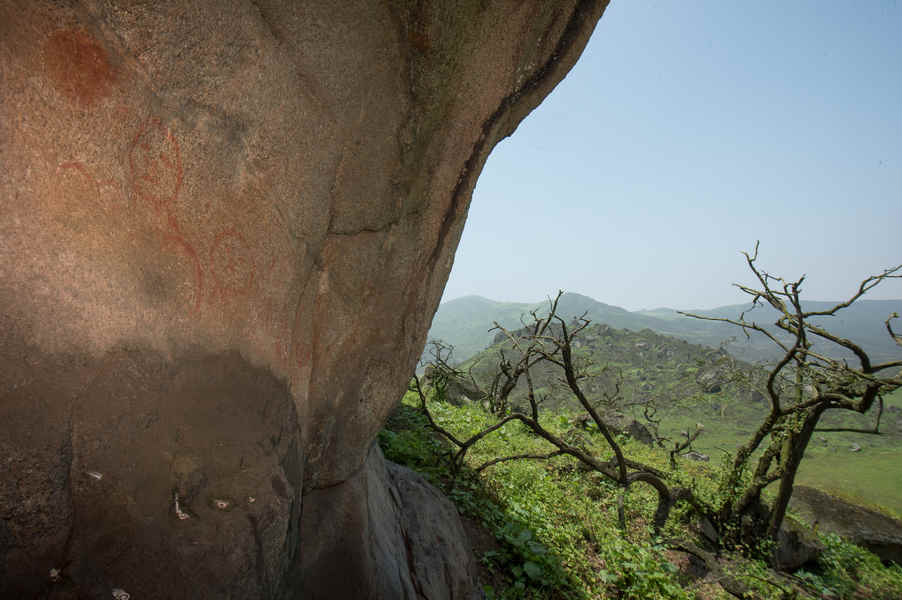
Anthropomorphic cave paintings at Lomas de Lachay — evidence of seasonal human use of the fog oases going back millennia.
Why They Go
Fog oases are small, isolated, and sitting directly in the path of a growing coastal population. Around Lima, the pressure is hardest and least subtle: urban expansion has swallowed several lomas outright. Elsewhere, the mechanism is quieter. Overgrazing strips the vegetation; the vegetation was what captured the fog; and once that feedback loop breaks, the oasis does not come back on its own. It dries out, and it stays dry.
Because each loma is an island, a local extinction is usually a total one. There is no neighbouring population to recolonise from, because the neighbours are forty kilometres of sand away.
This is the work that first took me to the National Geographic Society — a 2017 Explorer project documenting these threatened fog-oasis systems. The honest reason I keep bringing people up here is that a living loma makes the argument far better than I can. You can describe fog capture to someone. Or you can stand them on a green hillside in September, in a desert, in a country where it does not rain, and let them work out for themselves what is holding it up.
If You Go
The most accessible intact fog oasis from Lima is the Reserva Nacional de Lomas de Lachay, 105 km north of the city — two to two and a half hours up the Panamericana Norte, and comfortably a day. Go between June and November, best in August and September, and go early, while the fog is still in and the birds are still moving.
Take the month seriously. Everything else about the place is forgiving. That one thing is not.
Cover Photo: Lomas de Lachay in full green season












Fascinating.
Captivating read and a fascinating ecosystem! More posts like this, please!