
I may describe myself as a birdwatcher, but I always enjoy seeing other wildlife, too, especially mammals and butterflies. During the course of a year I generally get to see, and photograph, a reasonable variety, so here’s a selection of some of the more interesting mammals that I have encountered during the past 12 months. No apologies for including a few domestic mammals, too, as they play an important role in shaping the habitat they live in.
Deer are numerous in the Brecks where I live. I see Roe and introduced Reeves’s Muntjac the most often. The latter was introduced to Britain at the start of the last century and is now a major pest, browsing out the nesting habitat of Nightingales, for example. We also have sizeable herds of native Red Deer, though I see these less frequently.
Badgers are increasing in my area, but still remain scarce. I only saw one during the year, and that was crossing the road close to my home. I’ve yet to photograph Badgers satisfactorily. Otters are now quite common, but I didn’t photograph any in 2025.
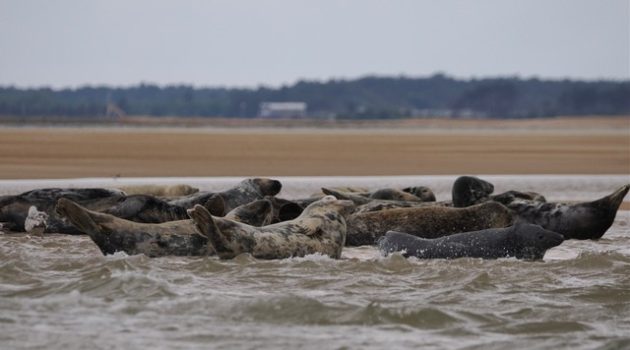
These Grey Seals were photographed in Blakeney Harbour in North Norfolk in August. A little more than 100 years ago the British population was thought to number just 500. Today it’s estimated to be around 120,000, or 40% of the world population and 95% of the European population. Many thousands breed on the Norfolk coast
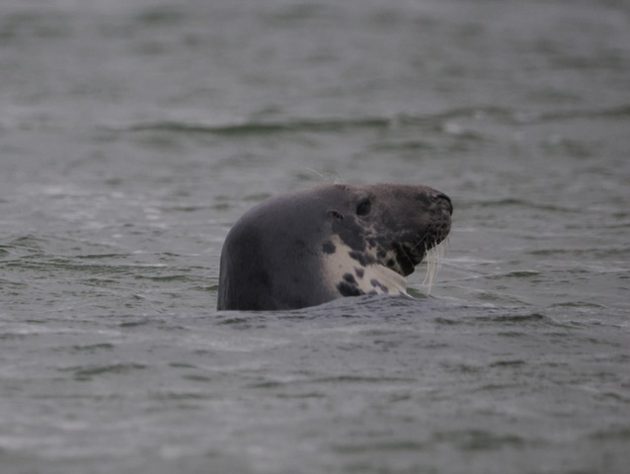
Grey Seals have a typical Roman-nose profile
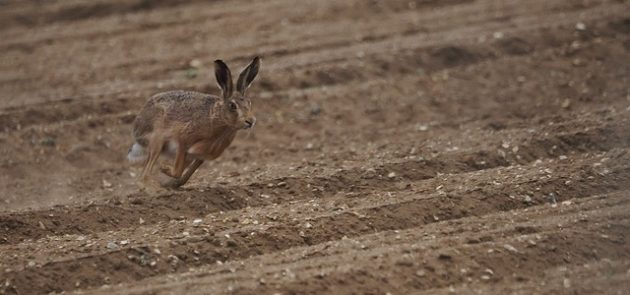
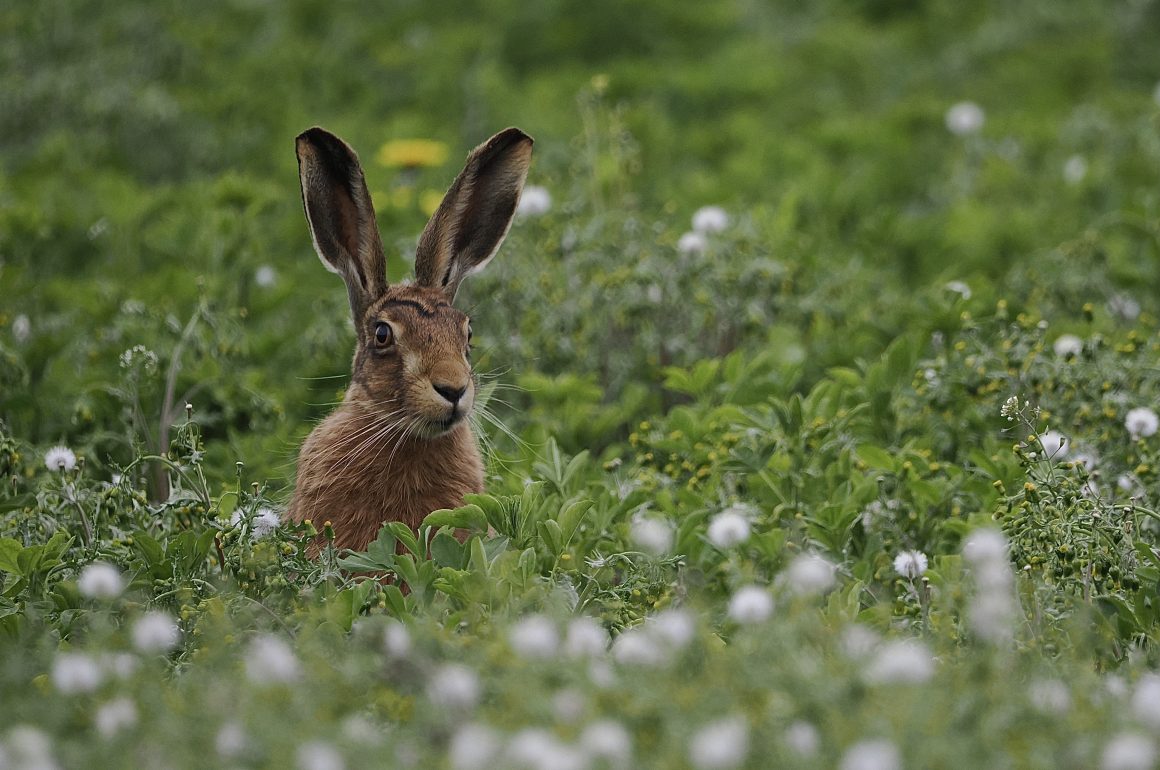
Brown Hares are said to have been introduced to Britain by the Romans. They are an animal I see frequently, and can never resist photographing
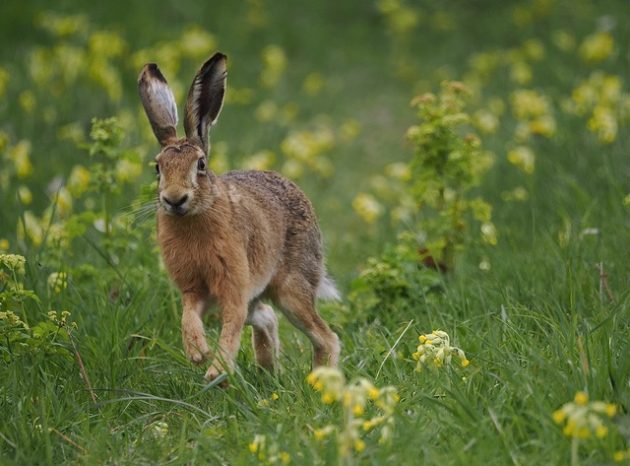
Brown Hare and cowslips
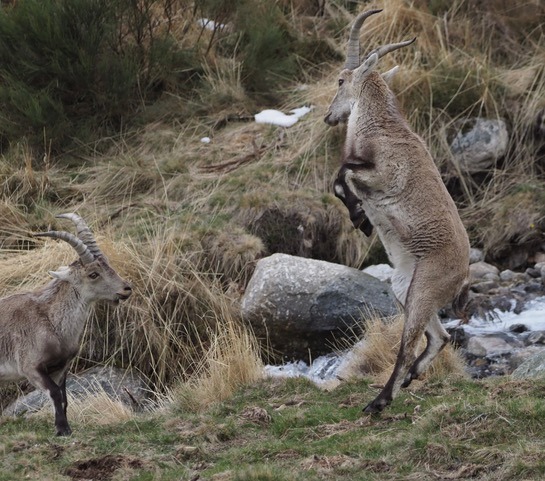
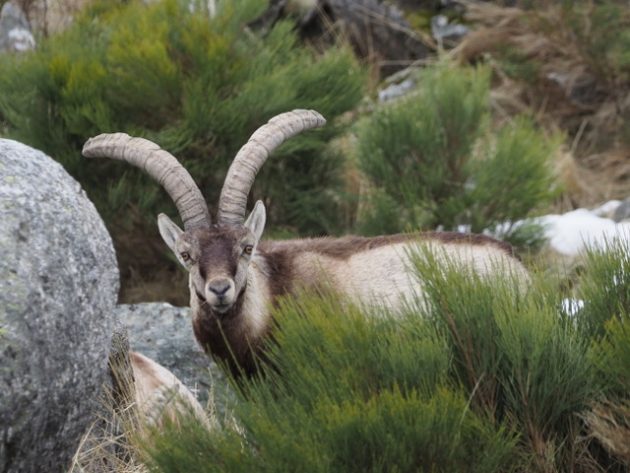
These Iberian Ibex were photographed in Spain’s Sierra Gredos mountains in early April. Nearly hunted to extinction, the population is now thought to number as many as 8,000 animals. Lacking natural predators, some trophy hunting is allowed, but the animals in the heart of the Regional Park are tame and approachable
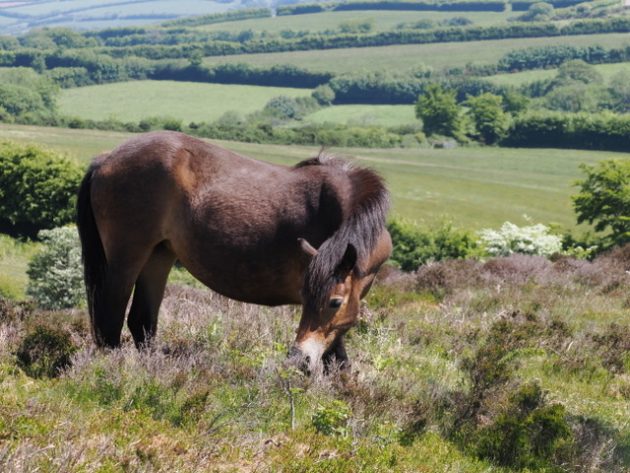
Britain has 12 different breeds of native ponies: the oldest and most distinctive is the Exmoor. These ponies are popular for conservation grazing on nature reserves; my photograph was taken on Exmoor during a search for Whinchats in May
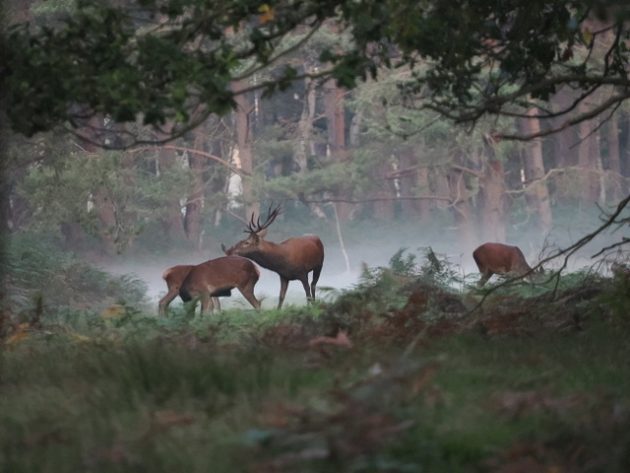
These Red Deer were photographed just three miles from my house, during the October rut. The picture was taken early in the morning, when the stags were still roaring. Once then sun has risen they go quiet and are hard to see, and it’s not until dusk that they become active again
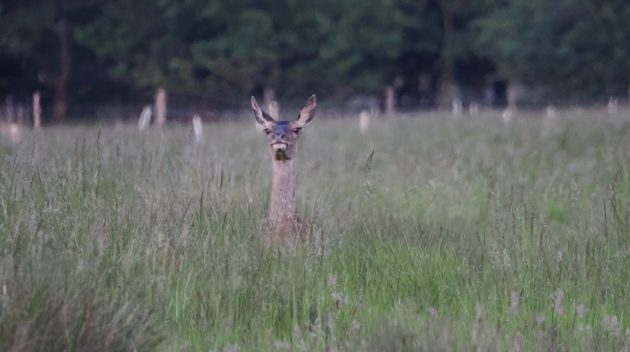
A Red Deer hind, watching me carefully late on a summer evening when I was looking for Barn Owls. She probably had a calf hidden nearby
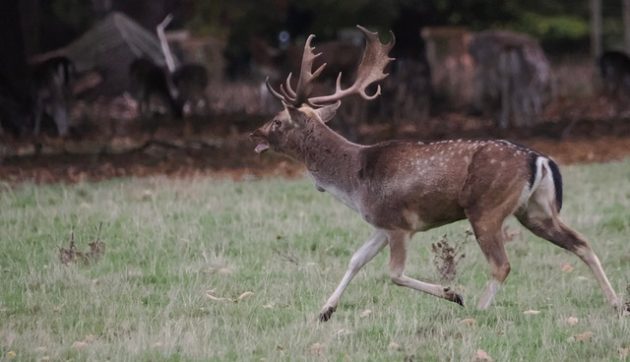
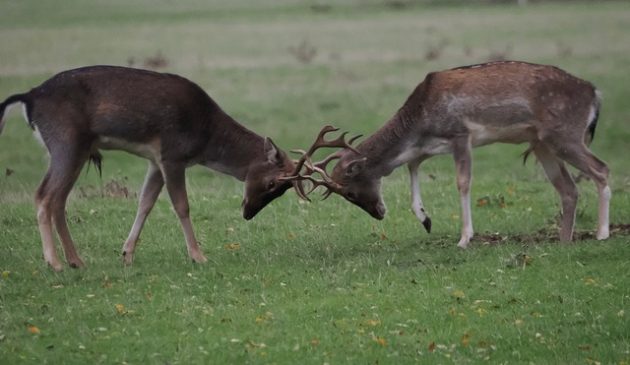
Though Fallow Deer are common and widespread in many areas of England, they are largely absent in the area where I live. These photographs were taken in the ancient deer park at Holkham Hall, North Norfolk, during the rut, which takes place in late October
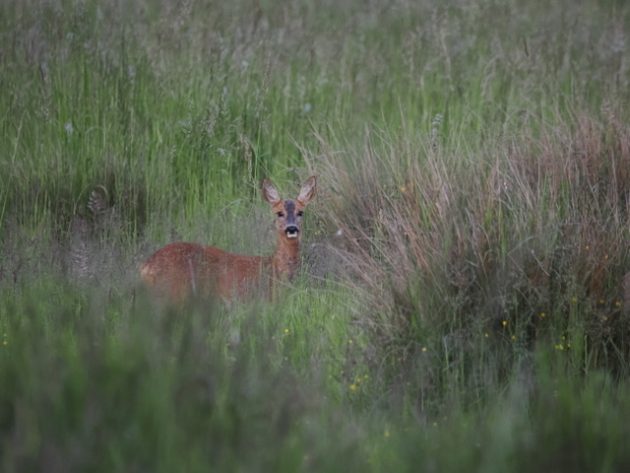
Roe Deer are an attractive native species that I come across frequently around my home. I encountered this doe late on a June evening
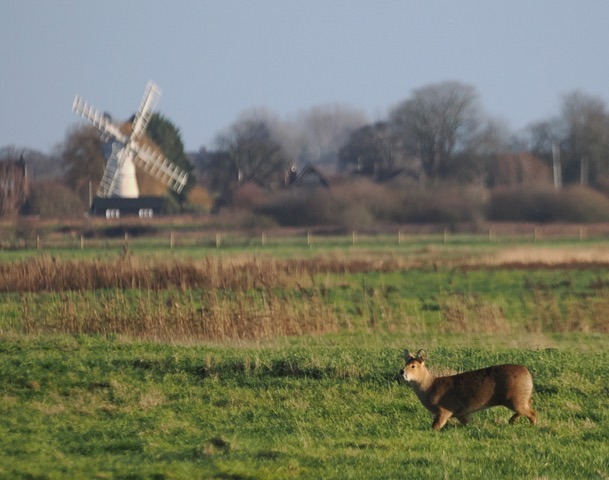
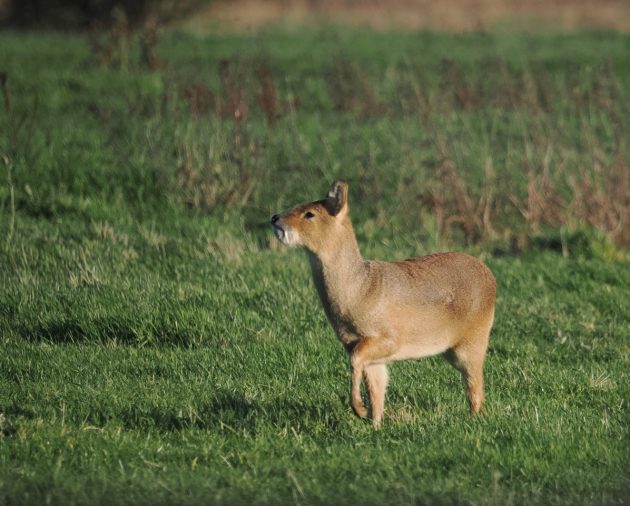
As the name indicates, the Chinese Water Deer is an introduced species in the UK, but one that is increasing in numbers and is now widespread in East Anglia. I see them often when birding in North Norfolk – they have teddy-bear-like faces and golden fur, while the bucks have short tusks but no antlers
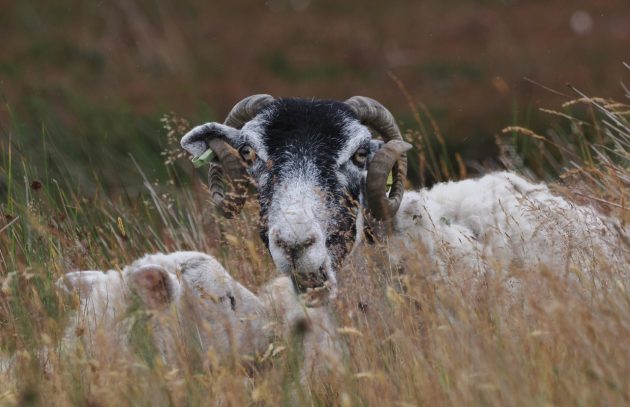
Black-faced sheep are the most popular breed in the uplands of Britain. Both sexes have horns. I photographed this ewe while looking for Red Grouse in the North Yorkshire National Park
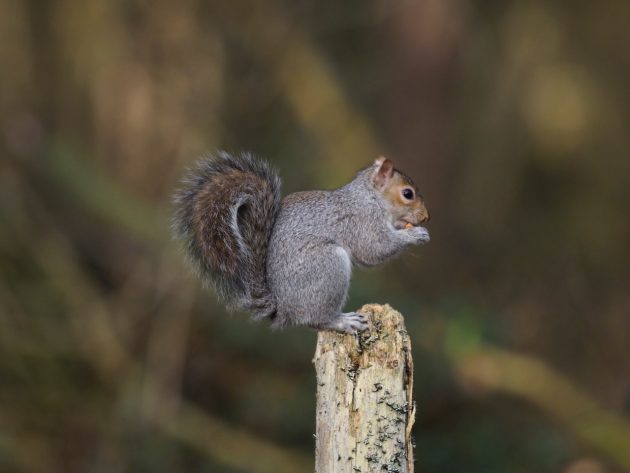
Arguably my least-favourite mammal, Grey Squirrels were introduced to Britain from America over 150 years ago and have largely ousted the native Red Squirrel
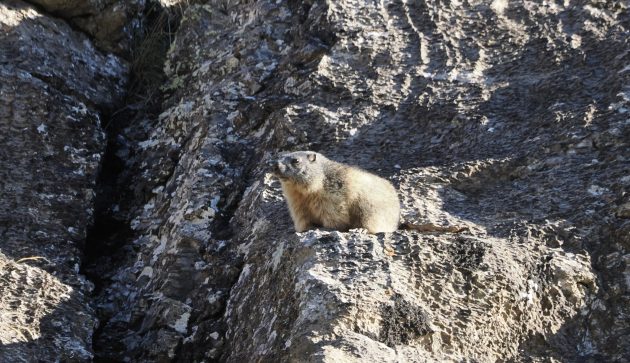
I photographed this Alpine Marmot high in the Spanish Pyrenees in September when searching for Wallcreepers. These large rodents were exterminated in the Pyrenees, but successfully reintroduced in 1948 and are now common and widespread. I saw herds of Chamois on the same day, but they were all too distant for photography
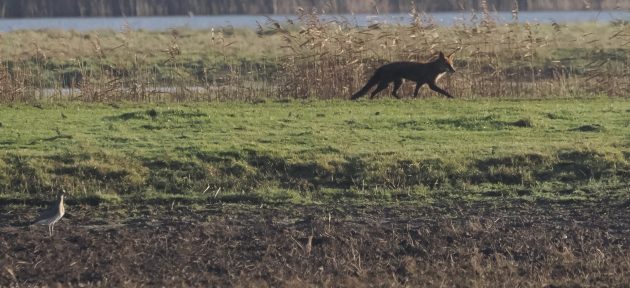
Foxes are major predators of ground-nesting birds, so are unwelcome on bird reserves. The individual shown here had somehow managed to trap itself within the fox-proof fence on Frampton Marsh, an RSPB reserve in Lincolnshire. A Curlew (bottom left) is watching it carefully





Great post, David. Thanks for taking out 2025 with a change of pace. Sorry about the Gray Squirrel introduction 150 years ago.