

I’ve always been fascinated by creatures that can fly, which explains my enthusiasm for not just birds, but butterflies, too. Twenty years ago I even wrote a book on butterflies (Britain’s Butterflies: A field guide to the butterflies of Britain and Ireland). Much revised and updated, it is still in print today. My book deals exclusively with British butterflies. We have a mere 59 regular breeding species, whereas in Europe there are more than 500. Italy has the greatest variety with 264, but Spain (243) and Greece (230) aren’t far behind.
I’ve never tried to see how many butterflies I can see in a year. I live in Eastern England, not a butterfly-rich area, so to see even 30 species in a year would be difficult, if not impossible. In contrast it’s not too difficult to see 30 in a day in Greece in the spring without really trying. I once led a dedicated butterfly-watching holiday to Kerkini in northern Greece, where we recorded 96 species in a week. To identify so many takes dedication, enthusiasm and knowledge – on that trip I was accompanied by people who were much more skilled than me at naming the confusing fritillaries and blues. My main focus is usually on birds, so butterflies are a diversion, but one that I always enjoy. Here is a selection of some of the more interesting butterflies that I encountered in my birding travels in 2025.
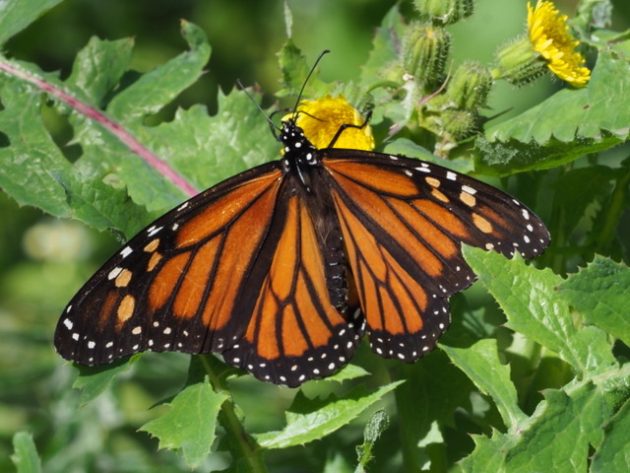
On the Balearic island of Mallorca in early February I was delighted to find Monarch butterflies. This handsome insect is a natural colonist from North America. It has been breeding on mainland Spain since 1980; I’m unsure when it arrived on Mallorca
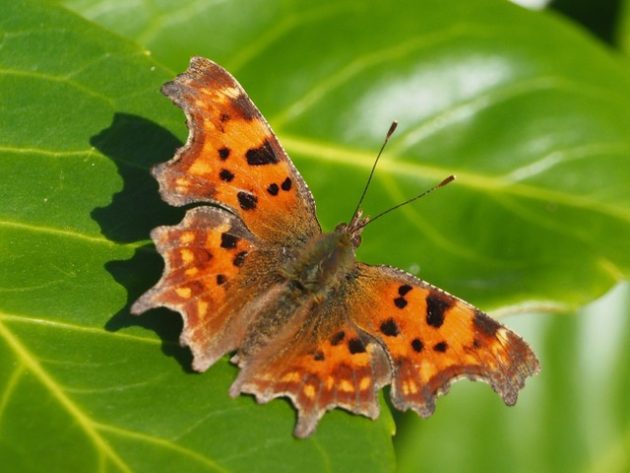
The distinctive Comma is one of the few species of butterflies that hibernates as an adult insect. The first usually appear on sunny days in early spring. I photographed this individual sun basking in my garden on 8 March
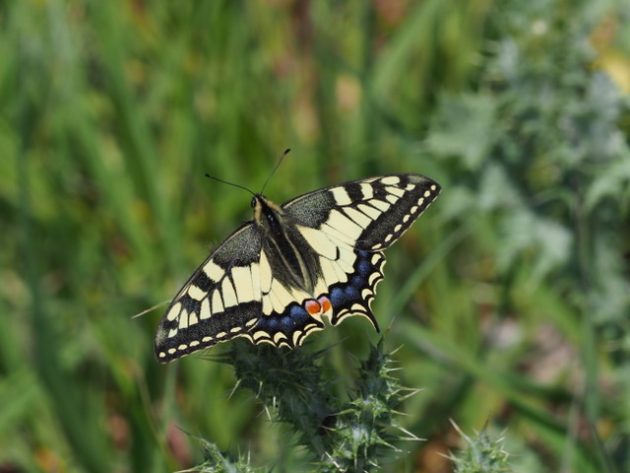
I can never resist photographing Swallowtails: this one was Extremadura, Spain on 27 March. I was looking for sandgrouse at the time
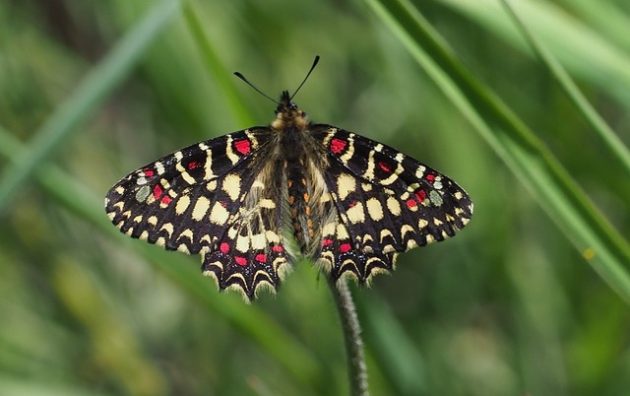
Restricted to Portugal, Spain and southern France, the Spanish Festoon is on the wing from early March to May. This was another butterfly I encountered in Extremadura
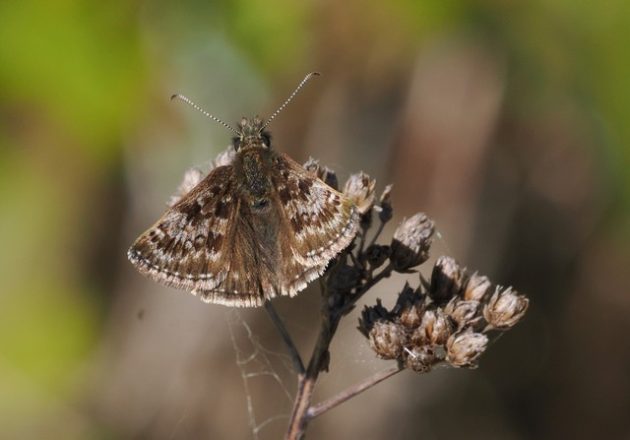
This tiny butterfly, the Dingy Skipper, is a rarity in my home county of Suffolk, only occurring at one site. The first individuals are usually one the wing in early May, but they appeared early in 2025, and I found this one on 29 April, my earliest ever. They fly low and are easy to overlook
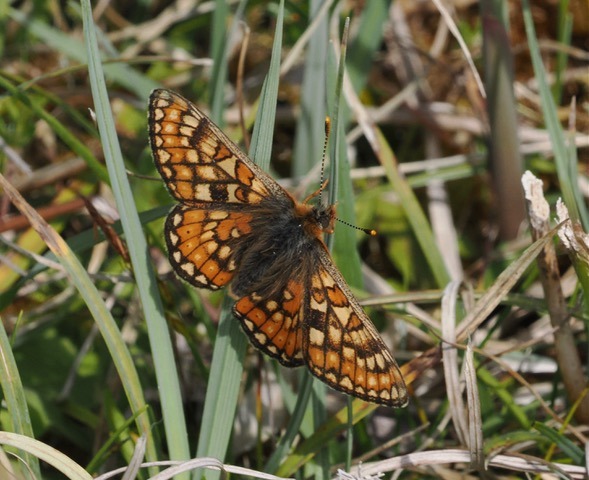
Marsh Fritillaries are rare and endangered butterflies in England, so I regard myself as fortunate to have a thriving colony just a mile from home, which is where I photographed this individual on 1 May, another early date (Market Weston Fen, Suffolk)
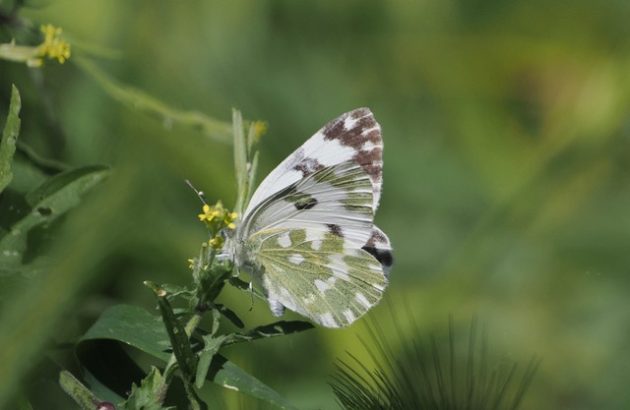
The Eastern Bath White is a very common and widespread butterfly in Greece, where I photographed this individual on 8 May
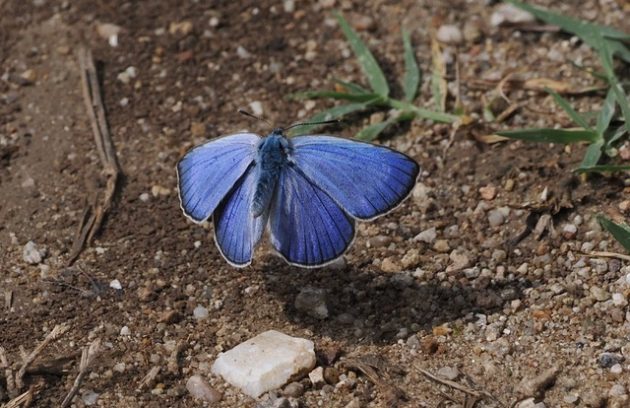
My butterfly of the year: an Iolas Blue. The largest of the blue butterflies in Europe, it is a scarce and localised species. This was a lifer for me. It refused to settle with its wings open, so I had to photograph it flying (Northern Greece, 10 May)
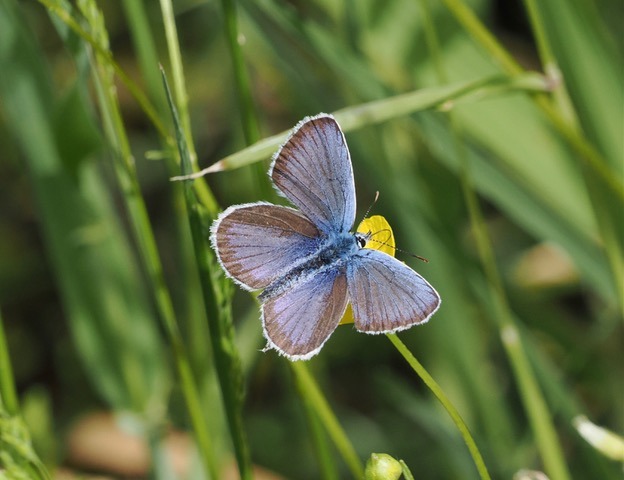
This Silver-studded Blue is half the size of the Iolas Blue. It’s a widespread species that also occur in Suffolk – see below. (Northern Greece, 10 May)
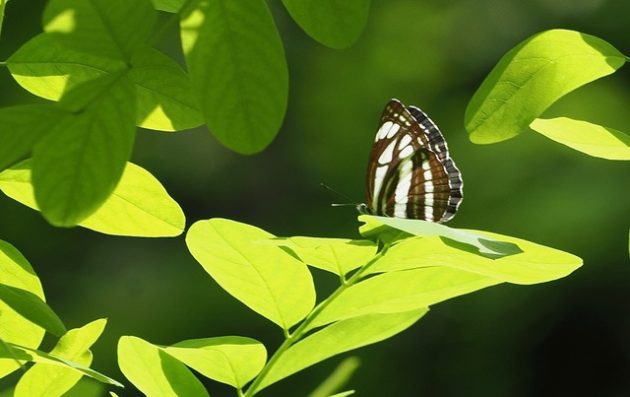
The Common Glider is restricted to Eastern Europe, where it is widespread but never abundant. Its a butterfly that favours woodland (Northern Greece, 10 May)
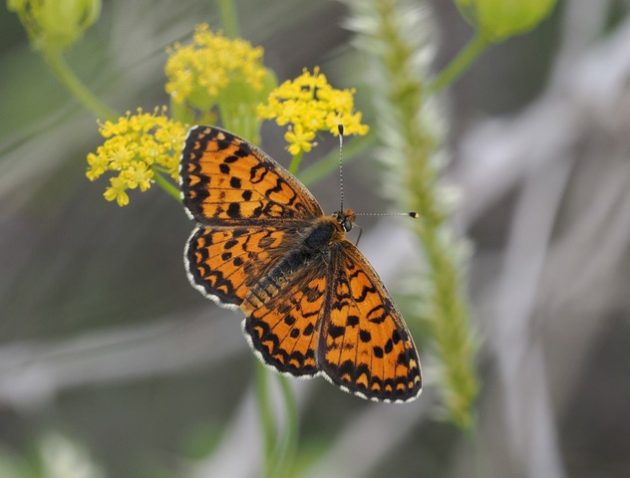
Greece has a rich variety of fritillaries that can be difficult to identify: this is a Lesser Spotted (Northern Greece, 11 May)
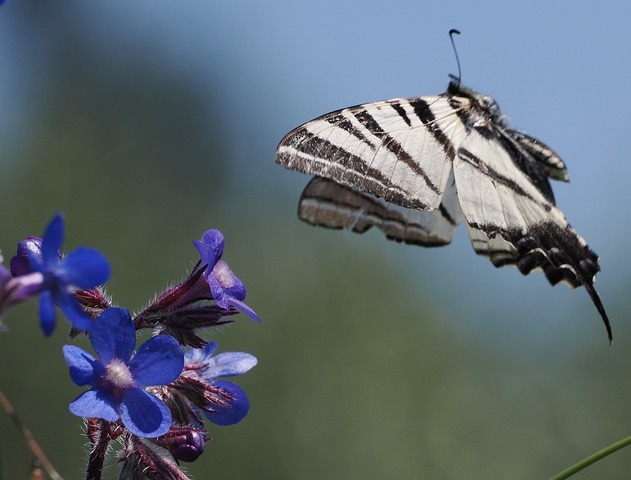
The English name for this butterfly, the Scarce Swallowtail, is misleading, as it is widespread and often common throughout much of southern Europe (Gulf of Thessaloniki, Greece, 12 May)
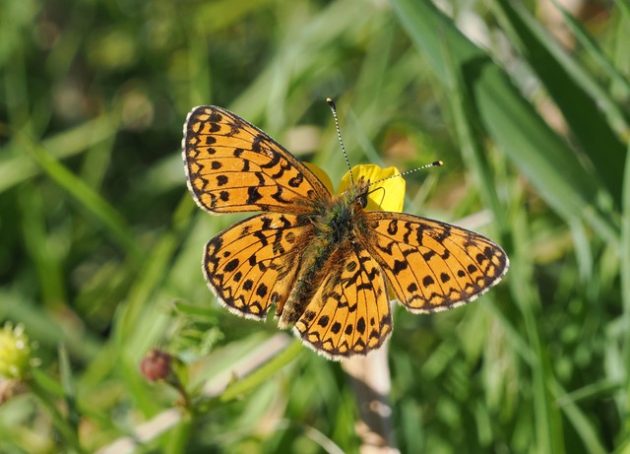
I photographed this Small Pearl-bordered Fritillary on Exmoor in the west of England on 22 May. It’s a declining and localised species in Britain, so one I was pleased to find
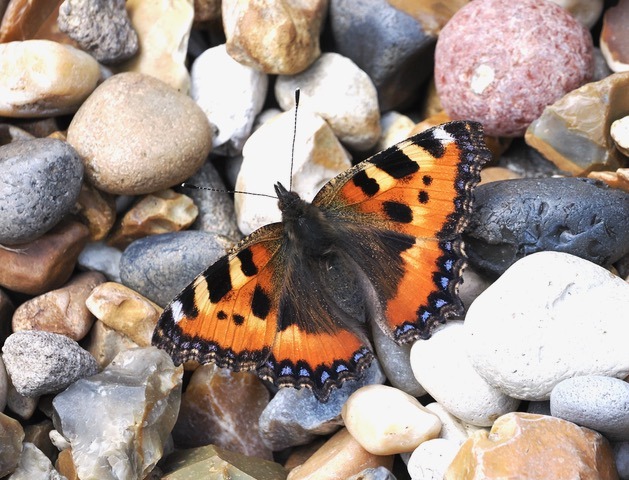
Small Tortoiseshell butterflies have declined drastically in England in recent years; last summer there were signs of a recovery. I photographed this insect in my garden at the end of May
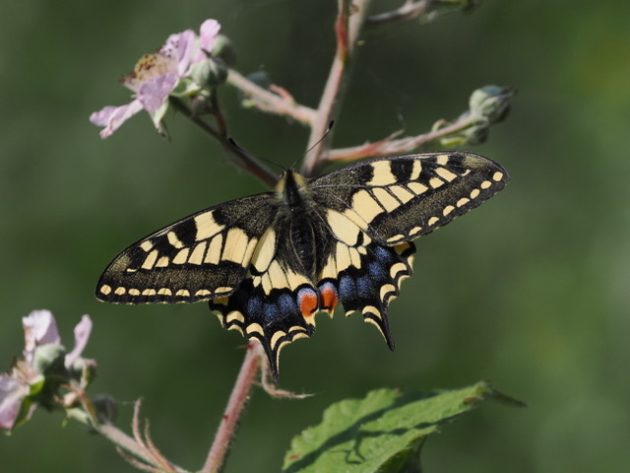
Though widespread and often common on the continent of Europe, Swallowtails are rare and localised in England, and can only be found in the Norfolk and Suffolk Broads, which is where I encountered this butterfly on 11 June. The British race, Papilio machaon brittanicus, is smaller and darker than its European counterpart, and has different behaviour and even a different food plant (Milk-parsley)
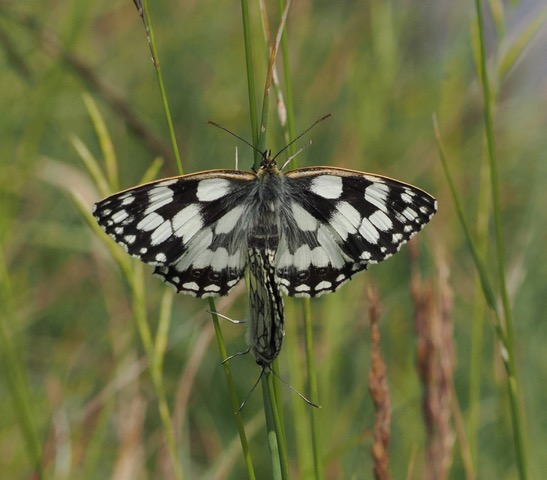
The Marbled White is one species that is increasing and extending its range in England, probably as a result of climate change. Though I encountered many individuals on the day I took this photograph on the Devil’s Dyke (next to Newmarket racecourse in Suffolk), they were very active and impossible to photograph. This mating pair gave me the chance I was looking for
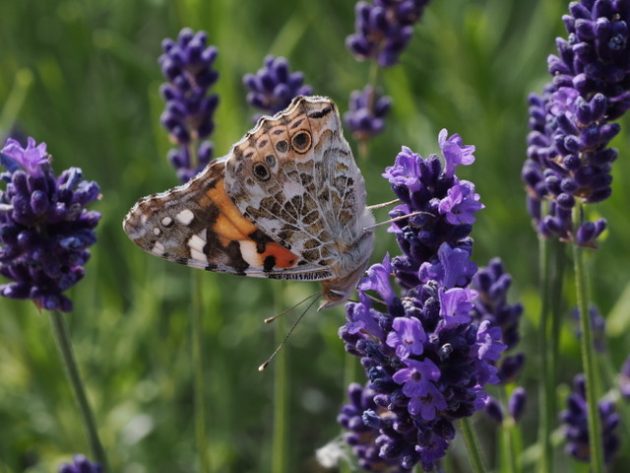
Painted Ladies are great migrants, but are not resident in the UK. Last summer was a good one for this species. I photographed this one in my garden on 19 June
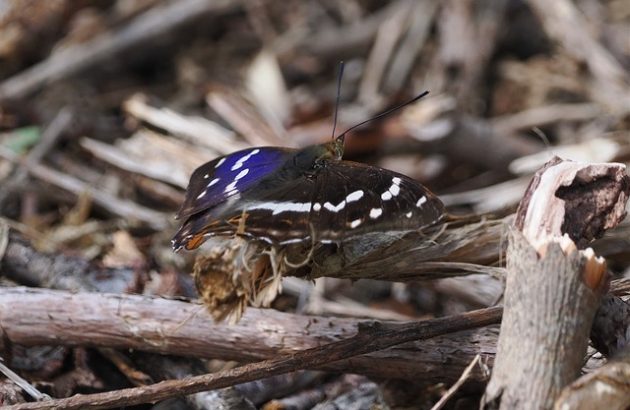
Not my best photograph here by a long way, but any picture of a Purple Emperor is a minor triumph. This is Britain’s largest butterfly, and also one of the most elusive. I failed to see any in 2024, but in 2025 I enjoyed three brief encounters (Bradfield Woods, Suffolk, 26 June)
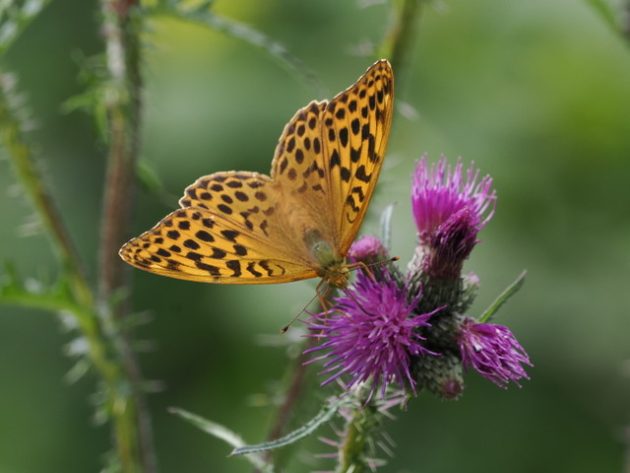
Silver-washed Fritillaries are one of my favourite butterflies.. They died out in Suffolk in about 1960, but started recolonising again in 2010 and are now widespread in most suitable woods (Bradfield Woods, Suffolk, 26 June)
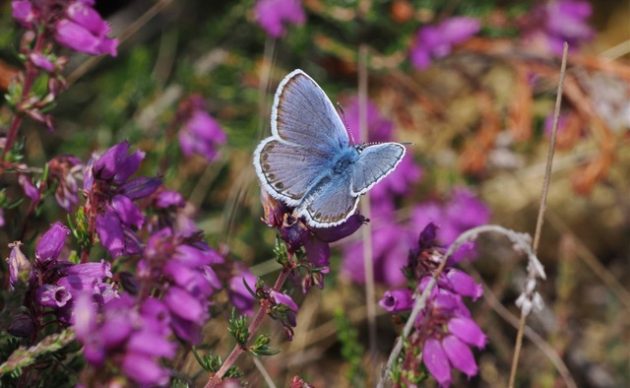
Having seen plenty of Silver-studded Blues in Greece in May, I had to work hard to find this individual near Minsmere bird reserve on the Suffolk coast (27 June)
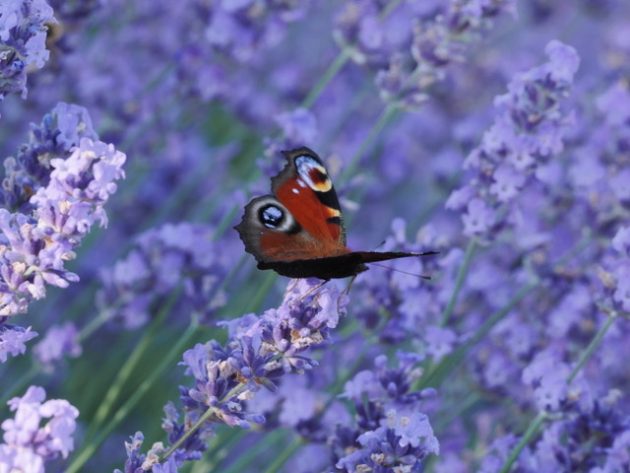
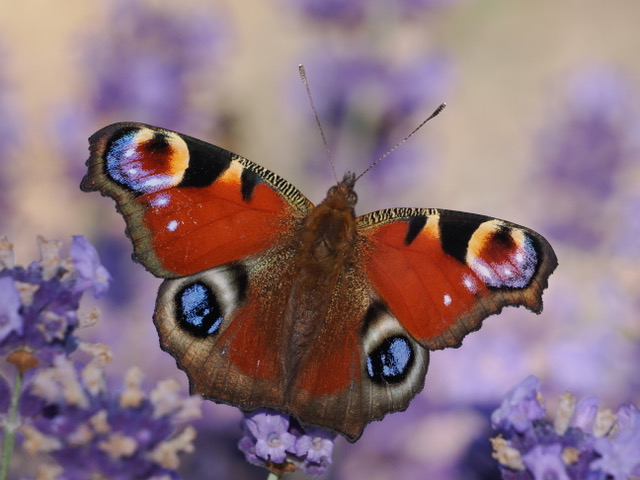
Lavender is a popular nectar source for many butterflies, such as this Peacock. It was photographed in my garden (30 June)
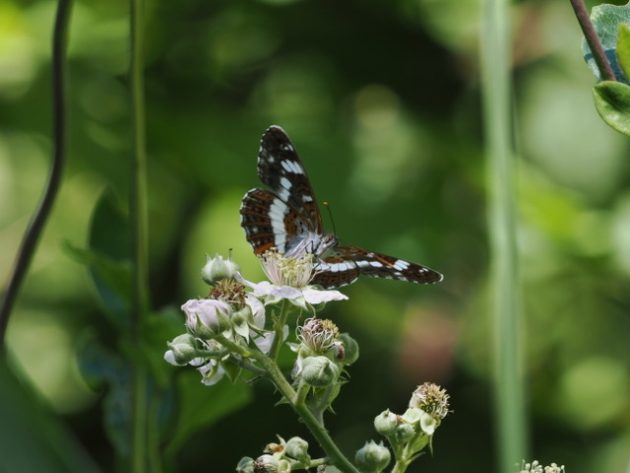
The White Admiral is localised woodland butterfly that has declined in recent years. This one was in Bradfield Woods, Suffolk, on 30 June
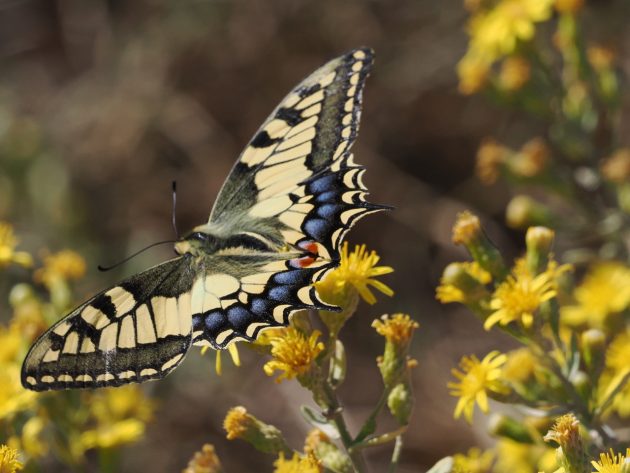
The last butterfly I photographed in 2025 (30 September) was this Swallowtail at Sagres in Portugal. Sagres is the most south-westerly point in Europe, and I took this photograph close to the beach, so this was probably the most south-westerly butterfly in Europe










Enjoyed the butterfly posting. Any pending postings regarding moths? In our Minnesota yard in the US our variety of moths outnumber butterflies by approximately 10:1. Keep up the great work!
I also like butterflies and can never resist trying for photos. Your photos are wonderful and this is a long list for readers to savor. Several of these also occur in the United States.
I’m sorry Mark, but my expertise on moths is limited, though I have two friends who run light-traps for moths locally. I always enjoy seeing any hawkmoths that they catch, but they are easy moths to identify, and they are also photogenic. I might do a post on hawkmoths…
Are the Blues the ones that lay their eggs inside anthills?
Decades ago I shared an office with a gentleman and his Stick Insects. He was a “moth man” – he’d go on vacation, set up a moth trap at night and spent the day identifying his catch. There are thousands of species in Europe so he wouldn’t need to travel far. When I am stuck at some airport I sometimes wonder whether “mothing” isn’t a better game…
Beautiful collection of butterflies – I loved it.