

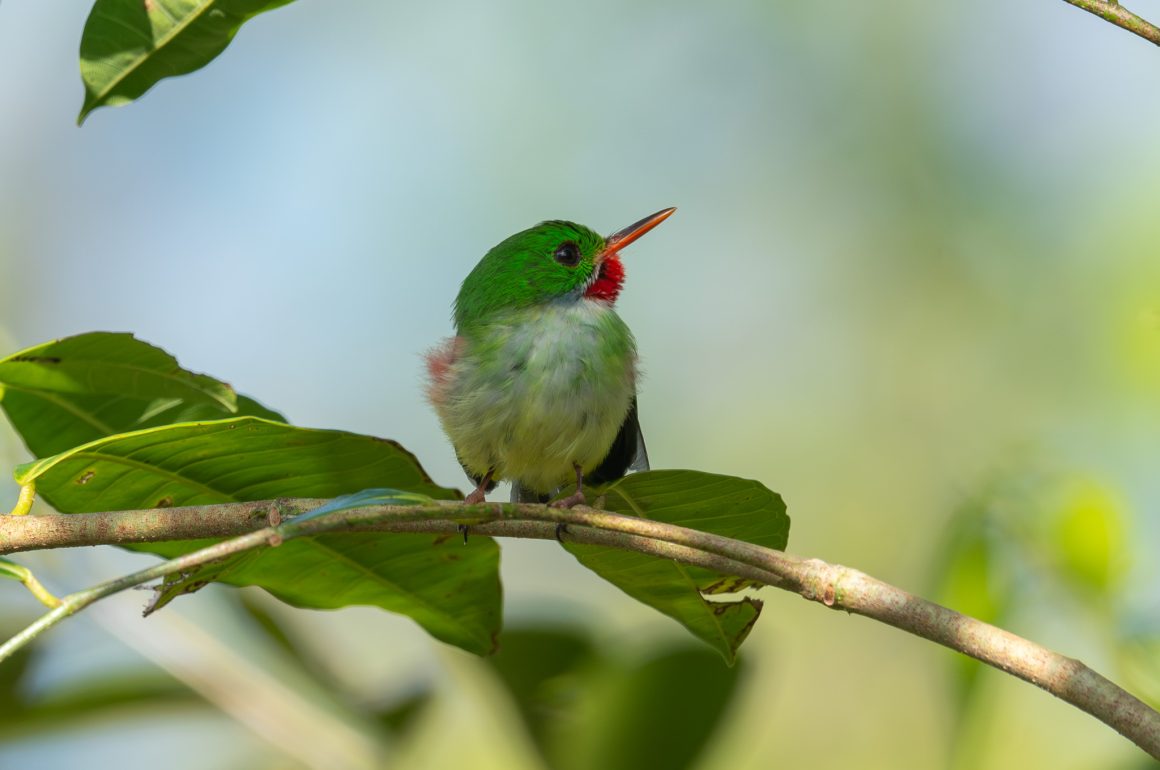
Each year, my family goes on a “company retreat.” This last one was a Caribbean cruise aboard the Norwegian Prima to Breakaway Cay, Grand Cayman, Ocho Rios, Jamaica, and Cozumel. We have been on Caribbean cruises before and have not been able to secure a guide at the ports. But this time, we were lucky and able to find a guide at each cruise stop, thanks to the Caribbean Birding Trail guide page. I have seen a lot of Facebook requests asking for help figuring out birding on the same or similar cruises, so here are some recommendations!
Ocho Rios, Jamaica
Our first stop was Ocho Rios with guide Ricardo of Arrowhead Birding Tours. This trip came shortly after the hurricane that had severely affected parts of Jamaica, and we were unsure whether Ricardo would still be available or if we were putting unnecessary strain on the situation. We emailed him back and forth, and he assured us we were all good to go and that he could take us out.
So, when the ship docked, we were the first ones out of the gangway and into town to meet up with Ricardo. We could not visit some of Ricardo’s preferred birding spots due to hurricane damage, so instead we went exploring (which was more fun). He took us to a dump road, called Middle Street, above a valley, which had sparse trees on one side and a sloping, shrubby hill on the other. The treed side had most birds, including endemics: Jamaican Crow, Jamaican Tody, and Jamaican Euphonia. Jamaican Vireos skulked through the bushes on the other side. We ended up following these tracks for miles to a few other promising locations, with several stops for workers to clear the roads. Our last stop took us to Cascade Road, where we found a few more endemics, including Jamaican Elaenia, becard, pewee, and spindalis.
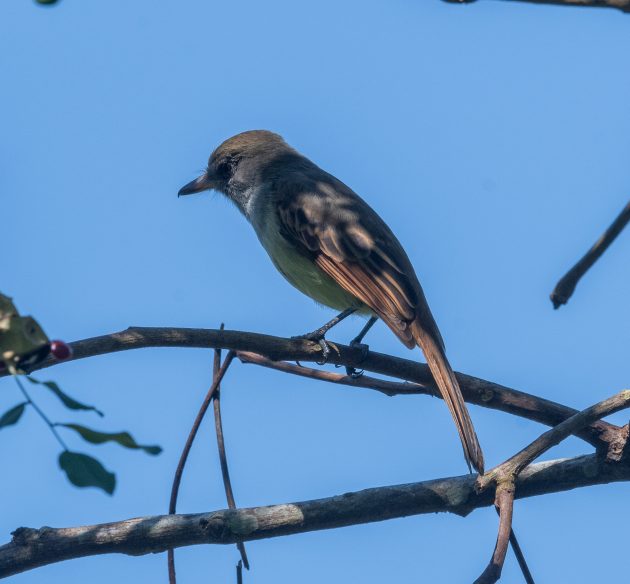
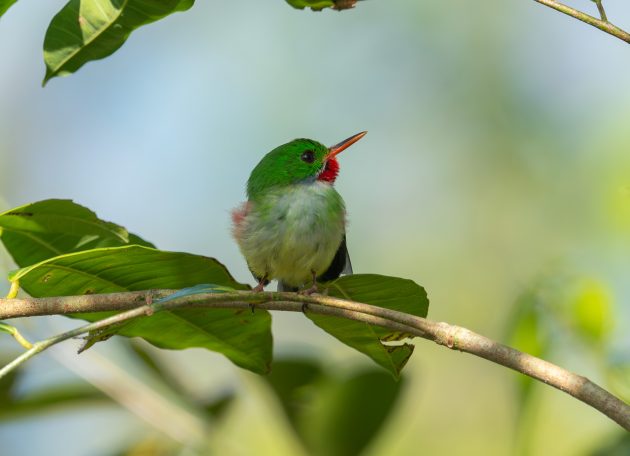
Although we had only six hours to bird and did not get far from the port, we saw 52 species, including about half of Jamaica’s endemic birds. We really enjoyed this stop and hope to be back for a longer stay.
For more information, check out my podcast episode about it.
George Town, Grand Cayman
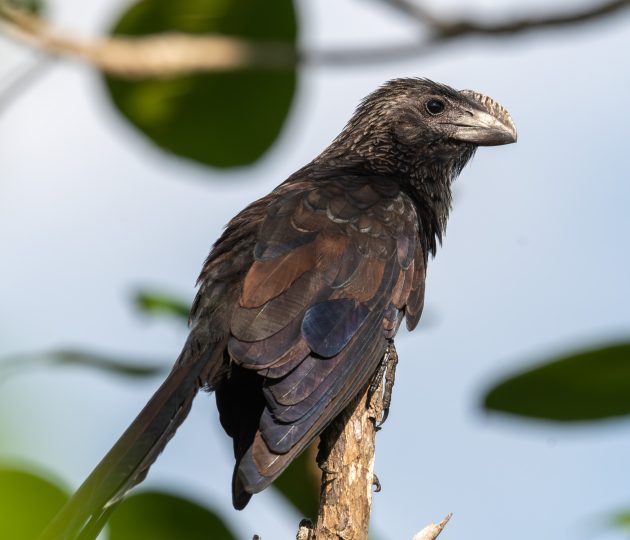
Geddes with Silver Thatch Excursions was our guide in George Town, Grand Cayman. He met us a few blocks away from the ferry launch, and we were off in search of the endemics. Our first stop was the Governor Michael Gore Bird Sanctuary, a short, narrow trail that leads to a gazebo overlooking a pond. It was slow, but we did have a group of Smooth-billed Anis and a pair of Cuban Amazons.
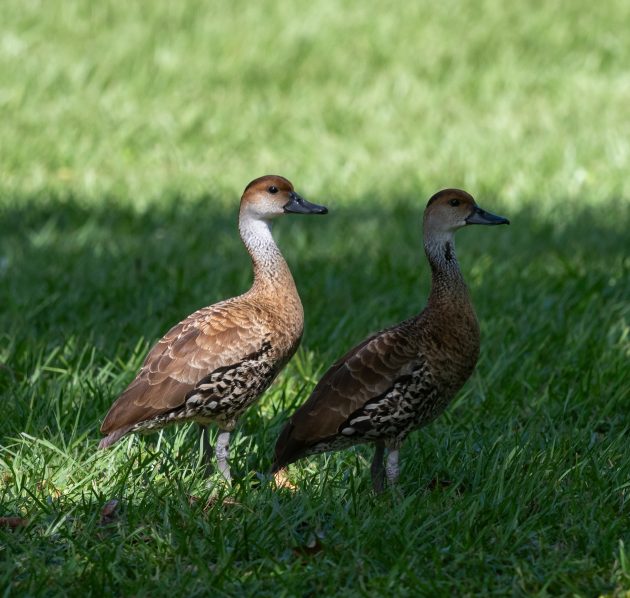
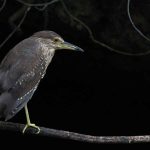
Next up was the grounds of the Mission House museum. We wandered down the boardwalk to the pond and had a Pied-billed Grebe and several Common Gallinule. Our goal was West Indian Whistling-Ducks. There is a road in between the two ponds, and after much searching, we found a single Whistling-Duck in the reeds. Success! The second pond had much more to offer with waders and a Black-crowned Night-Heron.
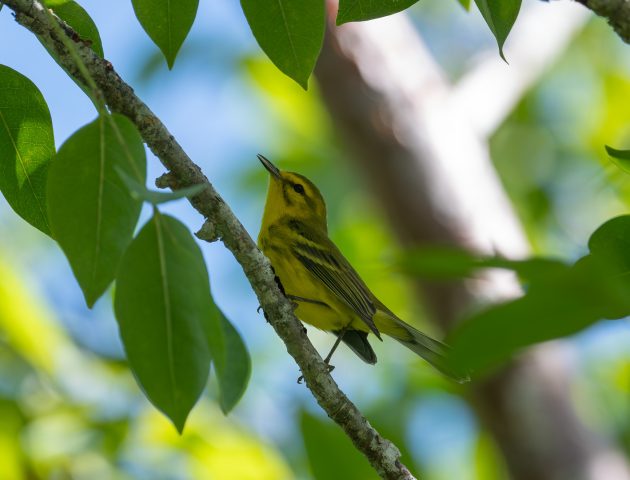
Our last major stop was the Queen Elizabeth II Botanic Park. We started off wandering around the entrance road to find calling Yucatan Vireos and Vitelline Warblers! A quick stop to the bathroom at the store helped us spot more Cuban Amazons and a West Indian Woodpecker.
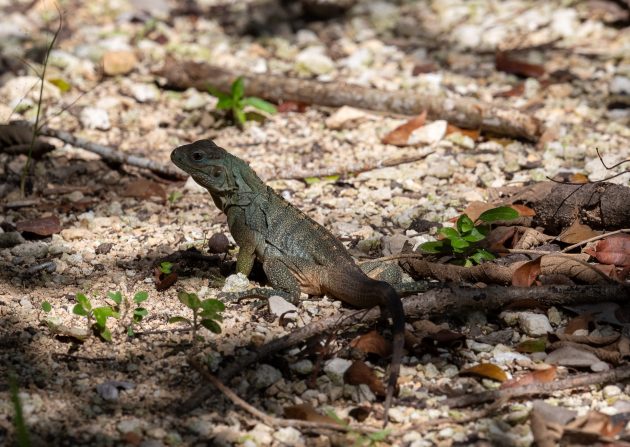
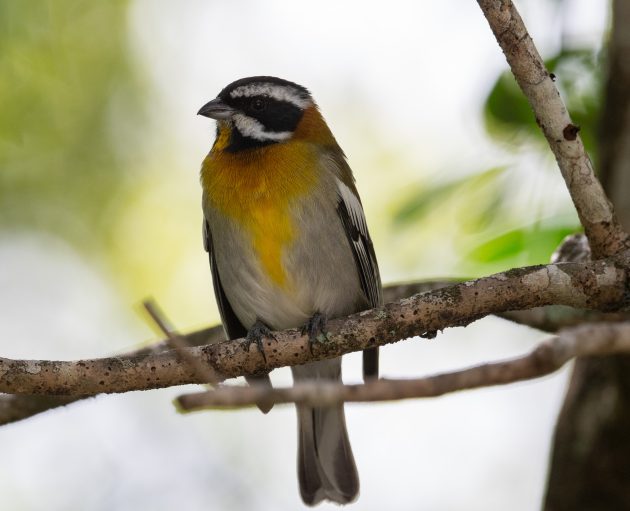
Geddes is familiar with this site, so we drove around to the back, where the nursery for the garden is. The pathways had several Blue Iguanas of all sizes. This species is critically endangered, but a breeding program has been in place to bolster the population. Also in the back was a Grand Cayman Bullfinch, Western Spindalis, and Caribbean Elaenia.
We ended up seeing all the species by early afternoon, so Geddes dropped us off back at the port so we could get back to the ship on time. Fortunately, we had a few extra moments to stop and grab a Cay Brew at Boobies Cayman, a brewpub near the port that highlights the efforts to spread awareness of the various booby (bird) species in the area.
For more information, check out my podcast episode about it.
Cozumel, Mexico
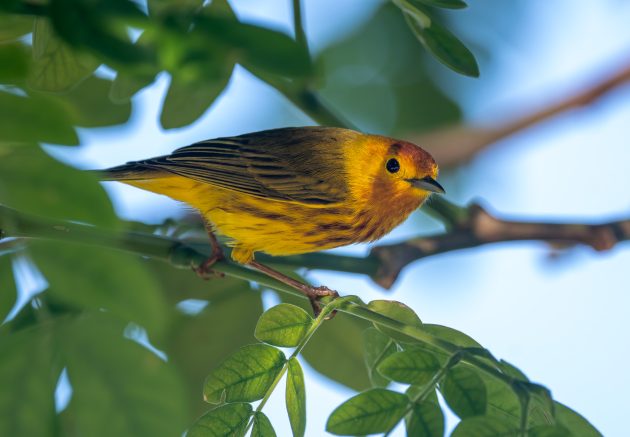
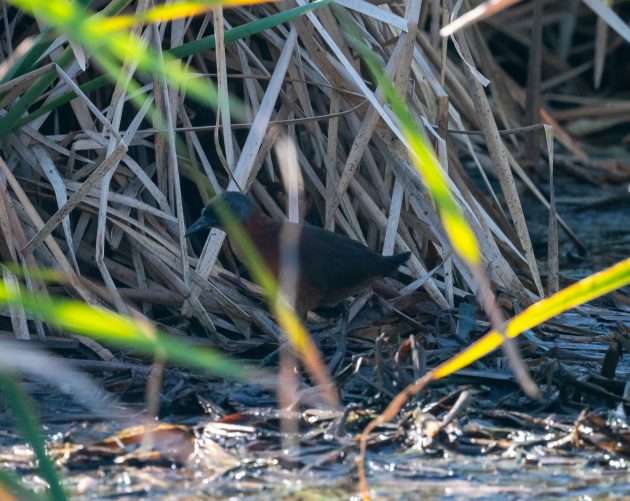
Cozumel has three endemic species that you gotta see: Cozumel Vireo, Cozumel Emerald, and Cozumel Wren. Luckily, they can all be seen within a few miles of the cruise port! We connected with Melba from Cozumel Birding Tours to take us around. She met us at the Starbucks just outside the port entrance and headed off. Our first stop was at the Wastewater Treatment Plant, a few miles away. The ponds were filled with Northern Jacanas, Black-necked Stilts, ibises, and other peeps and waders. The entrance road was treed, and we had a Cozumel Mangrove Yellow Warbler, American Redstart, and some Bananaquits. It was warm enough for the raptors to take off with Black and Turkey Vultures and a single Short-tailed Hawk. On the way out, we had a Ruddy Crake race back and forth in the vegetation.
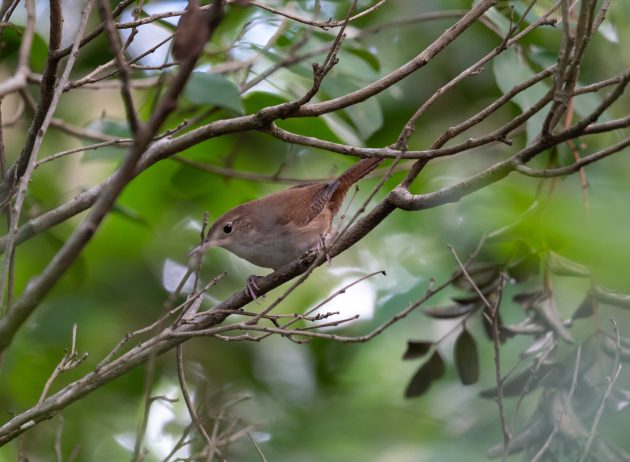
From there, we headed off to the Cozumel Planetarium, which has a pretty nice forest behind it. A Black Catbird greeted us in the parking lot, and off along the forest trail was a very vocal Cozumel Vireo trying to ward us off. Then, briefly, behind a chain-link fence, a Cozumel Wren darted back and forth deep in the brush, calling as it moved. Not the most satisfying look, but we had a better sighting later at a cenote.
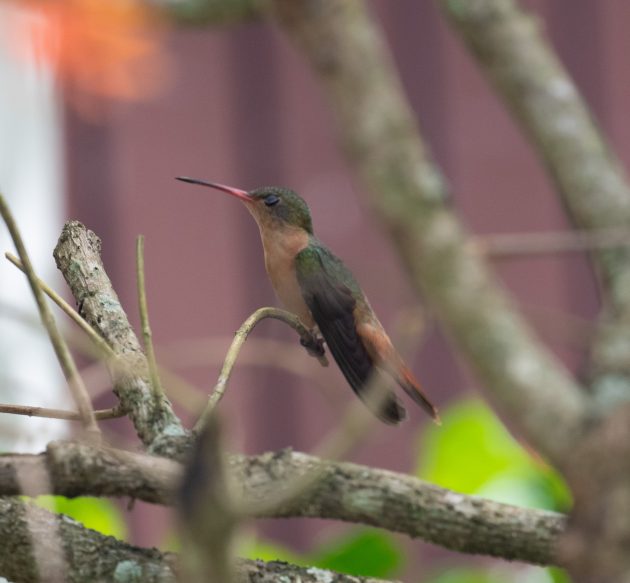
Across the main road from the planetarium is Calle Jicama, a neighborhood with abundant vegetation, large lots, and some undeveloped land. We wandered around this neighborhood for a couple of hours, stopping for feeding flocks and hummingbird feeding in flowers, including the Cozumel Emerald! Empty lots hosted migrating warblers, Northern Parula, Magnolia Warbler, Yellow-throated Warbler, and more. Finally, at the back of the development was a house with a flowering tree and a Cinnamon Hummingbird defending it!
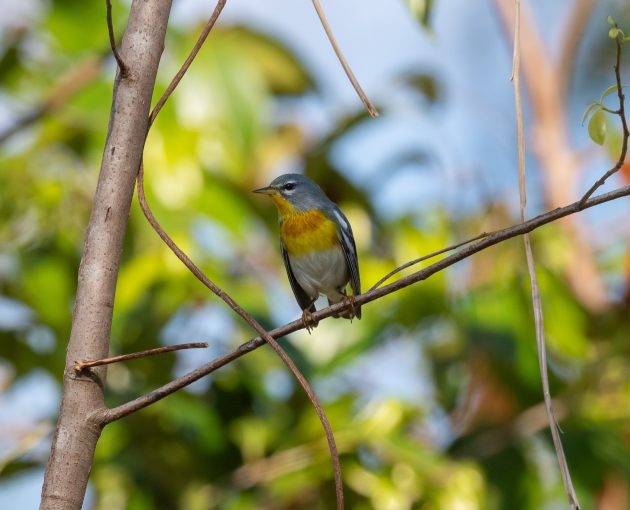
We found our lifers and headed back to the port. We said goodbye to Melba and headed off for celebratory beers at the only microbrewery in Cozumel, Cerveceria Punta Sur.
For more information, check out my podcast episode about it.
I have written before about heading off on cruises, and I totally understand that it is not for everyone. This type of vacation is a good option when traveling with family, since there are so many things to do and places to go!



The idea of a Caribbean cruise wedding sounds pretty chill. How did you handle the wind during the ceremony?
I love this idea. I’m trying to plan a cruise with my serious birder wife and I want to make sure to maximize quality birding time. Did you just directly contact the folks on the list? Alas, many of the countries we are looking at aren’t there, but a couple are (including Ocho Rios, which looks lean around the port).
Also, any sense of cost would be helpful for planning. You could email if you don’t want to post.
Thanks for sharing this!