

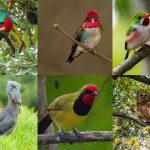
This is bad news for Northern Cardinals and European Robins but perhaps good news for humans suffering from eye trouble, as the research may lead to a better understanding of what causes cataracts.

Corey is a New Yorker who lived most of his life in upstate New York but has lived in Queens since 2008. He's only been birding since 2005 but has garnered a respectable life list by birding whenever he wasn't working as a union representative or spending time with his family. He lives in Forest Hills with Daisy and Desmond Shearwater. His bird photographs have appeared on the Today Show, in Birding, Living Bird Magazine, Bird Watcher's Digest, and many other fine publications. He is also the author of the American Birding Association Field Guide to the Birds of New York.







Interesting…I wonder if the female Belted Kingfisher is at a slightly higher risk of cataracts than the male.