

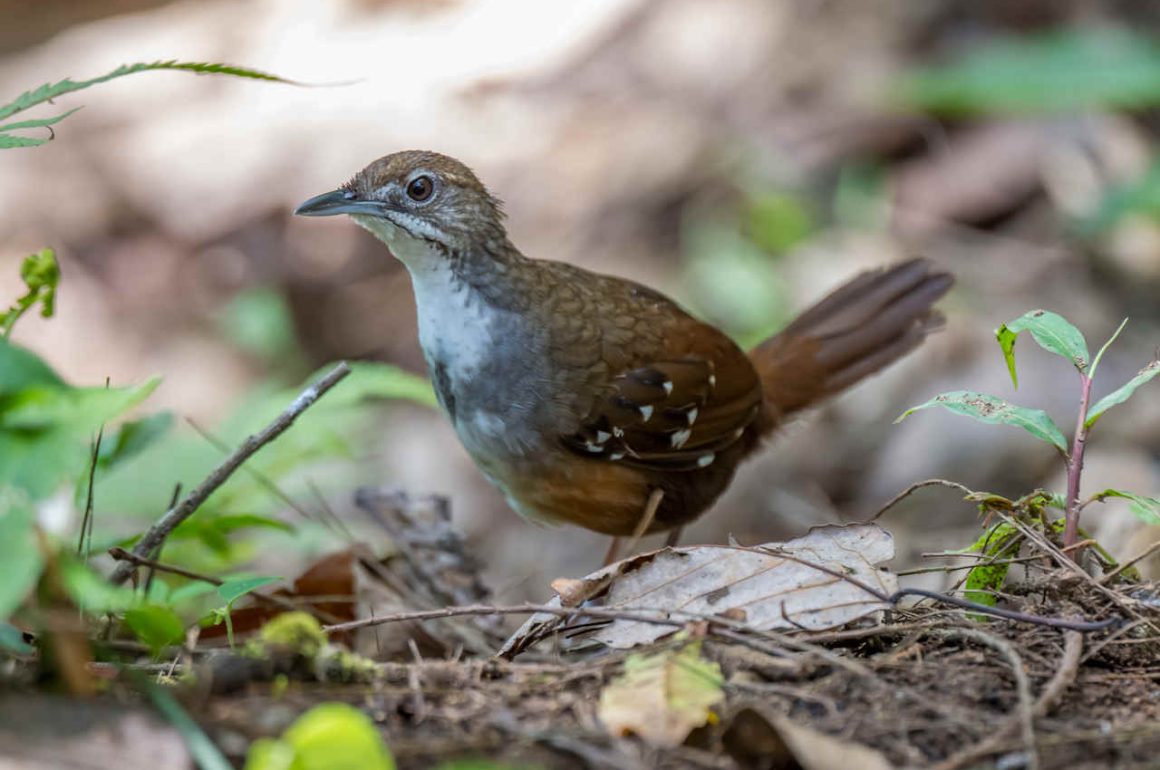
I learned from Irene Dy, my knowledgeable guide during my visit to the Philippines, that Infanta Road got its initial fame from bikers. Apparently, Infanta Road (Marilaque) is famous among motorcyclists as Manila’s closest mountain twisty + scenic endurance ride combo, with a strong rider culture and a reputation for being both fun and dangerous.
As a somewhat timid birder who thinks that even driving a car is dangerous enough, this background information did not add to the appeal of this birding location. But the birds at two hides did.
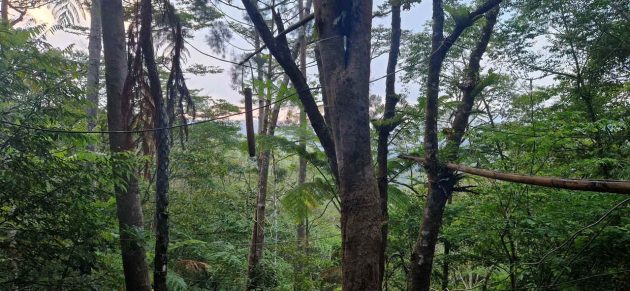
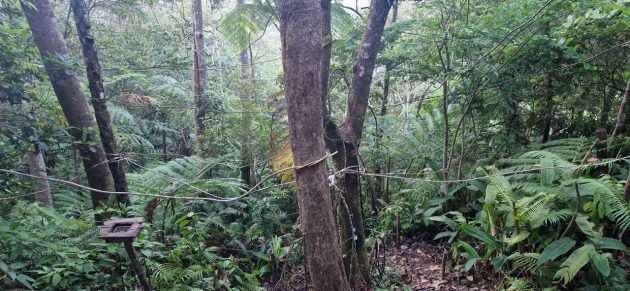
Fun fact: the hostel primarily used by birders at Infanta Road does not have WiFi yet – but just one hundred meters away, there is a small kiosk which provides coin-operated WiFi internet access. You just need to find a local young person to explain how it works to you, and insert a coin. Never seen that before.

But back to the hides. Of the birds I do not mention in dedicated posts (such as the Spotted Wood Kingfisher), my favorite was the Philippine Fairy-bluebird.
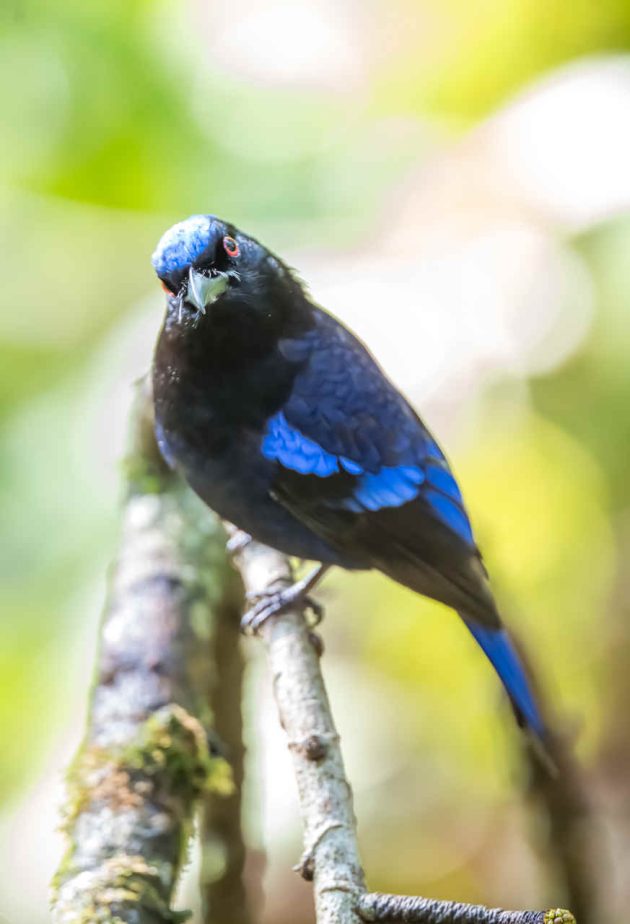
It is listed as Near Threatened, which may be an understatement, given this note in the HBW: “Has declined; ranges of all races have contracted and become fragmented owing to extensive habitat loss from deforestation. Should probably be accorded conservation status of Near-threatened, if not Vulnerable.”
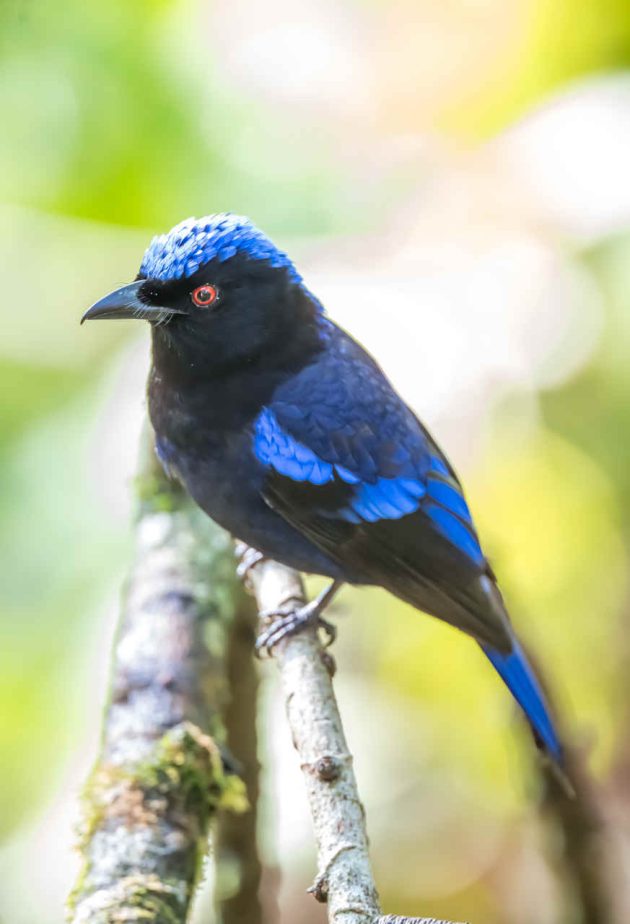
It has one of the more beautiful scientific names I have read so far, Irena cyanogastra. While Irene is the goddess of peace and plenty in Greek mythology, the cyanogastra indicates that its belly is dark blue.
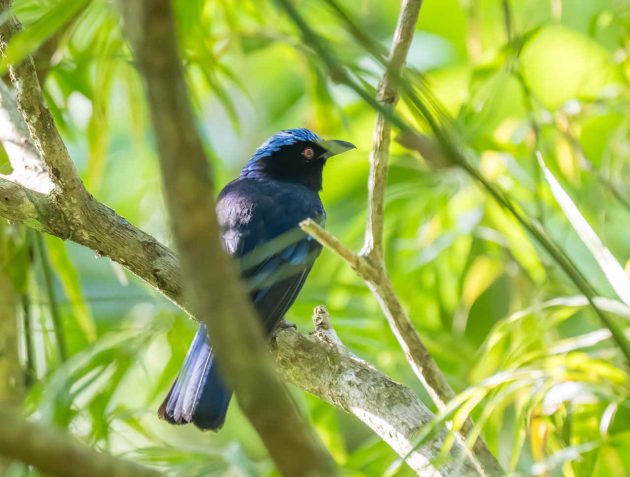
I was lucky for the bird to come to the hide – I had seen several fairy bluebirds in the past, but usually only from a distance, as they forage mostly in the canopy, and this also applies to the Philippine Fairy Bluebird.
It is probably not a politically correct statement, but I found the Philippine Bulbul to be much less interesting.
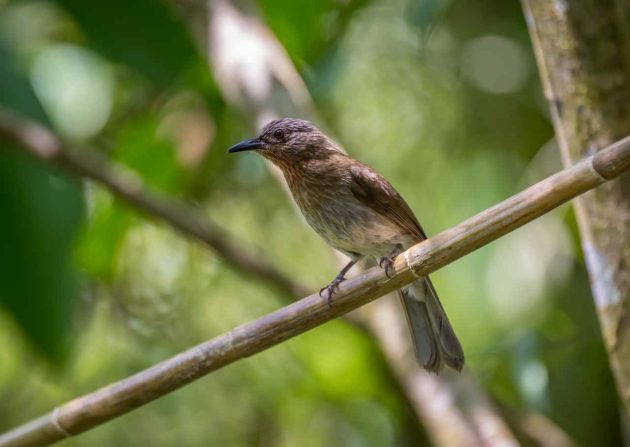
It is a very common bird, which means there are also more papers on the species, though some of these papers have less than inviting titles: “Profound population structure in the Philippine Bulbul Hypsipetes philippinus (Pycnonotidae, Aves) is not reflected in its Haemoproteus haemosporidian parasite”, anyone?
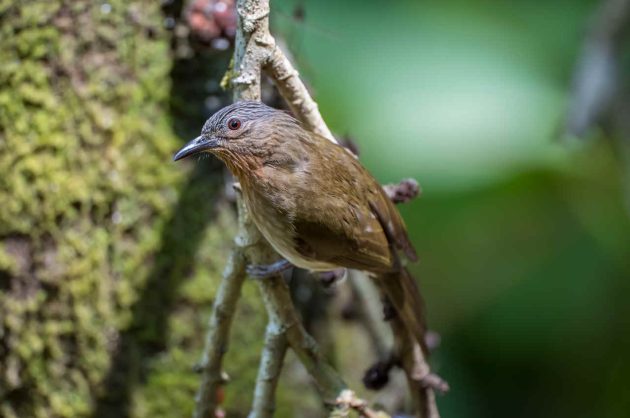
As a very common bird and fruit eater, it is also among the most important seed dispersers in its region, even though less than 9-22% of fruits eaten are carried away from the source tree in the bird’s beak (source).
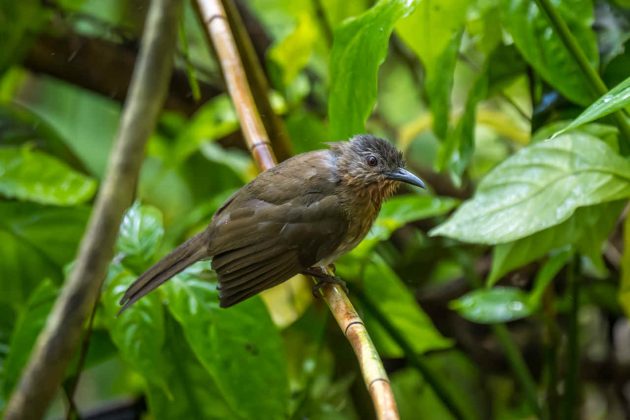
Another bulbul, the Yellow-wattled Bulbul, looks more interesting.
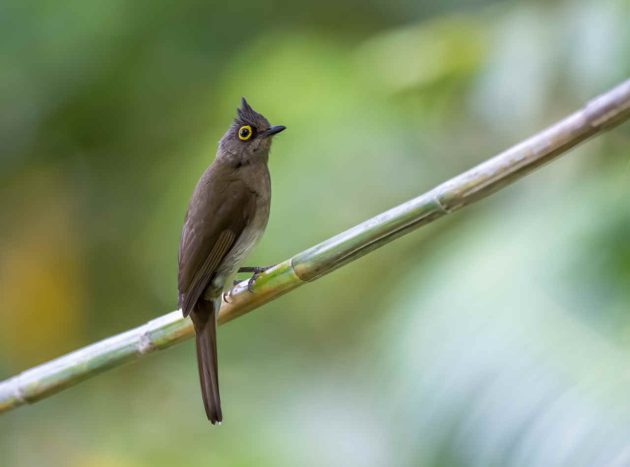
The photo below provides an explanation for the scientific name Microtarsus urostictus (“spotted-tailed”) …
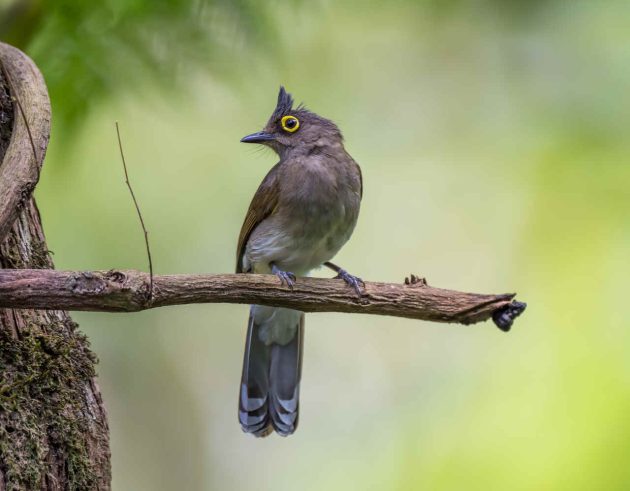
… though I am a bit baffled as to why the seemingly much more prominent chrome-yellow bare eyelids (“wattles”) did not make it into the scientific name.
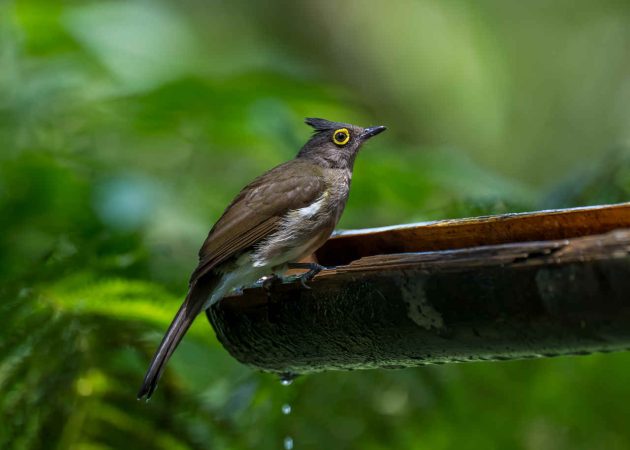
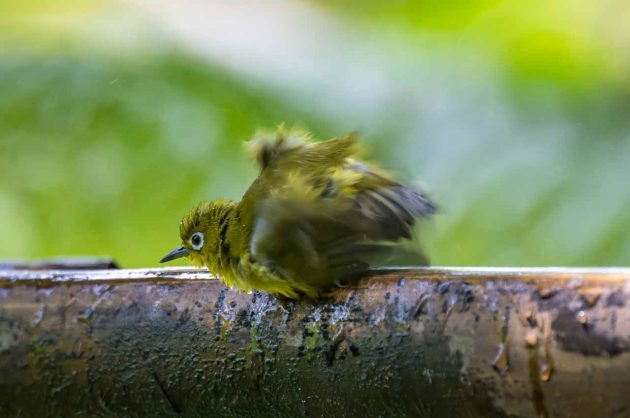
This feature provides a good transition to the Yellowish White-eye with similarly characteristic features …
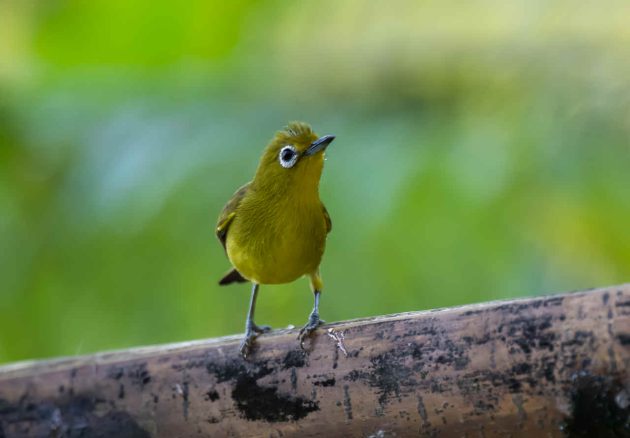
… though “yellowish” must be one of the weakest adjectives ever to characterize a white-eye.
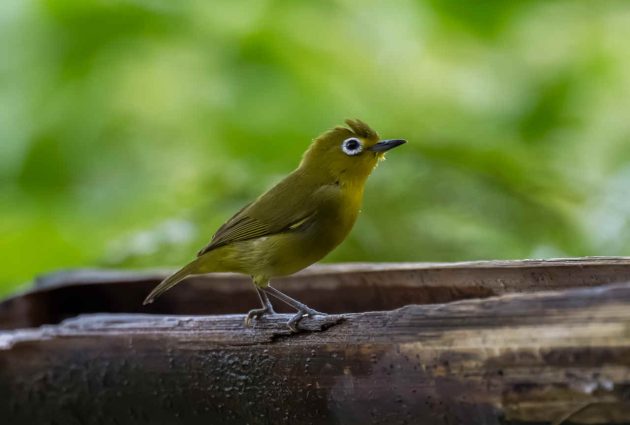
The scientific name Zosterops nigrorum would have no chance to survive as a common name – nigrorum means “of Negros, Philippines,” as the island was named Isla de Negros by the Spaniards because of its dark-skinned inhabitants (source: HBW).
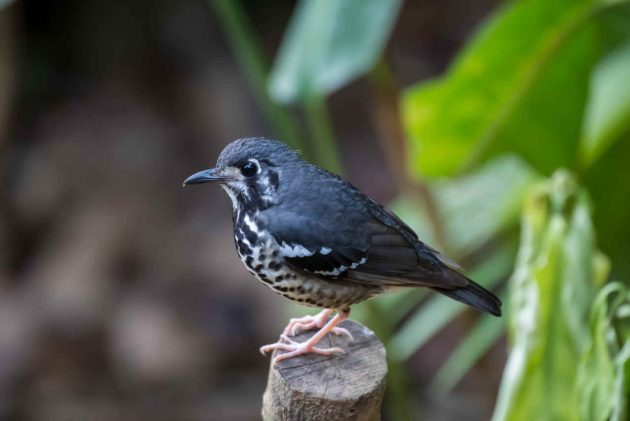
While I have to admit not getting too excited about seeing an Ashy Thrush – to me, it simply looks too much like other thrushes seen elsewhere – …
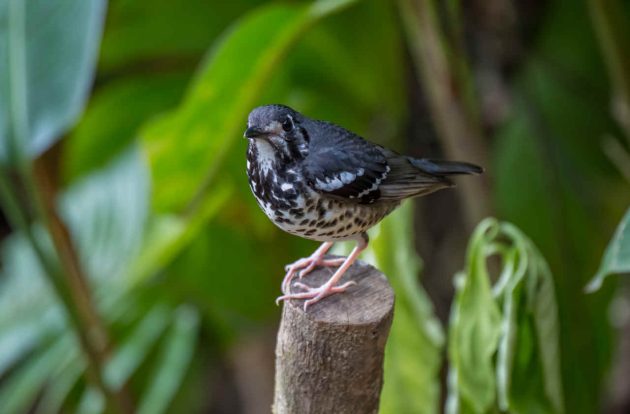
… it is the rarest and most endangered species mentioned in this post (listed as Vulnerable).
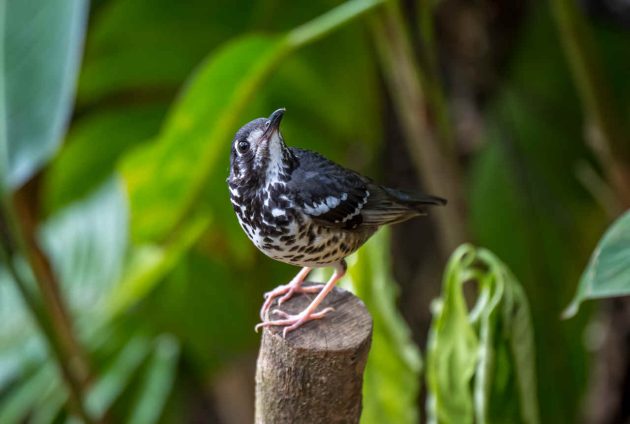
And the statement in the HBW about “Trapping of migrant birds at Dalton Pass for food and as pets may also adversely affect population” also sounds grim.
The White-browed Shama is more or less a Luzon endemic, as indicated by its scientific name Copsychus luzoniensis.
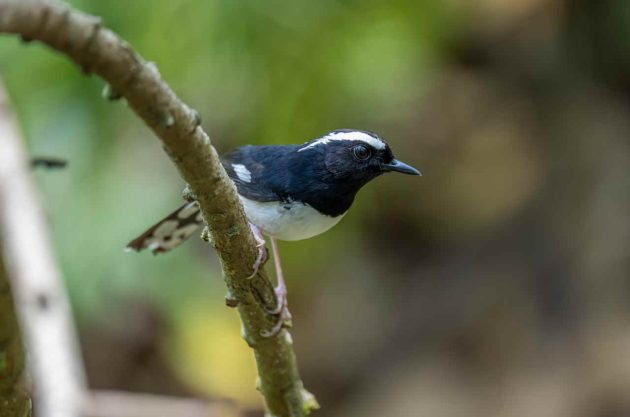
For those birders like me with a rather limited attention span for details, it is confusing that this is one of four shama species with the word “white” in its common name (there are also White-rumped, White-crowned, and White-vented).
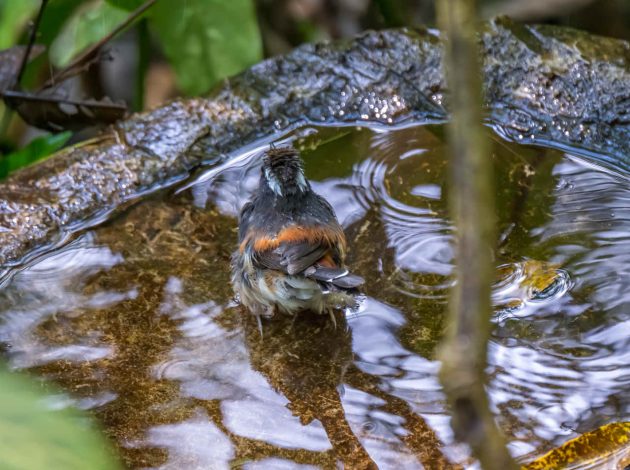
The male has a black crown, while the crown of the female is brownish.
The Elegant Tit is another endemic to the Philippines.
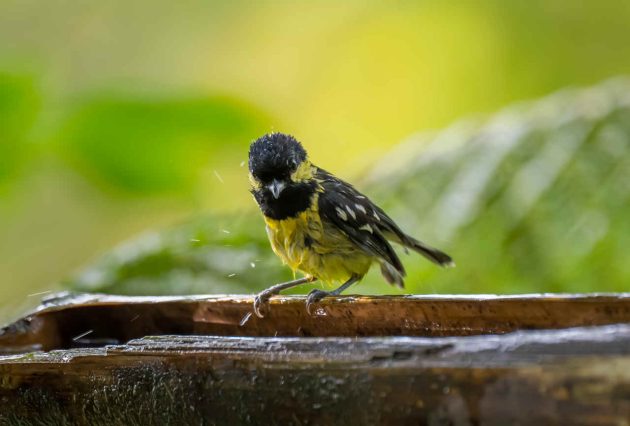
Fortunately, it is a fairly common bird that seems to be able to persist in suboptimal habitats.
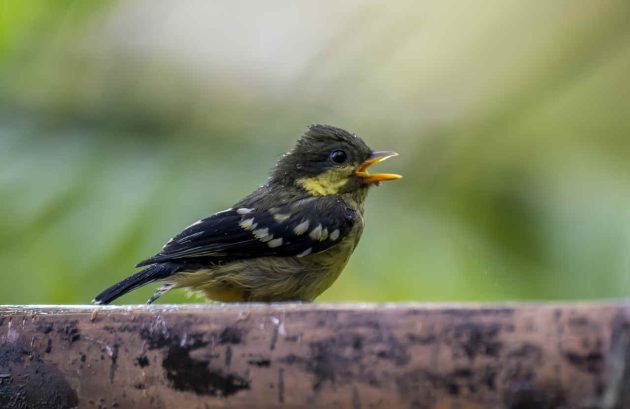
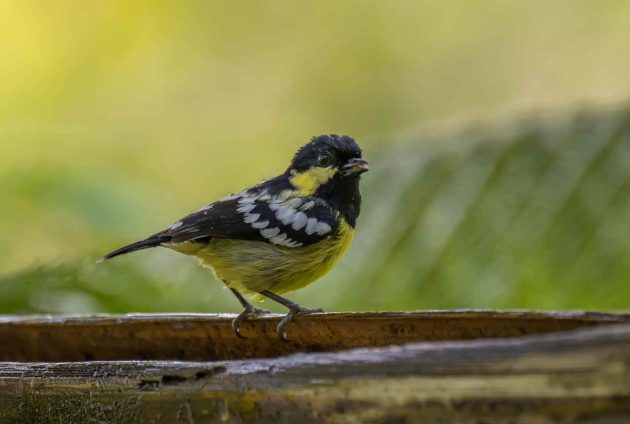
The HBW entry on the species lists about 13 minor differences between male and female birds, none of which seem to allow me to clearly differentiate between the sexes. Maybe the bird above this text is a female and the one below a male. Assuming neither is a juvenile.
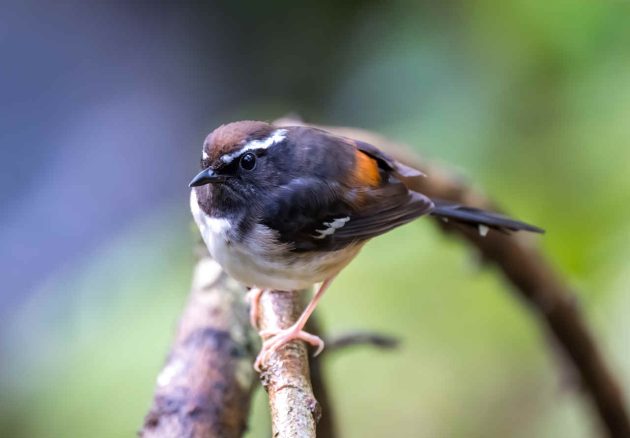
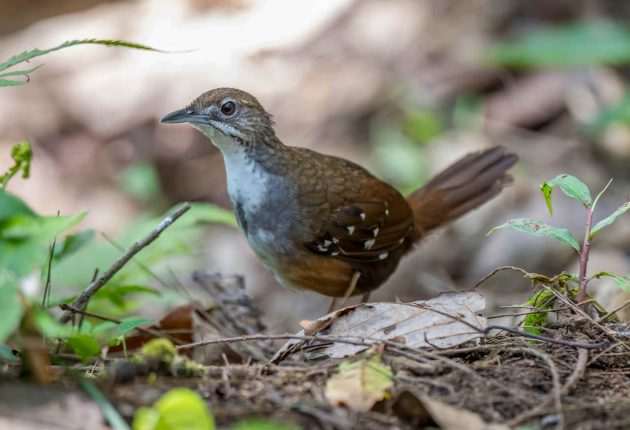
The Bicol Ground Warbler – despite being fairly rare – was downlisted from Vulnerable to Near Threatened in 2015. I wonder whether the species celebrated or mourned the downlisting.
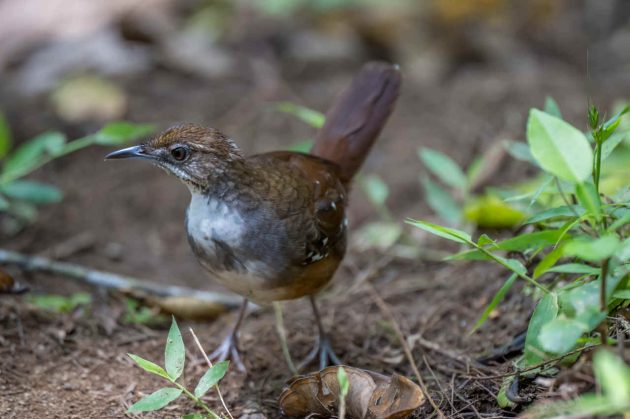
Unfortunately for the storyteller in me, the scientific name Robsonius sorsogonensis does not refer to some interesting Greek myth but just to the province of Sorsogón in Luzon.
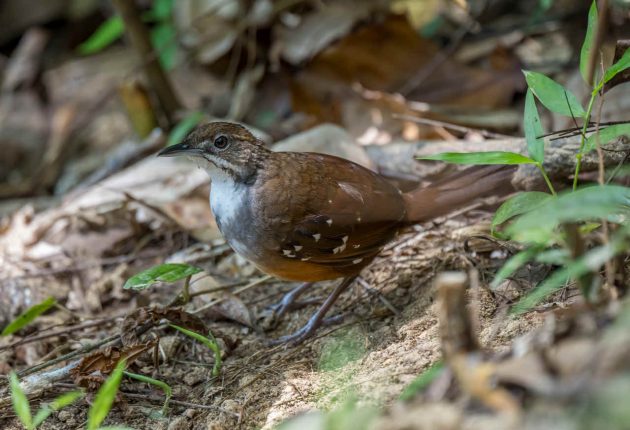
In a more imaginative reading, one might hear in Sorsogonensis an echo of an older, half-forgotten word: “Sorsogon,” the land of the Sorsogones, a people said in coastal myth to dwell where the forests of Luzon press down to the sea. Sailors spoke of them only in fragments—of voices carried over mangrove water at dusk, of shapes moving between shore and shadow, and of a small, elusive bird that never appeared twice in the same place. It was said that those who tried to follow it inland would find themselves subtly turned around, not by malice but by a kind of gentle misdirection, as if the landscape itself preferred not to be fully known. Like Odysseus’ encounters with the sirens or the lotus-eaters, the story is less about danger than about disorientation—the way a name can sound like a place of myth even when it turns out to be, quite simply, geography. (Yes, ChatGPT, but not too bad, I think)
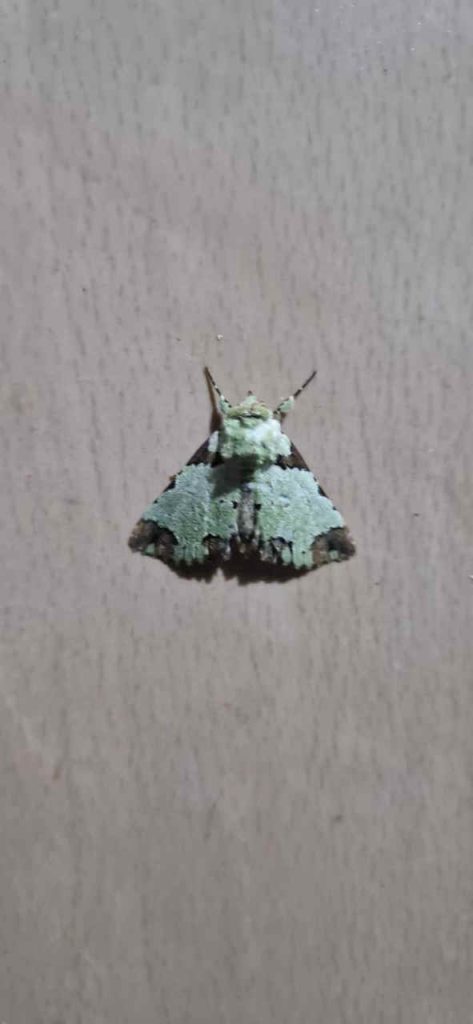
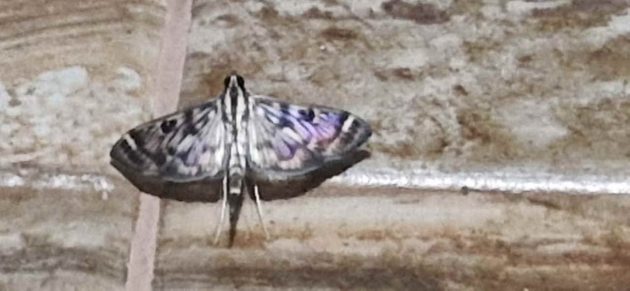
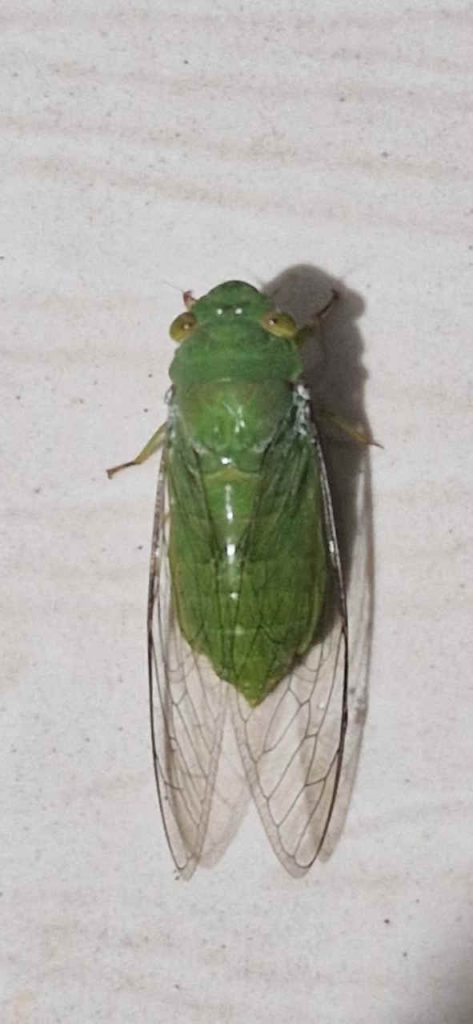
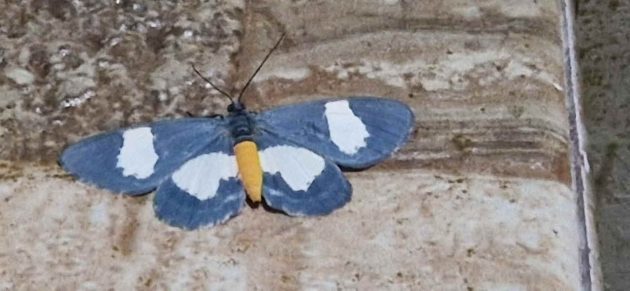
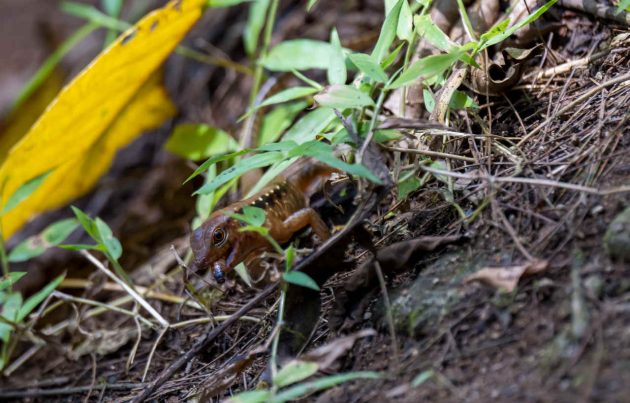
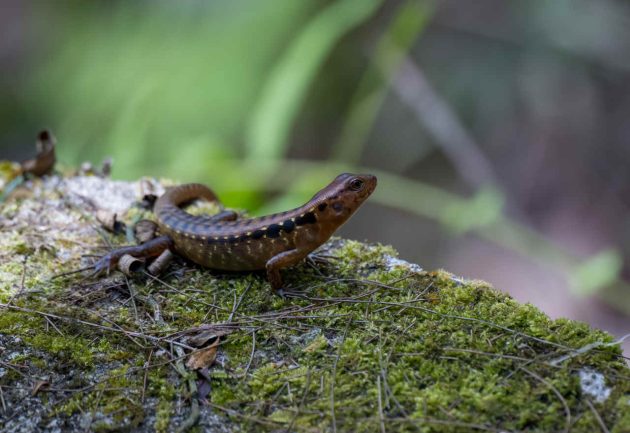
Finally, the notorious “Other” section. In which photos of several non-bird organisms are shown without further comment or particular excitement.


And as that one is not really a good ending, here is a better one – a music recommendation, somewhat more mainstream than my usual ones. With the added benefit that the song title is also the name of a great band.









Leave a Comment