
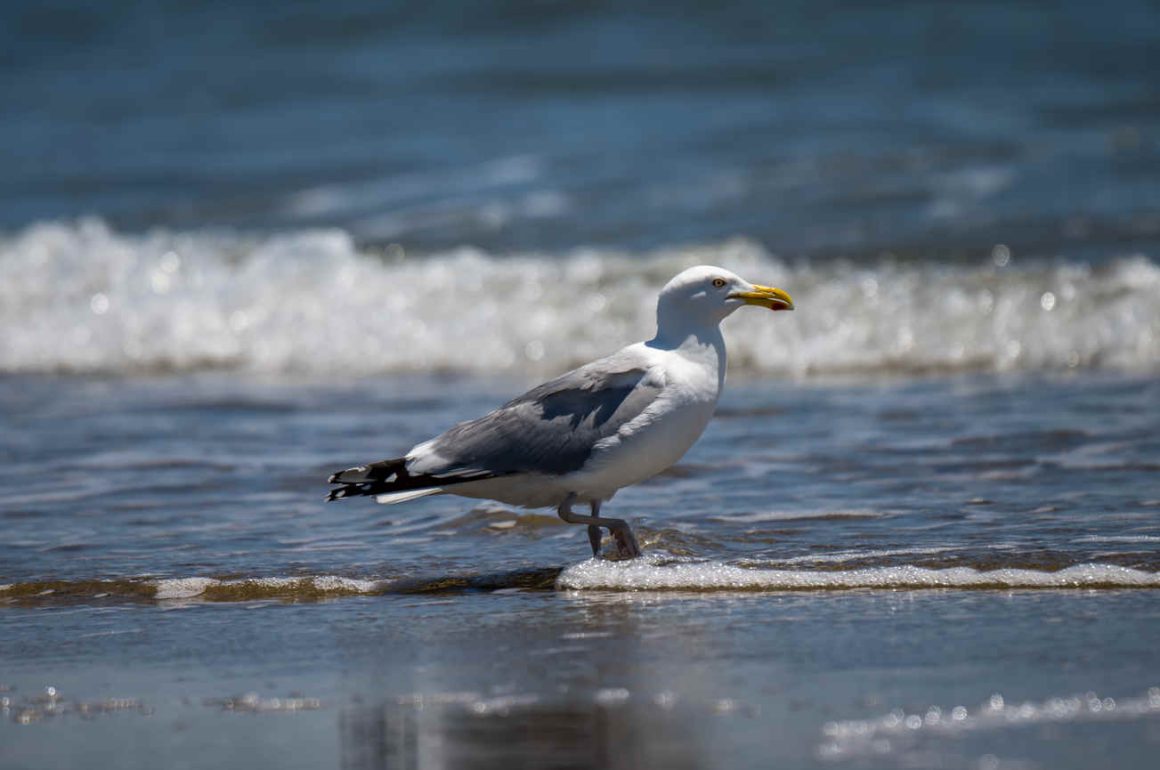
Gulls (“seagulls”) do not exactly have the best reputation. In its profile of the American Herring Gull, the HBW apparently proactively tries to overcome this issue by initially pretending it does not exist:
“The American Herring Gull is an attractive bird that adds to the scenic beauty of aquatic environments.”
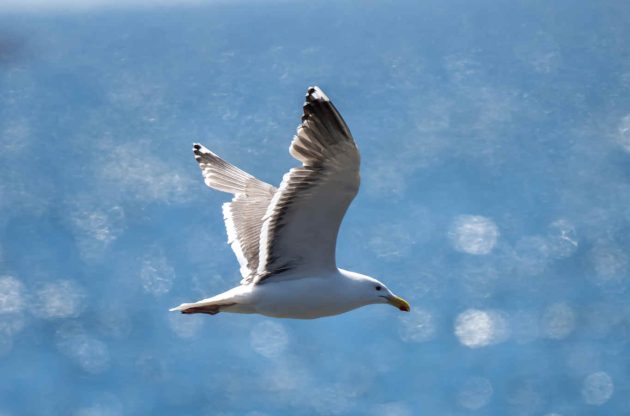
However, the HBW then gets a bit more real …
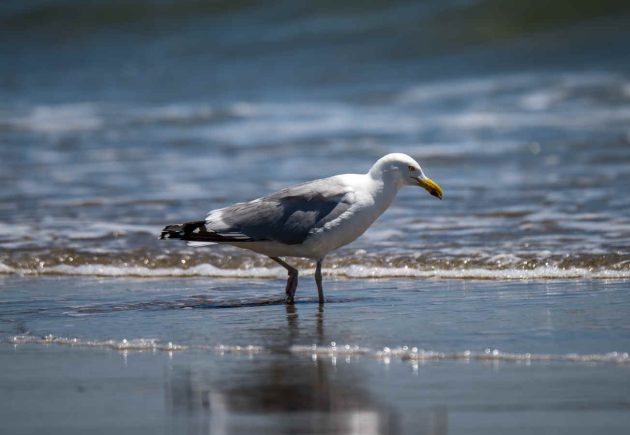
“Yet these birds often have a negative public image and are typically associated with garbage dumps and attempts to steal food from tourists. They also defecate where they congregate on the waterfront, which is considered to be unattractive” …
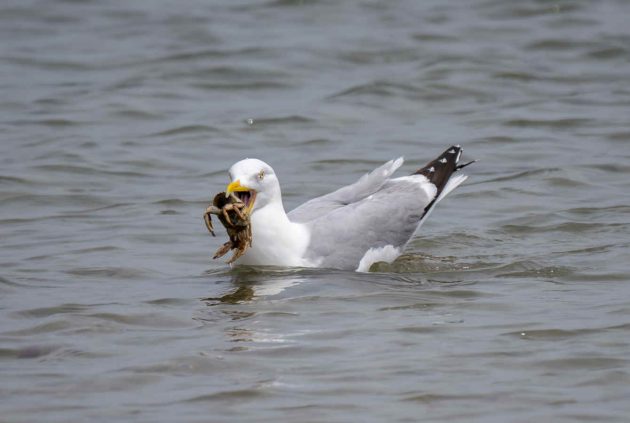
… before switching into the inevitable and true, but also rather boring, holistic view “From an ecological perspective, gulls are important members of aquatic ecosystems”.
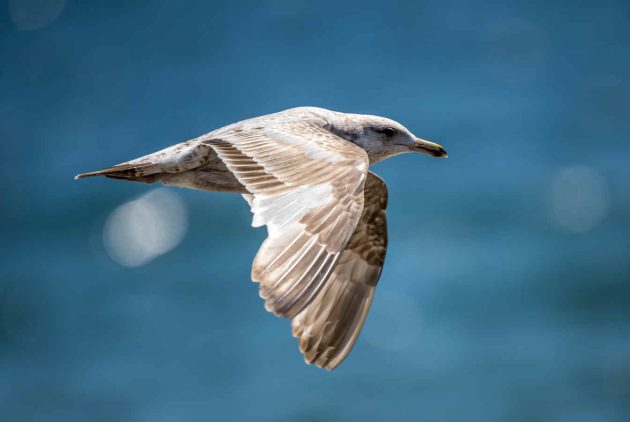
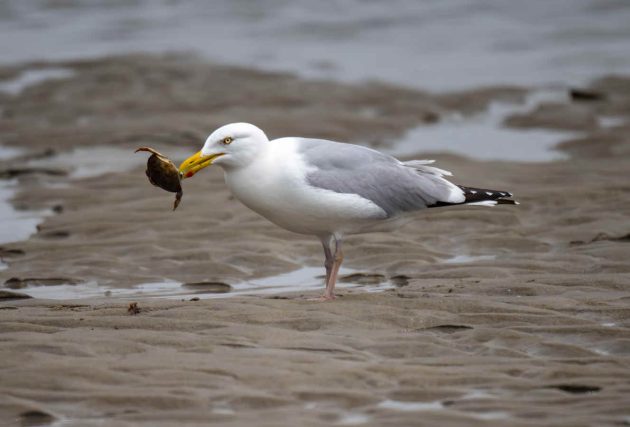
They steal Korean BBQ burgers from people in places like Bristol (source) …
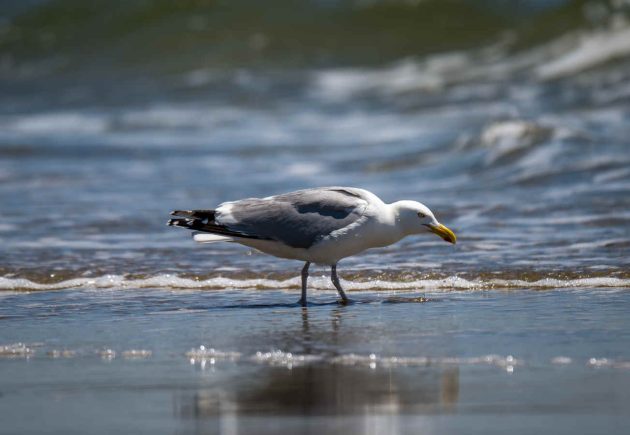
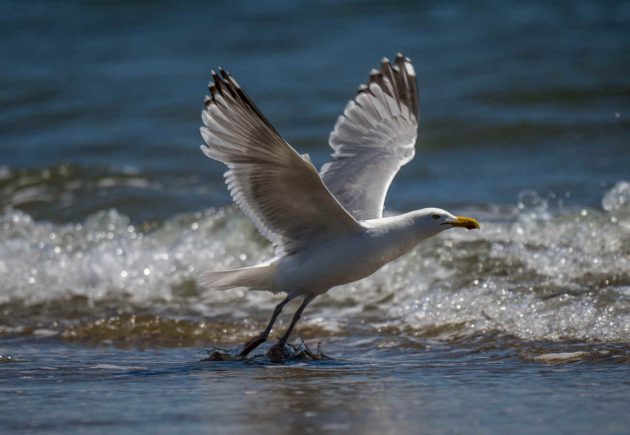
… but others live on a more natural diet, such as this one in Maine.
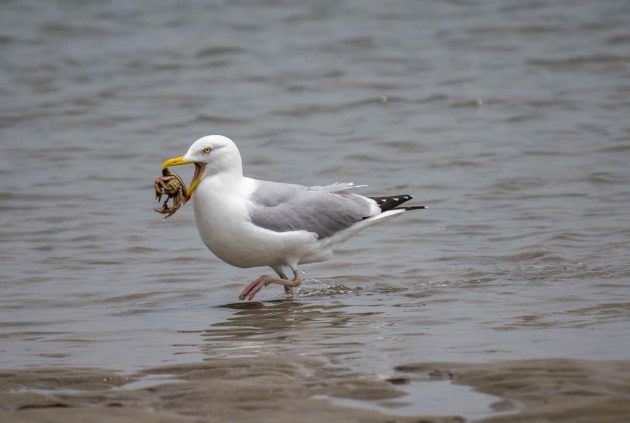
Their catholic food selection also makes them a good model for analyzing plastic pollution. One study in Quebec found that 50 % of Herring Gull pellets contained debris, of which 80 % contained plastic.
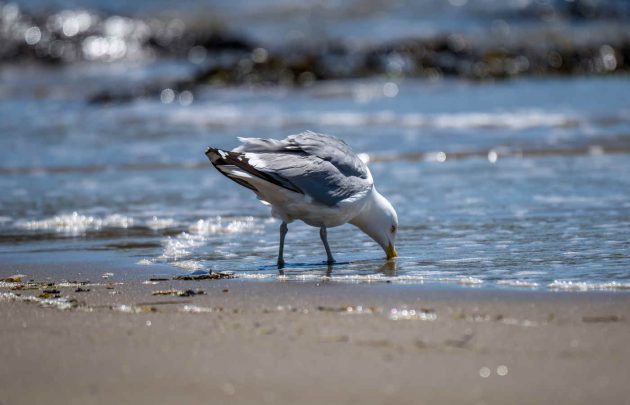
What do these gulls do during a total solar eclipse? Apparently, like most other birds, they are tricked into believing the day is over, though they get back to their normal diurnal activities once the eclipse is over.
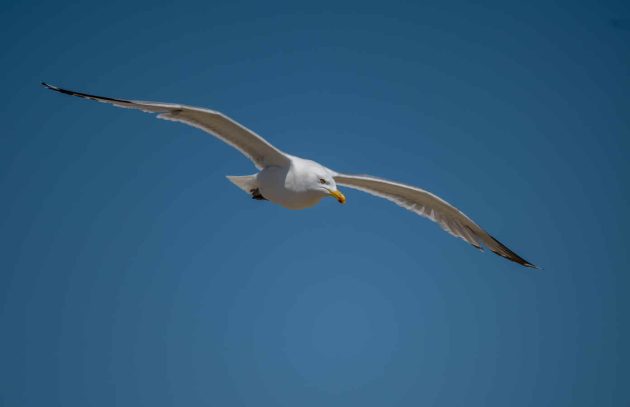
While this sounds fairly ordinary for a bird, the HBW insists they are not just that:
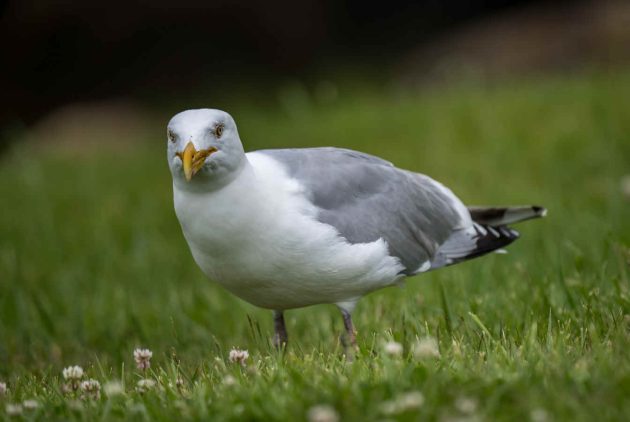
“The American Herring Gull is more than just a bird; it is woven into the fabric of human culture through folklore, art, and its role in the environment. Its symbolism reflects both the beauty and the challenges of the natural world and our relationship with it.”
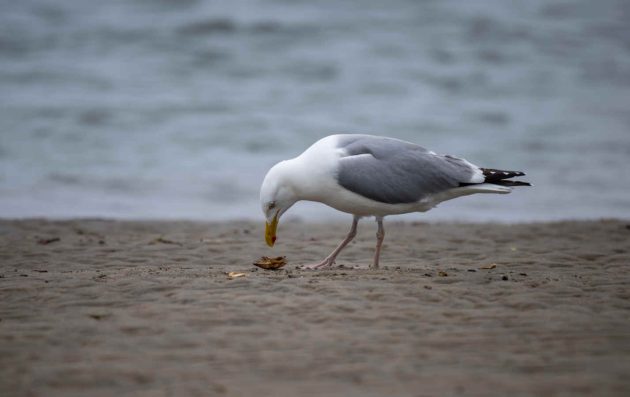
Quite some responsibility for a bird to carry while stealing burgers.





Leave a Comment