

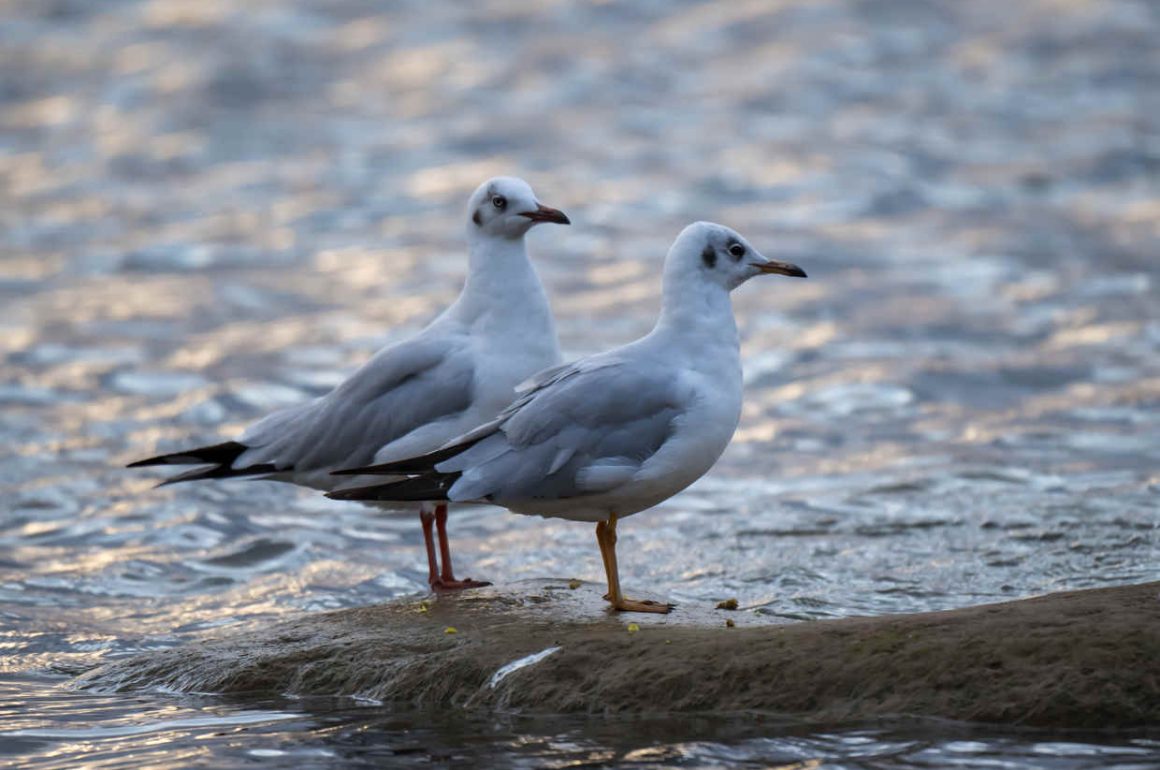
Why put these two species together in one post?
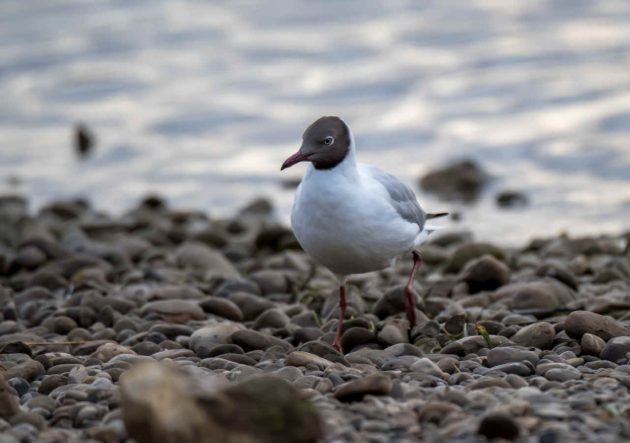
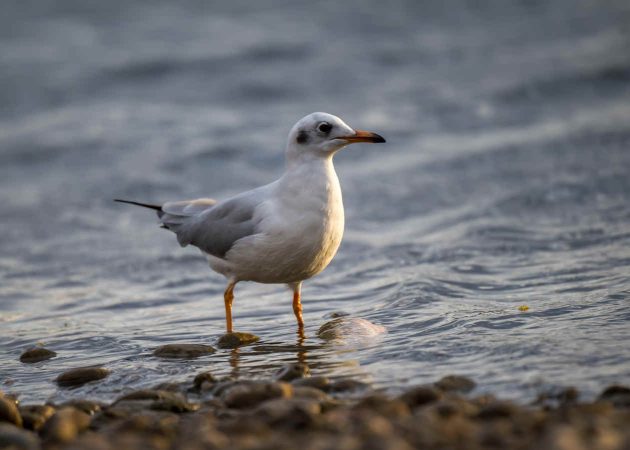
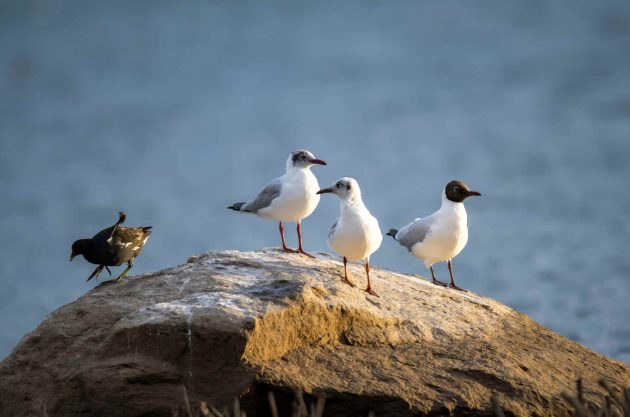
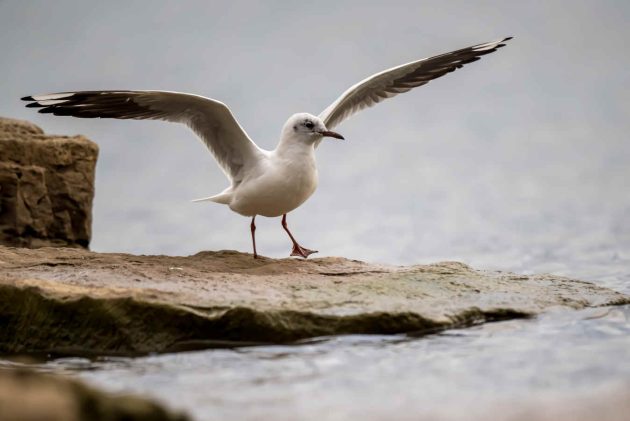
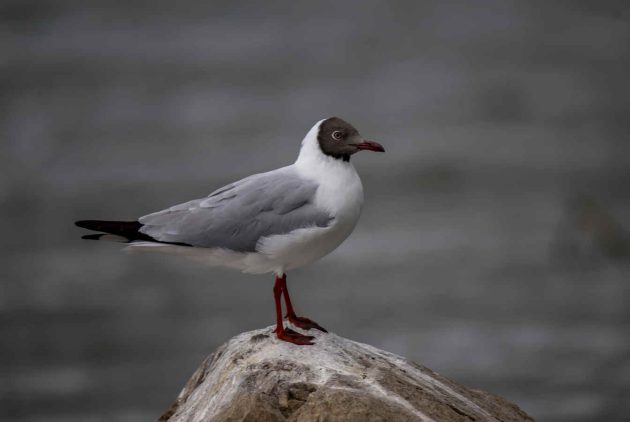
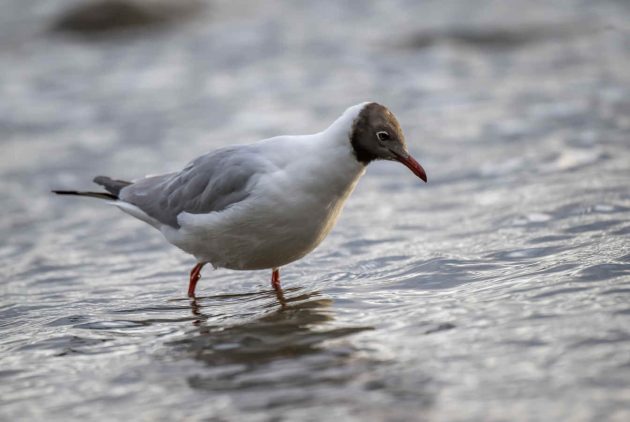
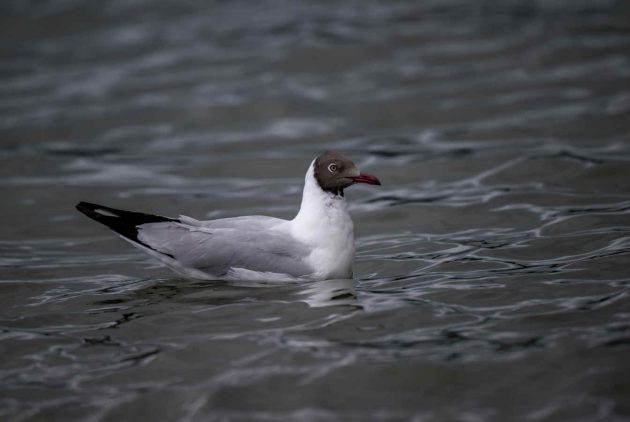
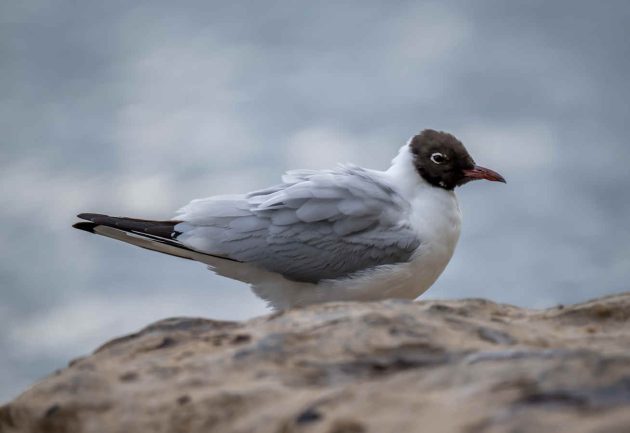
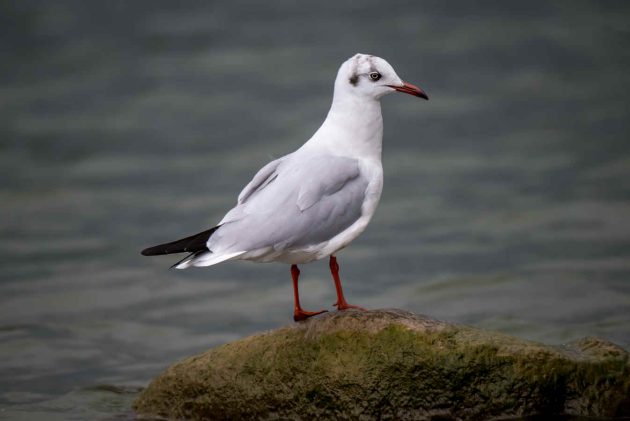
One, because they look similar. Confusingly, their heads are either brown(ish) or (mostly) white – never truly black. Thus, the names of the two species (said he despairingly). In a remarkable show of honesty, the HBW states that the Black-headed Gull is “distinguished from slightly larger but very similar Brown-headed Gull (Chroicocephalus brunnicephalus) by largely white leading edge to wing, lacking black wingtip with white subterminal spots” – which frankly does not sound like a convincing differentiation to me.
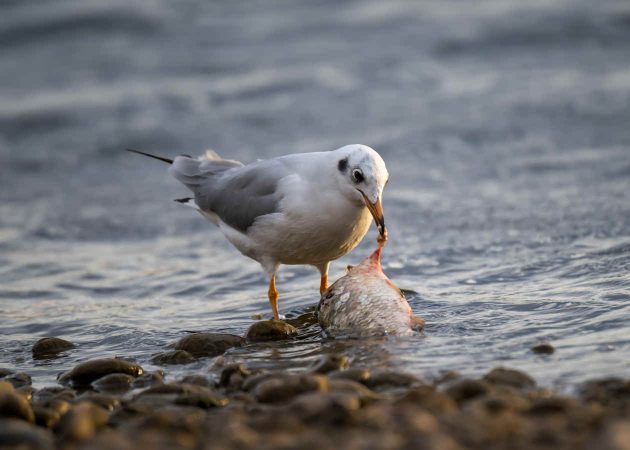
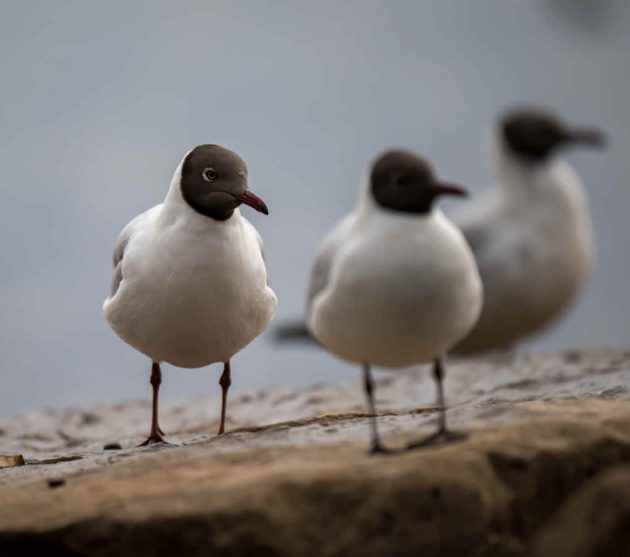
Two, because they often associate with each other (which does not really help with identification).
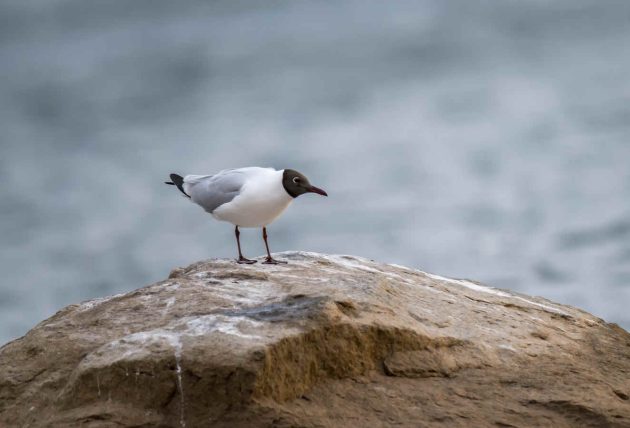
Third, because I saw both of them together at Dali, Yunnan, in March 2026.
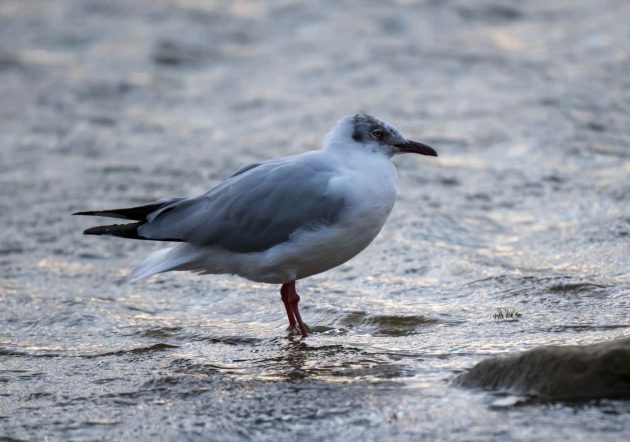
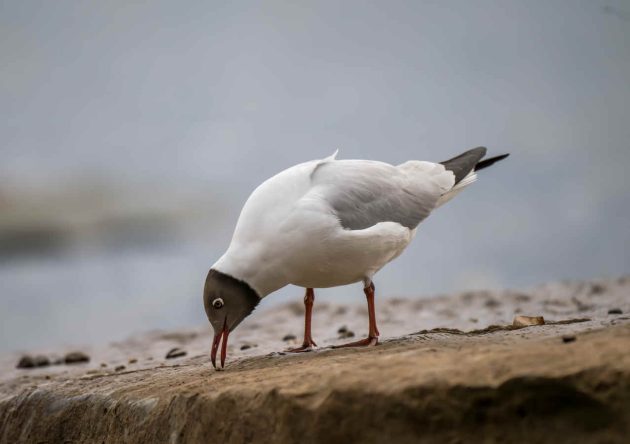
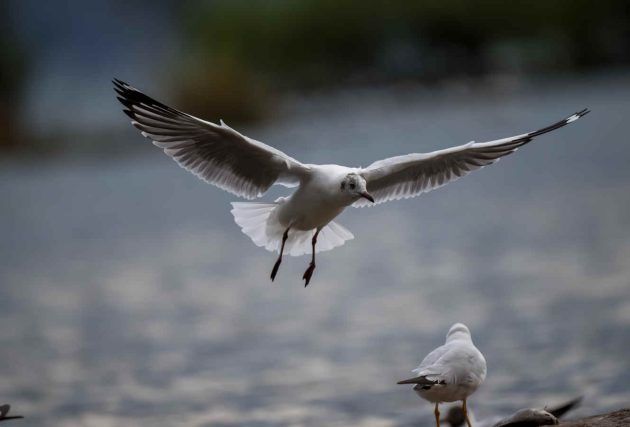
And personally – and with the help of writer colleague Peter – I now think that the eyes are the easiest way to distinguish the two gulls. Black, looking like a teddy bear: Black-headed Gull. White pupils, looking like a dubious second-hand car dealer: Brown-headed Gull. Of course, the latter species will probably sue me for discrimination for this characterization.
At least there is quite a bit of scientific literature on both species.
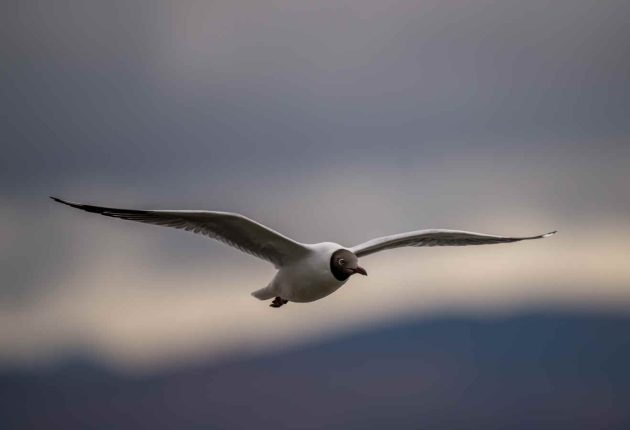
The scientific name Chroicocephalus ridibundus of the Black-headed Gull makes this a “laughing” bird – presumably laughing at you for having your food stolen by the gull?
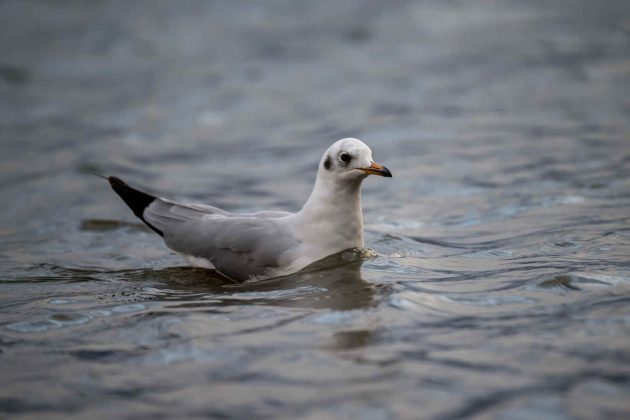
One study found that urban Black-headed Gulls in Kunming, China, already exhibit signs of domestication, such as actively approaching humans to beg for food.
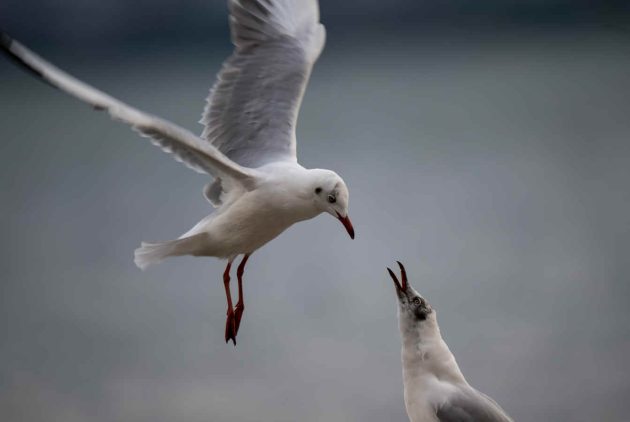
Another research result – which sounds a bit too obvious to be really interesting – is that Black-headed Gulls prefer food types most likely to be found in their immediate environment. Kind of the equivalent of saying that an Italian prefers pizza to sushi (yes, I know, stereotypes – but as The Onion pointed out long ago, stereotypes are real timesavers).
What comes to your mind if you hear the city name Kharkiv? If you are similar to me, probably something about evil Putin, the war in Ukraine, and the erratic and unreliable support of the US for Ukraine. But Kharkiv is also at the center of a study on Black-headed Gulls using man-made areas of wastewater treatment facilities to compensate for the reduction of natural wetland habitats.
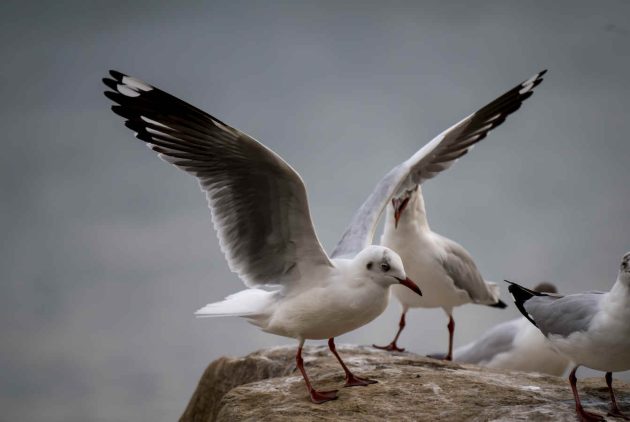
Meanwhile, some Brown-headed Gulls are a bit more adventurous. Wintering in Sri Lanka, two crossed the Himalayas through Nepal on their northward journey at a height of about 5700 meters, covering a total of 3200 km on a weeklong journey (source).
A paper in Emu talks about Brown-headed Gulls in the headline, but then later refers to Brown-hooded Gulls, which apparently are the ones actually meant. A somewhat embarrassing mistake in an ornithological paper, and one that made me think for a moment I could amuse the readers of this post with stories of kleptoparasitism. It was not meant to be.
You might think that differentiating Black-headed and Brown-headed Gulls is enough of a challenge. Apparently not for everyone. A paper claims to identify a hybrid between a Brown-headed and a Slender-billed Gull.
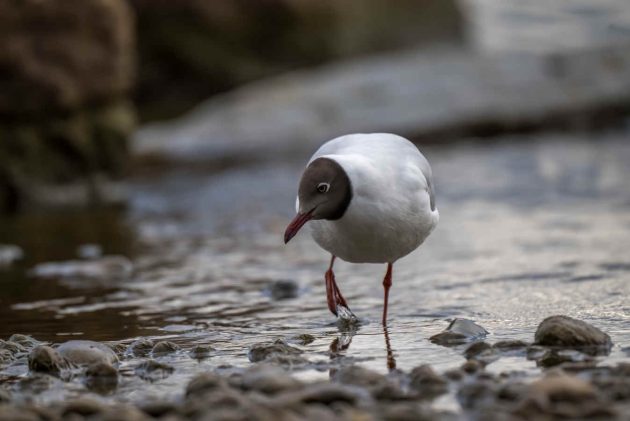
Other sciences use the Brown-headed Gull as a volunteer to check on the rise of antibiotic-resistant bacteria. Indeed, the journal “Microbial Drug Resistance” reports that based on testing gulls in the Bay of Bengal, antibiotic resistance is already higher in areas with greater human activity. Who says gulls are useless?
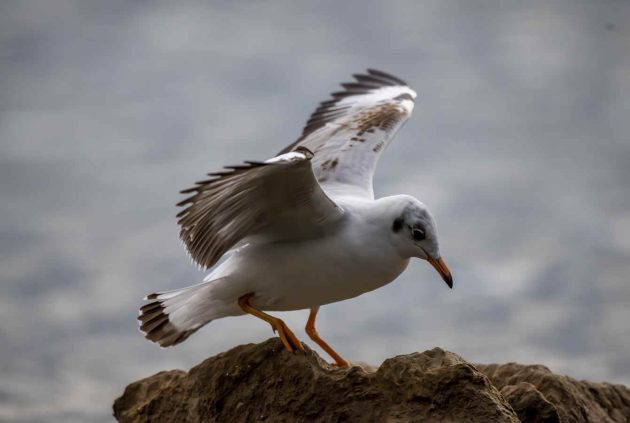
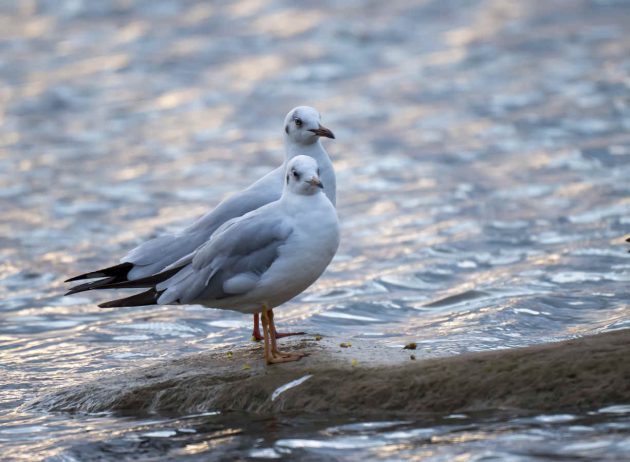
All photos in this post taken at Erhai Lake, Dali, Yunnan on March 14, 2026, and showing either Black-headed Gull (abbreviation: BHG) or Brown-headed Gull (abbreviation: BGH), or both.








Leave a Comment