

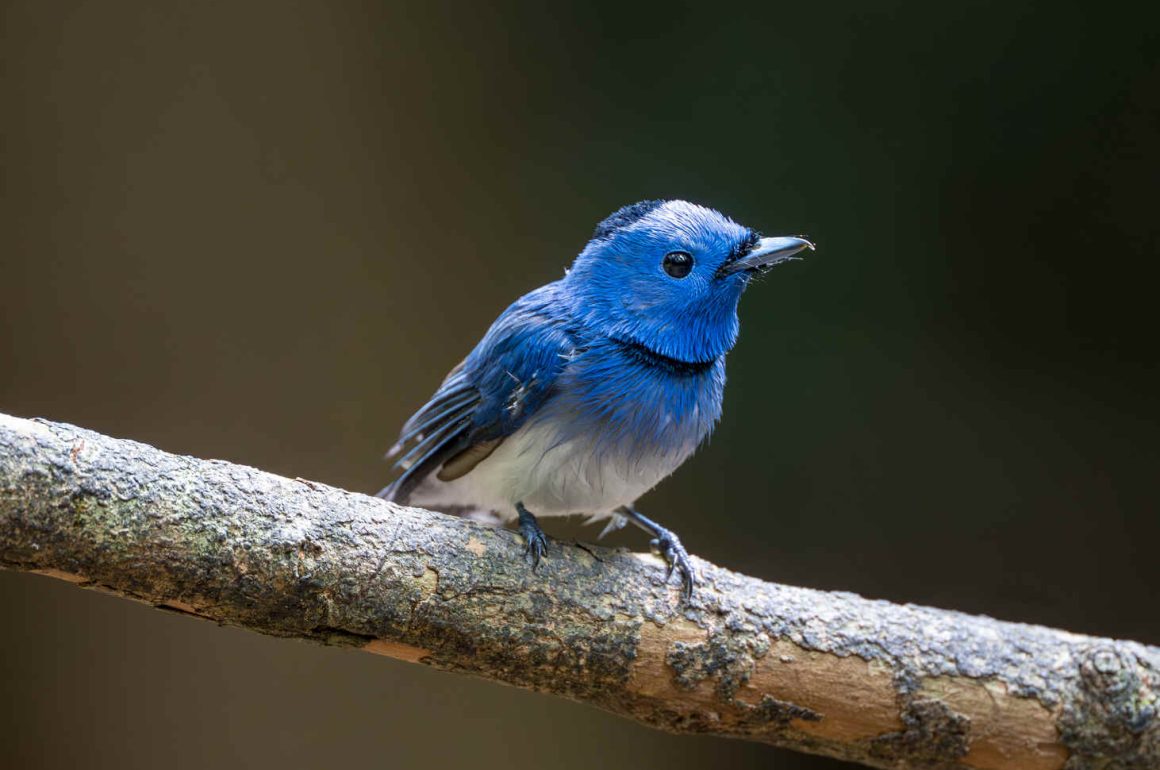
Given the substantial attention that has been given to birds named after fairly disgusting people –McCown’s Longspur, anyone – it is surprising nobody has yet suggested changing the name of the Black-naped Monarch.
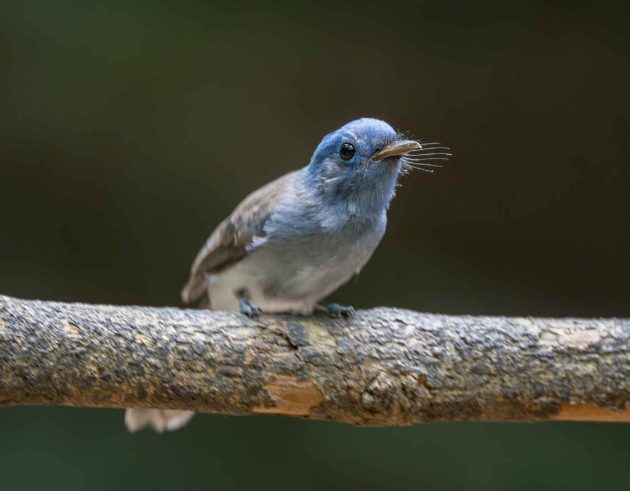
It is undeniably a beautiful bird, but what does its name align the species with?
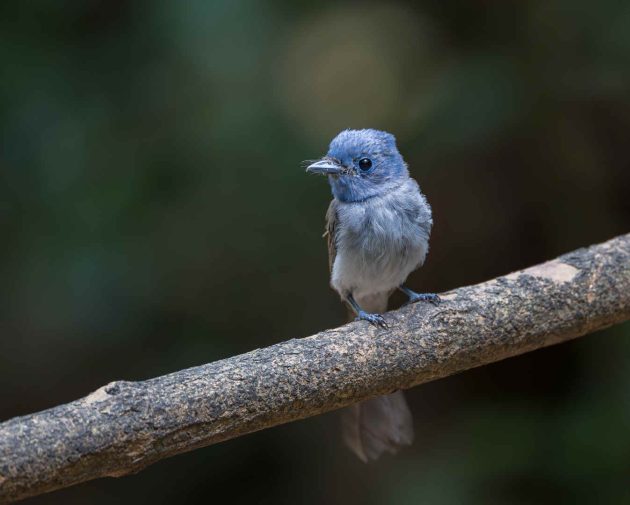
For one thing, with stupidity: with yellow-press monarchs with silly love lives and without any power except the one to draw tourists and sell women’s magazines. The UK, Sweden, the Netherlands, and Japan are all good examples. Is this something a bird species should try to emulate?
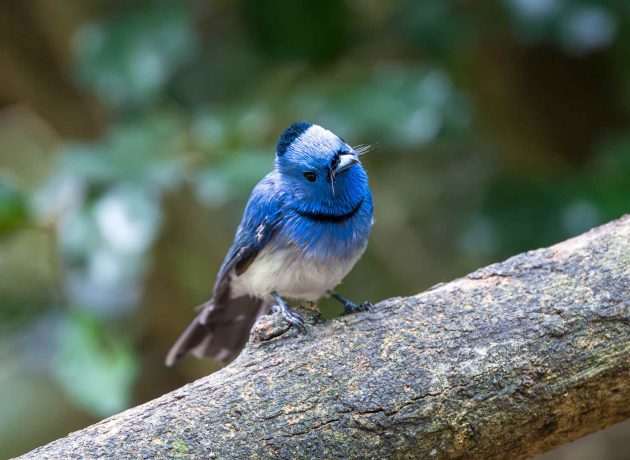
But there are far worse associations – those with real kings, as those of Eswatini (a country with one of the lowest life expectancies in the world and a king with 11 wives) or Saudi Arabia (with a crown prince who has butchered a critical journalist).
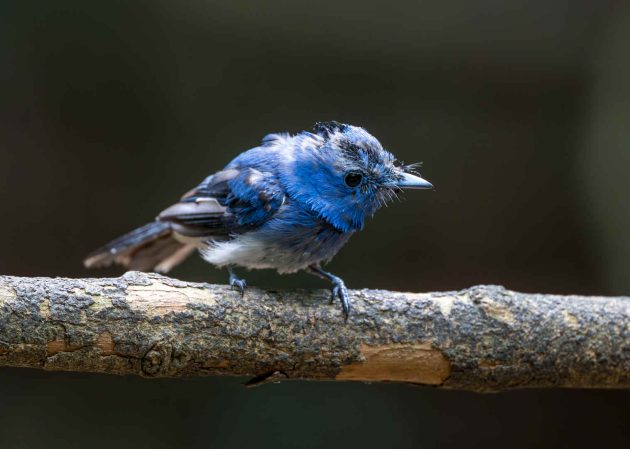
So, why should it be acceptable for the Black-naped Monarch to represent an outdated and undemocratic system of government? Wouldn’t it be much better to give the species a name that represents the ideals of liberty, equality, and… you know, of not being a monarch?
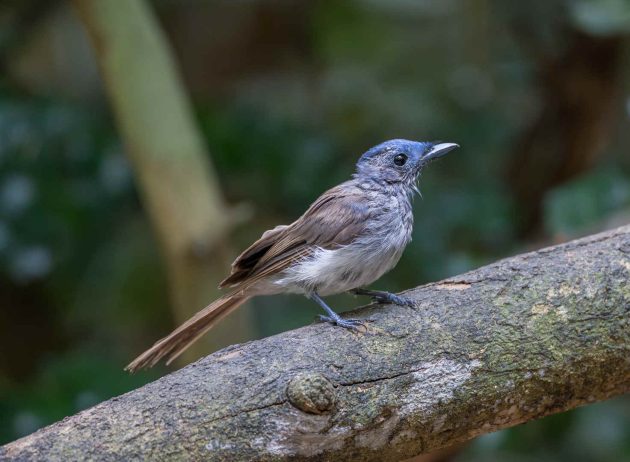
A change is long overdue. We suggest renaming the bird to Black-naped Democrat or Black-naped Representative. Promoting democracy should not stop outside of the pages of a bird guide.
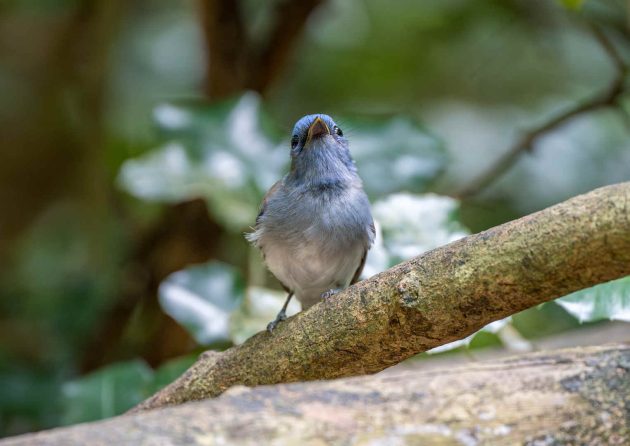
Note: And yes, all the kings of the bird world (King Eider, kingfishers, kingbirds, king parrots, King Penguin, King of Saxony Bird-of-Paradise, etc) will be next. But perhaps the Emperor Penguin needs to be dealt with first.
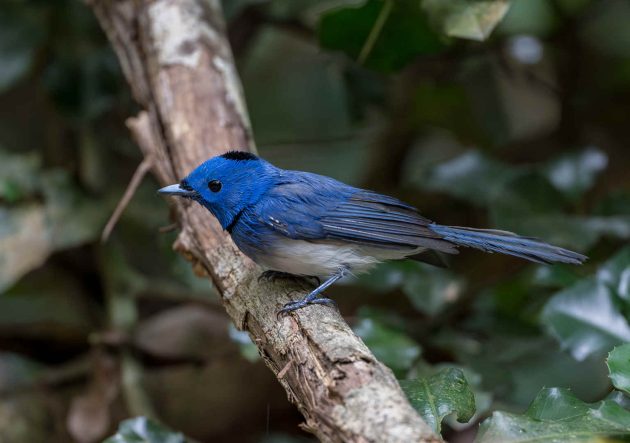
Photos taken at Lung Sin hide, Kaeng Krachan, Thailand, July 2025






Not My King