

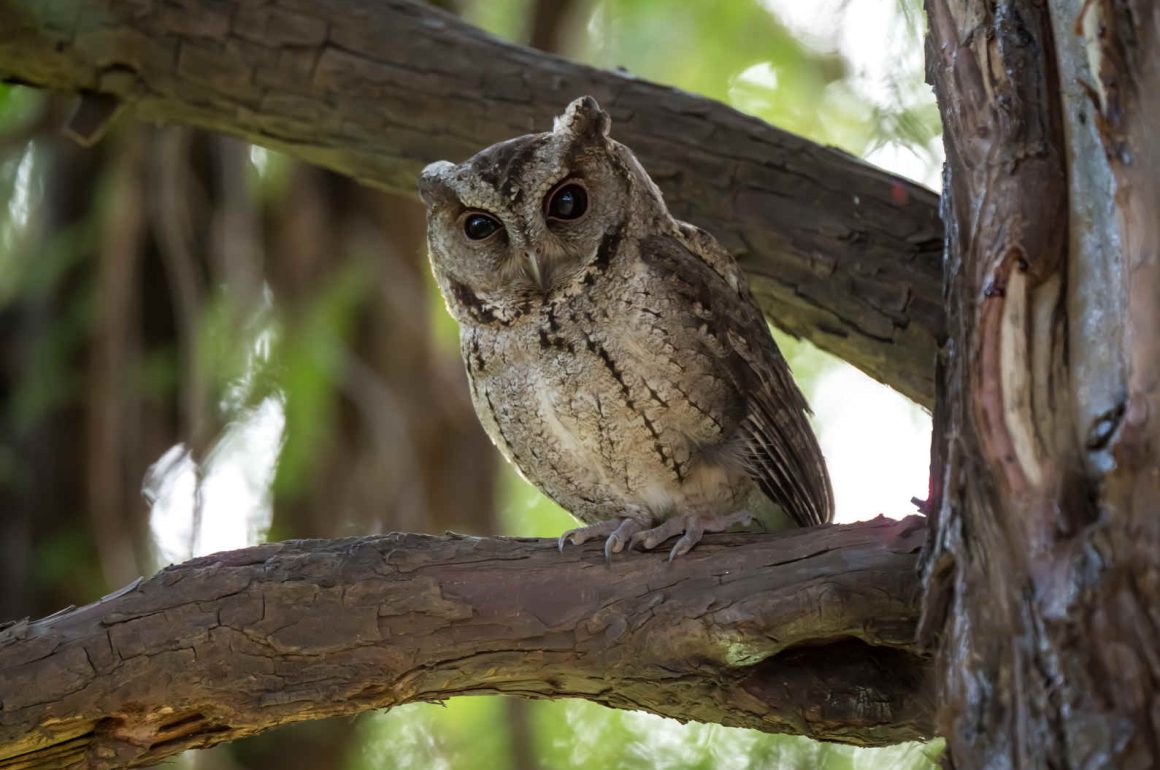
This is probably easily the twentieth post in which I mention scops owls, but probably the first one in which I actually mention what scops means (probably: my memory is generally quite terrible).
Not that it was really worth the wait. Scops apparently just means “Little Owl” and is generally used in ornithology to describe small, ear-tufted owls.
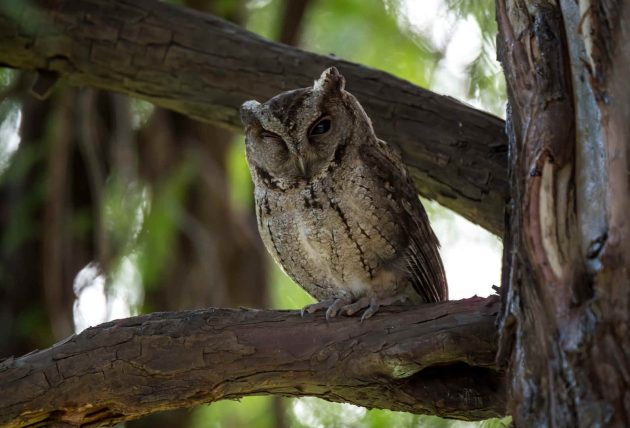
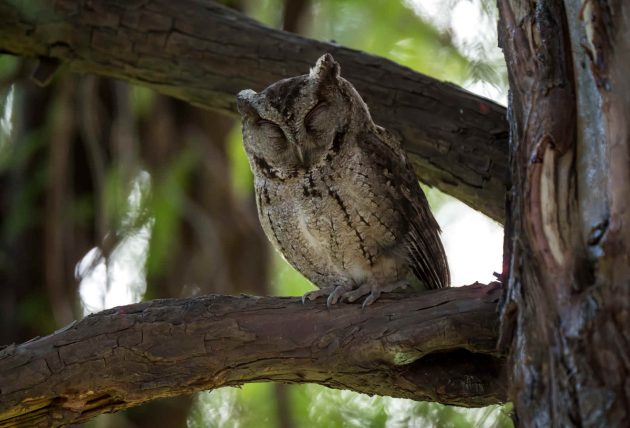
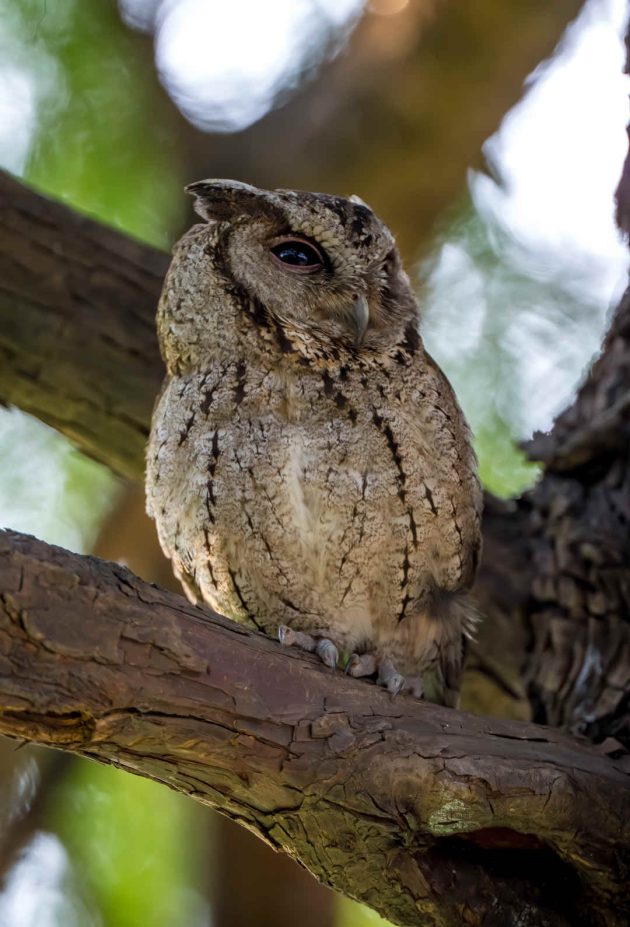
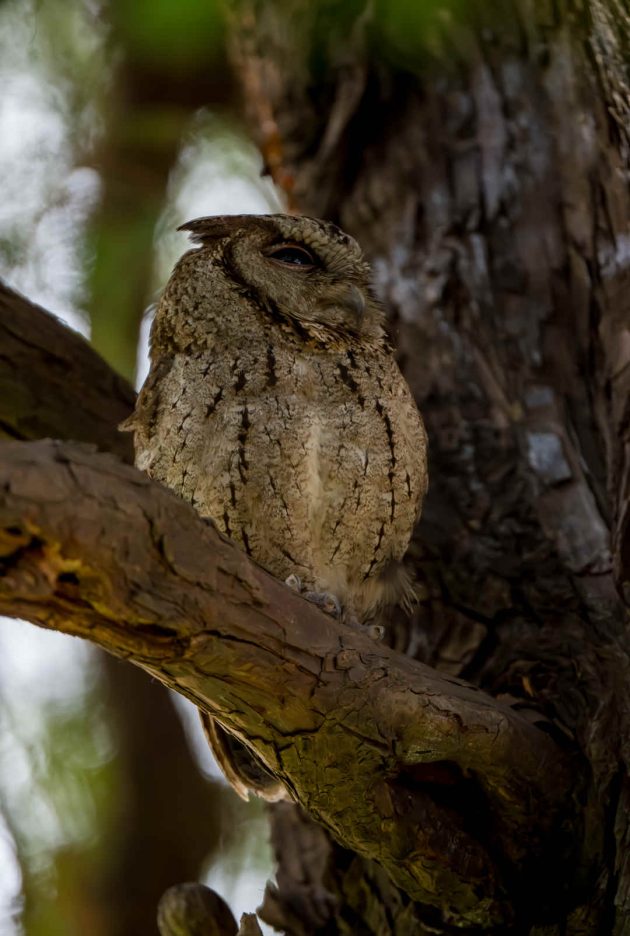
The specific one this post is about the Collared Scops Owl. Its scientific name, Otus lettia, is similarly boring – lettia is a Latinized version of the local Nepalese name for this owl.
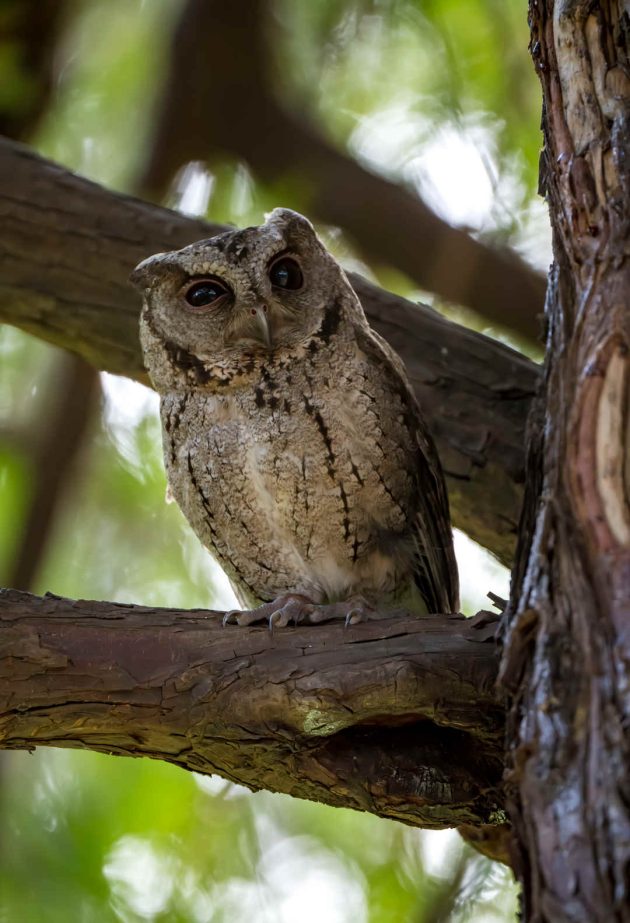
Even the name of the Taiwanese subspecies adds much excitement: Otus lettia glabripes means that the owl has hairless feet.
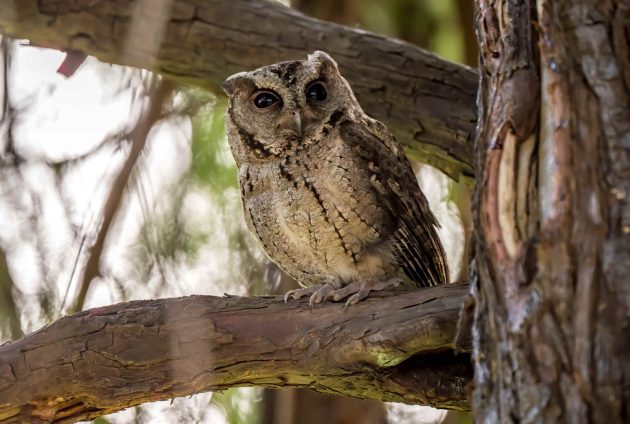
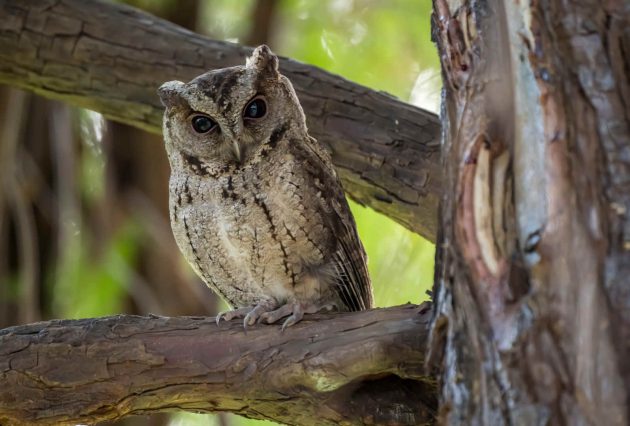
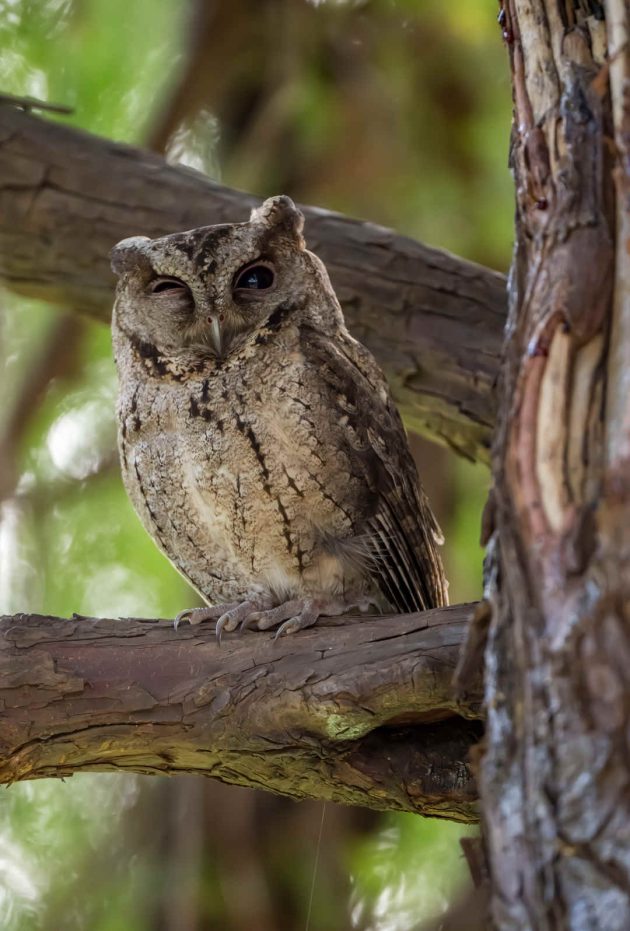
And yet, an individual of this species attracted quite some attention in a park in Taiwan on a warm sunny Sunday afternoon, roosting fairly openly in a tree just a few meters above the ground, and quite unbothered by the many locals taking photos with their mobile phones, and even the weird foreigners with their larger cameras.
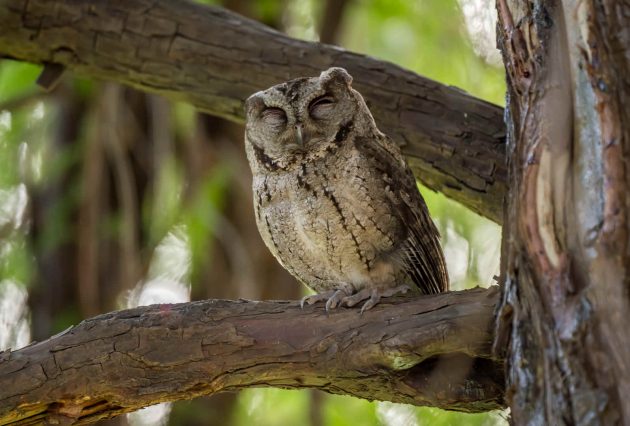
Presumably, it is better than being mobbed by some small, noisy songbirds accusing you of eating their chicks, robbing their nests, and probably even supporting Donald Trump.
Like the other bird species, Collared Owlets live in an environment polluted by humans. This shows in the mercury content in their bodies. A paper describing this adds another interesting aspect – the isotope distribution of the mercury is different in adult and juvenile birds, most likely due to a difference in what they feed on.
The part of the paper stating “Six tissues and organs (feathers, nails, heart, liver, gizzard, and muscle), as well as gastric contents, were examined for total Hg (THg) and methylmercury (MeHg) contents” makes me shiver, though.
If mercury does not hurt the birds, maybe parasites will. This is not a topic that will make this site more popular, so I will just mention the title of the respective paper: “Haemoproteus sp. infected in Collared Scops-Owl (Otus lettia): Parasite Morphology, Morphometry, Ultrastructure and Phylogeny”.
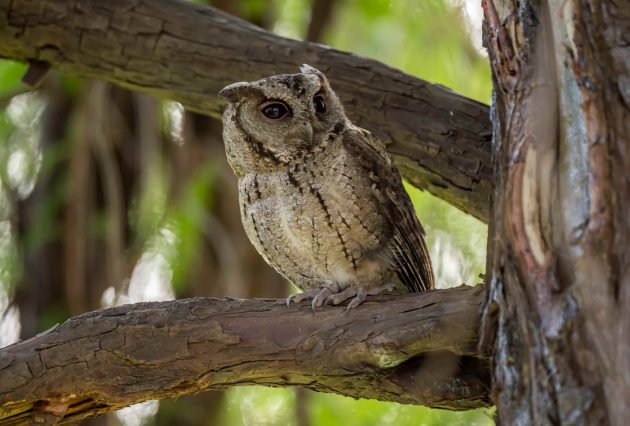
Apparently, on the subsequent day, the owl still used the same tree as its daytime roost, but a bit higher and somewhat better hidden. Maybe it decided it does not quite like people as much as it thought. Hell, I can relate to that.






Another 20 posts on scops owls would be just as welcome as the first 20.
I’m currently on the Balearic island of Menorca, where the Scops Owls are noisy but incredibly difficult to see. To have one pose for photographs would be too much to ask.