

Wikipedia has its own page on the Bluebird of Happiness, starting with the sentence “The symbol of a bluebird as the harbinger of happiness is found in many cultures and may date back thousands of years”.
It also has a separate page for the 1934 Jan Peerce song “Bluebird of Happiness”.
Apparently, the association of the bluebird with happiness is based on The Blue Bird, a stage play by Maurice Maeterlinck, first performed in 1908, which follows two children on a search for happiness.
My current favorite artist, Ryan Davis, has a song titled “Bluebirds Revisited” – not one of his best, but still with great lines such as “I’ve been having not-so-bad-a’ nightmares
But howling bloody murder in my daydreams”.
It is presumably the sequel to “Bluebirds in a fight” – both songs can be found here.
Another reference to bluebirds – and even the bluebird of happiness – comes from a Gary Larson cartoon (shown here). With the text “The Bluebird of Happiness long absent from his life, Ned is visited by the Chicken of Depression.”
While I’d like to get to the actual bird now, the HBW makes this a bit difficult. Looking up the entry for the Eastern Bluebird, the first thing one reads is the rather unavian sentence “The Cornell Lab of Ornithology dedicates this account in honor of Inge Reichenbach, member of the Lab of Ornithology’s Administrative Board.” WTF.
Even the first “real” sentence of the species profile is somewhat weird in that it combines three very different aspects and writing styles in one awkward sentence: “Eastern Bluebirds have gorgeous plumage, nest in open, often disturbed, human-modified habitats, and, as secondary cavity nesters, readily take to artificial nesting cavities.”
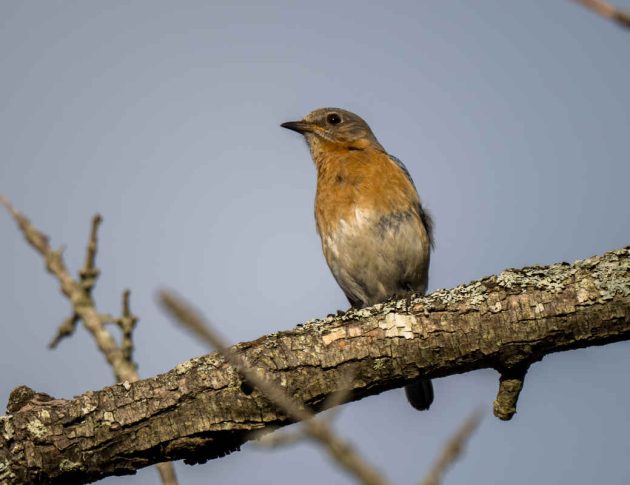
See, it is possible to write a whole post about this bird without ever providing any useful information on the species.
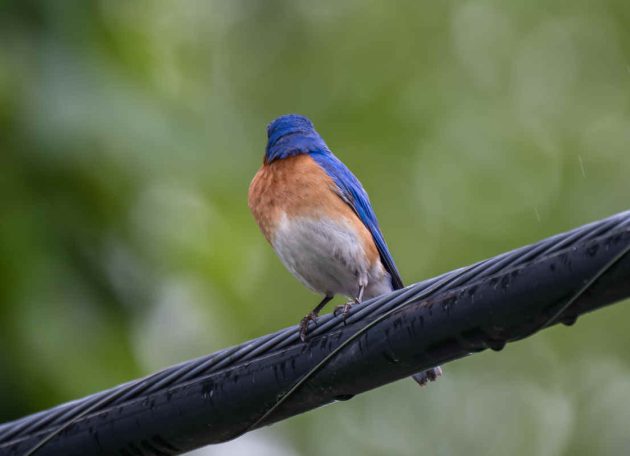





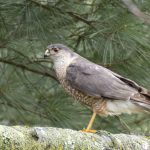
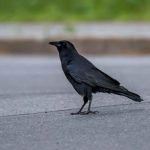



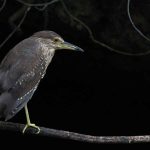

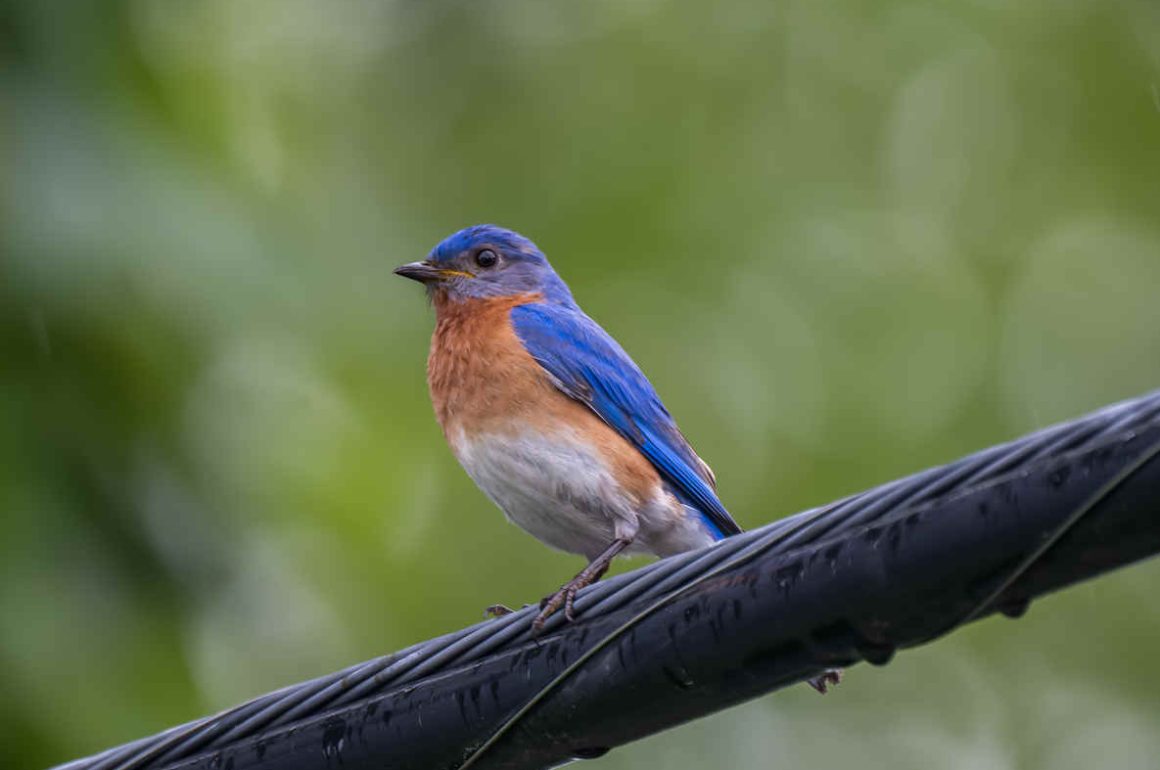
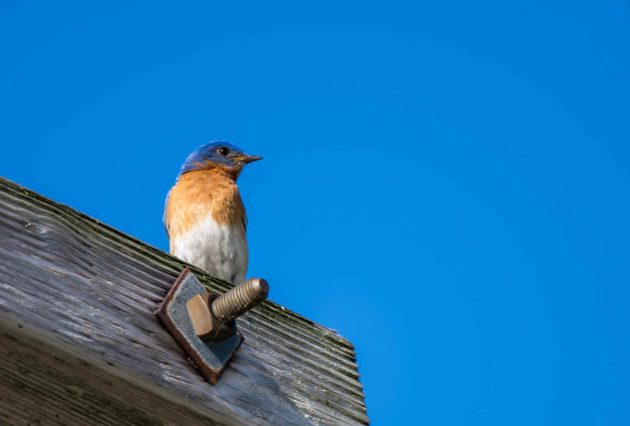
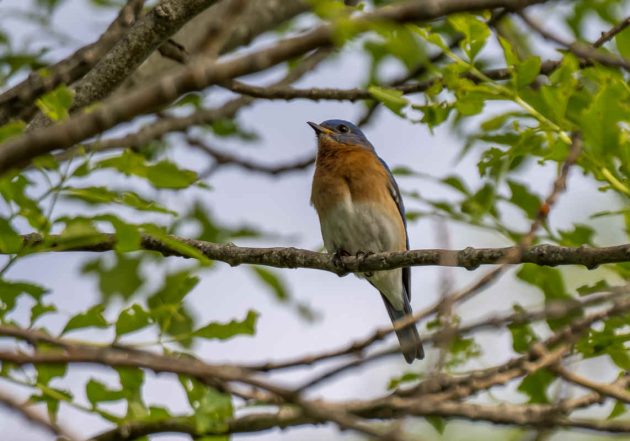
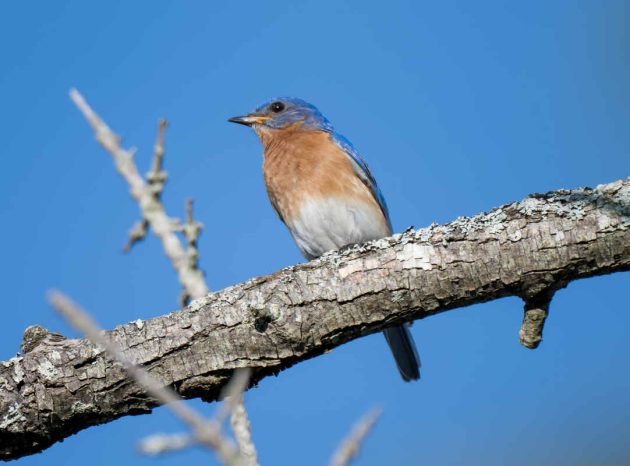
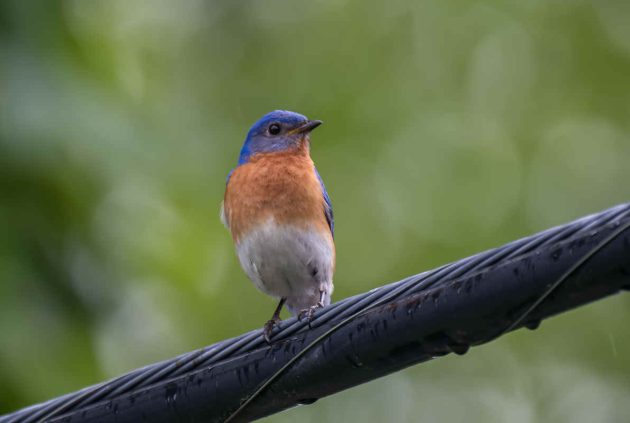
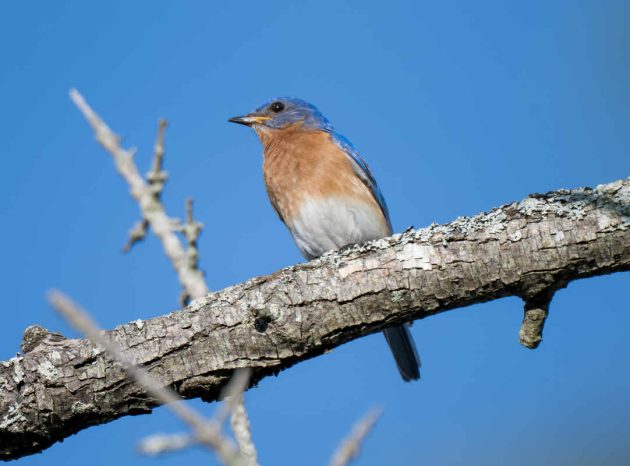
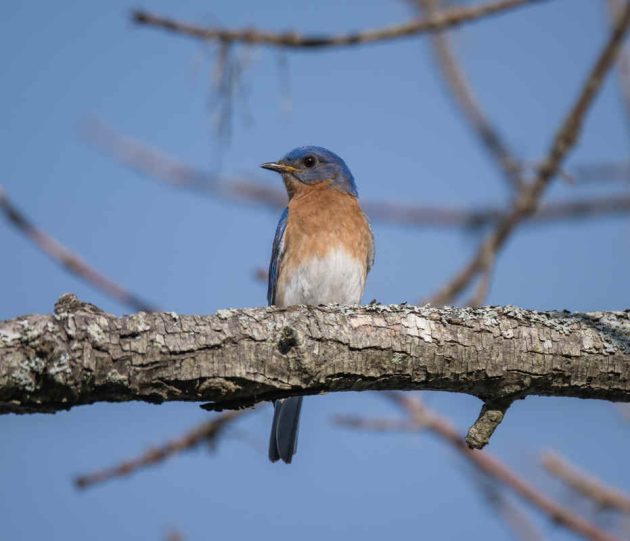
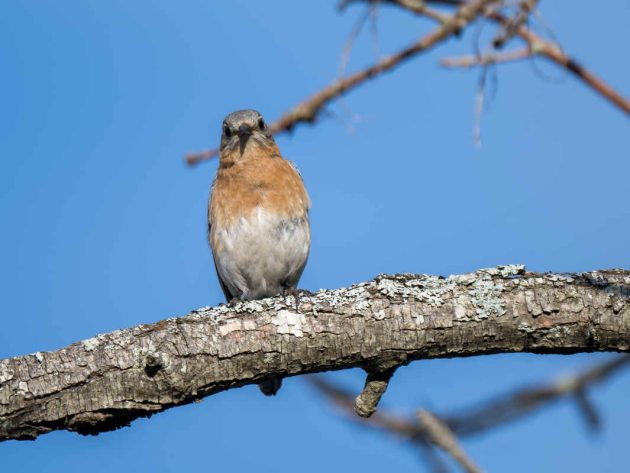
Gorgeous little bird which I got to see thanks to a company leadership congress a few years ago. I have been told me being kicked out from that same company had nothing to do with my birding.
Eastern Bluebirds certainly do give me happiness, but Western Bluebirds give me joy, as those are somewhat harder to find here in central Mexico. Mountain Bluebirds do not occur here, so one of those would give me euphoria!
Since the HBW entry declined to provide any useful information, here is the one fact about Eastern Bluebirds that actually changed how I see them: that awkward sentence about “secondary cavity nesters” is the whole modern history of the species. They can’t excavate their own holes, so when dead trees came down and House Sparrows and starlings arrived, bluebirds nearly vanished from the eastern US by the 1960s — and the recovery since is almost entirely down to people putting up boxes with a 1½-inch hole, which is big enough for a bluebird and (just) too small for a starling. It’s one of the few cases where backyard effort measurably rebuilt a population. The other thing the profile won’t tell you is that in winter they switch from insects to fruit — sumac, juniper, holly, dogwood — and travel in small flocks, so the January bluebirds crowded round a berry-laden eastern red cedar are the same birds that were solitary pairs on a fencepost in May. Paul’s point about the three species is a good one: Mountain Bluebirds are the only ones with no rust at all, which is the quickest way to tell a pale female Eastern from a Mountain in the places where both occur. Ryan Davis is a good call, by the way.