

Which bird species do you think is the biggest attraction to visitors of your lodge?
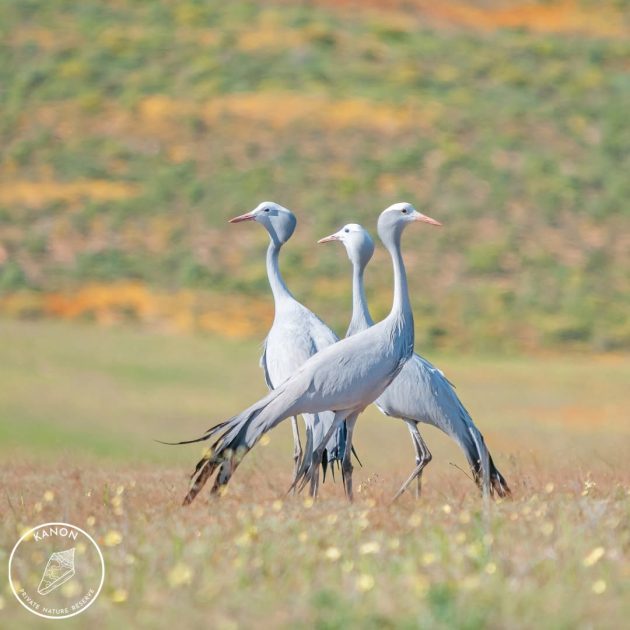
Blue Crane
What is the name of your lodge, and since when has your lodge been operating?
Kanon Private Nature Reserve
How best to travel to your lodge?
By Car from the south (Cape Town) or from the north; you can also fly into George Airport and rent a car.
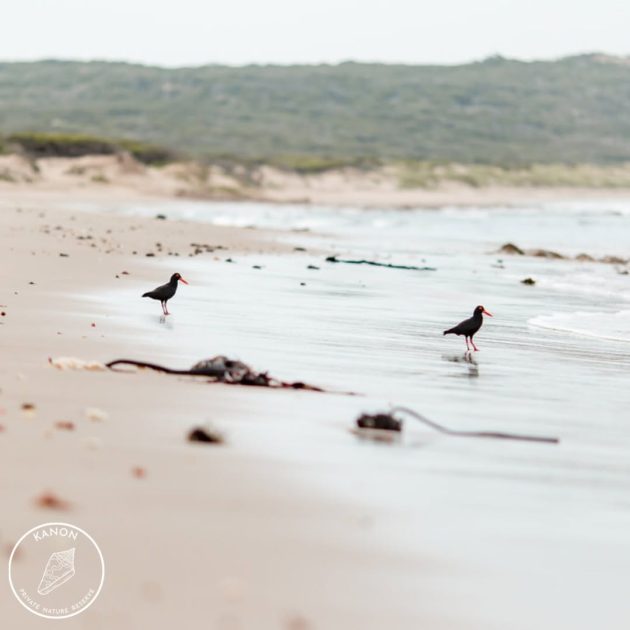
African Oystercatcher
What kind of services – except for accommodation and food – does your lodge offer to visiting birders?
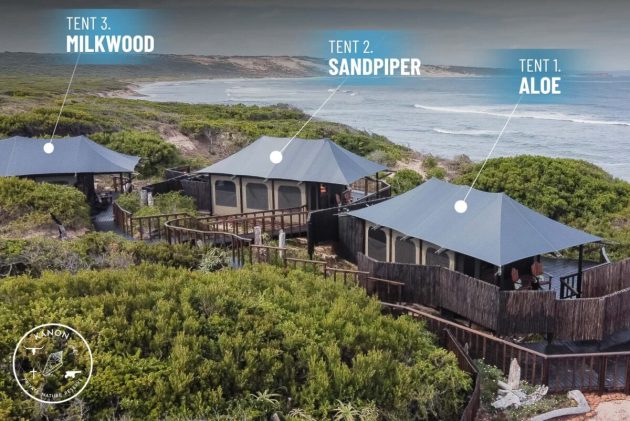
Self-Catering Accommodation at the beach with a variety of 5 different accommodation offerings.
What makes your lodge special?
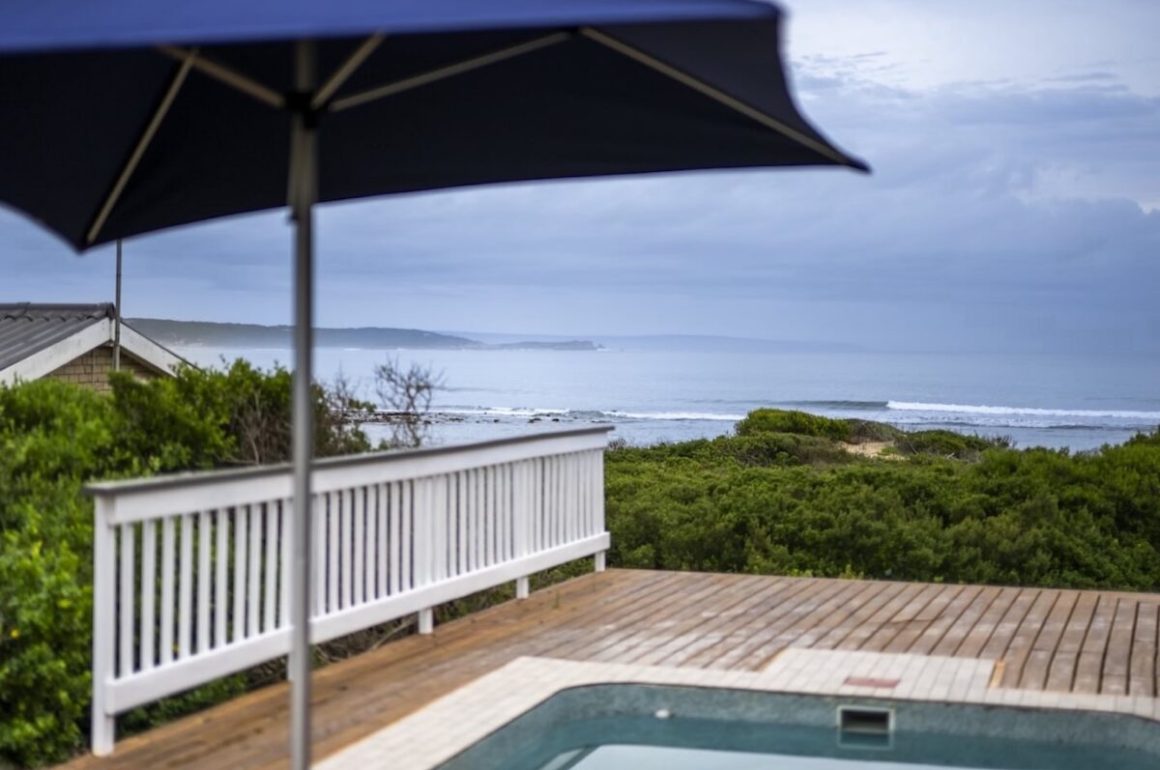
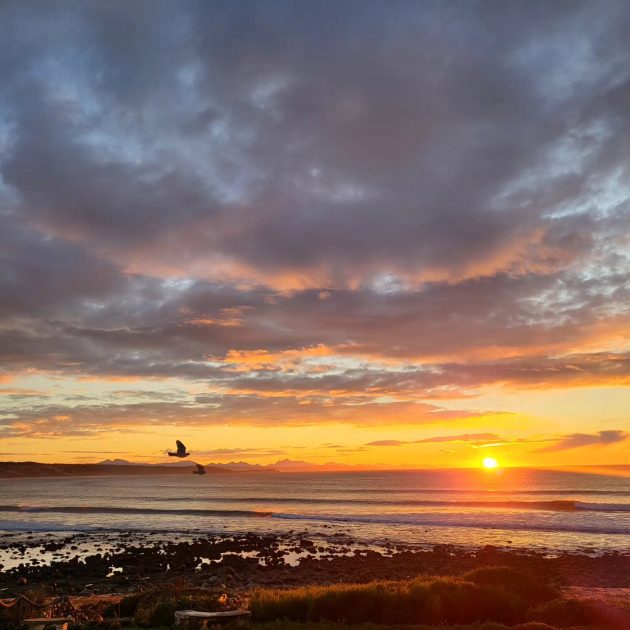
Unspoiled beaches, no people, no noise, warm water, amazing views, self-catering accommodation by the sea, luxury glamping, beach cottages.
What are the 10 – 20 most interesting birds that your lodge offers good chances to see?
- Blue Crane – South Africa’s elegant national bird, frequently foraging in resident grassland fields.
- African Black Oystercatcher – Striking jet-black shorebirds with bright red bills patrolling rocky beaches.
- Cape Sugarbird – Long-tailed fynbos endemics that congregate wherever aloes and proteas bloom.
- Southern Double-collared Sunbird – Iridescent metallic-green and red nectar-feeders flitting through coastal scrub.
- African Fish Eagle – Majestic apex raptors easily identified by their iconic, haunting coastal calls.
- Cape Longclaw – Ground-dwelling birds flashing a brilliant, fiery-orange throat patch in open grass.
- Black-winged Kite – Small, red-eyed predatory raptors frequently seen hovering perfectly still mid-air.
- Cape Bunting – A charismatic regional fynbos special, common along our rocky reserve trails.
- Cape Spurfowl – Extremely vocal, bold ground birds wandering around the coastal dune thickets.
- Orange-breasted Sunbird – Highly sought-after Western Cape endemic showcasing multi-coloured, vibrant plumage.
- Cape Grassbird – Heavy-billed, long-tailed insect hunters ticking from the tops of coastal shrubs.
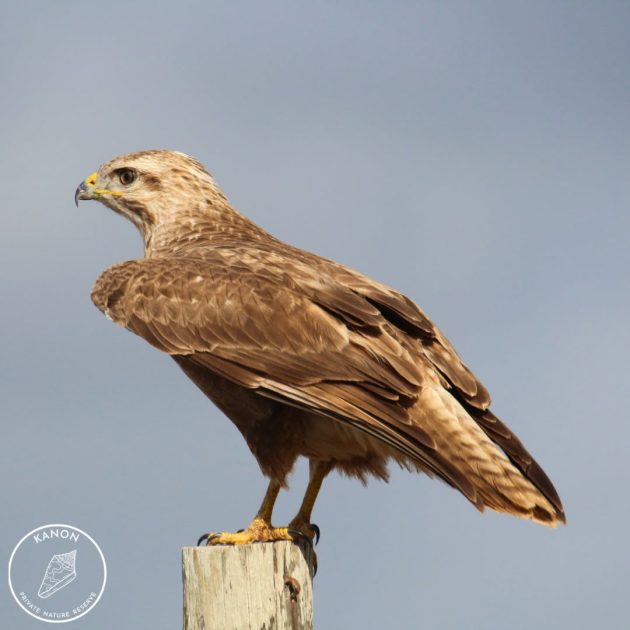
- Jackal Buzzard – Stocky, dark-plumaged endemic raptor riding thermals directly over the sea cliffs.
- Southern Boubou – Cryptic shrike species known for beautiful, synchronized duets inside deep bush.
- South African Shelduck – Distinctively patterned waterfowl residing on nearby wetlands and salt pans.
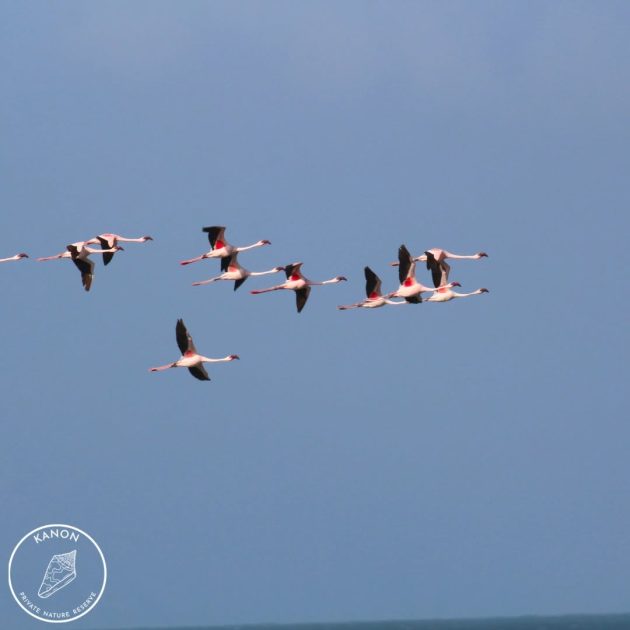
- Greater Flamingo – Seasonal waders filtering nutrients along the neighboring Gouritz River estuary.
What is the best time to visit your lodge, and why?
All year round, birding is most amazing when the winter rains have arrived as well as when the migratory birds arrive for the summer. It is, however, an all-year-round destination for birding with an enormous selection of different bird species all year.
Is your lodge involved in conservation efforts? If yes, please describe them.
Yes, Kanon Private Nature Reserve is deeply involved in long-term conservation efforts. Established in 2003 as a dedicated private conservation project, the 187-hectare reserve plays a major role in protecting 3.2 kilometres of pristine, untouched South African coastline. The primary conservation initiatives include:
- Global Biodiversity & Biosphere Partnership
- UNESCO Alignment: Kanon is directly connected to the 3.2-million-hectare Gouritz Cluster Biosphere Reserve (GCBR), a UNESCO-recognised landscape protecting the unique convergence point of three global biodiversity hotspots: the Cape Floristic Region (Fynbos), Succulent Karoo, and Maputaland-Pondoland-Albany Hotspot.
- Ecological Corridors: As a core property within the Gouritz Eastern Coastal Corridor, Kanon acts as a vital pathway that allows natural processes to flow freely and native species to move safely between otherwise isolated natural habitats.
- Active Habitat Restoration & Biodiversity Tracking
- Flora and Fauna Rehabilitation: Ongoing landscape management focuses strictly on restoring native biomes through the clearing of invasive alien plant species, soil conservation, and monitoring local wildlife populations (such as the Cape Grysbok and Angular Tortoise). [1]
- Scientific Research Support: Kanon actively collaborates with ecological experts from the GCBR to explore, document, and preserve its extraordinary plant life, which includes over 230 recorded species of Canca Limestone Fynbos, Hartenbos Dune Thicket, and South Western Strandveld. [1]
- iNaturalist Citizen Science: Every plant, bird, and insect identification made on the property is recorded and contributed to global biodiversity databases via Kanon’s iNaturalist Profile. [1]
- Protected Marine & Fishing Controls
- Strict Eco-Guidelines: To protect the delicate intertidal zones, ancient archaeological fish traps (vyvers), and vulnerable marine life like octopuses, the reserve enforces strict catch-and-release rules, a total ban on rock-pool fishing, and mandatory licensing for all guests.
Forest Buzzard
What other suggestions can you give to birders interested in visiting your lodge? (for example, what to bring, how to prepare for the visit, etc.)
Bring your binoculars, swimming costume, a bird book of your choice
Do you have activities for non-birders? If so, please describe.
Mountain biking, trail running, swimming, fishing, beach walks, nature walks, photography
If any reader of 10,000 Birds is interested in staying at your lodge, how can they best contact you?
- Email: Send an inquiry directly to info@kanonprivatenaturereserve.com.
- WhatsApp / Call: Reach out via mobile or text on +27 82 429 0115
- Online Booking: Check live calendar availability, seasonal rates, or secure a reservation directly on the Kanon Booking Portal at https://www.kanonprivatenaturereserve.com/
Is there anything else you would like to share with the readers of 10,000 Birds?
We have prolific birdlife; everywhere you go, everywhere you look, there is something to identify; it is ridiculous really. You have to visit to see it to believe it.
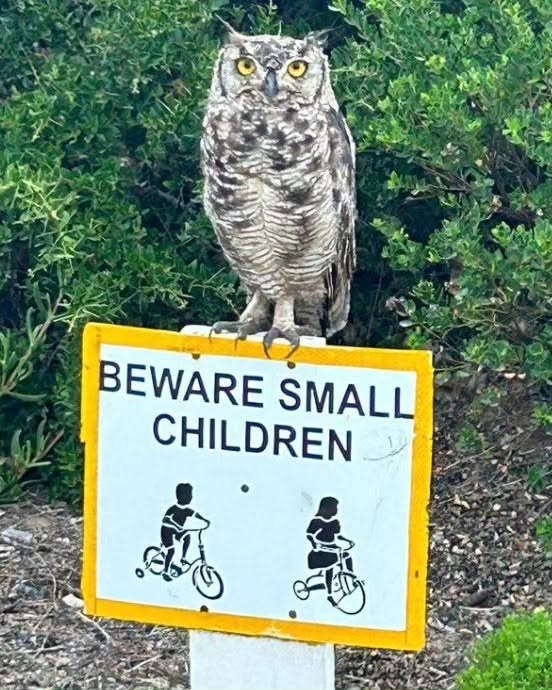
Spotted Eagle Owl






Leave a Comment