

Highlights
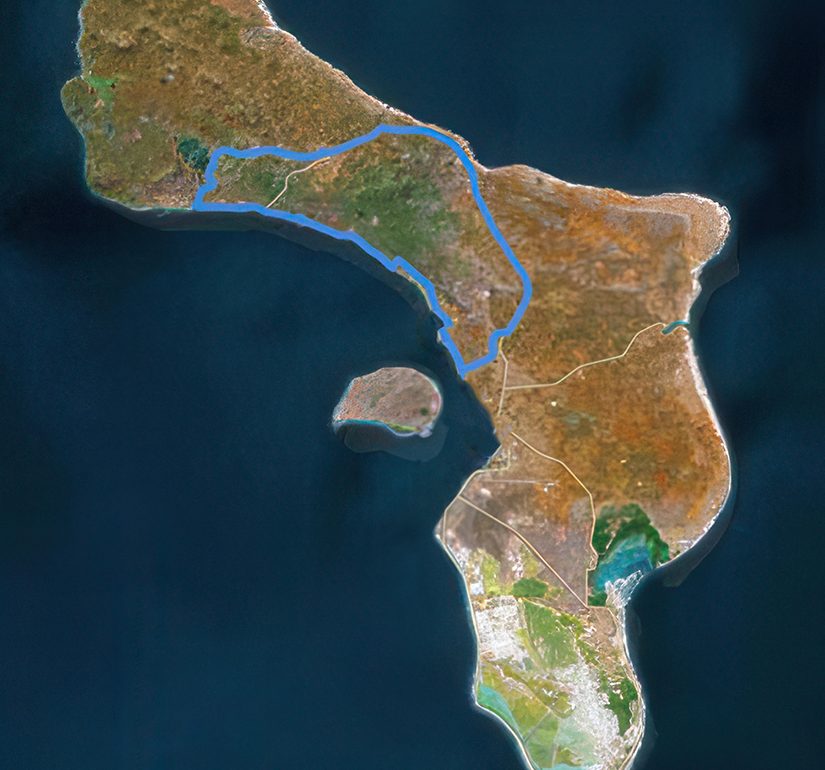
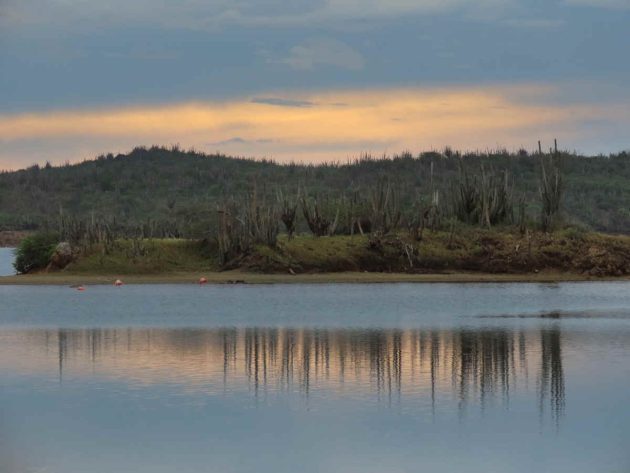
The northern region of Bonaire offers one of the island’s most rewarding birding experiences, centered around its unique tropical dry forest habitat. Conditions here shift noticeably with the seasons—transforming with rainfall patterns and periods of drought—so no two visits are exactly alike.
For visiting birders, this area is especially exciting. It provides excellent opportunities to encounter native terrestrial species, many with South American origins, and often yields lifers that can be difficult to find elsewhere on the island.
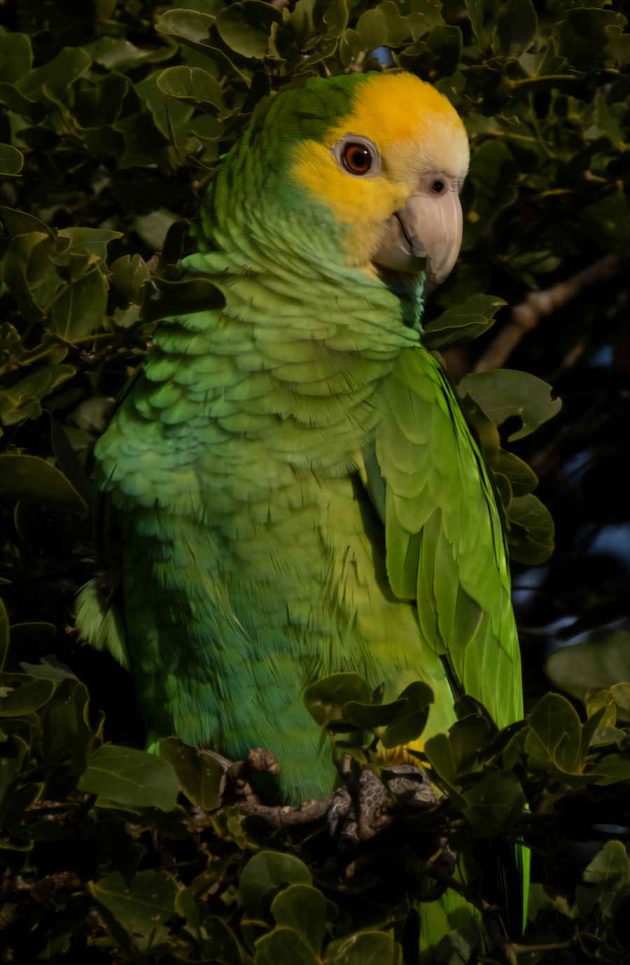
Yellow-shouldered Amazon Parrot
Key Bird Species and Families
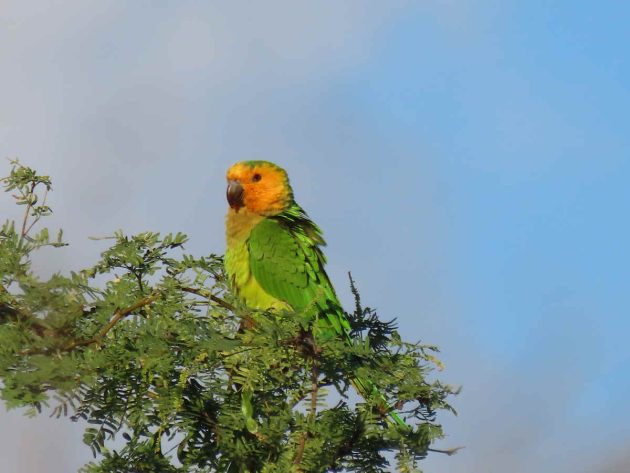
Among the standout species are the endemic subspecies of the Yellow-shouldered Amazon Parrot and the Brown-throated Parakeet, both iconic to Bonaire.
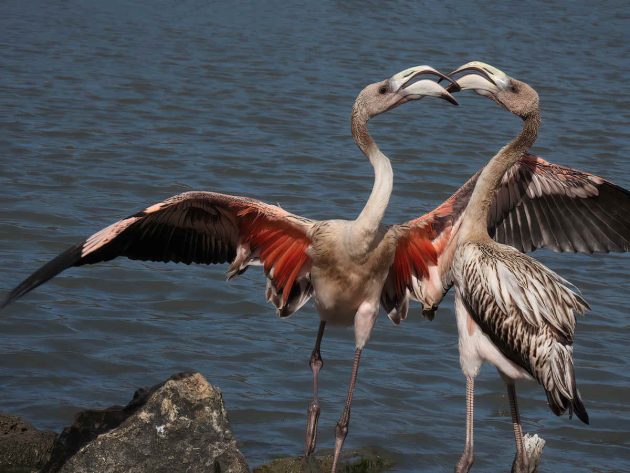
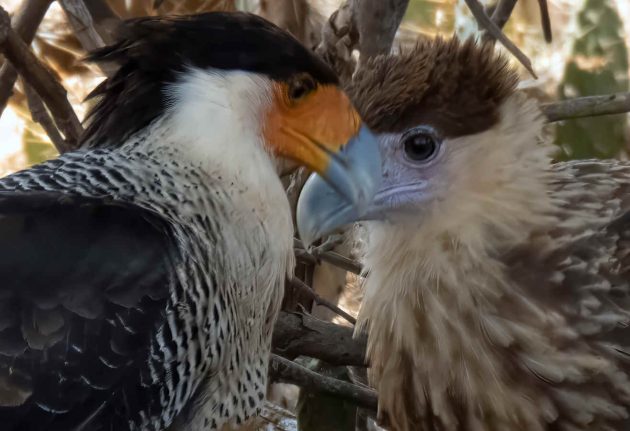
American Flamingos are frequently seen in the northern wetlands, sometimes at surprisingly close range as they forage. Overhead, Crested Caracaras soar on thermals—or, just as often, patrol roadsides in search of lizards.
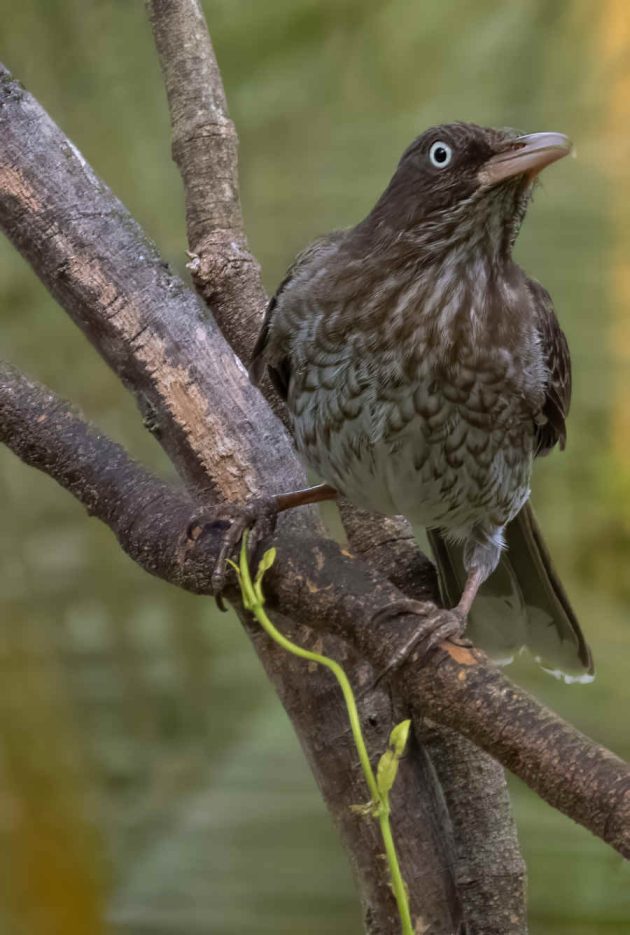
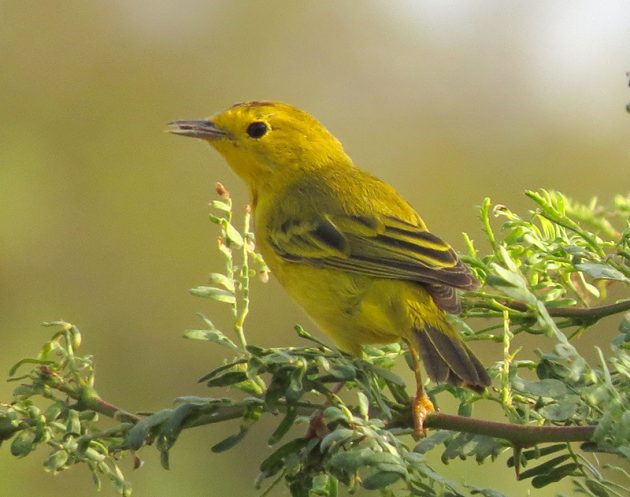
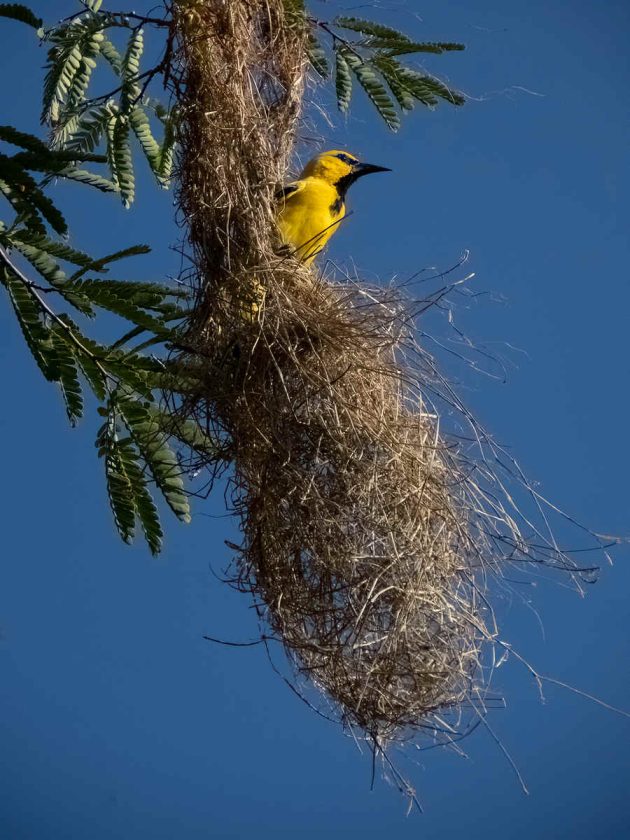
The Mangrove Yellow Warbler can be abundant, particularly during the dry season when brine flies are plentiful. The dry forest also supports a range of flycatchers, including Northern Scrub Flycatcher, Brown-crested Flycatcher, and Gray Kingbird. Other popular terrestrials include the Venezuelan Troupial, Yellow Oriole, and Pearly-eyed Thrasher.
Pearly-eyed Thrasher
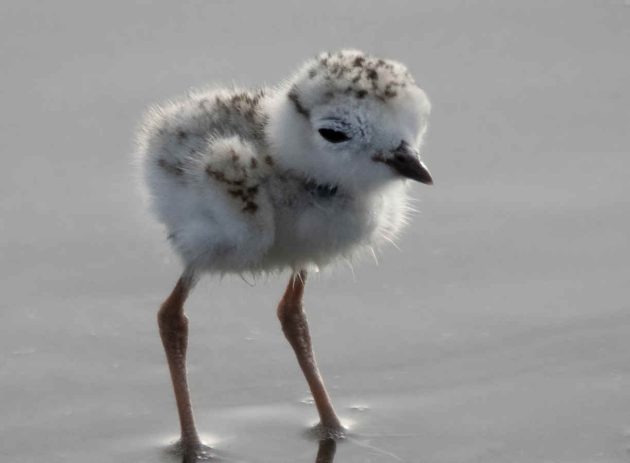
In summer, seabird activity increases, with nesting colonies offering glimpses of tern courtship and chick feeding. Snowy Plovers nest along northern wetlands as well, where observers may be lucky enough to spot tiny, newly hatched chicks already foraging under the watchful eyes of their parents.
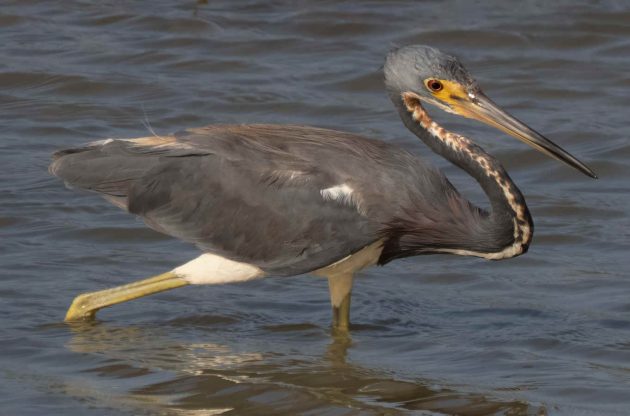
Wetland areas also host a variety of herons and egrets, including both dark and white morphs of the striking Reddish Egret.
American Flamingo
Best Areas for Birding in the North
Karpata: A great starting point, Karpata combines excellent birding with scenic coastal views. While it is also a popular dive site, terrestrial birding here can be very productive. Crested Caracaras are commonly seen, and this is one of the more reliable locations for the Caribbean Elaenia.
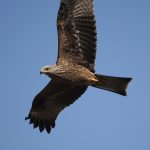
Crested Caracaras
BOPEC and Gotomeer: The BOPEC area marks the beginning of the Gotomeer wetland system. Bird activity here varies significantly with rainfall, as water levels influence insect populations. When conditions align, highlights may include shorebirds (both resident and migratory), herons, egrets, and seasonal seabirds. Traveling inland along the wetland reveals its unique ecology. Once open to the sea, Gotomeer retains a salty base, now mixed with rainwater to create brackish conditions. Subtle changes in salinity can dramatically affect insect life—and consequently bird abundance. This area is also one of the best places to observe Bonaire’s American Flamingos, especially in the late afternoon light.
Tricolored Heron
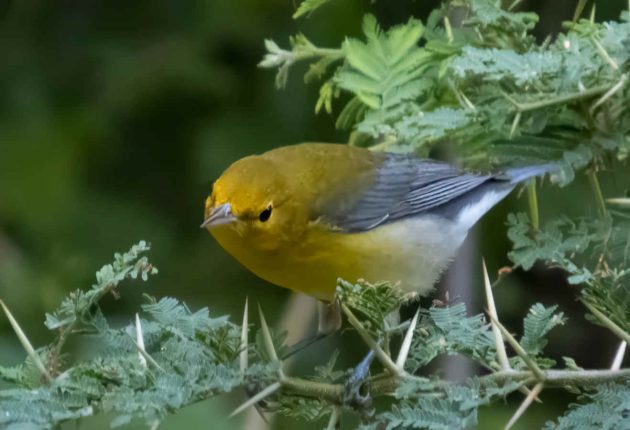
Dos Pos: A favorite among birders, Dos Pos features a small bird bath and shaded seating—perfect for quiet observation. During migration periods (spring and fall), species such as Northern Waterthrush and Prothonotary Warbler may appear. Resident birds, including Yellow-shouldered Amazons, Brown-throated Parakeets, and Scaly-naped Pigeons, also frequent the area. Listen carefully for the distinctive calls of the Black-whiskered Vireo—often heard before it is seen.
Prothonotary Warbler
Rincon: If you haven’t yet encountered the Yellow-shouldered Amazon, the village of Rincon offers another excellent opportunity. In the late afternoon, just before sunset, flocks often gather noisily. Simply open your windows, listen for their calls, and follow the sound—you may be rewarded with a memorable sighting.
Snowy Plover
Best Birding Season
Bonaire hosts both winter migrants from North America and summer (austral) migrants from South America, creating significant seasonal variation in species composition.
Timing your visit can make a big difference depending on your target species. For a helpful overview of seasonal patterns, visit:
https://bonairebirdtours.com/year-round-birding-seasons-on-bonaire/
Brown-throated Parakeet
Birding Trip Suggestions
While many birders prefer early morning outings, Bonaire offers a compelling case for afternoon birding. Most key birding areas lie along the western shore, where observers face inland. In the morning, this means looking directly into the rising sun. By late afternoon, the sun is behind you—providing far better lighting and more enjoyable viewing conditions.
Mangrove Yellow Warbler
Practical Tips
Insects are generally not a major issue, but on calm, low-wind days, they can become noticeable. During the lighter wind months of September and October, consider bringing a bandana or face covering for added comfort if needed.
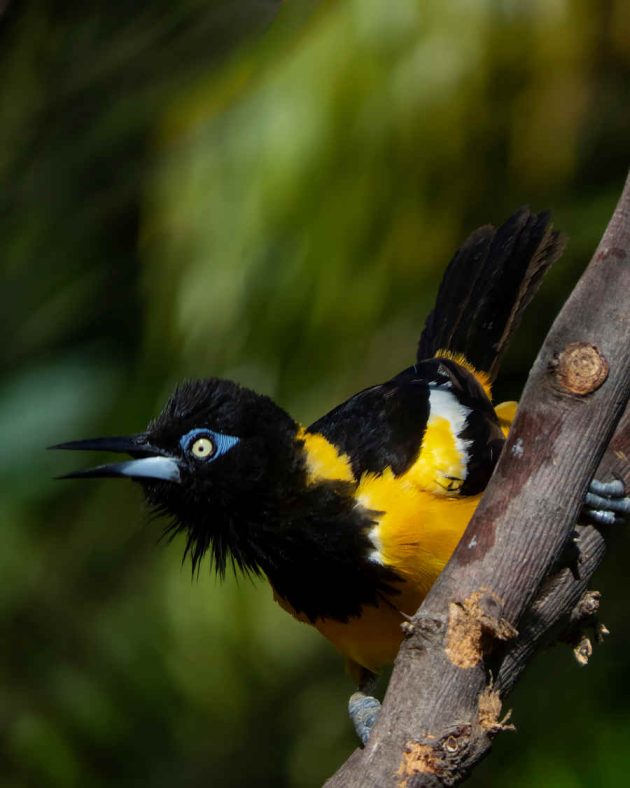
Yellow Oriole
Resources
A bit of preparation can greatly enhance your birding experience:
- Bonaire Bird List (https://bonairebirdtours.com/bonaire-bird-list/) – A helpful reference with abundance notes and seasonal occurrence.
- Birding by Ear (https://bonairebirdtours.com/birding-by-ear-learn-how-on-bonaire/) – Especially useful in the dry forest, where birds are often heard before seen.
- Additional Resources (https://bonairebirdtours.com/resources-for-birding-on-bonaire/) – Includes references for regional field guides and online tools for birders visiting the island.
Venezuelan Troupial
By Susan Davis
Susan Davis is a bird guide on Bonaire. She can be reached at susan@bonairebirdtours.com.
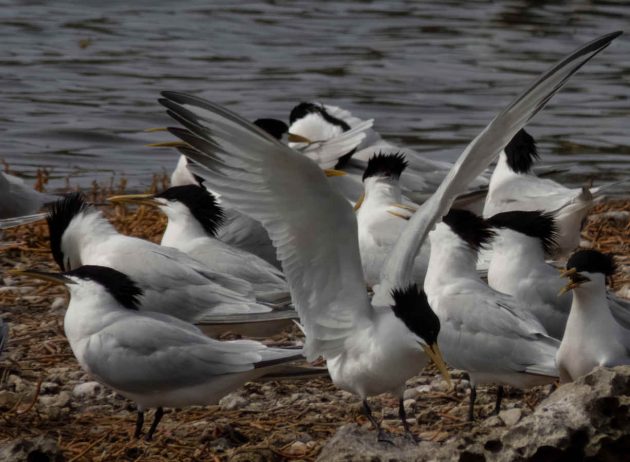
Sandwich Tern




Leave a Comment