

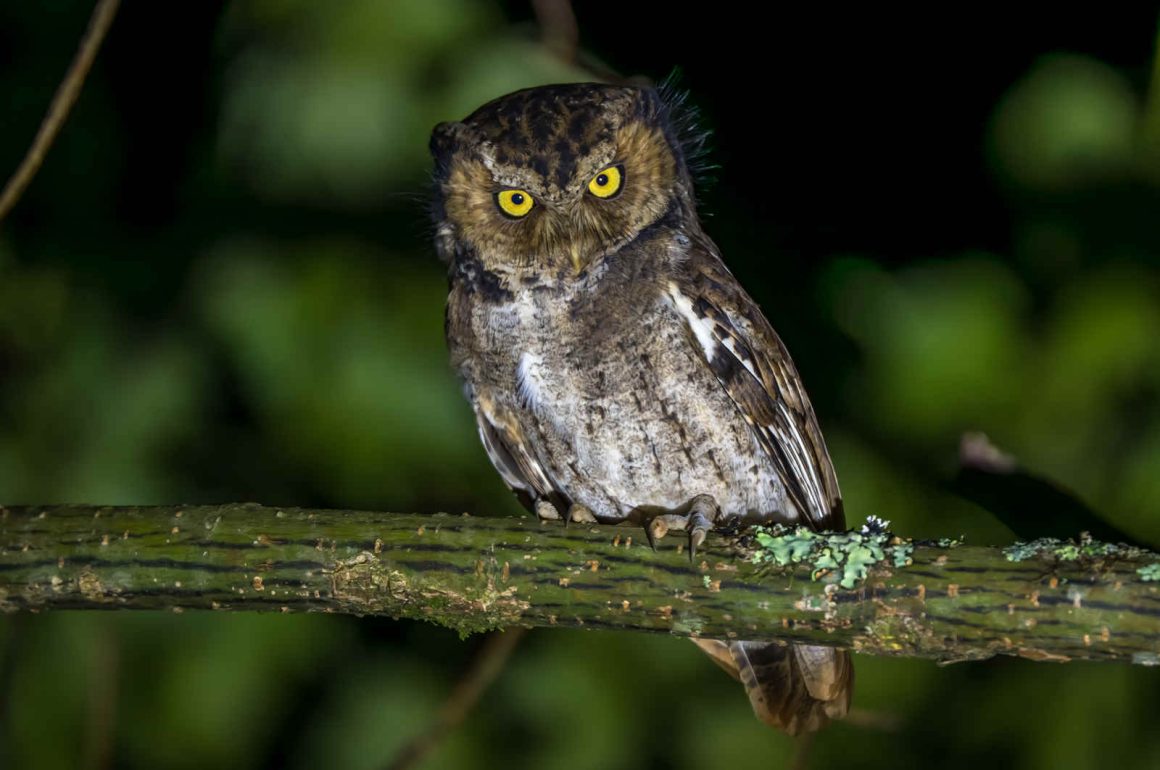
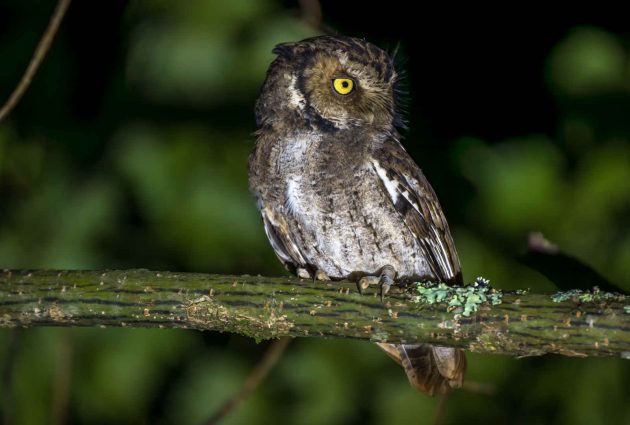
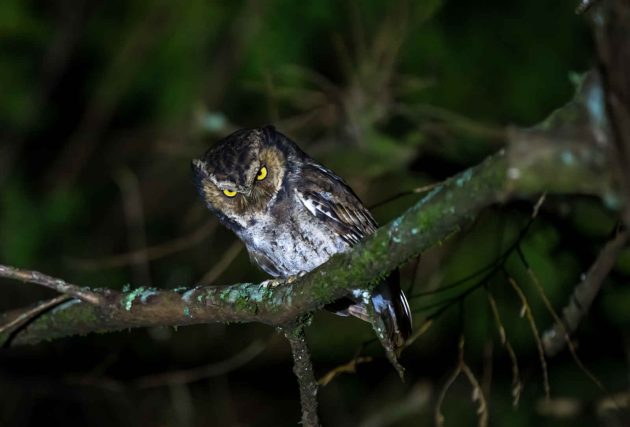
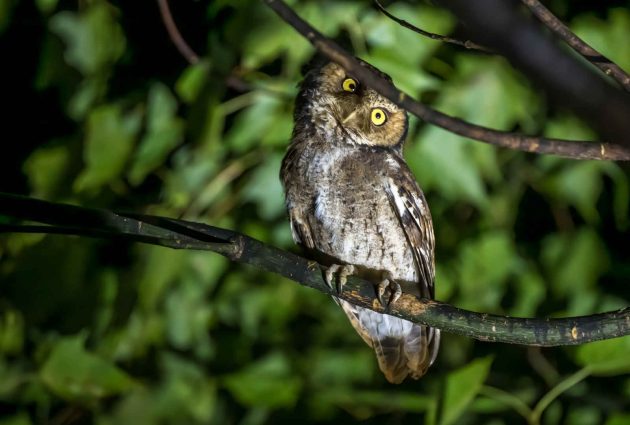
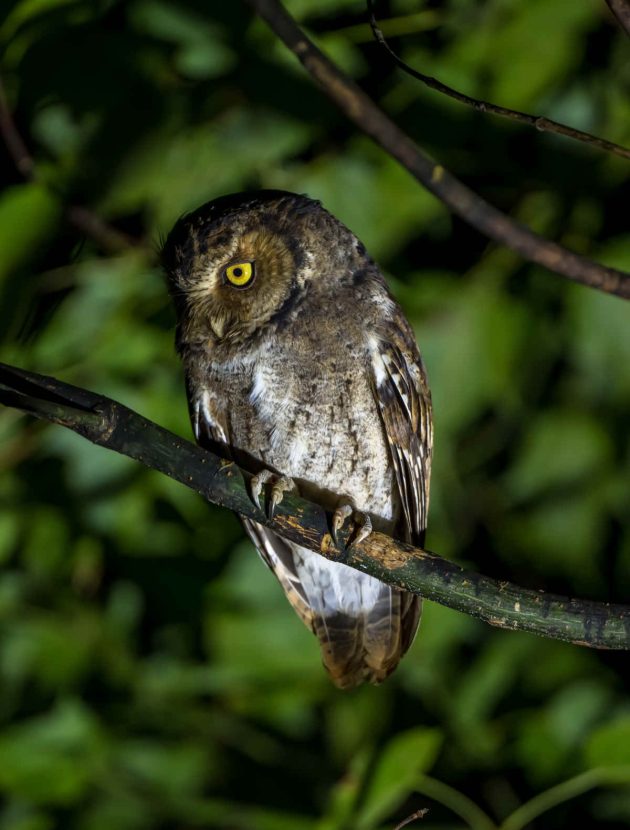
Owls are among my favorite bird families, and scops owls are among my favorite owls. And within the scops owls, I always wanted to see the Mountain Scops Owl, which looks particularly cute and catlike even within this (concerning cuteness) highly competitive group.
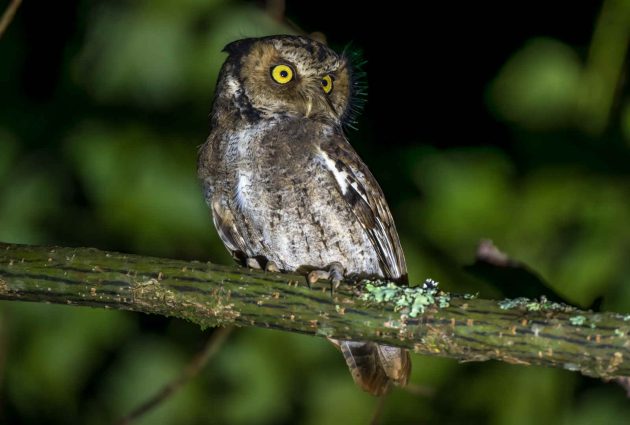
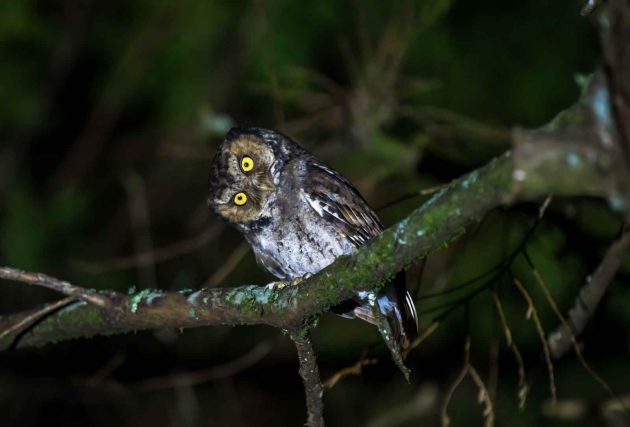
I did not really expect to see it on a trip to Taiwan, though. As with several other species, Taiwan has its own subspecies of this one, Otus spilocephalus hambroecki.
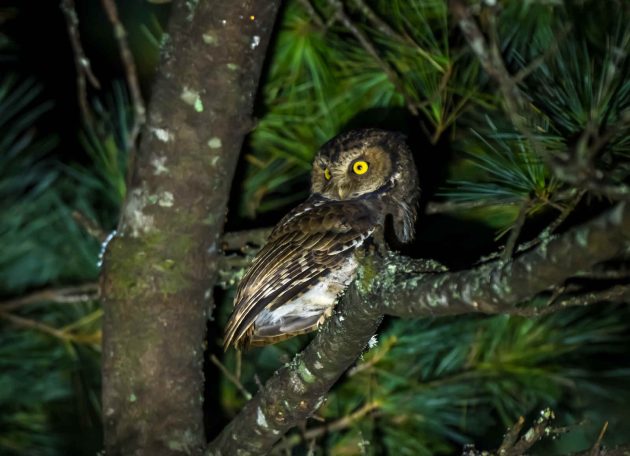
The species name spilocephalus is not particularly interesting – it means spot-headed, and apparently, the Mountain Scops Owl is sometimes called Spotted Scops Owl.
The subspecies part, hambroecki, makes for a more interesting story. The HBW states that Antonius Hambroeck (1607-1661) was a Dutch missionary to Taiwan, whose self-sacrifice at the hands of the Ming warlord Koxinga enshrined his fame. That is the kind of sensationalist fare we at 10,000 Birds like to present our readers.
Wikipedia has a lengthy entry on Hambroeck. After starting as a pastor in the Netherlands, he was sent to the Dutch colony of Formosa as a missionary, where, after more than a decade of work, he was captured by Koxinga. Koxinga sent him back to the Dutch garrison, demanding that the Dutch surrender and abandon the colony, promising him death in case of a negative answer. Still, Hambroeck advised against giving up the colony, returned to Koxinga with that answer, and was decapitated by Koxinga a few months later.
Here is an excerpt of his supposed speech, as reported here: “I am perfectly aware that my speech is my own death sentence. However, I will not disregard my duties to God and the Company because of fear. I’d rather risk a thousand times my own and my wife’s lives than being exploited by our enemy. Because the cruel Koxinga will make up any excuse to kill all the captured Dutchmen. “
Obviously, this was a time when men didn’t floss, rarely bathed, but somehow still managed to keep their promises and avoid ending up in the 17th-century equivalent of leaked blacklists. All for the wrong cause, colonialism, but I guess you cannot have everything.
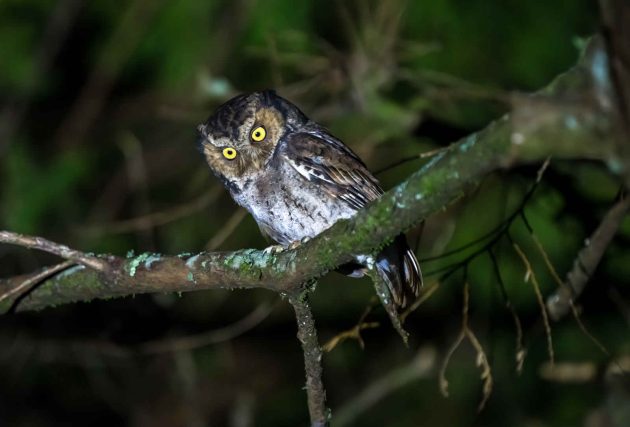
Ok, this was too tempting not to share here, despite its somewhat limited relevance to the Mountain Scops Owl. It is also partly a reflection of the limited number of papers on this owl, and only a few vague mentions in papers on owls in general.
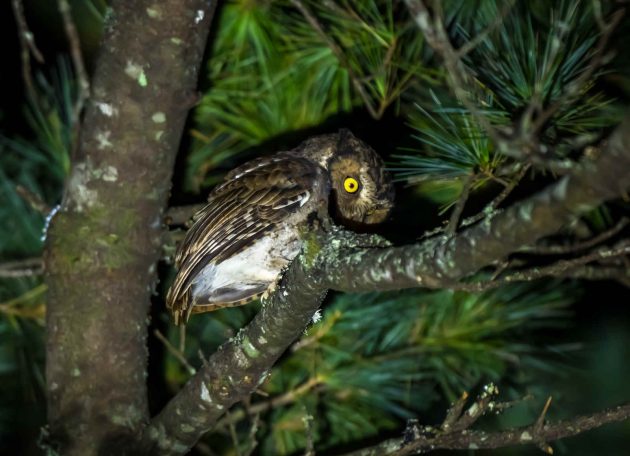
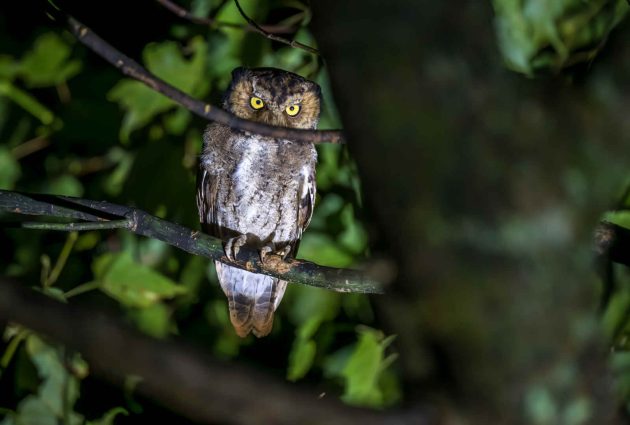
On the positive side, the Mountain Scops Owl is categorized as Least Concern as it has a wide distribution and is apparently quite common in parts of its range, though the HBW also warns that it is strictly nocturnal and rarely seen by day.
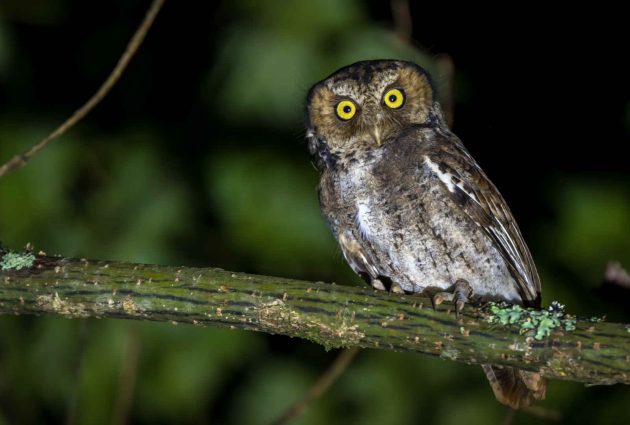
Which still makes me wonder how the birds can be invisible during the day. Though some of my cats sometimes manage that as well.
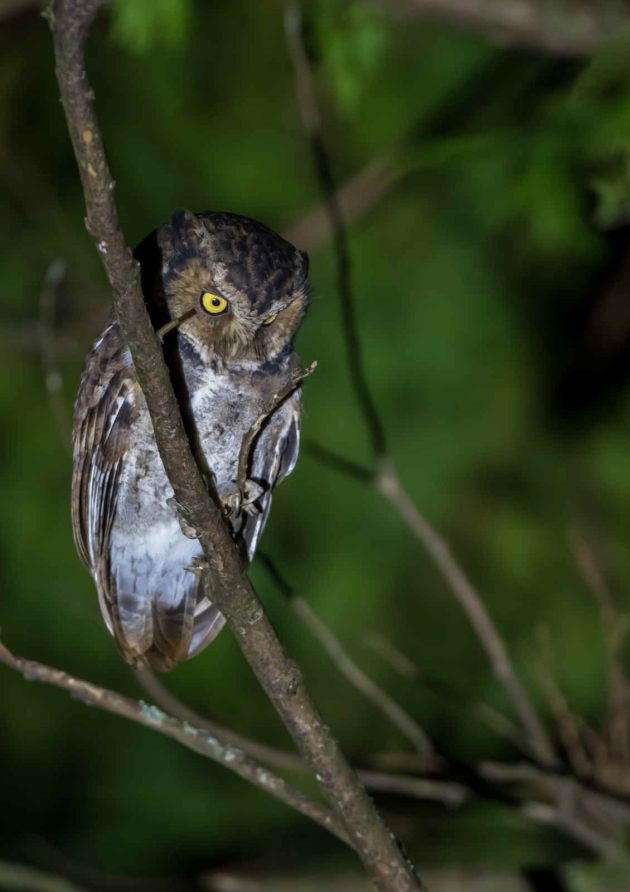
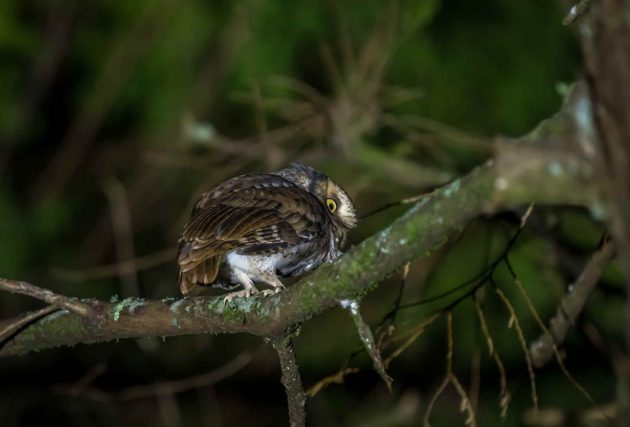
Photos taken at Dasyueshan, Taiwan, November 07, 2025









Leave a Comment