

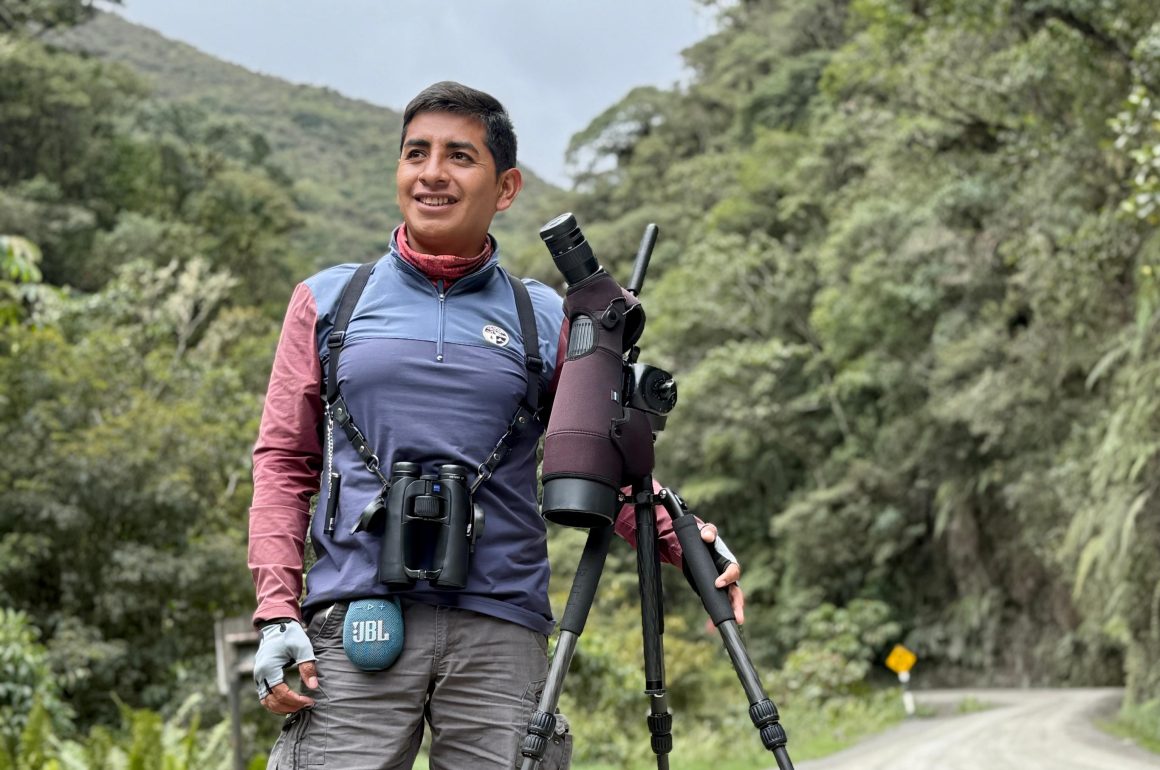
What is your favorite bird species?
I love hummingbirds; they´re tiny, fast, and have iridescent colors. However, here in Peru it is difficult to choose only one bird species cause we have too many options.
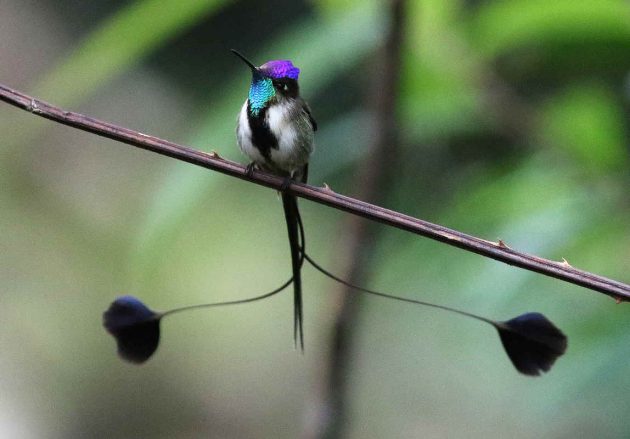
Marvelous Spatuletail
What is your name, and where do you live?
I’m Juan José Salas Falcón. I live in Cusco, a unique blend of history, culture, and daily life shaped by tradition and tourism. The city is surrounded by mountains, so every view feels dramatic and scenic.
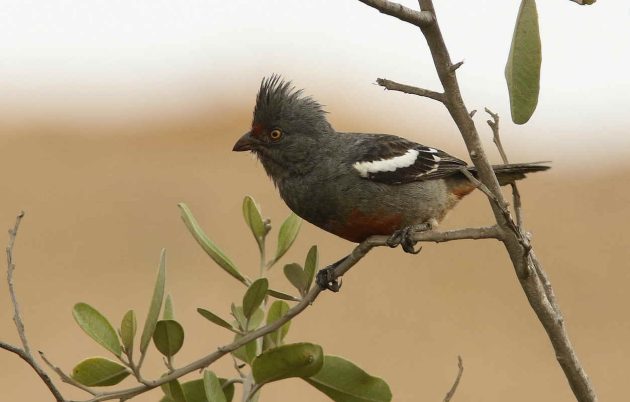
Peruvian Plantcutter
What are the main regions or locations you cover as a bird guide?
I lead tours all over Peru. My country is blessed with an exceptional mix of environments; it has 28 of the world´s 32 climates, further fostering unique habitats, home to 84 of the 117 recognized life zones, and more than 1900 bird species, making Peru a top hot spot for birding.
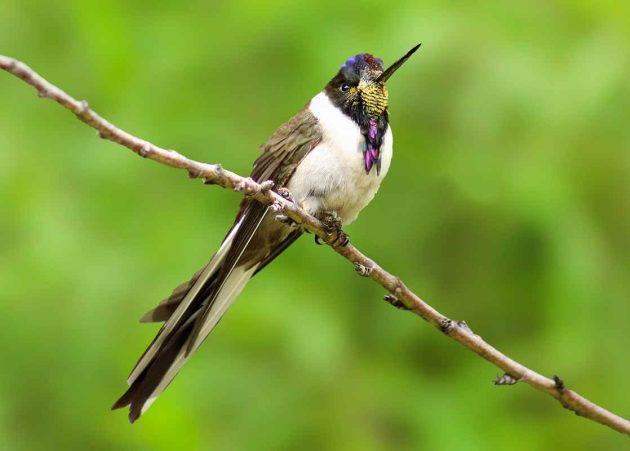
Bearded Mountaineer
How long have you been a bird guide?
I have been working as a bird guide since 2017.
How did you get into bird guiding?
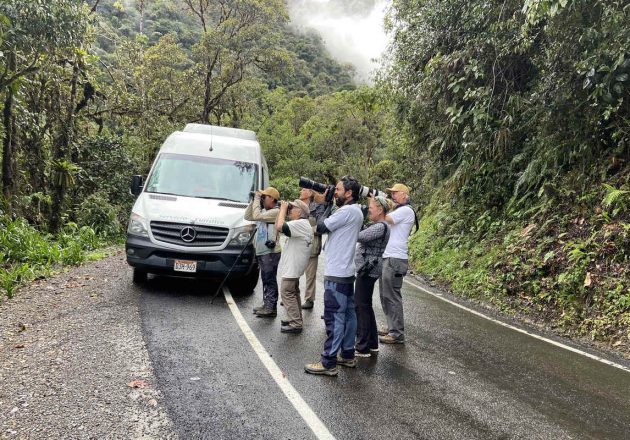
One day, a good friend of mine invited me on a 30-day expedition around Peru using a famous guidebook called Where to Watch Birds in Peru. That was my first experience with birds, and I picked up the passion right away.
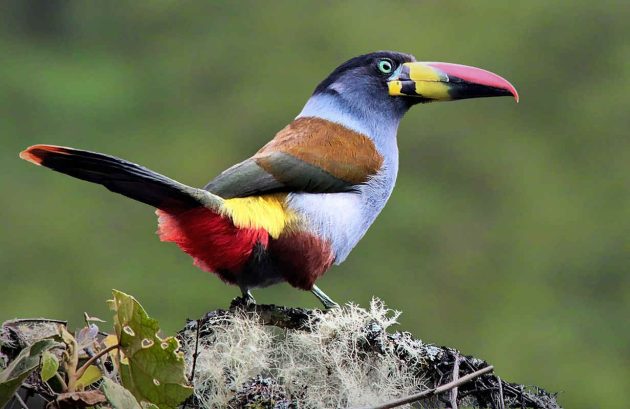
Gray-breasted Mountain-Toucan
What are the aspects of being a bird guide that you like best? Which aspects do you dislike most?
Aspects that I like best:
- The ´´spark´´ moment: creating a memorable and emotional connection between people and the natural world.
- Helping to protect biodiversity by supporting local reserves, providing data, and recording new species for my area or country.
- Sharing knowledge with others, and I love adding a species to their life list.
Aspects that I dislike most:
- When some customers do not have enough patience to observe difficult species, which usually take some time to see.
- The lack of empathy shown by some colleagues towards our visitors.
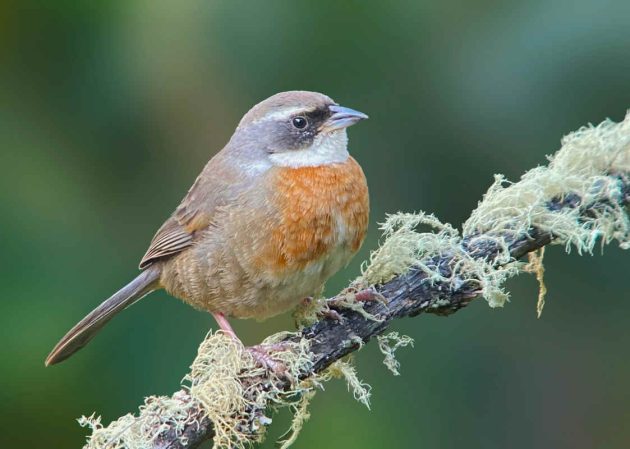
Chestnut-breasted Mountain Finch
What are the top 5-10 birds in your region that are the most interesting for visiting birders?
It is very difficult to mention only 10 top species, especially in a country as megadiverse and rich in endemism as Peru.
- Scarlet-banded Barbet
- Marvelous Spatuletail
- Red-and-white Antpitta
- Masked Fruiteater
- Royal Cinclodes
- Junin Grebe
- Peruvian Plantcutter
- Ayacucho Thistletail
- Vilcabamba Tapaculo
- Long-whiskered Owlet
- … and many, many more …
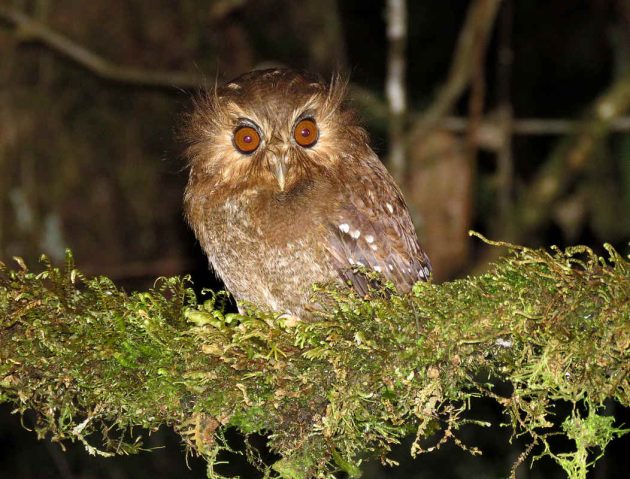
Long-whiskered Owlet
Can you outline at least one typical birdwatching trip in your area? Please briefly describe the locations, the key birds, and the approximate duration of such a trip.
The Ultimate Manu Road Birding Tour — From the Andes to the Amazon
One of the world’s most legendary birding routes—Manu Road, a place where dramatic landscapes and unmatched biodiversity converge. This tour takes you from the high Andean grasslands through elfin and cloud forests all the way to the lush Amazonian foothills, delivering a birding experience like no other.
Our 7-Day Manu Road Birding Tour is often considered one of the most productive birding routes on Earth. The tour follows a stunning altitudinal gradient that allows access to a wide variety of habitats, each with its own set of specialties and endemics. This trip is ideal for passionate birders looking for a route that combines scenery, wildlife, and ease of access.
Whether you’re chasing lifers or soaking in the jungle atmosphere, this Manu Road Birding Tour offers an unbeatable diversity of species and landscapes—making it one of the best birding trips in Peru.
Target Endemics and Highlights
From cloud forests to bamboo thickets and humid lowlands, the route features spectacular species such as:
Rusty-fronted Canastero (E), Marcapata Spinetail (E), Creamy-crested Spinetail (E), Inca Flycatcher (E), Chestnut-breasted Mountain-Finch (E), Amazonian Umbrellabird, Puna Tapaculo, Scribble-tailed Canastero, Puna Thistletail, Golden-collared Tanager, White-throated Screech-Owl, Urubamba Antpitta (E), Red-and-white Antpitta (E), Gray-breasted Mountain-Toucan, Andean Cock-of-the-rock, Peruvian Piedtail (E), Cerulean-capped Manakin (E), Andean Potoo, Yungas Manakin, Blue-moustached Barbet, Stripe-chested Antwren, White-crowned Tapaculo, Black-backed Tody-Tyrant (E), Fine-barred Piculet, Scarlet-hooded Barbet, Amazonian Antpitta, Hoatzin, Rufous-headed Woodpecker, Manu Antbird, and many more.
Tour Route: Birding Habitats
High Andes and Cusco Highlands – Elfin Forest and the Entrance to Manu – Cloud Forest – Foothill Bamboo and Wetlands.
This well-paced journey allows you to explore all major habitats of the eastern Andes and upper Amazon basin without rushing. Each elevation zone adds a new layer of diversity and discovery.
Comfort, Quality, and Expert Guidance
You’ll travel in private transportation, stay in charming birding lodges, and be guided by top-level birding experts. Accommodations include lodges like Wayqecha Birding Lodge, Cock-of-the Rock Lodge, and Manu Bio Lodge, ensuring both comfort and immersion in nature.
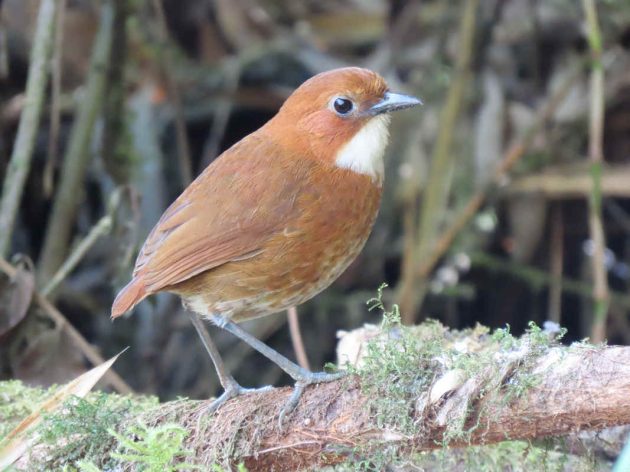
Red-and-white Antpitta
What other suggestions can you give to birders interested in your area?
The best time to visit southern Peru is between May and December. For northern Peru, the best time is between October and June.
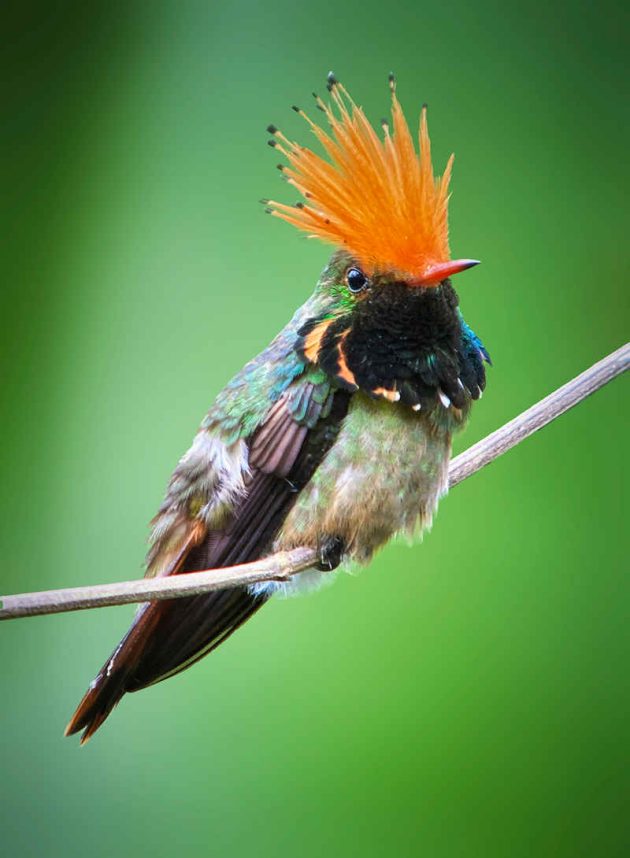
Rufous-crested Cocquette
If any readers of 10,000 Birds are interested in birding with you, how can they best contact you?
You can contact us via:
- Email: juanjosesalasfalcon@yahoo.com
- WhatsApp: +51 984 307 298
- Instagram & Facebook: Juan José Salas Falcón
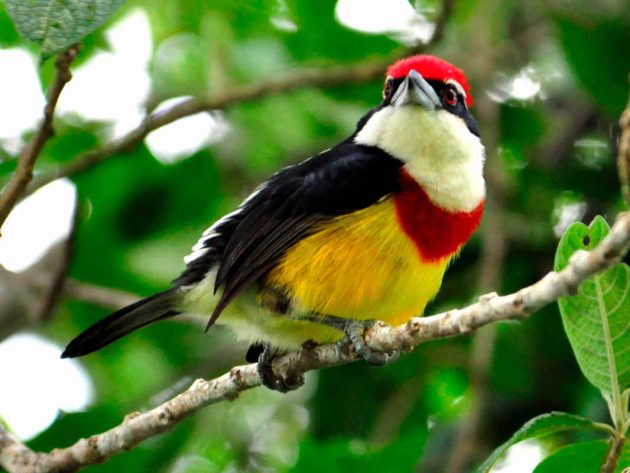
Scarlet-banded Barbet



I had a rather disappointing experience with this guide, Juan Jose Salas Falcon, and I honestly feel it is important to share some feedback so other travelers can have a broader perspective before booking his services.
Beyond technical knowledge or field experience, I believe a professional guide should create a comfortable atmosphere, show empathy, and maintain a positive attitude throughout the trip. In this case, I often felt that too much attention was placed on his own discomforts and personal concerns, rather than on the overall experience of the guests.
As a traveler, you expect a guide to be adaptable, solution-oriented, and capable of handling the normal inconveniences that can happen in remote destinations. Unfortunately, the impression I got was of someone who seemed more focused on how situations affected him personally, instead of maintaining a calm and professional attitude for the benefit of the group.
I also found the way certain complaints and frustrations were communicated to be uncomfortable and, at times, unprofessional, which negatively impacted part of the experience.
Traveling to remote places naturally comes with logistical limitations, and that is precisely where a guide’s professionalism and character become most important. I personally expected a more mature, collaborative, and guest-focused attitude.
I genuinely hope he improves in this aspect, because being a guide is not only about leading tours — it is also about providing leadership, reassurance, and positive energy to the people who trusted him with their travel experience.