
I have never been to Mallorca, but I imagine it a bit like Lijiang, a Chinese ancient town turned tourist spot: masses of tourists filling restaurants and bars in a way that makes me want to just run away.
Fortunately, there is a park about one kilometer north of the city, romantically named Heilongtan (“Black Dragon Pool”) Park. It is not too bad for birding, if you do not mind the still not small numbers of tourists visiting the park (apparently, not every Chinese wants to be in a restaurant all the time – a bit of a surprise to me).
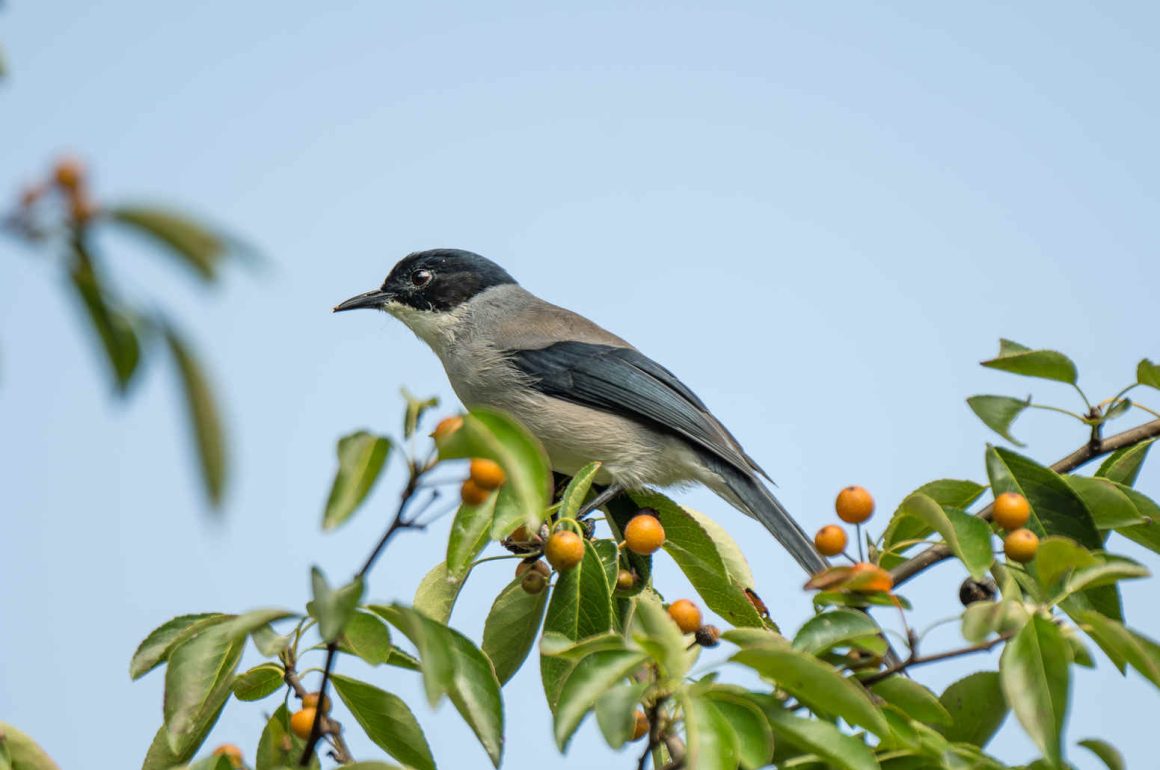
As usual, I forgot to take photos of the broader scenery and just captured birds. Quite a few of them were attracted by a fruiting tree right next to the lake.
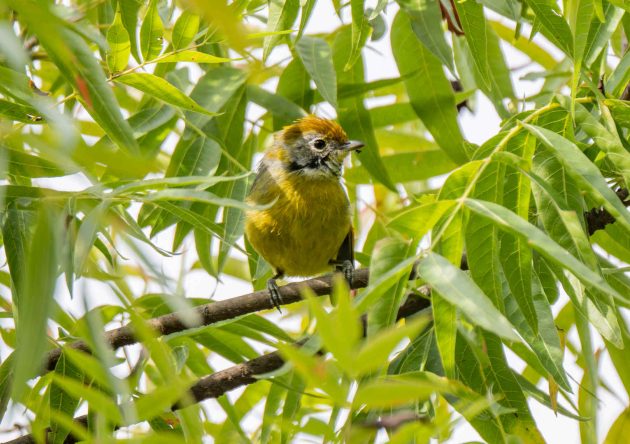
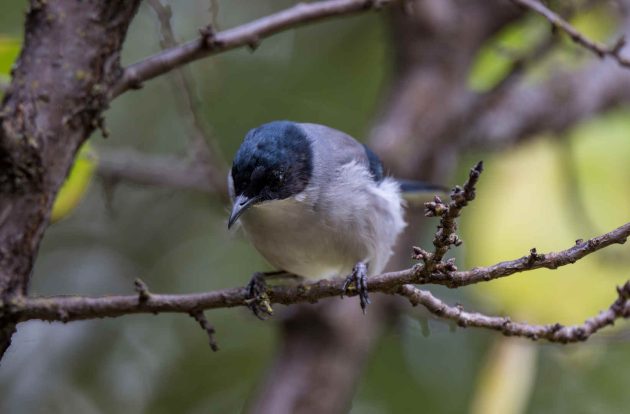
Such as the rather attractive Bar-throated Minla, presumably the subspecies yunnanensis, which to me looks exactly like the subspecies traii, but then again, I also think all wines taste exactly the same.
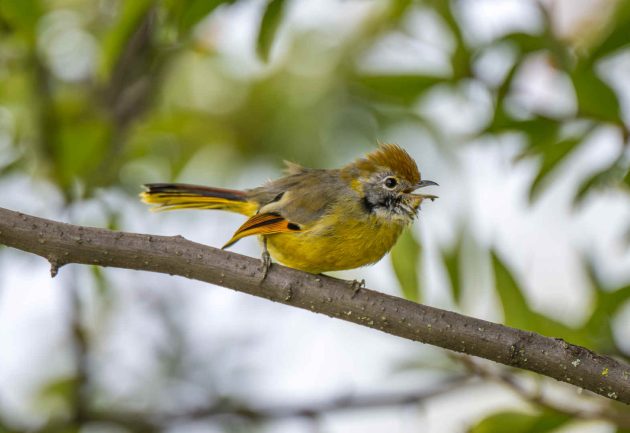
This minla is a frequent participant in mixed-species flocks, though it lacks distinctive leadership qualities – it was observed only to be a clear leader in 4 of 26 flocks it participated in (source).
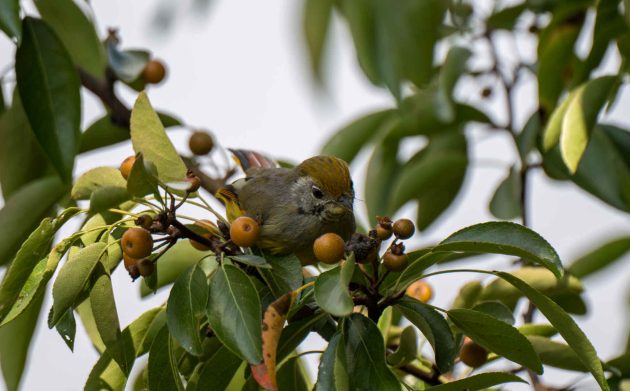
Maybe thoroughly studying one of these popular business books about leadership would help the species gain a greater profile.
The Blue-winged Minla is a species in the same genus, Actinodura, and it is similarly attractive.
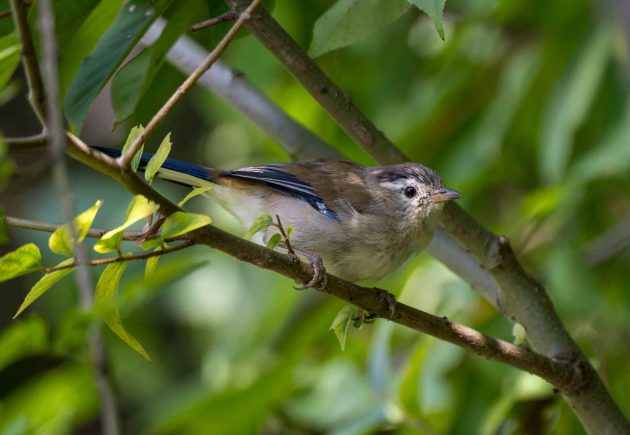
It is a bit more decisive as a leader, leading the majority of mixed-species flocks it participates in disturbed areas (source).
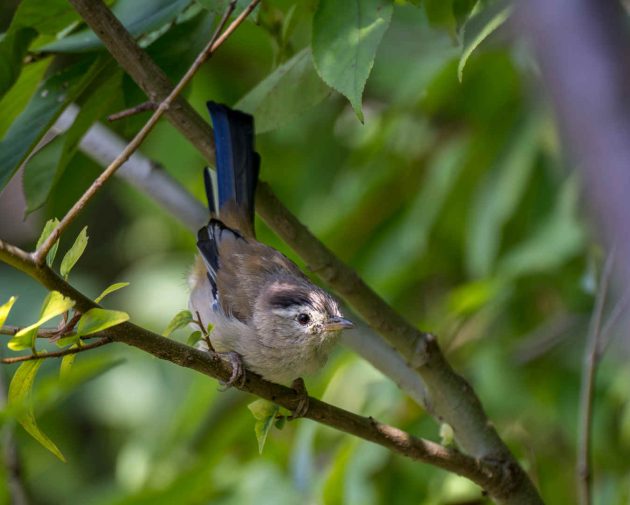
For some reason, it also seems to be particularly attractive to feather mites (or maybe to people researching feather mites) – several new species of such mites were found on it (source example). A somewhat dubious honor, if you ask me.
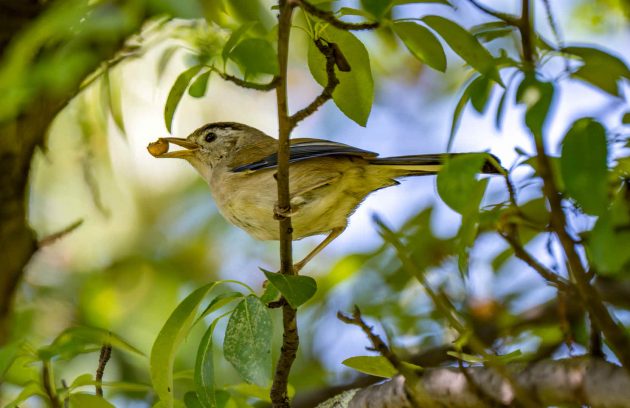
The Black-throated Bushtit is mentioned in the same paper, also as a leader of mixed flocks in disturbed areas.
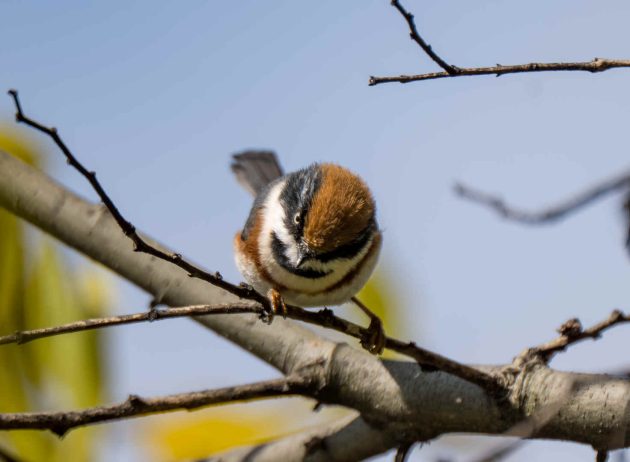
Nice to know that cuteness can be combined with leadership qualities. Maybe an idea for a business book? Weaponizing Cuteness for Corporate Leadership?
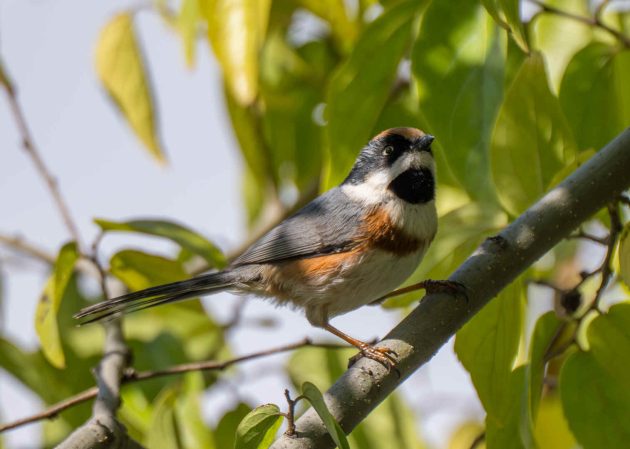
I am not going to weigh in on the advantages and disadvantages of uniparental vs. biparental care in humans, but in tits, there are advantages of the biparental model. Case in point: a comparison of Black-throated Bushtit (biparental incubation) and Silver-throated Bushtit (uniparental incubation). Apparently, the first model provides a more stable thermal environment – though the chicks later may still turn out to be Trump voters.
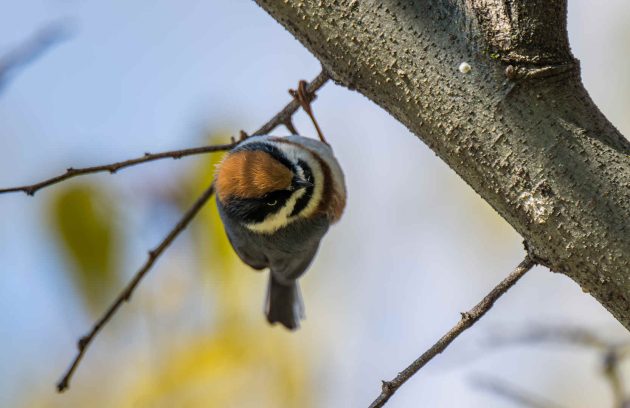
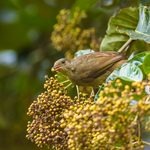
The fourth species visiting this fruit tree and getting the attention of the waiting photographer (and a few curious Chinese tourists wondering why this foreigner was not taking selfies) was the Rufous-vented Yuhina.
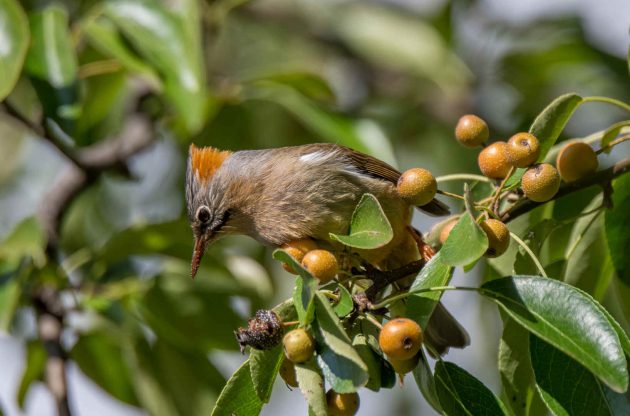
You probably guessed it – the scientific names of the previous species were pretty boring, otherwise I would have mentioned them. The Yuhina is not much different – the occipitalis of the Yuhina occipitalis just means something like “at the back of the head” and does not allude to any bloodthirsty or slave-trading monsters/humans.
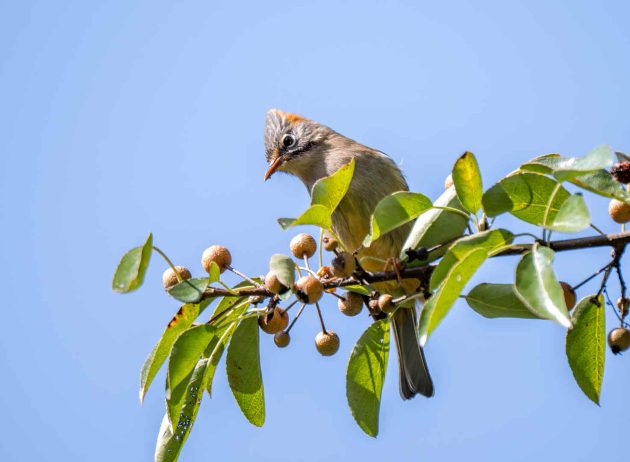
As with most of the previous species, there are few papers on it. One that mentions the yuhina is titled “A Bird Paradise in north eastern India”, which is exactly the kind of title that – when receiving guest posts for 10,000 Birds as an editor – makes me cringe.
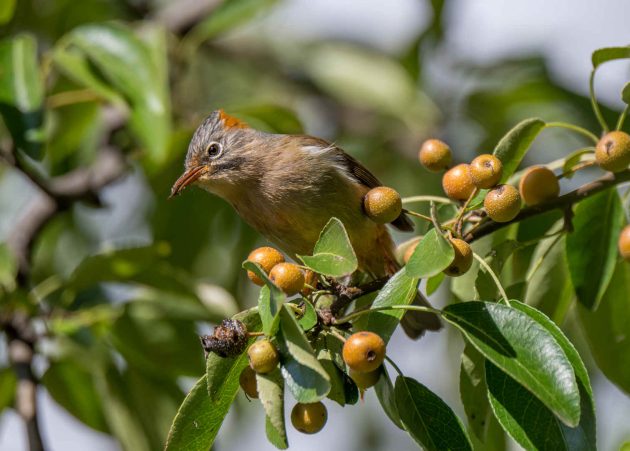
It does not really say anything about the yuhina either, only listing it as a species. Double bummer.
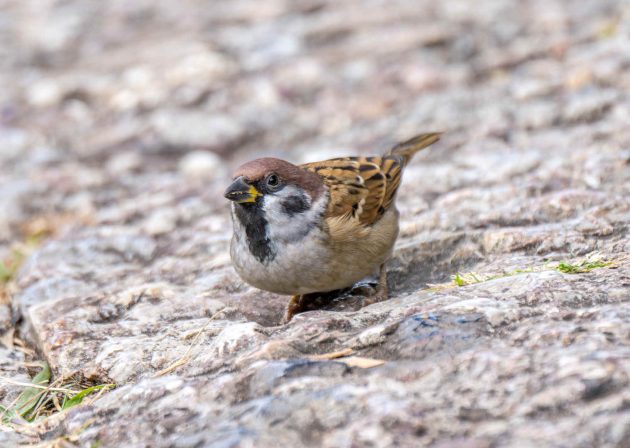
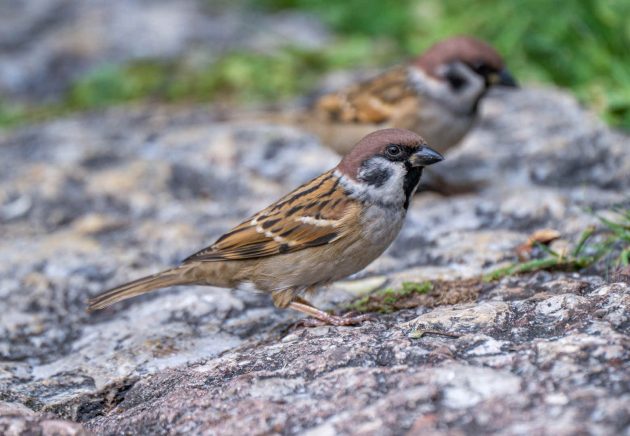
While I will briefly mention the Eurasian Tree Sparrows (probably less attracted by the fruit and more by whatever the tourists leave behind) …
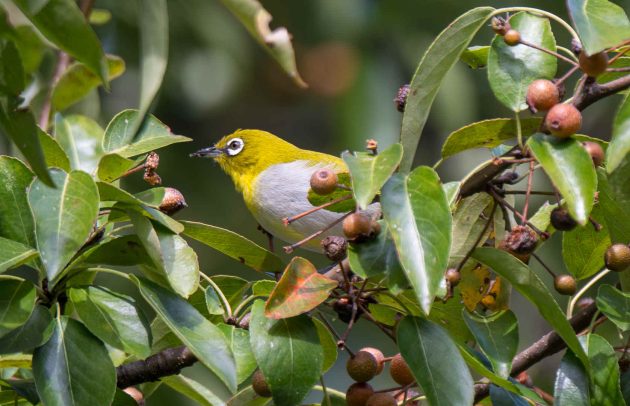
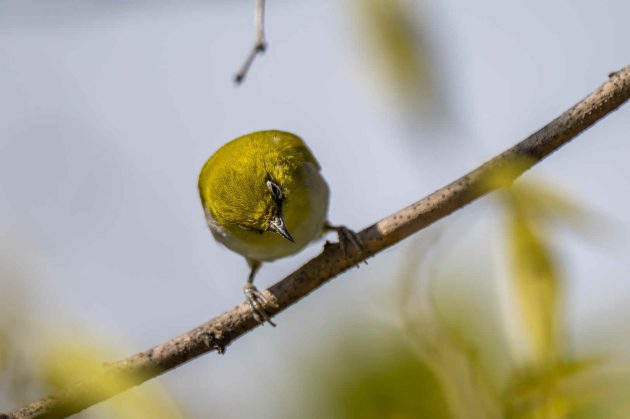
… and the (presumably) Indian White-eyes (who knows if this is the correct species, as they all look the same anyway, but see my wine comment above), …
… I will – at the end of an almost endless sentence which few of the readers will have been able to follow up to now – write a bit more about the last interesting species visiting the fruit tree, the Black-headed Sibia.
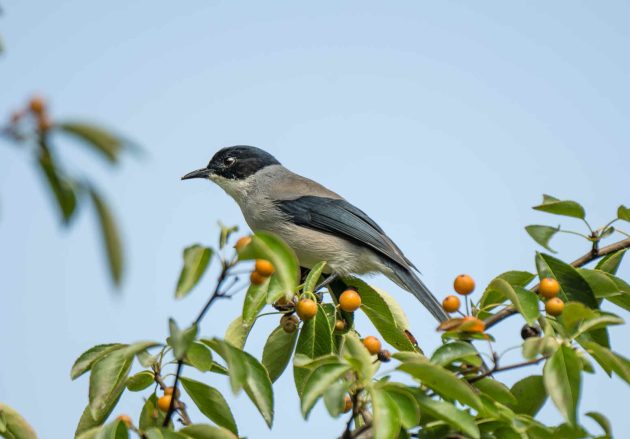
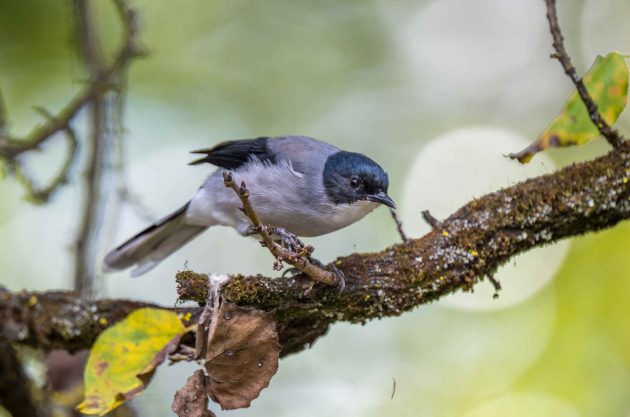
Promisingly, its scientific name, Heterophasia desgodinsi, sounds a bit more interesting. Heterophasia means something like “having a different appearance” (from what? No idea), while the species name commemorates Abbé Auguste Desgodins (1826-1913), a French missionary to Tibet and Hong Kong. Or maybe not? The Wikipedia entry on him notes that he was granted a visa to Tibet but was repelled from the border on multiple occasions.
The French version of his entry is much longer, more detailed (though badly edited), and contains interesting bits such as “He disguised himself as a Chinese mandarin to cross Manchuria, traversing the entire province of Canton and Fulani, but was unmasked in Sichuan.” Maybe he did not shave his beard?
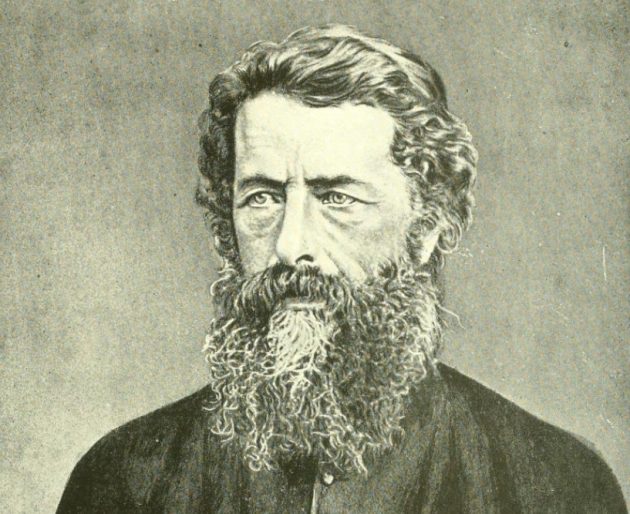
Anyway, like the minla above, the sibia might be an attractive target for lice – it is mentioned in a paper on chewing lice of Yunnan birds.
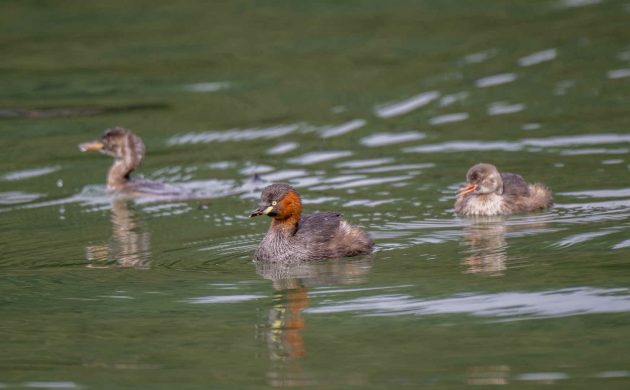
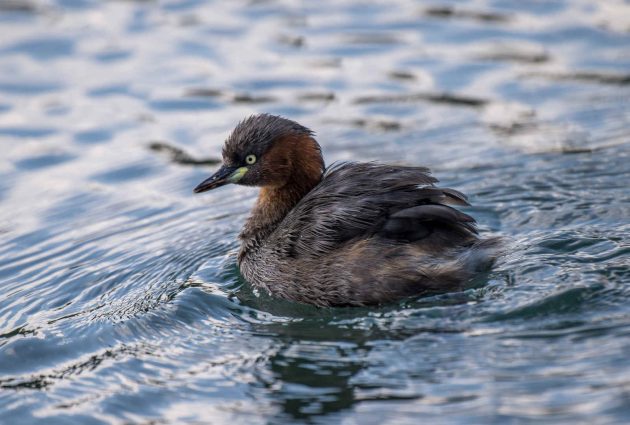
Away from the fruit tree, there were a few very common birds that I just mention here to allow me to squeeze a photo in – Little Grebe …
… Daurian Redstart …
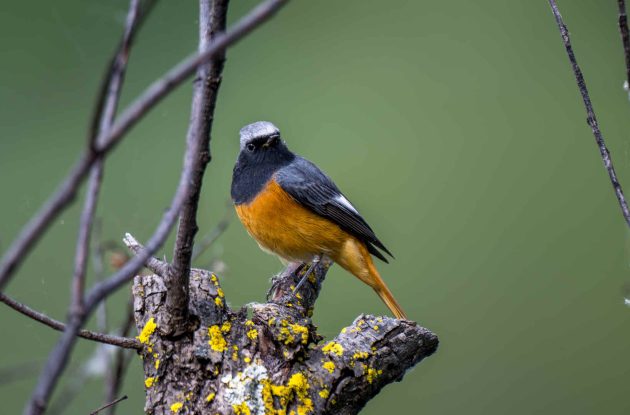
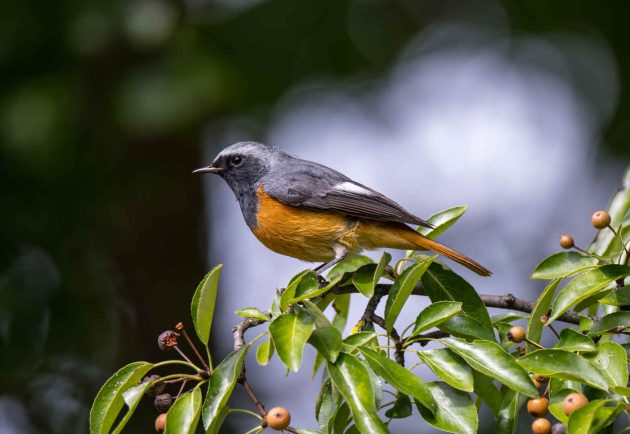
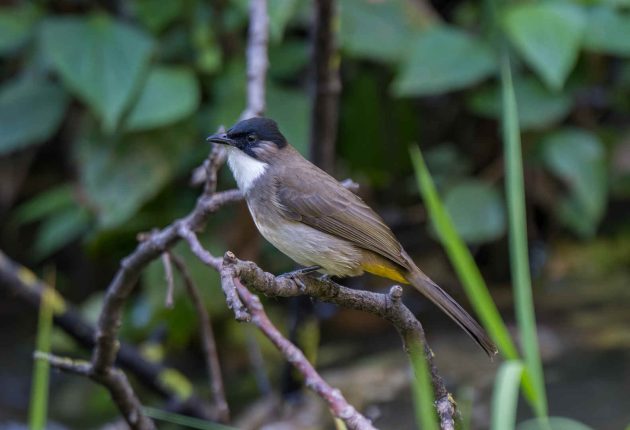
and Brown-breasted Bulbul.
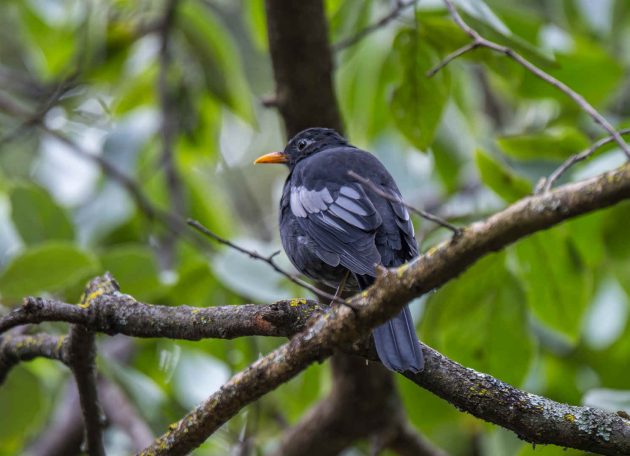
The final, more interesting bird was a Grey-winged Blackbird in a relatively dense forest next to a temple. Not an ideal shot, but my excuse is that while I was taking these photos, I got approached by about 20 teenage school kids who wanted to know what I was doing.
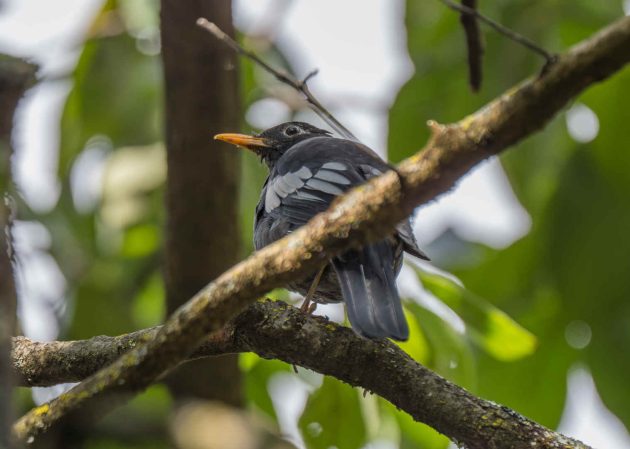
And taking decent photos while speaking bad Mandarin is way above my capability for multitasking.





From your recent outing, I presume? Really nice photos, interesting (at least to me as I’m in North America!) and hilarious commentary! I take it you aren’t a wine drinker…
This was a short trip to Yunnan done in October 2025 – I just went back to the same province in March 2026, but to different locations. Yunnan is almost the size of California, so there are enough different locations to choose from.
As the German writer Max Gold once said, “Wine is what you drink when you have run out of beer”. So, correct, I am not a wine drinker …
Thanks for the photos and wonderful commentary