

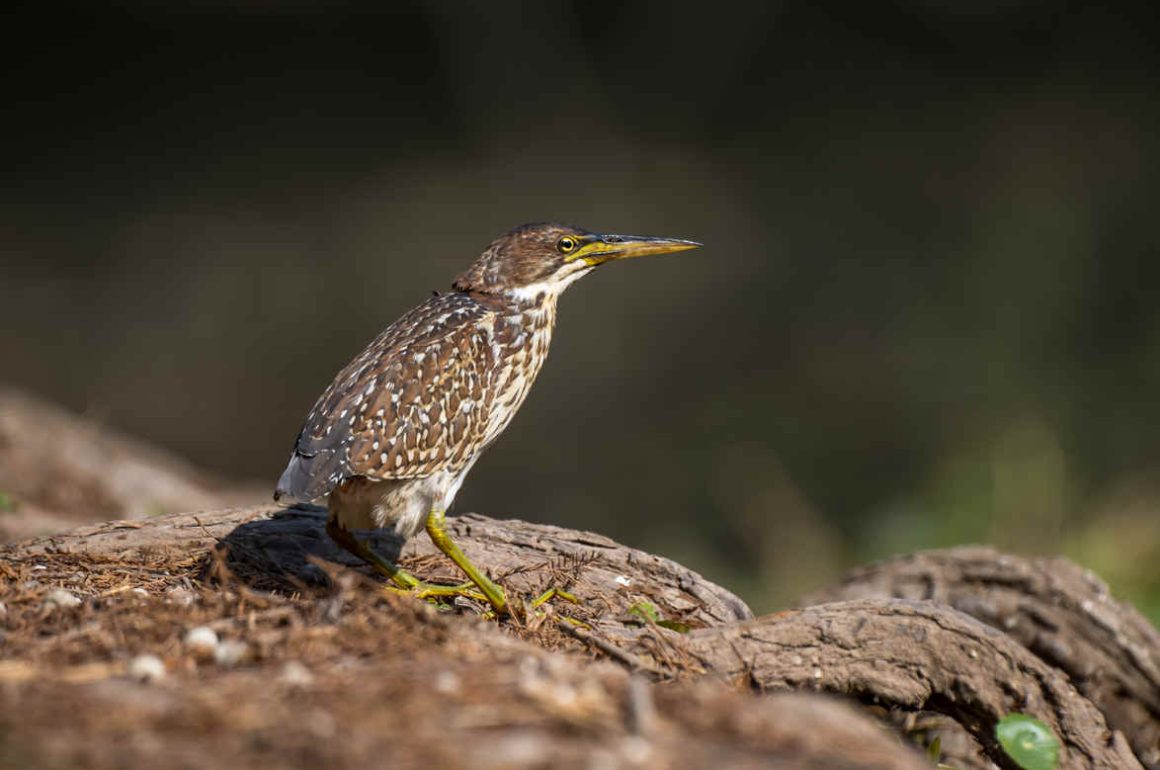
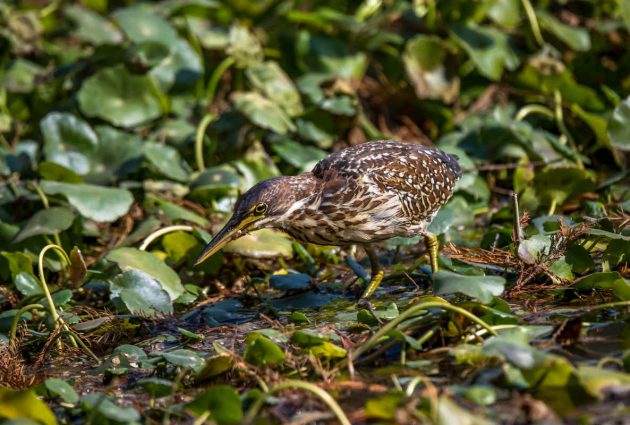
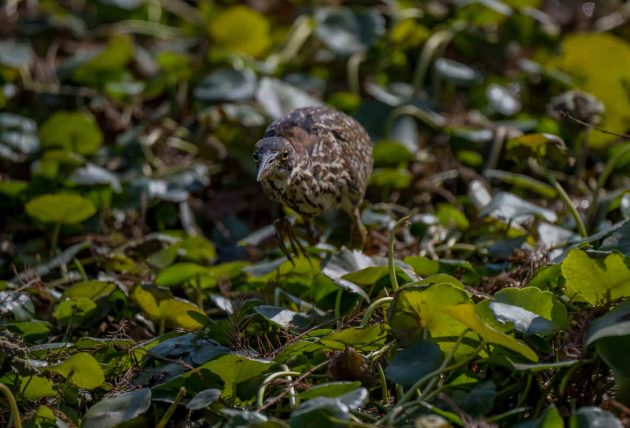
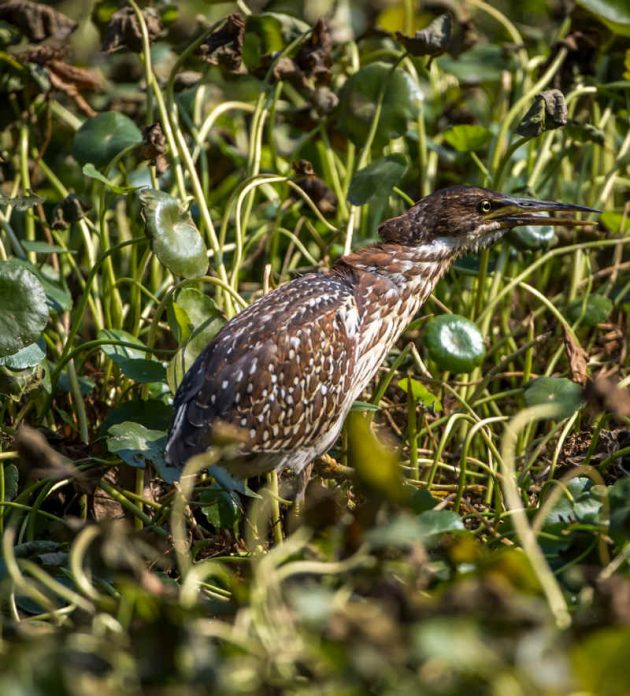
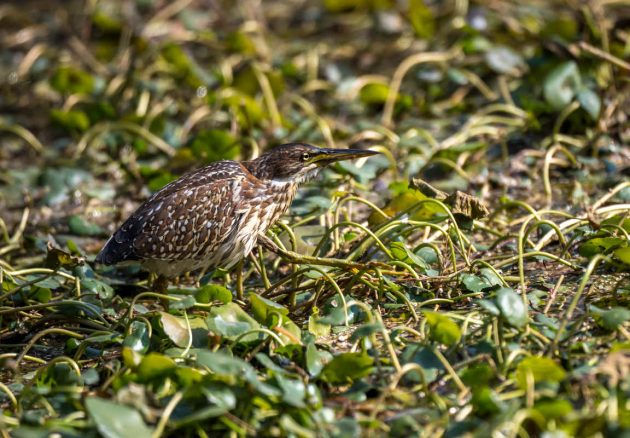
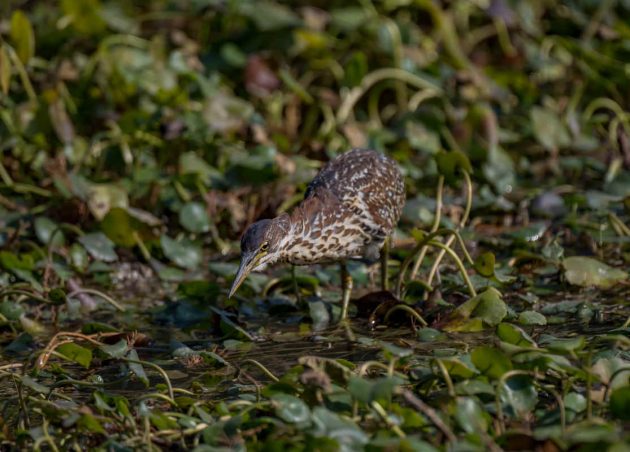
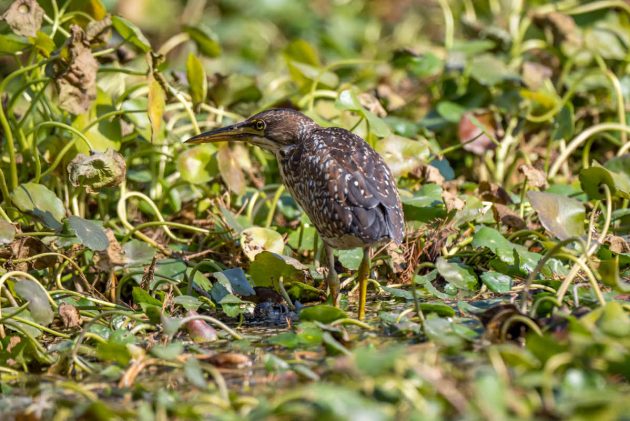
This is again one of these birds for which not much information is available. But a female has stayed in a Shanghai park for several days now, allowing for good photos, so I feel compelled to prepare a post on it just to show the photos.
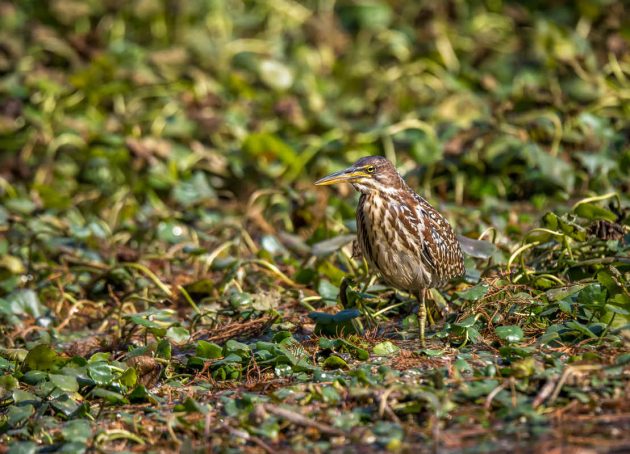
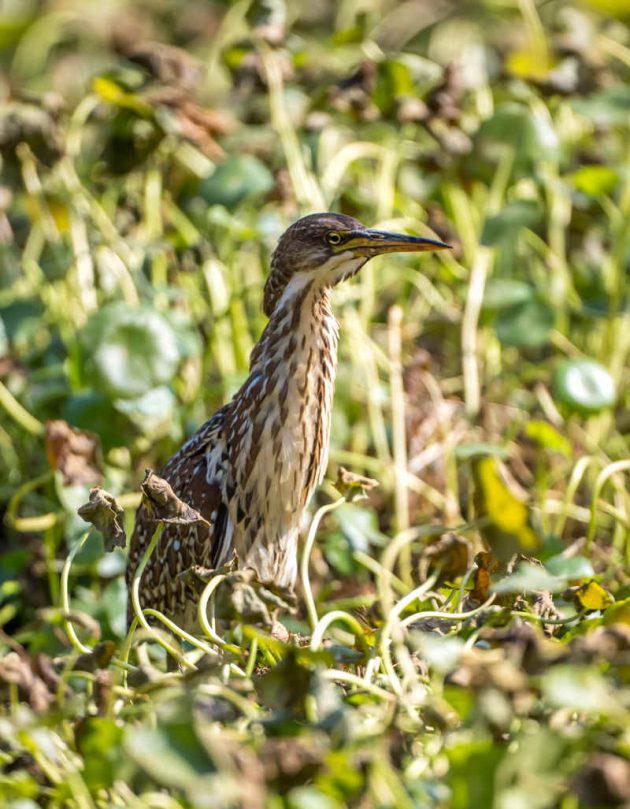
Thus, I am more or less forced to ramble on about the name of the species. The “von” is a German part of a last name indicating some low-level nobility.
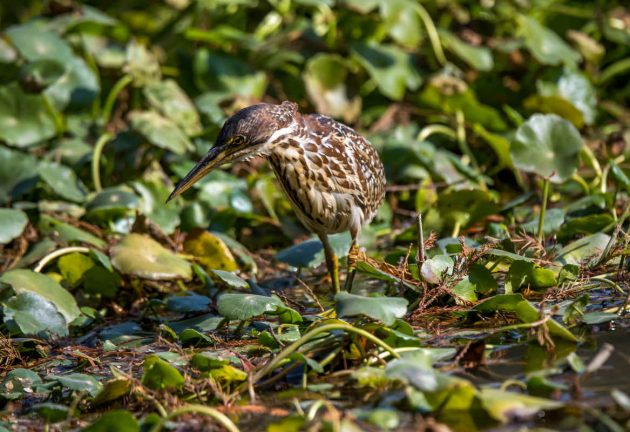
There are only two bird species that have this “von” in their name, the other being the Von der Decken’s Hornbill.
(Incidentally, my mother’s maiden name also had a “von” in it (“von Wilpert”), which she stupidly gave up when marrying my father.)


So. Peter Leopold von Schrenck (1826 – 1894) was a Russian zoologist, geographer, and ethnographer. He came from a German Baltic family (same as my mother’s family, curiously), and his scientific papers, as cited on Wikipedia, are in German.
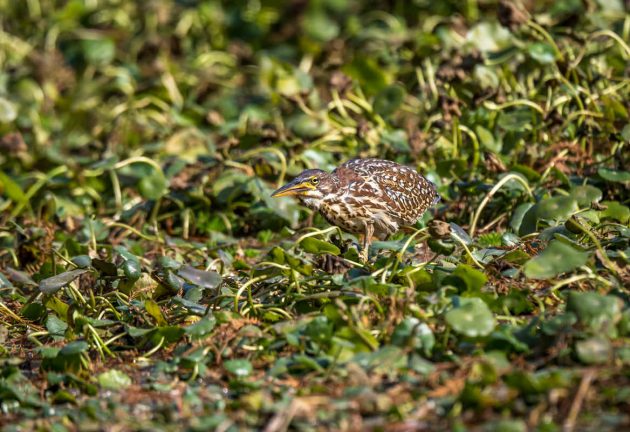
He traveled and explored parts of Russia’s far eastern regions and had several animals named after him, including a snake, a fish, a butterfly, and, of course, Von Schrenck’s Bittern.

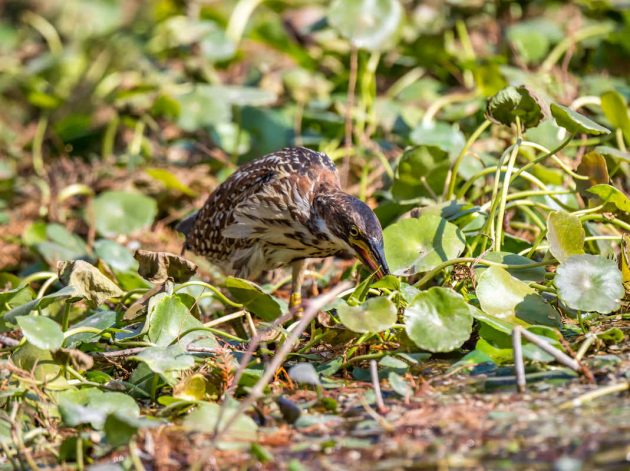
The scientific name Botaurus eurhythmus sounds a bit more attractive than the English name – eurhythmus means something like graceful, well-proportioned, which seems a bit strange as to me, the bittern looks more like Quasimodo than a graceful statue. But hey, maybe beauty ideals were different then.
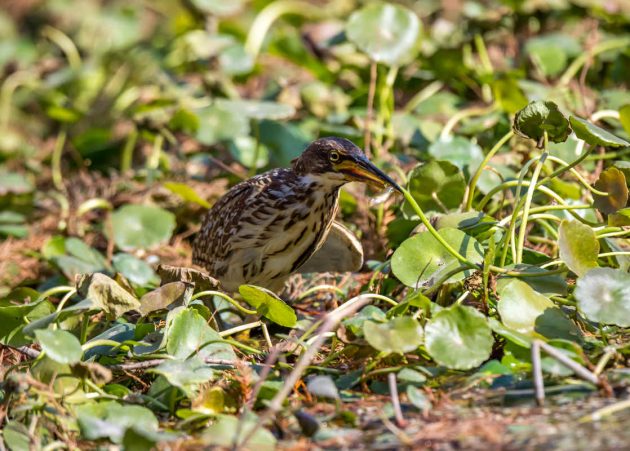

It is not quite clear to me why Von Schrenck’s Bittern is listed as Least Concern (downlisted from Near Threatened in the past). After all, the HBW gives a rather small population number: “Global numbers have been estimated at ca. 1,000–25,000 individuals, or 670–17,000 mature individuals.”

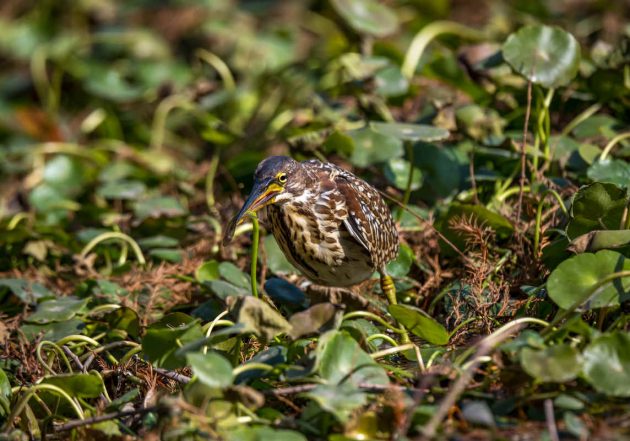
As for food, the bittern eats “small fish, frogs, shrimps, isopods, and a variety of insects and their larvae” (HBW) – at least the first two should be visible on some of my photos.
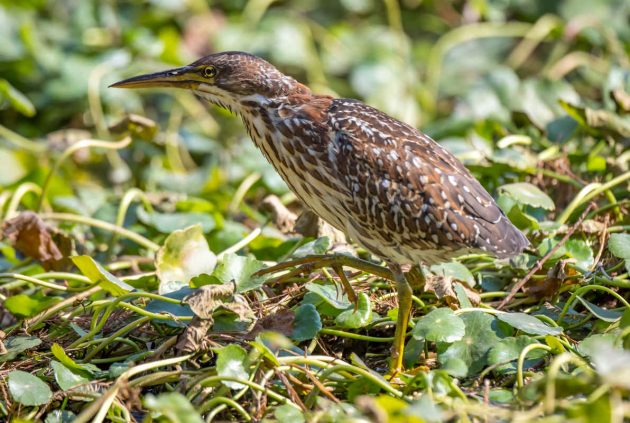
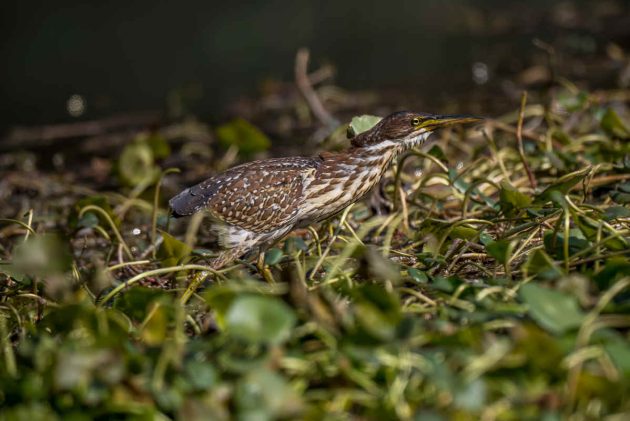
My photos show a female, which, in my opinion, actually looks more interesting than the male due to the camouflage pattern.
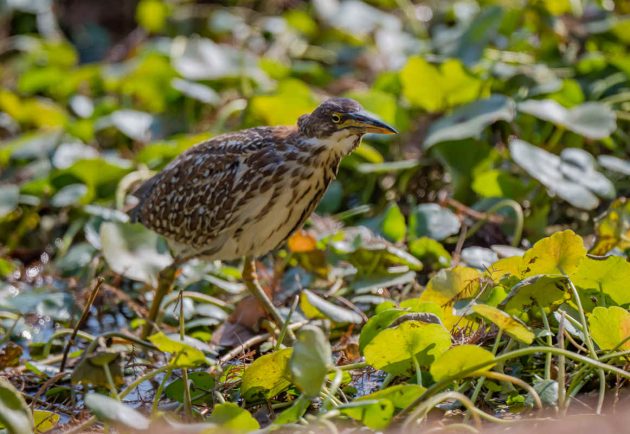
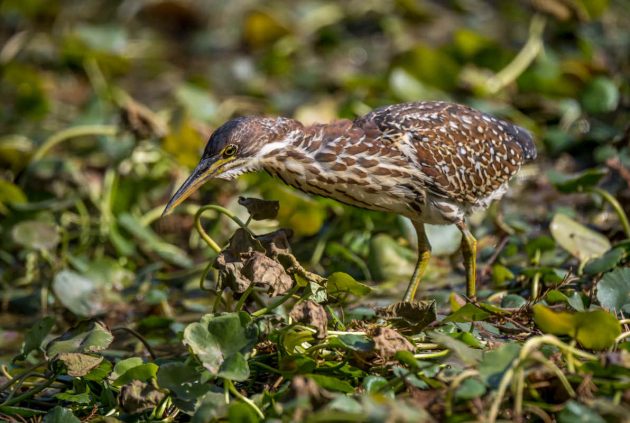
Finally, it is a bit strange to have this bird in Shanghai in winter, despite this winter so far being quite warm. While Shanghai is in its breeding range, it winters in the Philippines and even further south. I hope it will survive the Shanghai winter.














Leave a Comment