

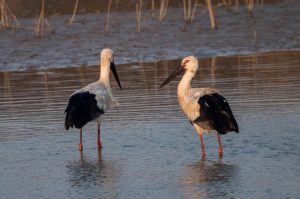
To be clear: birds do not bring doom, misfortune, or anything else you might hear from superstitions. Anyone who warns that an owl is a bad omen or a magpie will bring sorrow is just having fun with folklore … or you … or is simply being plain silly. Still, it’s interesting to see which birds people around the world have historically linked to misfortune—and why. Here’s a look at 10 birds considered unlucky, purely for cultural curiosity.
Owl – Long associated with death or misfortune in parts of the world. Mostly, it just sits there looking mildly disapproving.
Magpie – British folklore warns that a single magpie brings sorrow. In practice, it usually just brings noise.
Vulture – Scavengers by nature, vultures are tied to decay. In reality, they’re just doing their job—though having them circle over a picnic may feel tense.
Heron – Occasionally seen as a warning near settlements. Usually of potential fishy smells.
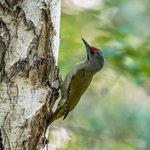
Woodpecker – Occasionally seen as a nuisance or omen when appearing near the home. Really, it’s just making holes in trees, or at worst, your house.
Cuckoo – Sometimes seen as unlucky because of its habit of laying eggs in other birds’ nests. A habit unlikely to make it popular with the neighbors.
Nightjar – This nocturnal bird is rarely seen, and its secretive habits led to beliefs that it brought bad luck. Mostly, it is just introverted.
Blackbird – In some European traditions, blackbirds near the home were unlucky. In reality, they are only unlucky for worms.
Crow – Often linked with bad omens and dark symbolism. That all changed when black became the new black.
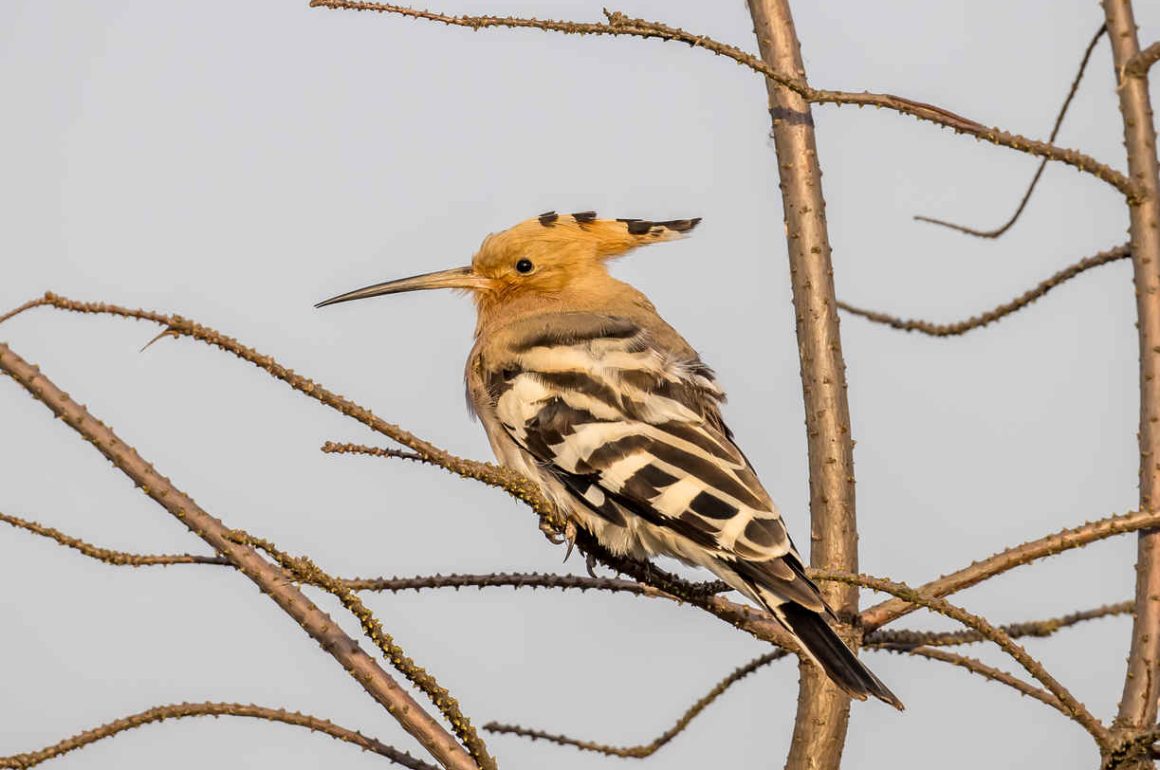
Hoopoe – Sometimes linked with bad luck, perhaps because it looks slightly unconventional. The hoopoe seems unconcerned by this.







Not the superstitious type, but I do consider a day with both a kingfisher and a snake very lucky whereas a day with only crows is bad.
Hoopoes are highly revered in Islam: https://www.10000birds.com/a-holiday-in-egypt.htm
I was driving along a dusty Spanish road and asked my (resident) companion if there were snakes in the immediate area: at that very moment (swearing on my mother’s grave) a raptor flew down by the side of the road as we were passing, seized a snake and flew off with it! Speechless, both of us looked at each other and then burst into laughter. A bird lore superstition was born there and then!