

I’ve spent the last few days flailing in the pursuit of an appropriate topic for this post, having just come off a tour that ended on Sunday night. Sure, I can speak about the tour, and what we did, and the birds we saw, but then I’d have to include some pictures of these birds – pictures that are still sitting comfortably on memory cards. The other issue I encounter when I’m guiding is that I’m unable to multitask, so while I can do multiple things when on a birding tour, they all must be directly related to the tour. It’s easy for me to make sure lunch arrangements are set and that we get there on time such that we can finish with enough time to digest before getting on a boat that afternoon while pointing out and identifying obscure flycatchers in the canopy – but don’t ask me to respond to an email until the tour is over. What happens then is that once I’m off the tour I take a couple days to pick up where I left off, thus explaining the mental mire which resulted in my inability to find something to write about.
Late yesterday evening, I was reminded that April 22nd is Earth Day. Whether it is worth celebrating is still up for debate, despite this I managed to claw together another piece that I published on my personal blog. In retrospect, I should’ve put some more thought and preparation into this global post. I felt it appropriate to showcase a selection of different birds from various corners of this glorious planet; an idea that made me feel simultaneously relieved (to have an idea) and disappointed (that I didn’t have it earlier to invite other contributors).
Nevertheless, in a few weeks there will be another form of Earth Day, one that is far more relevant to us birders: Global Big Day. This Global Big Day, we at 10,000 Birds will again be fielding a team, and there will be a collaborative post featuring the birds we encountered on our adventures.
Until then, I’d like to share a few choice birds from some of the regions I’ve visited thus far as a nod to the interconnectedness that makes our planet what it is. We have categorised them based on their differences, but they are much more alike than different, as we are as well.
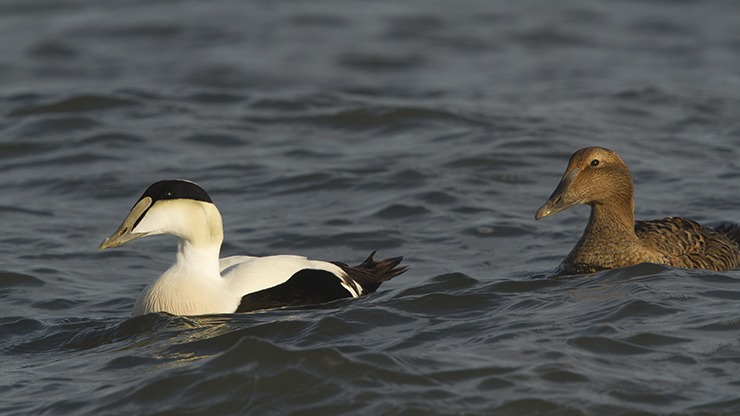
Common Eider
I flew to New Jersey in 2013 to see Purple Sandpiper and Harlequin Duck advertised as potential sightings for a bird photography workshop at Barnegat Jetty. This tropical man nearly froze several times while waiting for the perfect shot on that icy jetty, but somehow managed to survive. Entirely smitten by the resplendent harleys and the subtle beauty of the Purple Sandpipers, it was a fleeting sighting of a pair of Common Eider that stuck with me. They are the largest duck in the Northern Hemisphere (I just learned that), and thus far, the only eider that I’ve seen. They never came close, and most folks on the workshop never got a whiff.
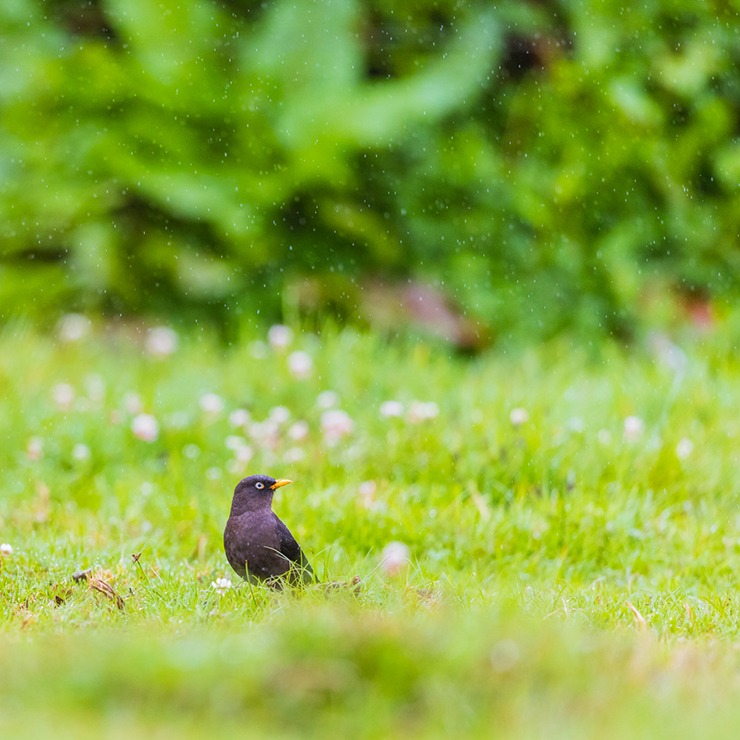
Sooty Thrush
We came upon this Sooty Thrush just as the rain began to burst from the skies on the slopes of Turrialba Volcano in Costa Rica. Hosted by the kind folks at Rancho Naturalista, I was out with guides Harry and Meche, who ensured that there was enough coffee to go around. We pulled our sweaters close as the clouds rolled in, and we were all excited to see this near-endemic thrush. Something about its light-coloured eyes against that sooty plumage really drew me in. Birds of the World describes its song as “poor”, but I’d be careful with those strong words applied to any bird in the Turdus genus.
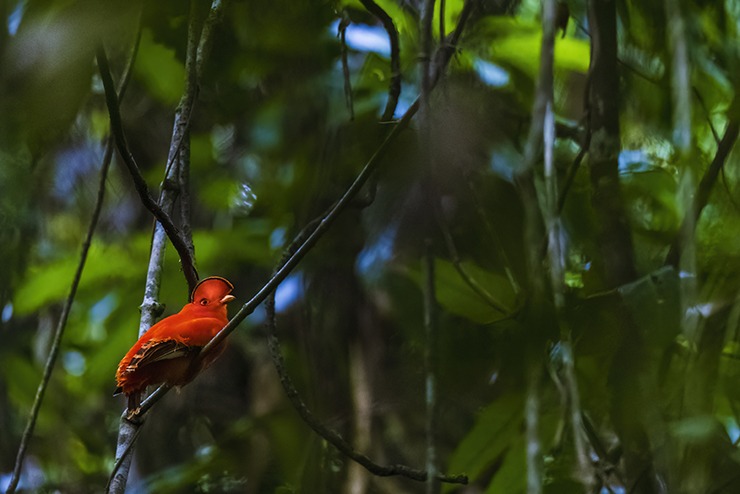
Guianan Cock-of-the-rock
There are few birds that exude the vibe of the Neotropics as well as the members of the cotinga family. Comprising some truly absurd looking birds, it honestly is difficult for any of them to stand out – yet the Guianan Cock-of-the-rock manages this feat with ease. The real question here is how does one pluralise “cock-of-the-rock”?
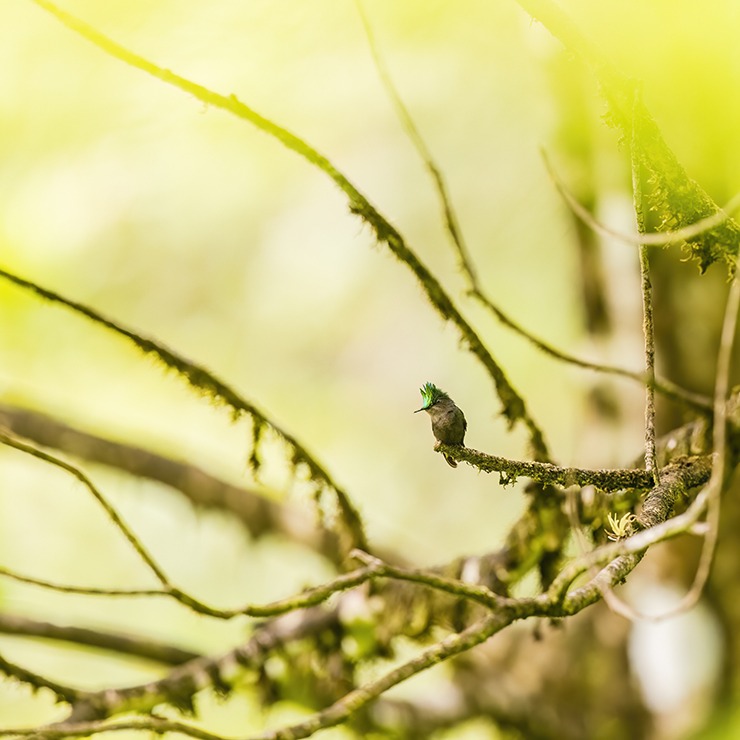
Antillean Crested Hummingbird
There must be a hummingbird in here, and this tiny, yet easily identifiable resident of much of the Caribbean felt like the perfect candidate. Only males have the crest that flashes with the same colour and intensity of the flames that leap out of burning copper, and like most hummingbirds, this is only visible when he wishes. While treated as a Lesser Antillean endemic, it also ranges north to Puerto Rico.
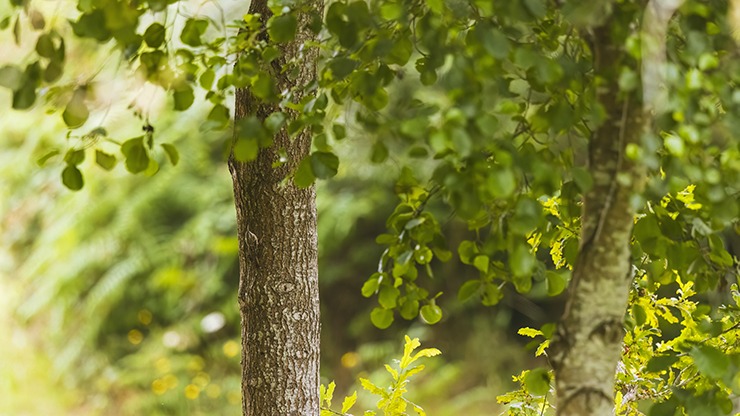
Short-toed Treecreeper
I initially began this section with Eurasian Treecreeper in mind; it was only after doing some more reading that I began to think that this photo is actually of a Short-toed Treecreeper. Some say the two species are inseparable, some key field marks that were noted include the duller supercilium on the latter species which never meets above the bill. When I zoomed in on my photo, it seems that is the case here. That being said, I am grossly inexperienced in the creeper department. Their ability to blend seamlessly with the bark is astounding!
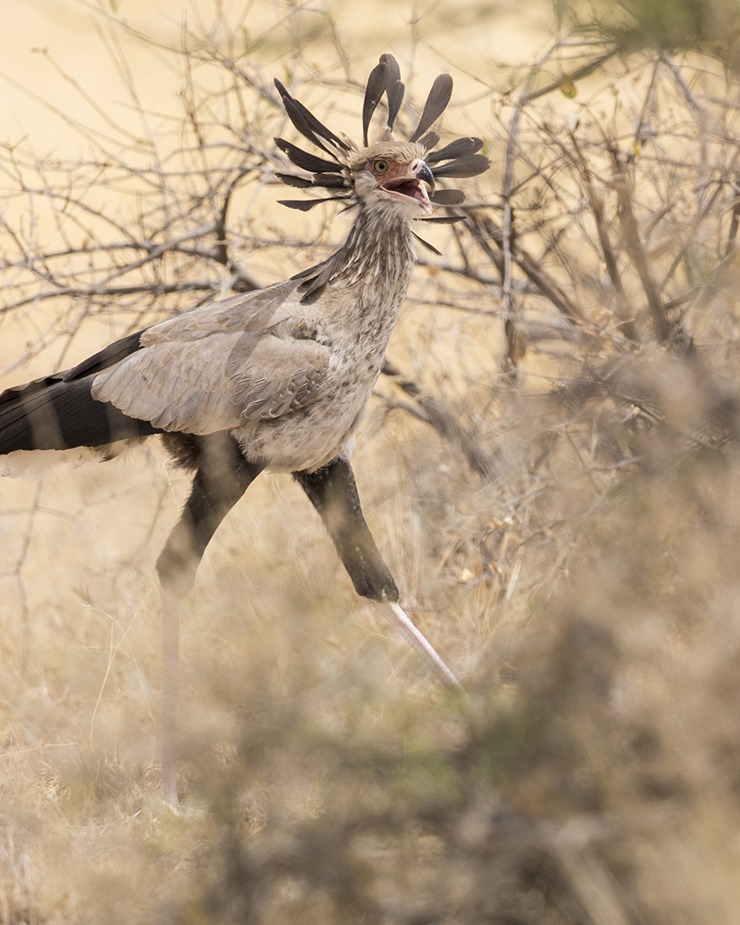
Secretarybird
Few birds are as iconic or emblematic as the Secretarybird. Even non-birders get excited when our safari vehicle rolls up on one of these modern-day velociraptors. Some say it is the pure brutality with which they bludgeon otherwise formidable prey, rendering venomous snakes to mush. Others claim the appeal of the Secretarybird is its enviable eyelashes, or its ornate crown of quills. What about those yoga pants, though?
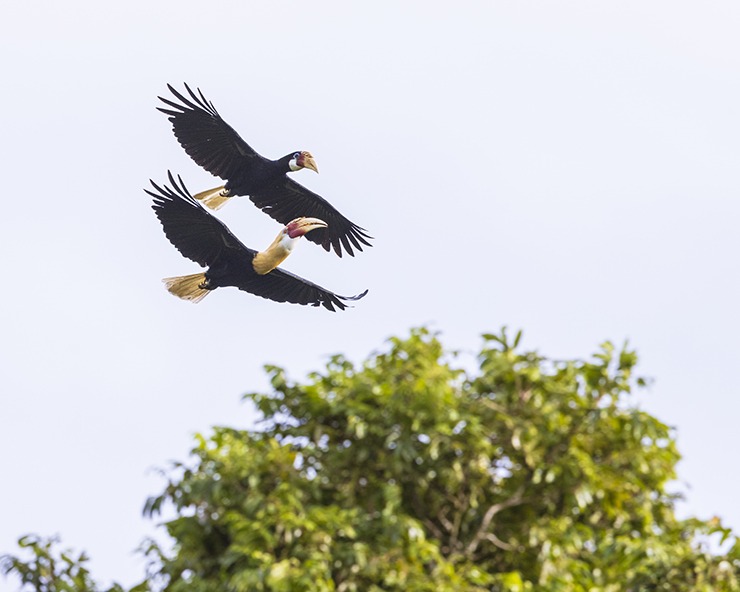
Blyth’s Hornbill
While I had already experienced several species of hornbills by the time I made it to the Solomon Islands in 2024, Blyth’s Hornbills made me rethink what I knew of them. Maybe it was my inexperience with hornbills at close proximity, or the fact that I was mostly on foot in typically quiet jungle habitat; I had never before heard wings that swished louder than those of these massive hornbills. It seemed as their wings would be noisy even when gliding, and I heard them flying nearby several times before I eventually got eyes on them. I always saw them in pairs, these hornbills are cavity nesters with the female wholly dependent on her mate during the incubation period.









I almost thought you had cropped the Treecreeper photo and included only the non-bird part! Great post, thanks!
Susan – this is actually a wonderful idea, saving it for next year’s 1st of April post.