

Short answer: nobody knows.
There is no global database tracking avian screen time across cinema history. This list is therefore based on cultural frequency — a reasonable estimate of species that are distinctive, symbolic, easy to film, and repeatedly used. Not necessarily central to the plot. A possible Top 10:
1. Bald Eagle
If a film needs to say “America” without using words, the Bald Eagle will appear within thirty seconds. Government buildings, patriotic montages, inspirational speeches, military flyovers — the Bald Eagle is less a bird than a national logo with feathers.
2. Common Raven / American Crow
A corvid will be visible in the corner of the screen whenever something bad is about to happen. With Edgar Allan Poe long dead, nobody needs to pay royalties when linking this bird to gothic buildings, deserted battlefields, or abandoned houses.
3. Rock Pigeon
If films were ranked by the number of startled flocks exploding from a plaza, pigeons would win in a landslide. If you want to indicate “city” without skyscrapers, pigeons are the way.
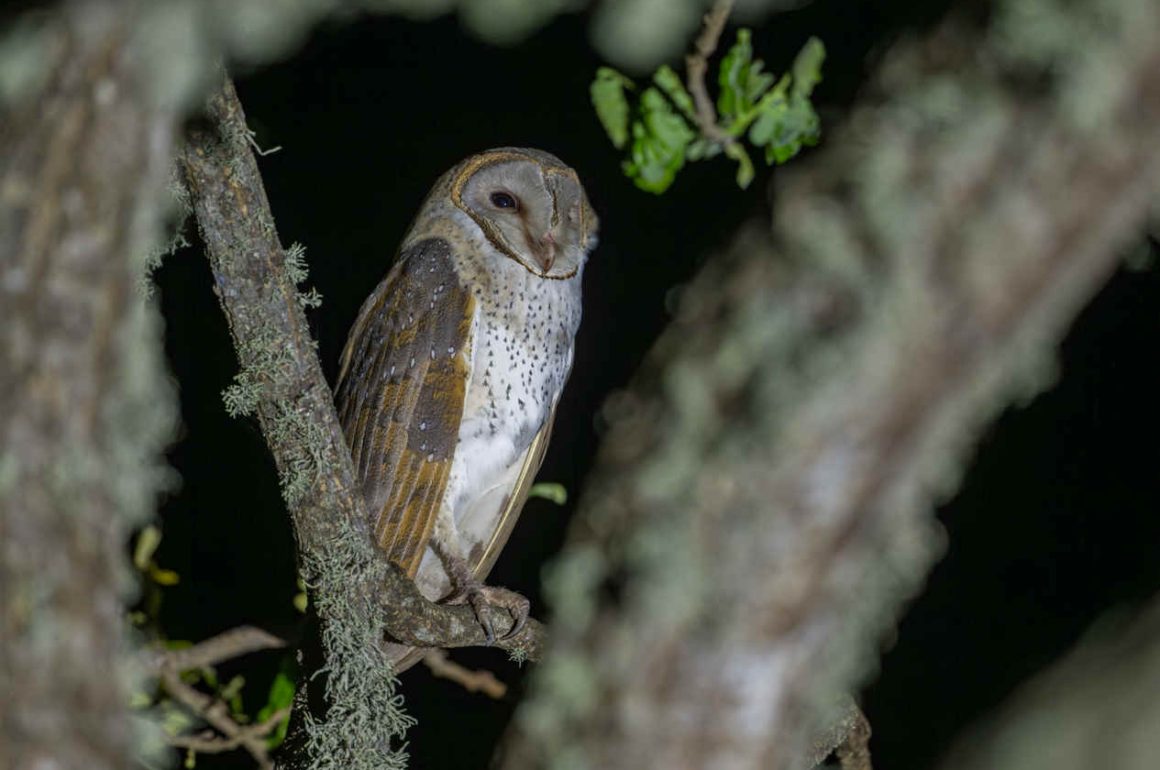
4. Barn Owl
Need “mysterious countryside at night”? Insert a pale owl drifting silently past a full moon. Bonus points if the soundtrack uses the call of a completely different species.
5. Herring Gull
How do you show a beach without implying fun? Herring Gulls are the answer. They cry over harbors, circle fishing boats, and underscore emotional staring-out-to-sea moments. In cinema, no depressing beach is complete without them.
6. Golden Eagle
Outside the United States, the Golden Eagle often fills the symbolic niche of the Bald Eagle: power, wilderness, altitude, destiny. Mountains plus eagle equals meaning.
7. Great Horned Owl
The standard “Hollywood owl call” is frequently this species — even in scenes set in Europe, Asia, or places where it has never occurred.
8. Scarlet Macaw
If the setting is tropical and slightly lawless, a Scarlet Macaw will probably fly through the frame. A convenient shorthand for biodiversity, jungle, and exotic adventure.
9. Domestic Chicken
Rural comedy demands at least one chicken running across a road at an inconvenient moment — the visual shorthand for “village,” “farm,” or “rustic chaos.”
10. Turkey Vulture
Desert scene? Add circling vultures. Are they always the correct species for the location? No. Do they immediately signal danger, death, or impending narrative trouble? Yes.
Birders know that cinema rarely worries about geographic accuracy. A Great Horned Owl may call in a European forest, a loon may echo across a desert canyon, and a Bald Eagle may scream with the borrowed voice of a Red-tailed Hawk. It is about atmosphere, not ornithology.
Why These Birds?
Not because they are the most common species, or the most important. Rather, they are easily recognizable, almost trademarked as symbols, and thus allow even the laziest director to add instant “meaning.”
There are reasonable alternatives — penguins for documentaries, swans for melancholy, or tree sparrows to represent common people and the messiness of ordinary life. The exact ranking is debatable. But while most birds never make it onto the screen, these ten seem to have the best agents.
Photo: Barn Owl, Tissamaharama, Sri Lanka, March 2025.










Tawny owls call in every episode of Midsomer Murders. This series has been going 8 episodes per season for 24 years, I believe. That makes almost 200 appearances. Nothing says “imminent murder” in Europe like the Tawny’s call.
Asian Koel, the Thai alarm clock, makes its presence known in so many Asian movies and documentaries!
If you see a crow in a Chinese movie, it must be a story about the miserable life before the new China