

I had a somewhat wistful email from my birding pal Martin this morning. A female Red-flanked Bluetail has been found just a few miles from where he lives in Kent. It’s been present for a few days, and has been much twitched. Martin hasn’t, however, felt any real urge to go and see it. “My memory of this fine little bird” he wrote, “is of watching a male in full breeding plumage singing its heart out on the top of a ridge along the Finnish/Russian border. Just one of those very special birding moments.”
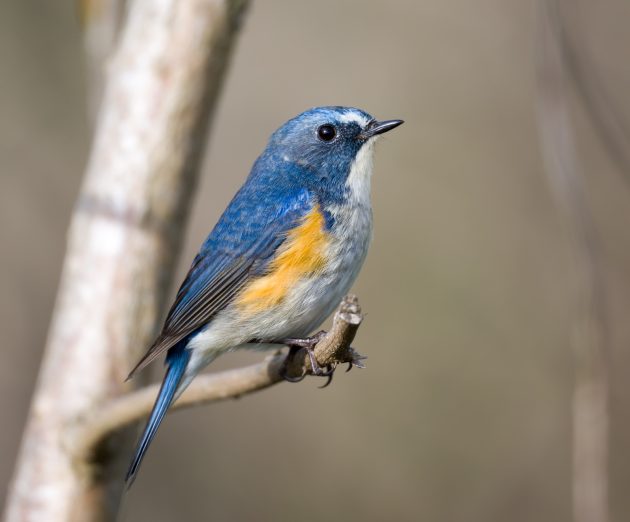
Red-flanked Bluetail: a very rare vagrant to Britain. This bird was photographed in China by Kai Pflug: I’ve seen a few but never managed to point a camera at one
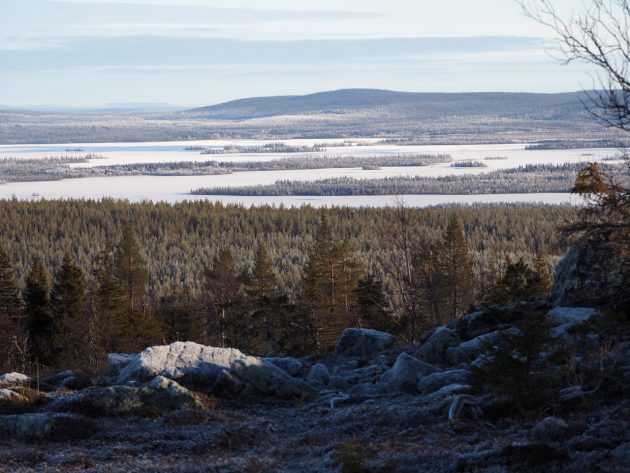
Arctic Finland: a great landscape to look for birds in
Historically, Red-flanked Bluetails have always been extremely rare in the British Isles, though they have become more frequent in recent years, reflecting the increase in the number of breeding pairs in arctic Finland. These chats are widespread breeding birds from Finland, across Siberia, all the way to Japan. Despite their rarity in Britain, they are labelled as birds of least concern.
Like Martin, I saw my first Bluetail in the spruce woods of Finland, not far from the arctic town of Kuusamo. My local guide knew of a breeding site, but he insisted that by far the best time to look for these elusive birds was in the very early hours of the morning. We went to bed before 9pm and rose again at 1am for our departure for the forest. At 2.30am we were on site, straining our ears to hear our quarry singing. We were surrounded by untouched old-growth spruce forest, the trees dripping with mosses and lichens, the ground underfoot soft and spongy from the accumulation of centuries of spruce needles. It was a forest where the roar of the chainsaw has never shattered the silence.
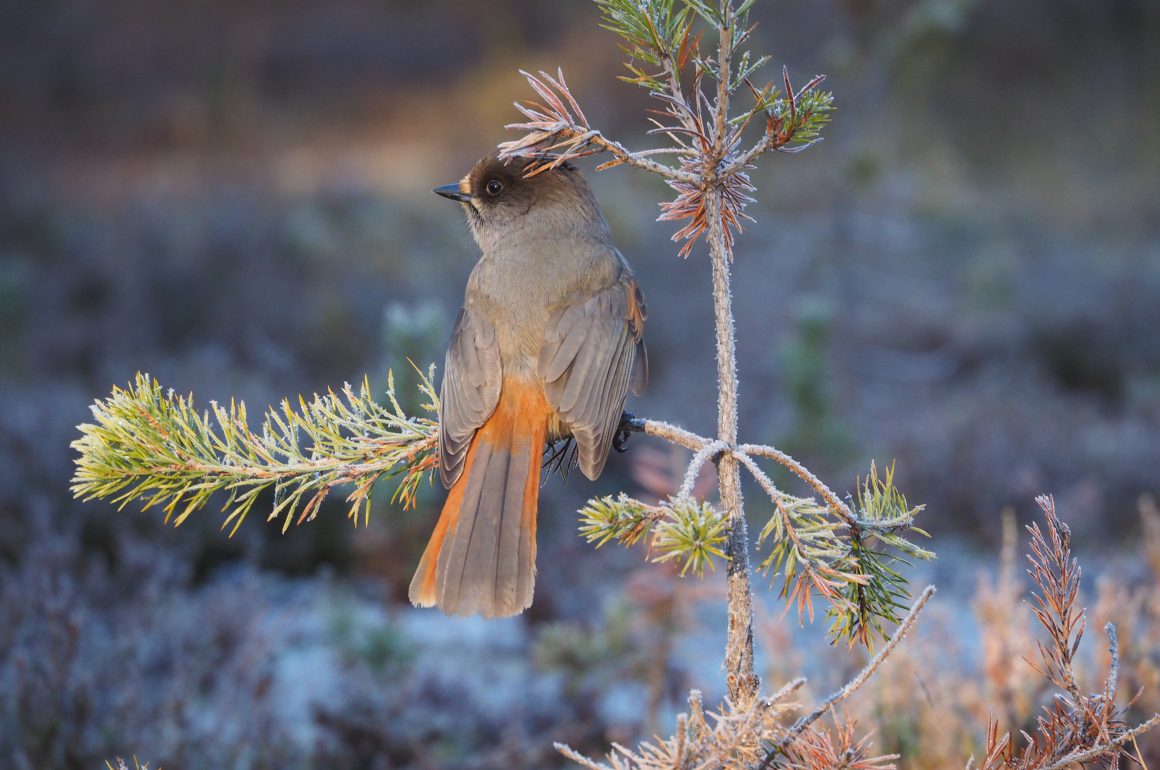
It doesn’t get dark in the arctic in late May, while the early morning light has an almost ethereal quality to it, for the sun is so low in the sky. The silence wasn’t quite total, for it was broken by the weak lisping song of a Goldcrest and the more distant notes of a Redwing. A pair of Siberian Jays (header photograph) came to inspect us, the hum of their wings surprisingly noisy in the still air. Unlike so many members of their tribe, these inquisitive jays are remarkably quiet birds.
Then, suddenly, we heard our distant quarry: clear, distinctive, repetitive, a song that I’d never heard before. We moved closer, and eventually spotted the singer, perched on top of a young spruce. Red-flanked Bluetails are exquisite birds, so our eventual sighting was a real thrill, greatly enhanced by the extraordinary beauty of our surroundings. It was a reminder that birding is about far more than just seeing birds. It may be the quest for a certain bird that lures us to these places – why else would you be out in an arctic wood at 2.30 in the morning? – but simply ticking a bird off from a list isn’t, for me, what it’s all about.
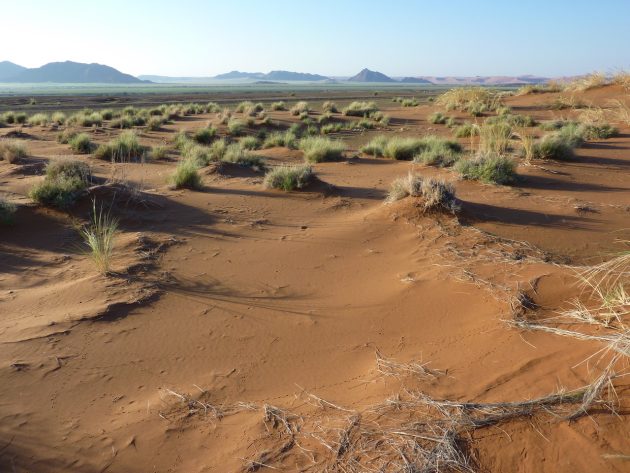
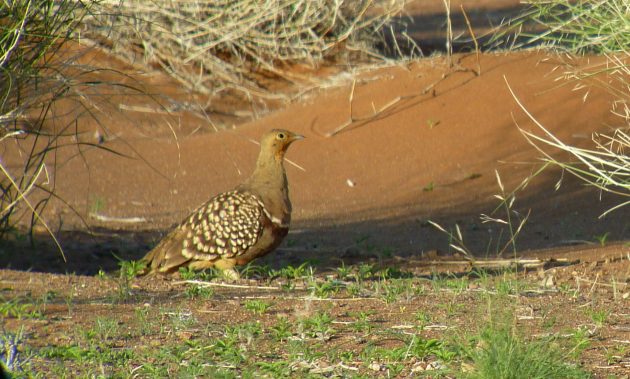
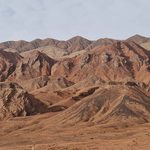
Finding birds in the Namib desert is challenging, but can be immensely rewarding when you find birds like Namaqua Sandgrouse (below), a south-west African endemic
It’s for this reason why I’ve never been a proper twitcher. I’ve always preferred to travel to see birds where they should occur rather than chasing a lost migrant hundreds or perhaps thousands of miles off course. Back in the mid-80s a Sociable Plover (now generally called a Sociable Lapwing) turned up on coastal marshes not far from where I then lived in Kent. Sociable Plovers are rare vagrants from their breeding grounds in Central Asia, so this was a chance to observe a bird I might not otherwise see. Somewhat reluctantly, I went to try and see it. I was writing about cars at the time, so took the Ferrari 308 I had on test to the twitch. I recall as I parked the car on the edge of the marsh that none of the assembled group of twitchers as much as spared it a glance. No serious twitchers drive Italian super cars.
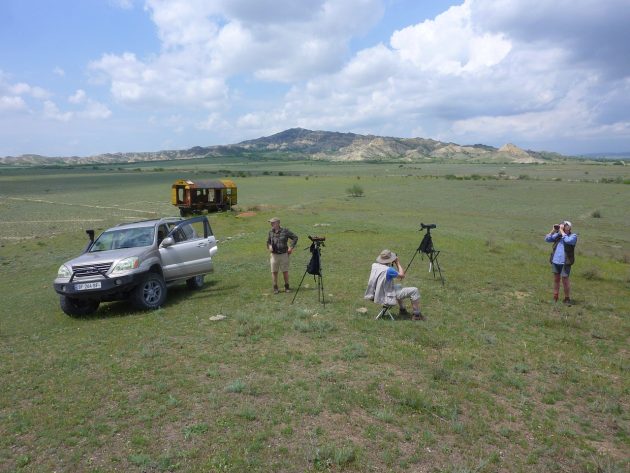
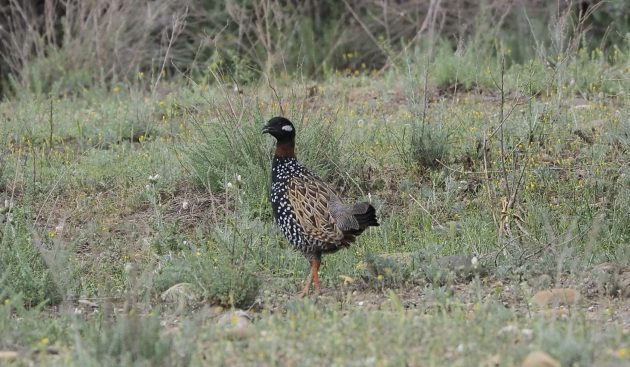
Birding on the expansive steppes of southern Georgia: it’s a great place to look for birds like the Black Francolin (below)
It took me two attempts to see that plover. The Ferrari expedition was a failure, but I saw it a week later when I went in a VW Golf GTI. Don’t ask me why, 40 years later, I can remember the cars I travelled in, but for some reason I do. I did get a good look at the plover, which was in company with a big flock of Lapwings, but I gained far more pleasure from seeing the same species a few years later on its breeding grounds in the remote steppes of Kazakhstan.
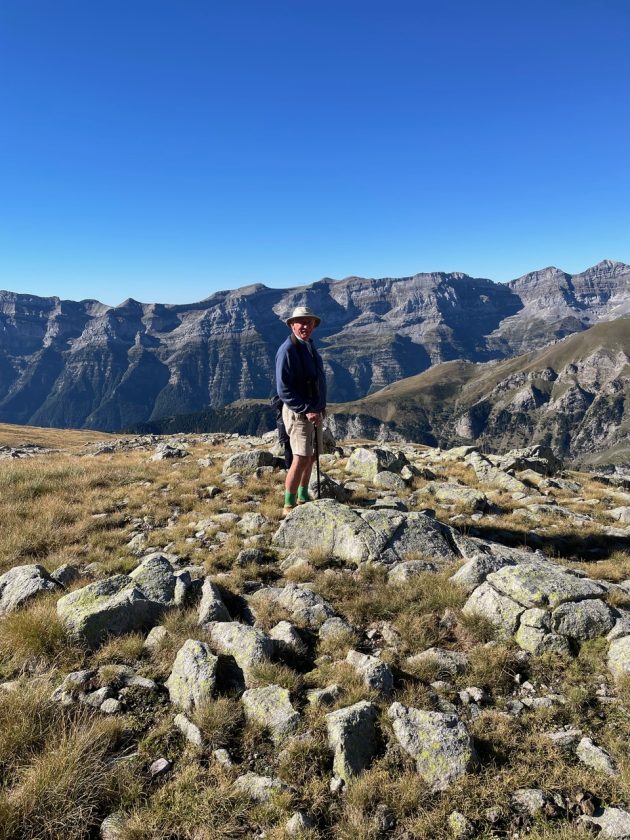
The author at 10,000ft in the Pyrenees. Looking for Bearded Vultures in a landscape like this is bound to be a memorable experience, even if you fail to see the bird (below)
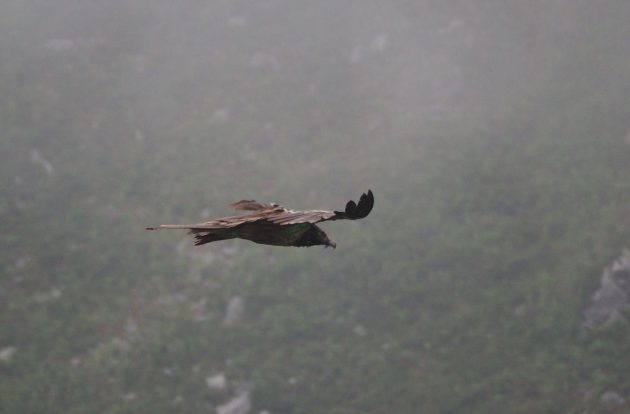
If I had to list my top 10, or even top 50, sightings (not, you may note, birds), it’s certain that the place where I saw the bird will play a part. Watching Taita Falcons in the gorges below Victoria Falls, Gentoo Penguins surfing off a Falkland beach, Bearded Vultures soaring over Mount Perdido in the Pyrenees, Magallenic Woodpeckers in a Chilean Northofagus forest, Snowcocks in the snow-capped Tian Shan mountains … the birds were fantastic, but so too was the environment I saw them in. If it wasn’t for the birds, I would never have travelled to these places in the first place.
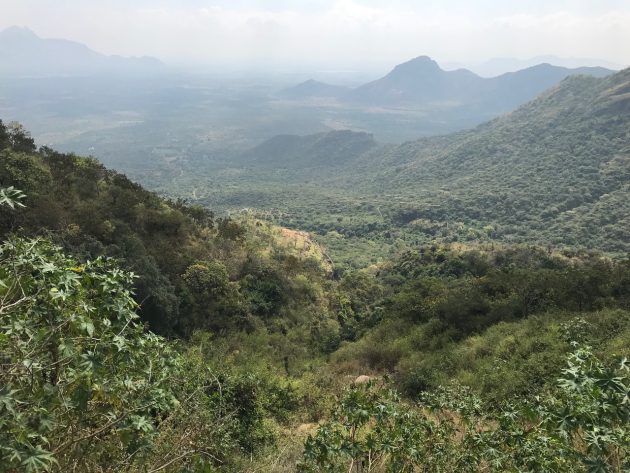
The Western Ghats, south-west India, home to many exciting endemic birds, such as the Malabar Grey Hornbill (below)
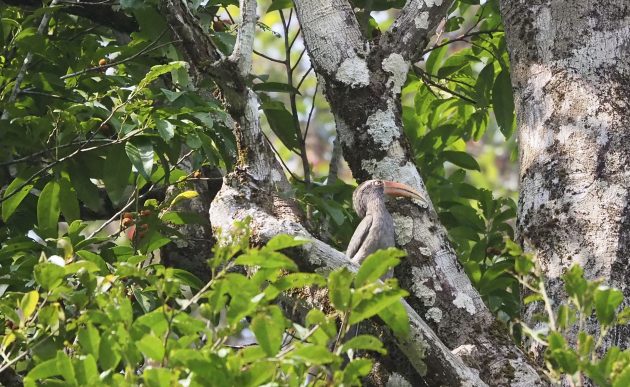
I’ve travelled widely in search of birds, so have been extremely fortunate in having seen so many species in their natural environment. Not everyone is so lucky, so I can quite understand the passion many people have for twitching, but it’s not really my scene. For me, a poor view of a bird in a place where it ought to be is much more interesting than a good view of one where it shouldn’t be.
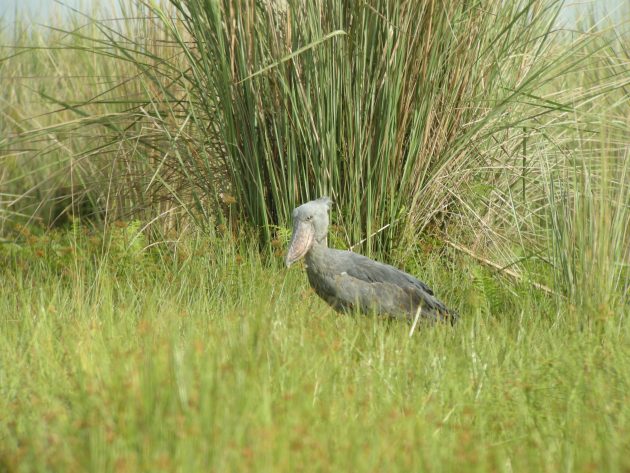
Part of the appeal of birds like the Shoebill is the remote places you have to travel to see them. This one was in a swamp in southern Uganda










I find this post deeply resonant, David. Thank you for sharing it. Without the habitats there would be no birds, and I find many people strangely siloed in their perceptions of birding. Maybe we get lost in the numbers, or the ranking systems that follow. In my photography I have long been a proponent of balance between subject and setting, for reasons echoed so profoundly here.
Great post as usual. I certainly can’t beat the Ferrari twitch (I did go on safari in a sky blue VW Golf). I have wanted to write about twitching for a while, but I am glad I didn’t. Hats off to you, David! You have captured the joy of being versus the fun of just seeing.
Fond memories, David, of seeing wonderful birds together in wonderful places.
As with Faraaz and Peter I agree that this is a great post. In fact, on a very recent trip, I was just discussing the very same topic with another non-twitcher. So much more meaningful and memorable to see birds where they live and and are meant to be. I’m occasionally guilty of anthropomorphism. That little female Red-flanked Bluetail will likely be able to continue on its normal migration route from Kent, but often these wayward migrants are hopelessly lost. I hate seeing this. That’s one less bird doing what it was meant to do and it’s often a death sentence. I recall traveling to Northern Michigan to see a hatch-year Vermillion Flycatcher as a life bird. It had made the reverse migration mistake. I saw it fly catching along a small channel of water. That afternoon it snowed heavily and the bird was later found dead in a barn. So much more satisfying to see birds where they belong and remembering the story of the special ones. I saw my life Red-flanked Bluetail very near where David saw his, although we didn’t wake up at 2:30 am. It was perched way up high singing its heart out.
Great read. I’ve only seen rfblietailsvin autumn on St Agnes IOs.
So I would love to see them in breeding plumage