


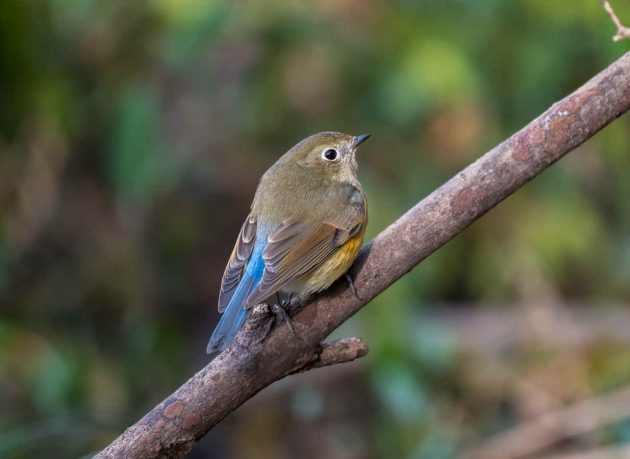
In one of his recent posts, David mentioned the Red-flanked Bluetail. While rare in Britain, it is quite common in Shanghai in winter. However, that is not 100% true – while it is very easy to find a female or immature bird, adult males are rare. I was lucky to find one at a local park.
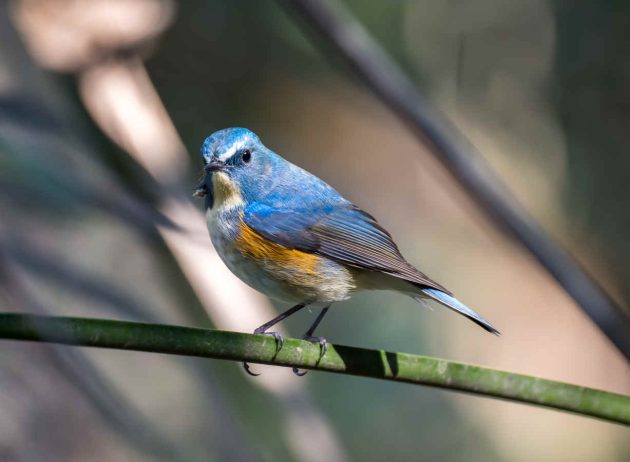
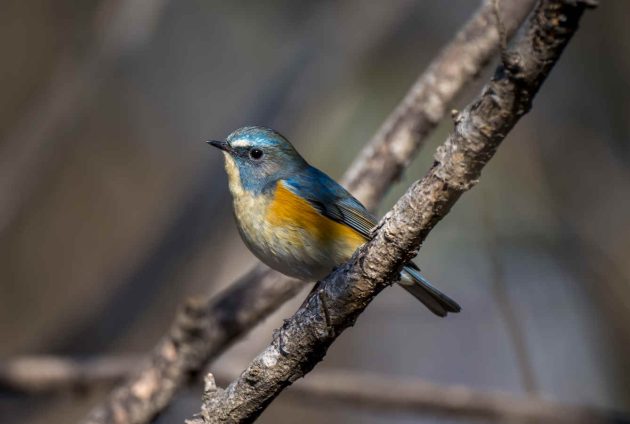
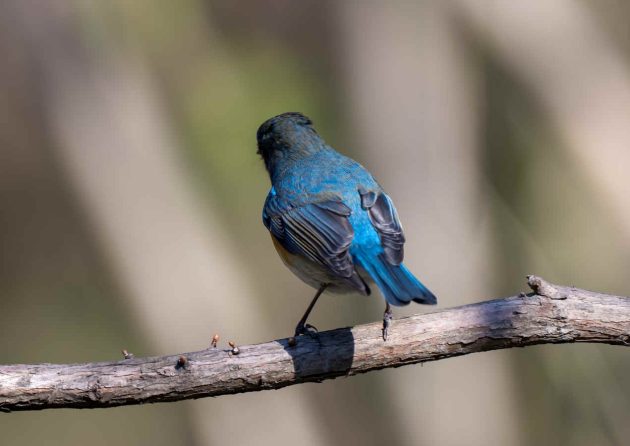
At another site with both male and female present, the male was relentlessly bullied and chased away by the female. Of course, the Marxist lunatic ornithologists of Cornell University would never discuss this kind of bullying.
Interesting to see how there seems to be a hierarchy among bird species. The bluetail was viciously driven away by a male Daurian Redstart.
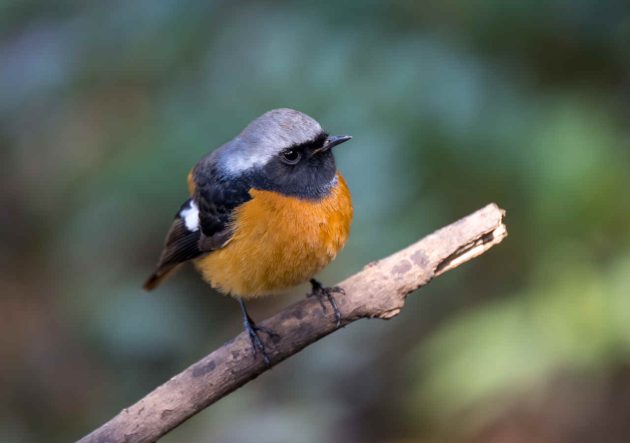
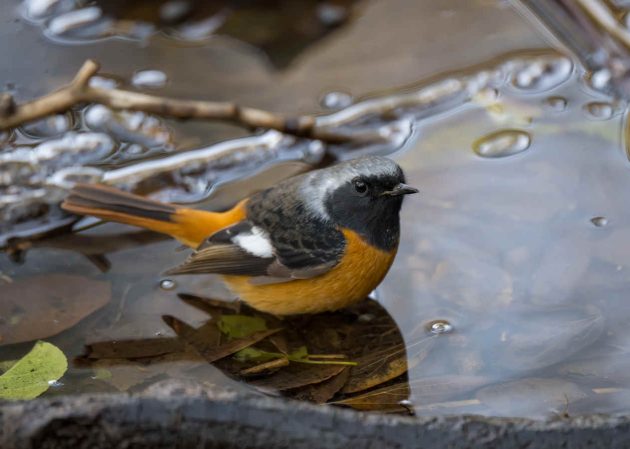
In turn, the redstart fled whenever a Long-tailed Shrike made its appearance.
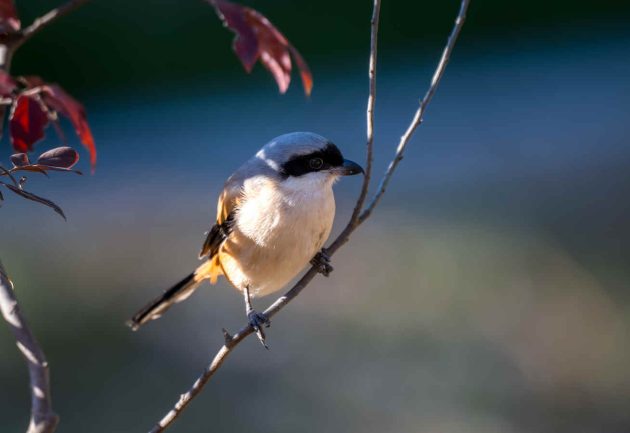
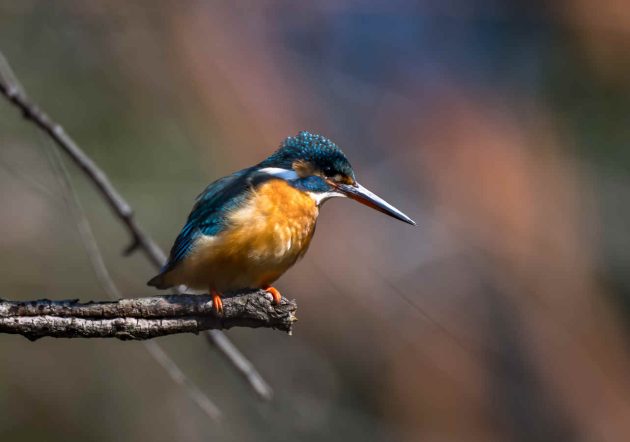
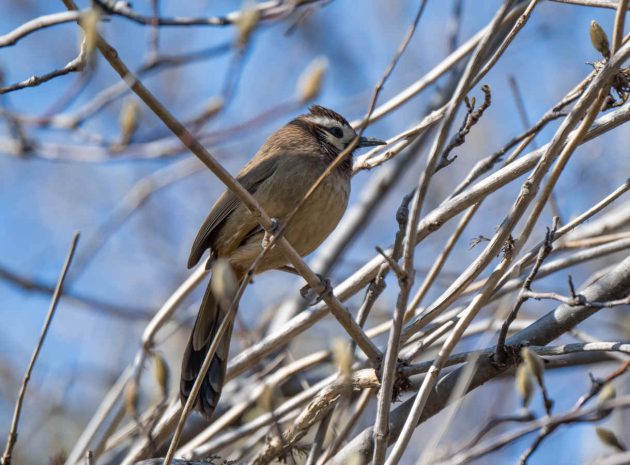
Other birds – at exactly the same spot in exactly the same park – apparently do not fit into this hierarchy and thus were undisturbed: A pair of Common Kingfishers …
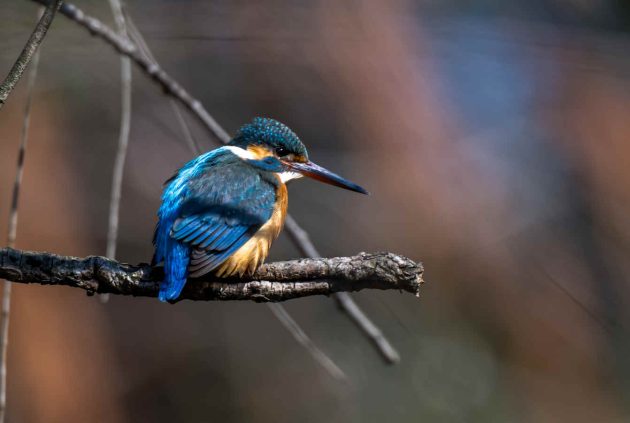
… several Eurasian Siskins …
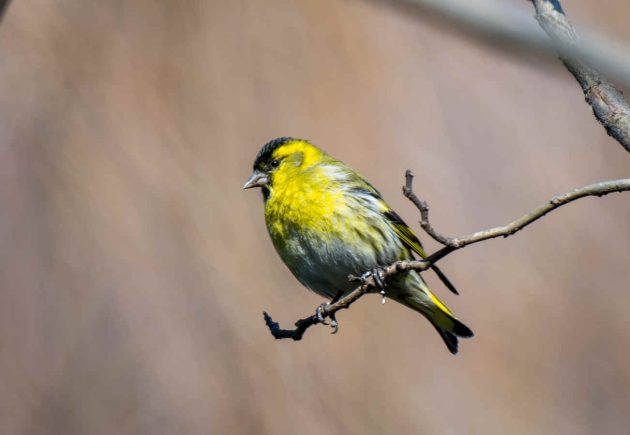

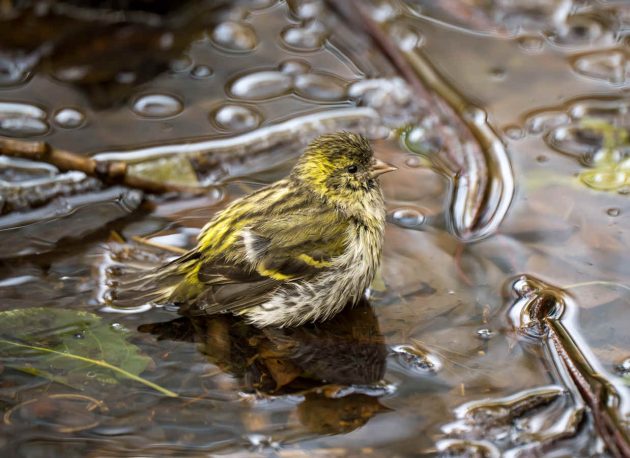
… and White-browed Laughingthrushes.
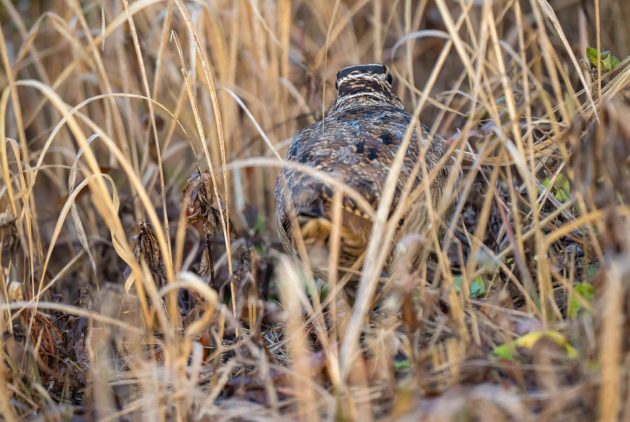
Eurasian Woodcocks are not uncommon in Shanghai in winter – but that does not mean they are easy to find and photograph. I was lucky to find this individual on Chongming Island.
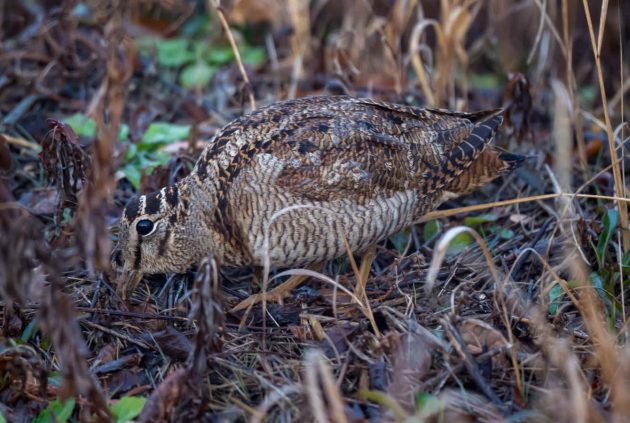
It performs characteristic courtship flights at twilight known as roding. And apparently, it does so less near windfarms (source).
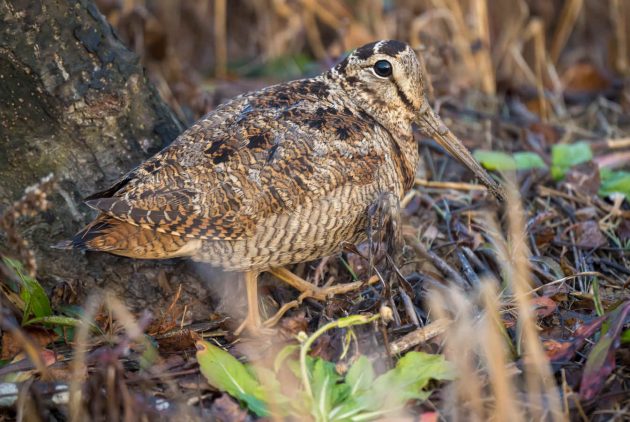
Like my fellow writer Peter Penning, some Czechs apparently also like alliterations, resulting in a paper with the title “Faeces, Feathers and Flight: Understanding of Escape Behaviour in Incubating Eurasian Woodcocks”.
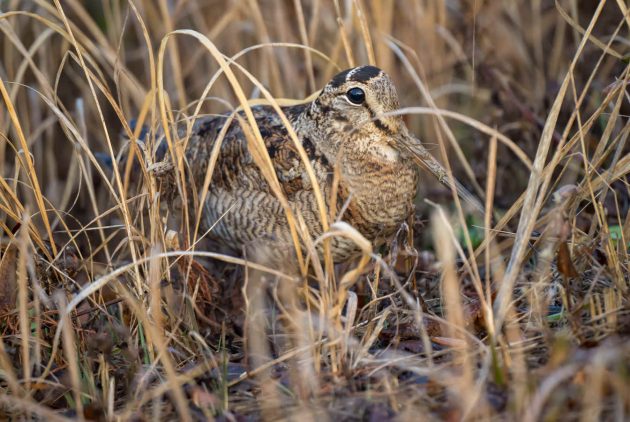
In which the authors describe – in almost too much detail – the habit of female woodcocks of defecating over their eggs when fleeing their nest upon the approach of a predator. Interestingly, they do this analysis based on 399 nest photos found online – 54% of the eggs indeed showed obvious signs of defecation. And the authors were spared the smell as well.
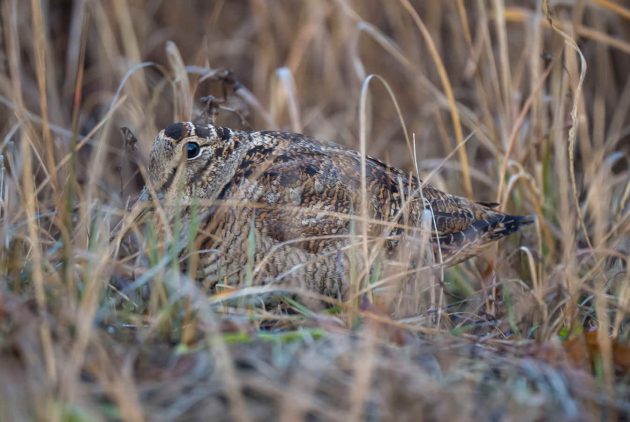
On another positive note, Poland gave legal protection from hunting to the species in a law enacted in 2025 as a consequence of grassroots activism (source).
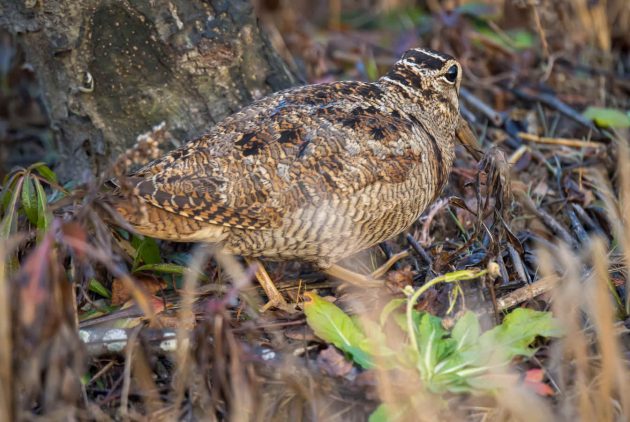
For more on the species and some bad jokes, see my previous post on the species.
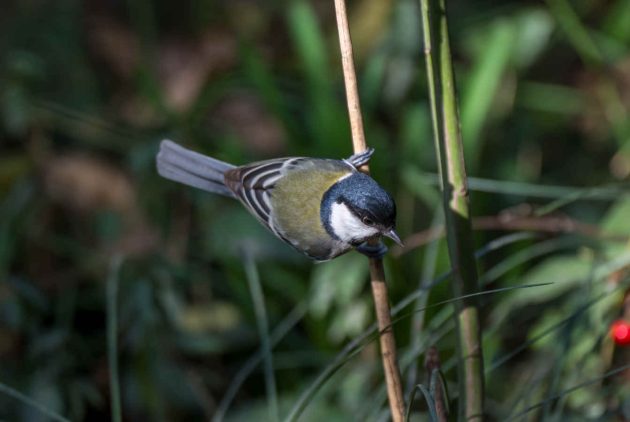
And if you prefer birds with less pornographic names, here is an Asian Tit.
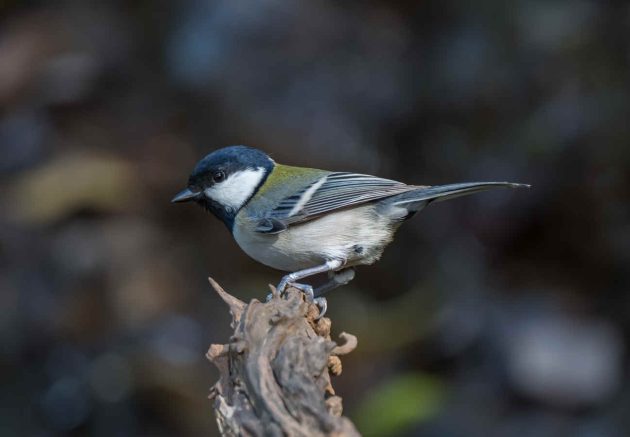
(yes, I have no shame whatsoever).
Winter in Shanghai means the presence of several bunting species:
Pallas’s Bunting …
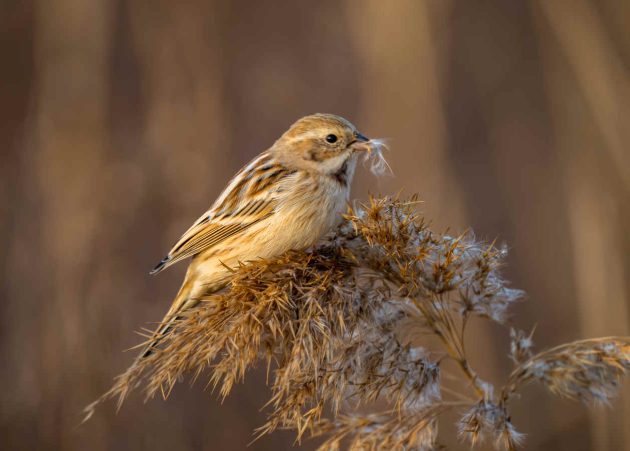
… Tristram’s Bunting …

… Yellow-browed Bunting …
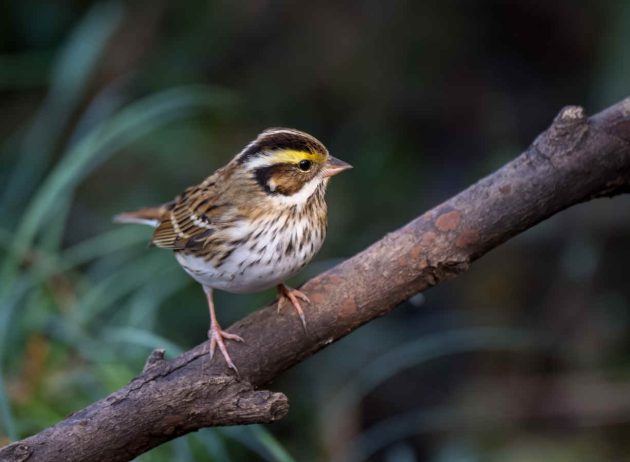
… Chestnut-eared Bunting …
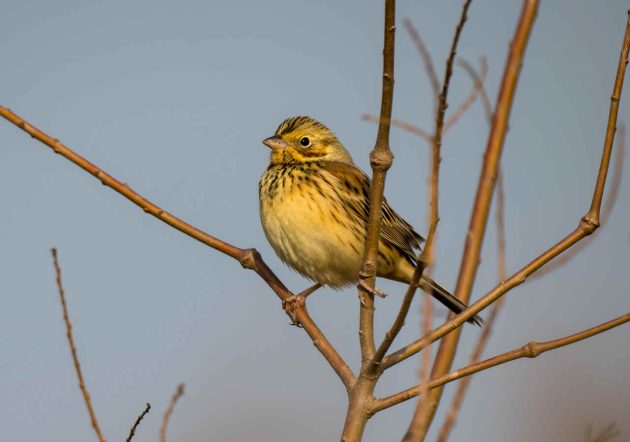
… Yellow-throated Bunting …
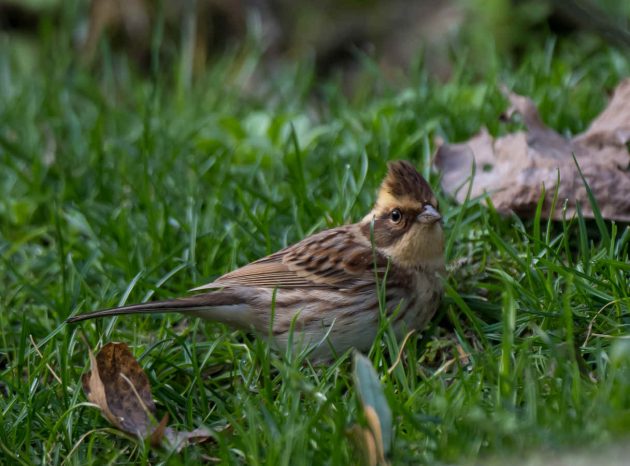
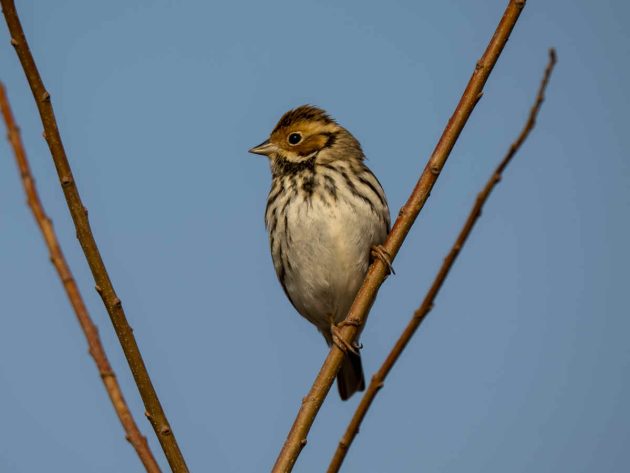
… and Little Bunting.
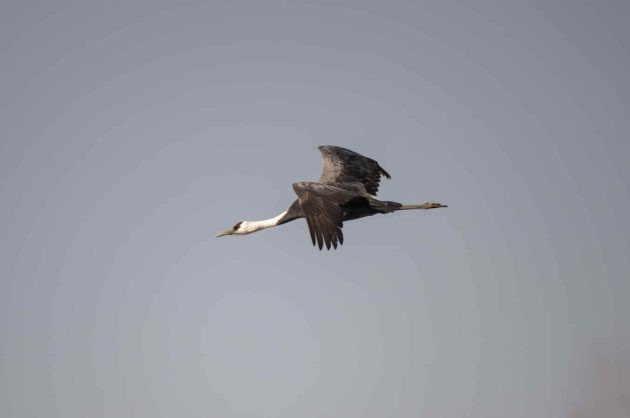
In South Korea, Hooded Cranes (seen on Chongming Island) are being fed in specific areas in winter. As a reaction, geese also wintering in the same broad area shift to other areas (source) – or in science speak, “resource partitioning as a strategy to reduce interspecific competition”.
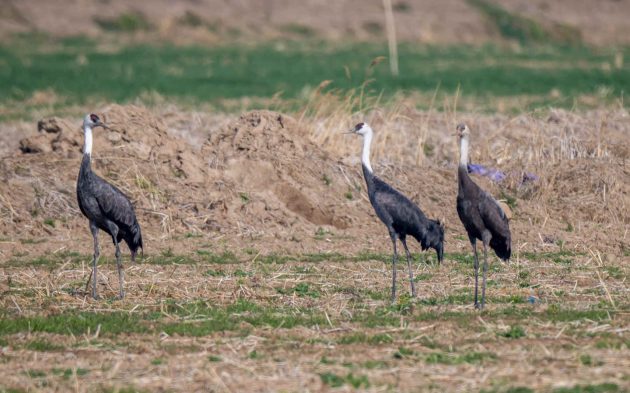
The 11 authors of this paper end the abstract with quite a mouthful of a sentence: “These findings highlight the importance of managing avian conservation programs in a way that takes into account the need to maintaining availability and suitability of habitats for wintering species so as to promote interspecific coexistence amongst migratory bird populations” (deep breath).
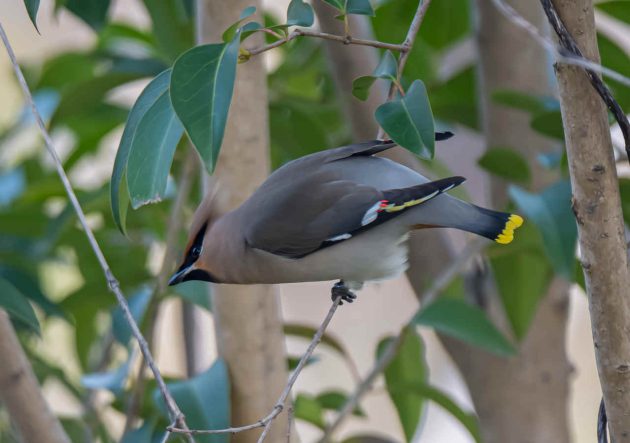
A largish flock of Japanese Waxwings at an urban park is also occasionally joined by at least two Bohemian Waxwings…
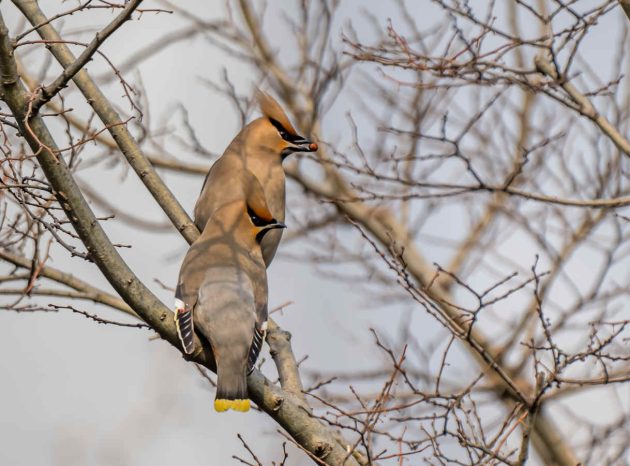
… reminiscent of a 1921 paper in The Auk describing (in New England) the presence of a Bohemian Waxwing in a flock of Cedar Waxwings. Some of the sentences in this paper read like an (old-fashioned) blog: “This Bohemian Waxwing was again seen on the 17th, when Mr. A. W. Upham was my companion”.
At Tianmashan, a small flock of Black-throated Bushtits occasionally visits a small pool for a short bath. Fun to watch.


Its cuteness makes it a popular bird for photographers – there is even a website just showing photos of the species taken by different photographers. However, that site does not seem to be curated by somebody with any ornithological knowledge, as witnessed by the site title “20 Magical Glimpses of One of the World’s Rarest Birds – The Black-Throated Bushtit”). Glimpses, yes. Magical, maybe. Rarest bird, definitely not.

Raptors are not that common in Shanghai, but winter brings some of them to Chongming Island.
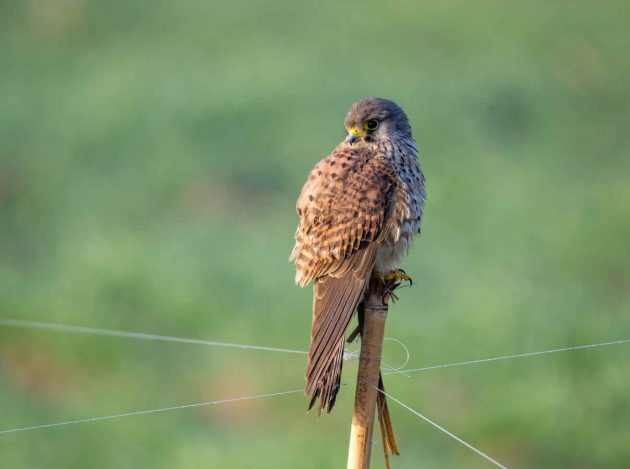
If you are a Eurasian Kestrel, should you use a nestbox or a natural tree cavity? Kestrels interested in this question are well advised to follow this link.
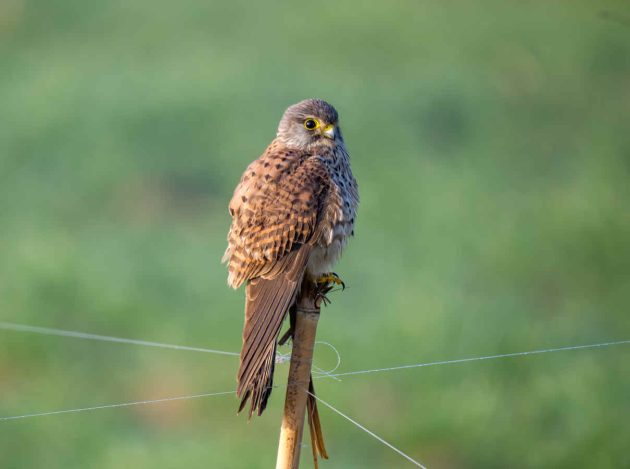
Apparently, pairs nesting in nestboxes fledge more chicks and have a lower predation risk – but on the negative side, the chicks are more prone to suffer larger infestations by ectoparasites. A gated community for kestrels: great security, terrible sanitation.
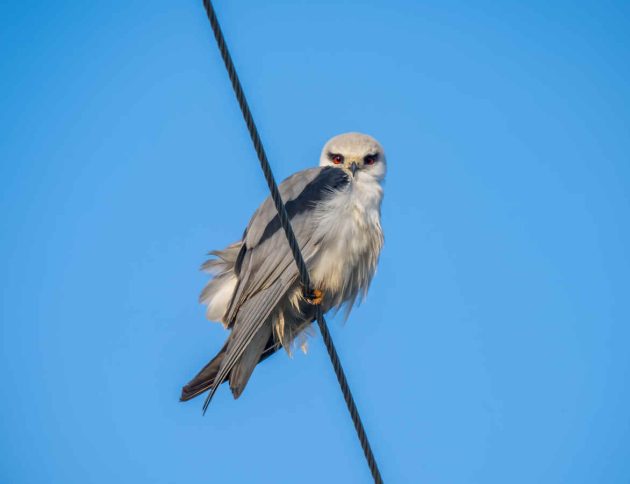
Searching for “Black-winged Kite” on Google Scholar, all the first 10 entries refer to an algorithm, with paper titles such as “Black-winged kite algorithm: a nature-inspired meta-heuristic for solving benchmark functions and engineering problems”.
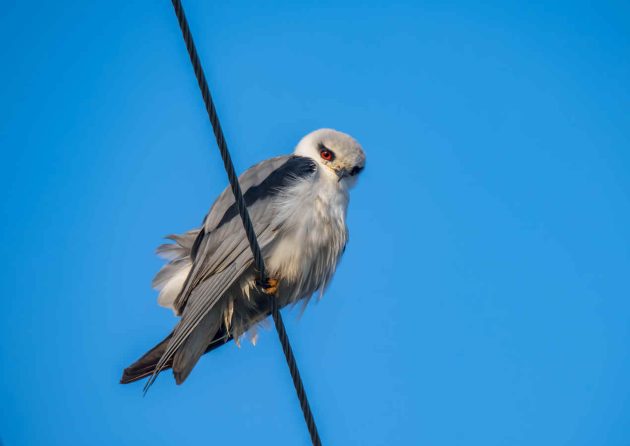
This does have a certain bleak irony to it. The bird spends millions of years perfecting its technique, and within two decades of the internet age, it’s been rebranded as an optimisation routine.
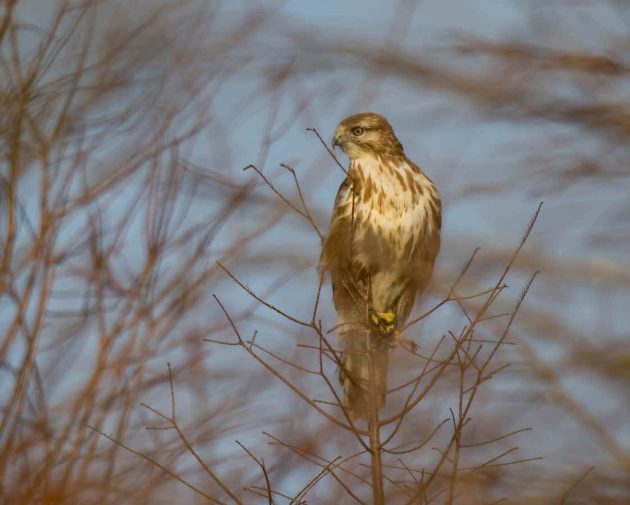
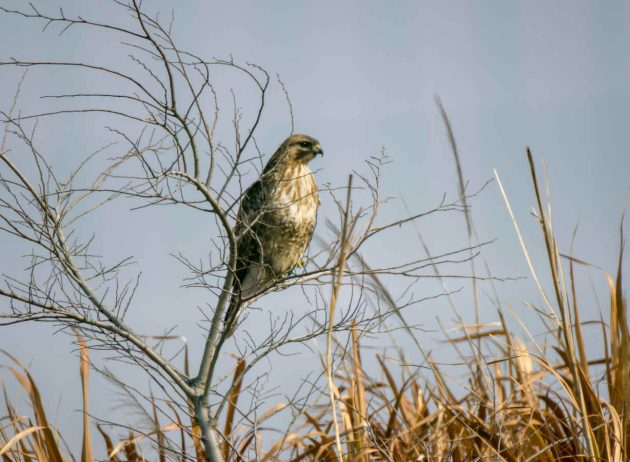
The Eastern Buzzards of Shanghai are very wary of people – or maybe I just need an excuse to explain the moderate quality of my photos.
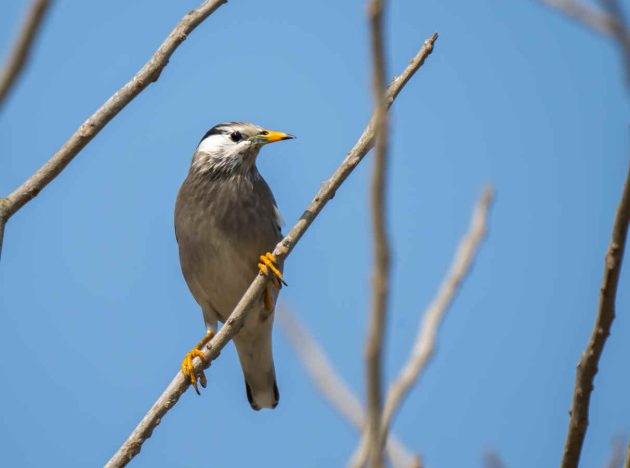
Does agriculture have an impact on birds? Some Korean researchers think so and conclude, “We suggest that human agricultural activities may influence the feeding activities of small bird species such as S. cineraceus [White-cheeked Starling] in an agricultural ecosystem.” Who would have thought?
In a study observing birds at a winter feeding station,Hawfinches stayed longer during the last seven time intervals (from noon to 3 pm) than during the first nine time intervals after the start of the experiment (7 am to noon). The explanation provided for the more frequent but shorter visits in the morning and fewer but longer visits in the afternoon is the need to store up energy to survive the following night.
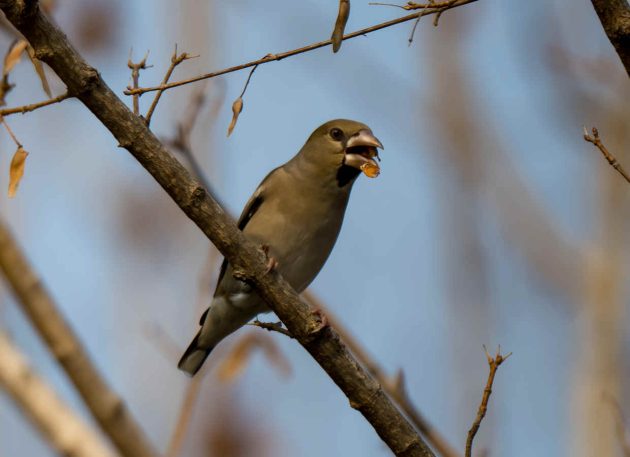
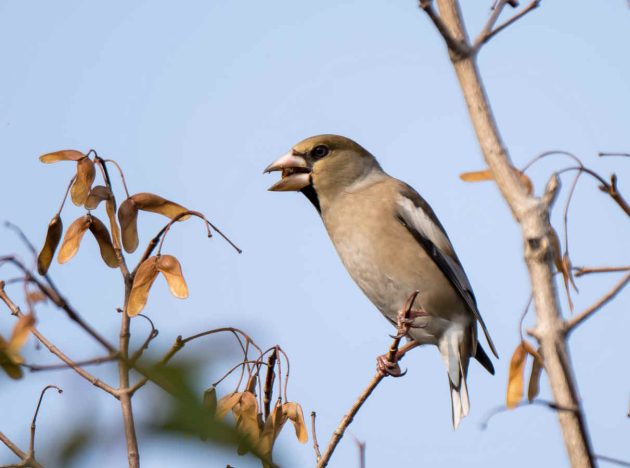
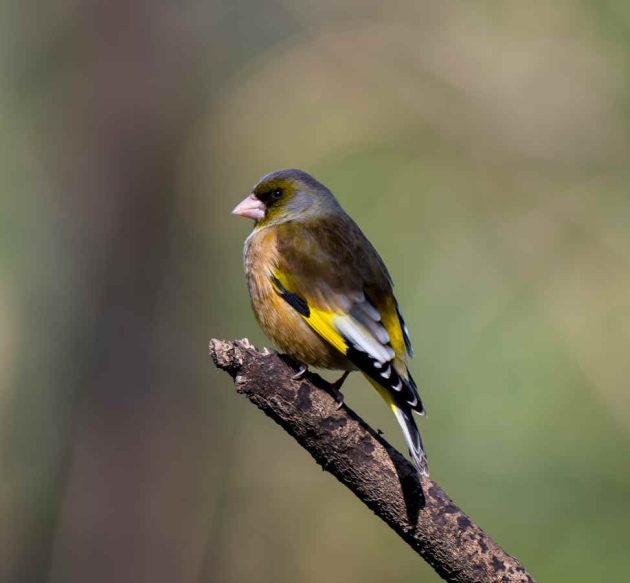
A similar observation was made for the European Greenfinch, which I obviously did not see in Shanghai – so, here is the Oriental Greenfinch instead.

Perhaps inspired by the 3F title of the woodcock paper, another paper asks “Free as a bird – or on a tight schedule? A study of migration strategies in five Tringa wader species”. And finds that Spotted Redshanks indeed seem to mainly optimise their migration for speed. How that is a contrast to being free as a bird is not quite clear to me, but probably that is just me.

Pallas’s Leaf Warbler is named after Peter Simon Pallas, another German ornithologist mostly working in and for Russia.
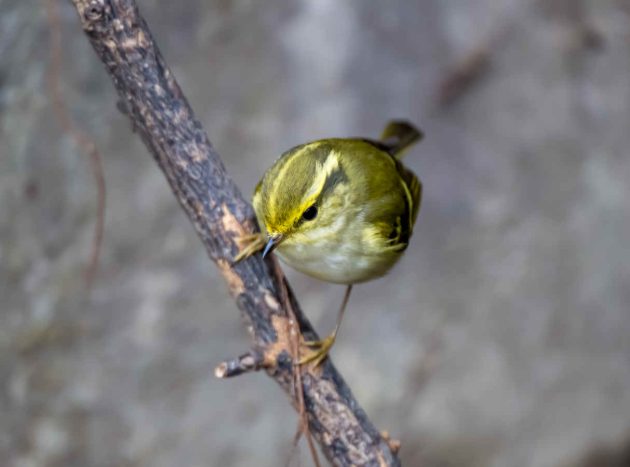
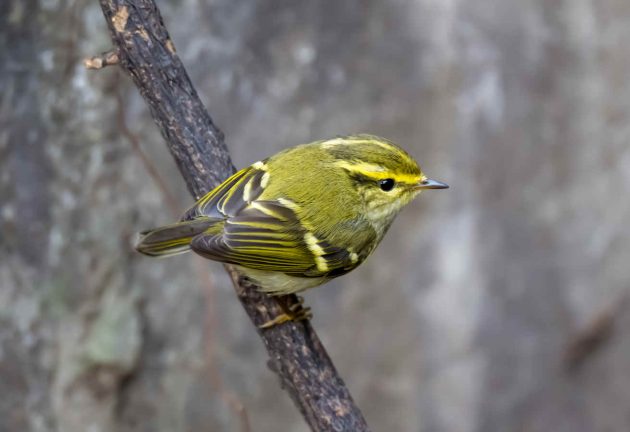
Fun fact: One would need more than 10,000 Pallas’s Leaf Warblers to get to the same weight as Mr Pallas.
Here is a photo of some Little Egrets.

Jinhai Lake had a Black-throated Loon. Unfortunately, the winter plumage of the loon does look a bit disappointing.

And the German name of the species, “Prachttaucher” (“splendid diver”), thus also must be based on the breeding plumage.

One study on Swedish birds found recently reduced chick survival rates and hypothesised that exposure to methyl mercury may be a reason.


Indeed, the European population was estimated to be decreasing by less than 25% in over a 29-year period (source: HBW), and the species is particularly sensitive to human disturbance.

And to end the post, here is the standard-bearer of avian life in Shanghai, the Reed Parrotbill.
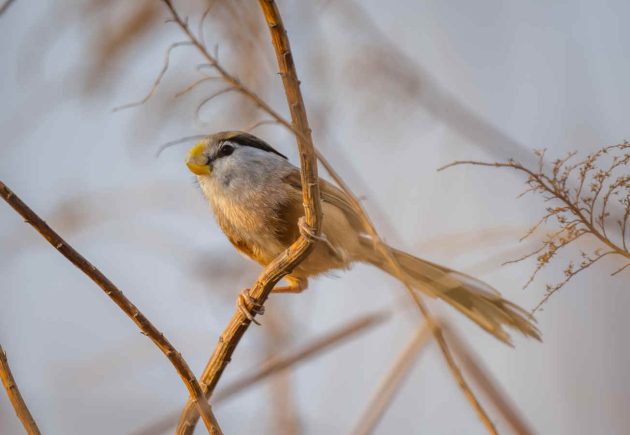









Stunning birds!
I don’t care what you may think of leaf warblers but that little bird is very, very cute.
Very interesting article, Kai. Flavored with a pinch of your special humor!
Some really desirable birds there, and many great photographs. I’ve seen numerous woodcock, but never managed to photograph one on the ground. I also had to look up the difference between Japanese and Bohemian waxwings (red tail tip as opposed to yellow for those like me who don’t know). Can we see some pictures of Japanese waxwings next time, please, Kai?
Hello David, being a frugal bird photographer and having gotten some nice photos of the Japanese Waxwing, I used those for a separate post in the “Species Spotlight” series. Currently scheduled for publication on April 17.