

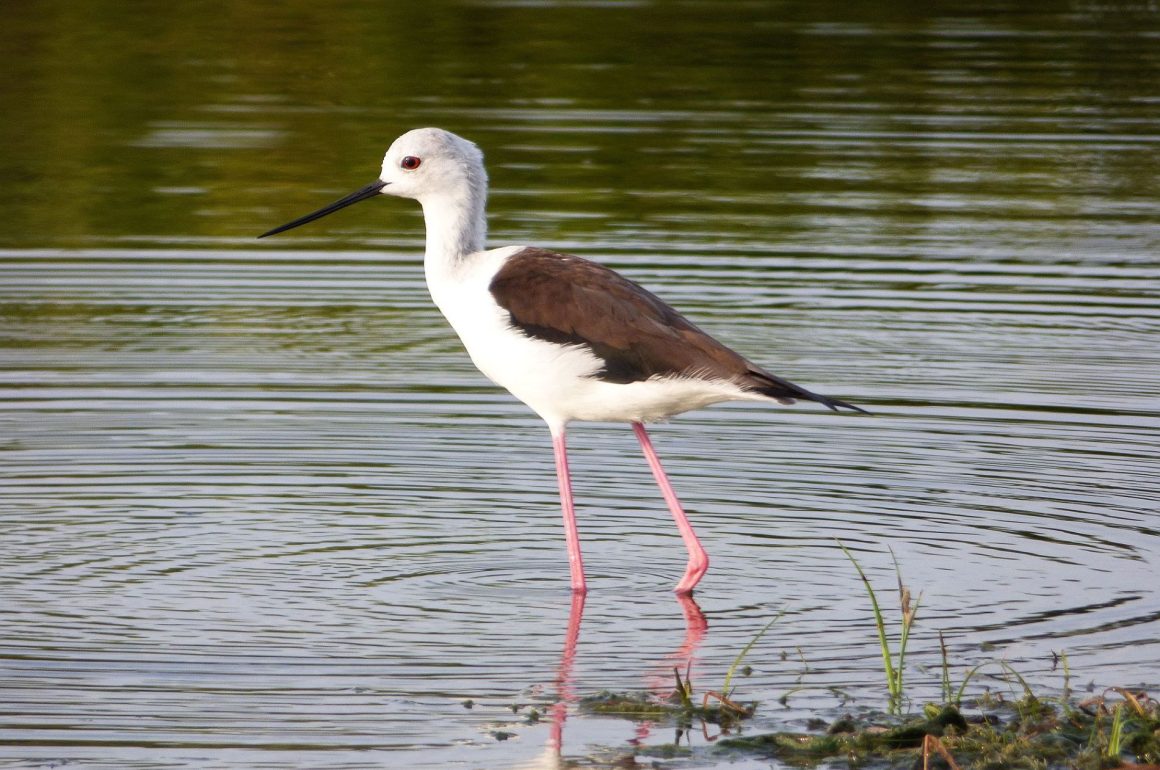
One of my favourite places to go birding in Sri Lanka is Mannar island on the northwestern coast of the island. Connected to the mainland by a short causeway crossing through the salt flats, this area hosts an exciting number of migrants, including many rarities. The area is also comparatively rarely visited, especially by international birders, making it quite exciting to explore.
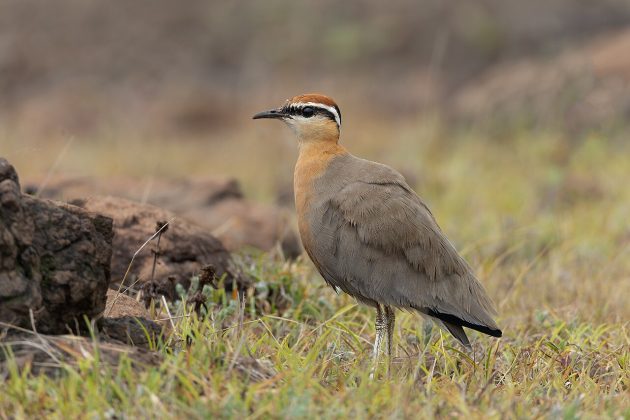
One of the absolute mega birds here is Indian Courser. With coursers being among my favourite groups of birds, this species was always among the top of my list on trips to the area. However, anyone expecting to see an Indian Courser in Sri Lanka would be ridiculed by fellow birders, as it is exceedingly rare. As far as I know, its status is not well known, but according to the Ceylon Bird Club, there have both been breeding records and the population seemingly receives an influx in the migratory season.
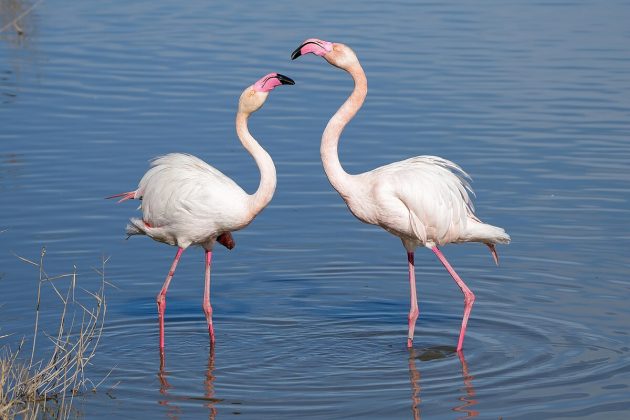
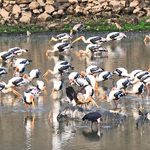
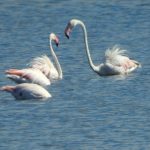
Another highlight of the area are the Greater Flamingos. These draw Sri Lankan bird photographers in particular, given that this is the only area where these birds can reliably be found in the country. Their popularity among photographers is apparently one of the threats to this tiny population, as these birds are exceedingly shy and often get disturbed and chased off from their feeding grounds (hence the below not being my own photo).
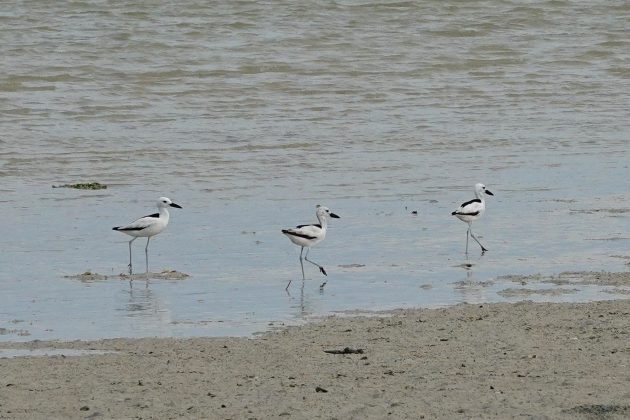
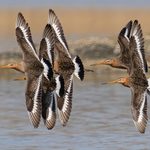
The main draw in Mannar are the mudflats and associated large numbers of waders. Among these, Crab Plover is both one of the rarest and most stunning species. Their pied plumage and oversized bill always make these species amazing to watch.
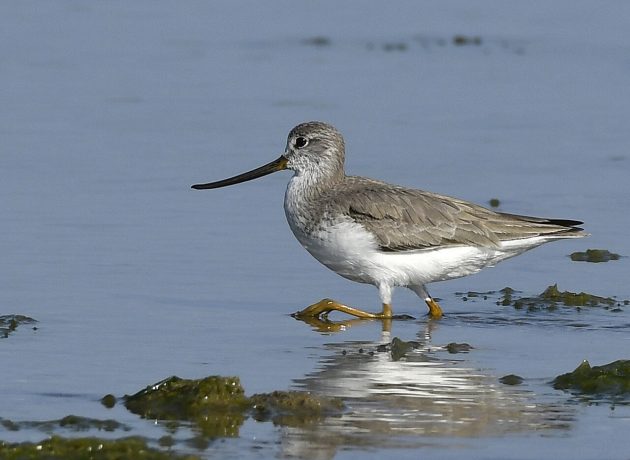
Speaking of odd bills, Terek Sanpiper is also a bird that occurs here. I’ve come across this species here for the first time, and greatly enjoyed watching their crab-chasing antics. It seems a routine movement to lean down until their body is positioned horizontally over the mud with the upturned bill exaggerating their elongated shape while they speed across the mudflats in short bursts.
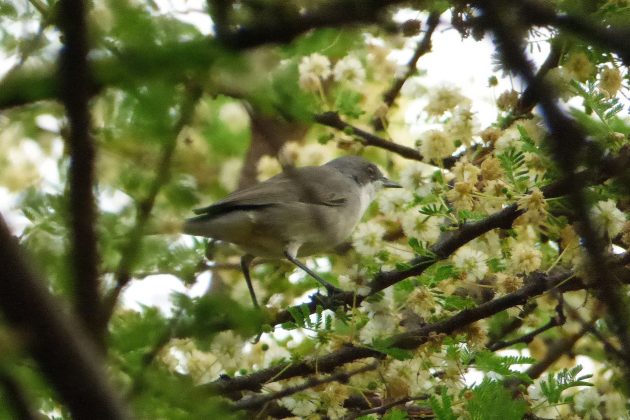
While the waders are the main draw, large parts of Mannar island provide ideal resting habitats for other migrants, including cuckoos. This seems to be a good site to connect with “Hume’s Whitethroat“, the althaea subspecies of Lesser Whitethroat. The most unusual bird I found here was a Chestnut-winged Cuckoo, normally a rare migrant occurring in Sri Lanka’s wet zone forests.
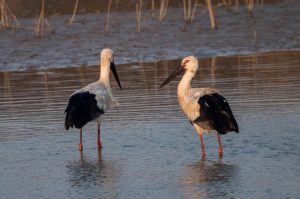
Such sightings are all the more exciting given that way fewer birders visit these areas. The potential to find something unexpected is thus way higher, while the expansive mudflats and steppe-like areas provide a very different environment to what one would usually expect of Sri Lanka.








Sounds like a great place to visit.