

Spain’s Balearic Islands have long been popular with British birdwatchers, but it’s the biggest of the Mediterranean islands, Majorca, which attracts most of the birding visitors. Majorca is more than five times larger than its north-easterly neighbour, Menorca, and has mountains that rise to over 4700ft. In contrast, Menorca lacks any mountains, and its bird list is notably smaller than that of its sibling. However, it’s an island that is relatively unspoilt by tourism which gives it a charm that Majorca lacks, while it has changed little since I first visited it over 40 years ago.
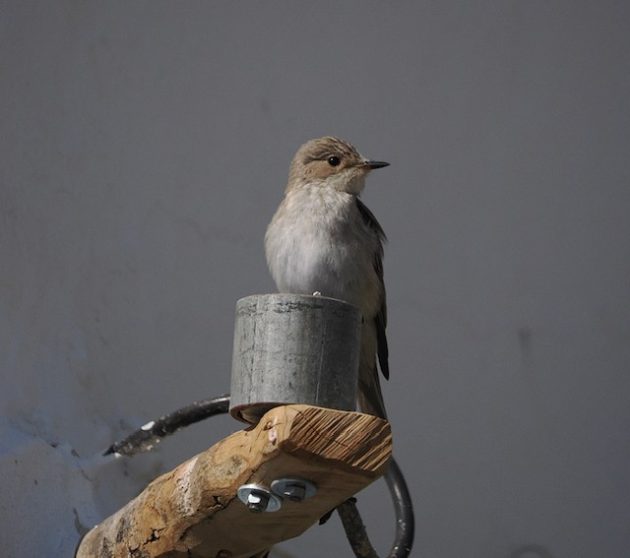
Spotted Flycatcher – a common summer visitor to the island
Menorca isn’t an island where you can knock up a big bird list: I found just 75 species during my visit last month, but I wasn’t birding all the time. Perhaps, if I’d been trying really hard, I might have reached 80. However, of my 75 species, there were a number of interesting birds that were good to see, such as the Balearic race of the Spotted Flycatcher, the so-called Mediterranean or Balearic Flycatcher. Until recently the IOC World Bird List granted it full specific status, but the latest AviList lumps it back again with the Spotted, so it is officially Muscicapa striata balearica.
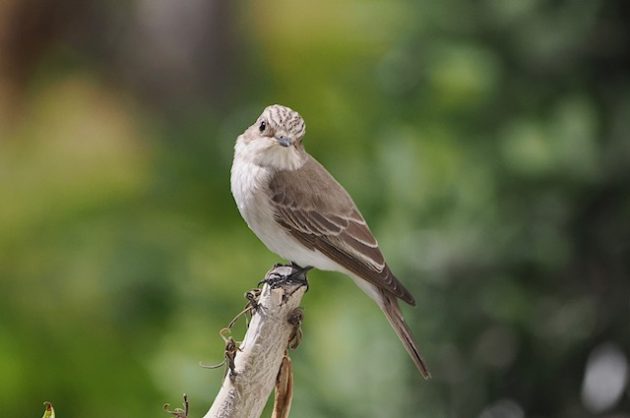
The Balearic race of Spotted Flycatcher is paler and has a more heavily streaked crown than the nominate race
These delightful little flycatchers are common summer visitors to the island, and I had great pleasure in watching a pair that were nesting outside our apartment near Fornells. In behaviour and mannerisms they are identical to the Spotted Flycatcher, but they are noticeably paler with more streaky heads. They are active birds, seldom sitting in one place for long, but usually returning to a favourite perch with a characteristic flick of their long wings. Spotted Flycatchers are a bird that has declined alarmingly at home in England, so it was a treat to find these birds so numerous here.
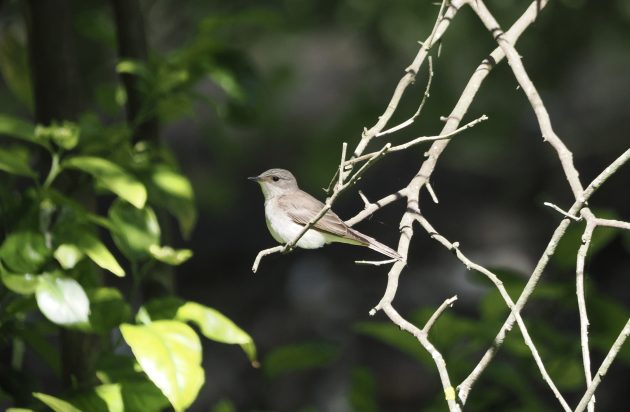
The Balearics also have their own race of the Woodchat Shrike, Lanius senator badius. The differences are subtle – it lacks, for example, the obvious white primary patch of the nominate race, Lanius senator, while the female is more brightly coloured than senator, so looks more like her mate. I was unaware of this when I saw my first pair, and wondered at the time why two males were sitting next to each other. Though they are quite common, I never managed to get a satisfactory photograph of one.
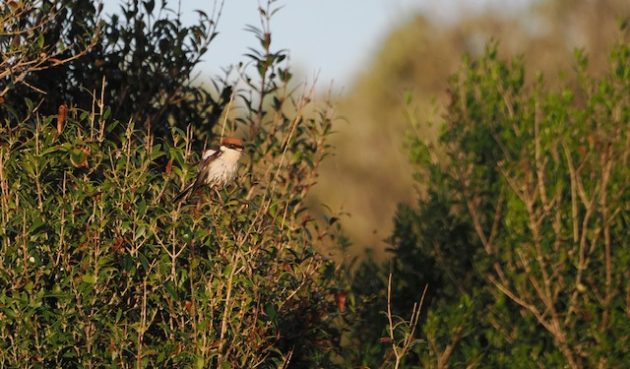
A Balearic Woodchat Shrike
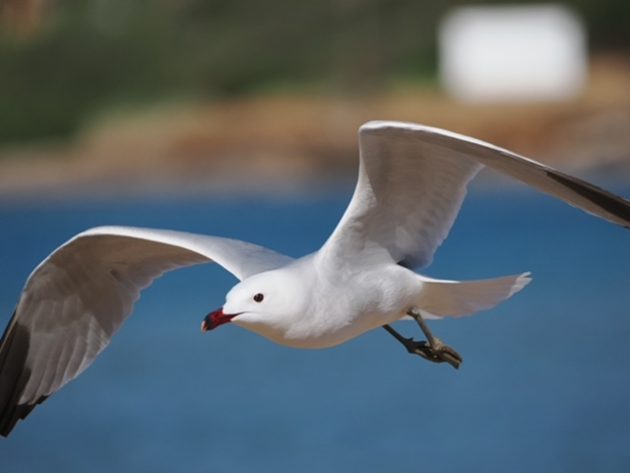
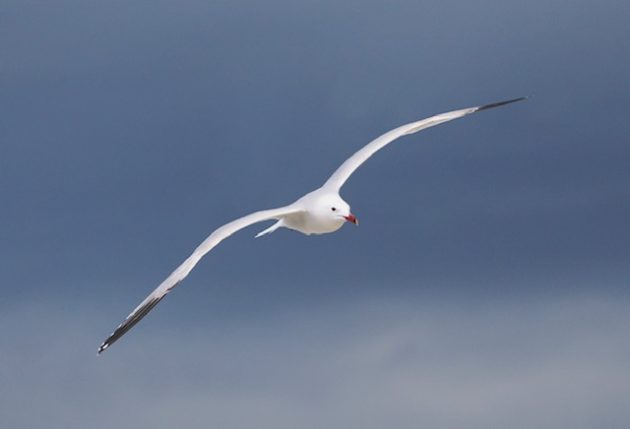
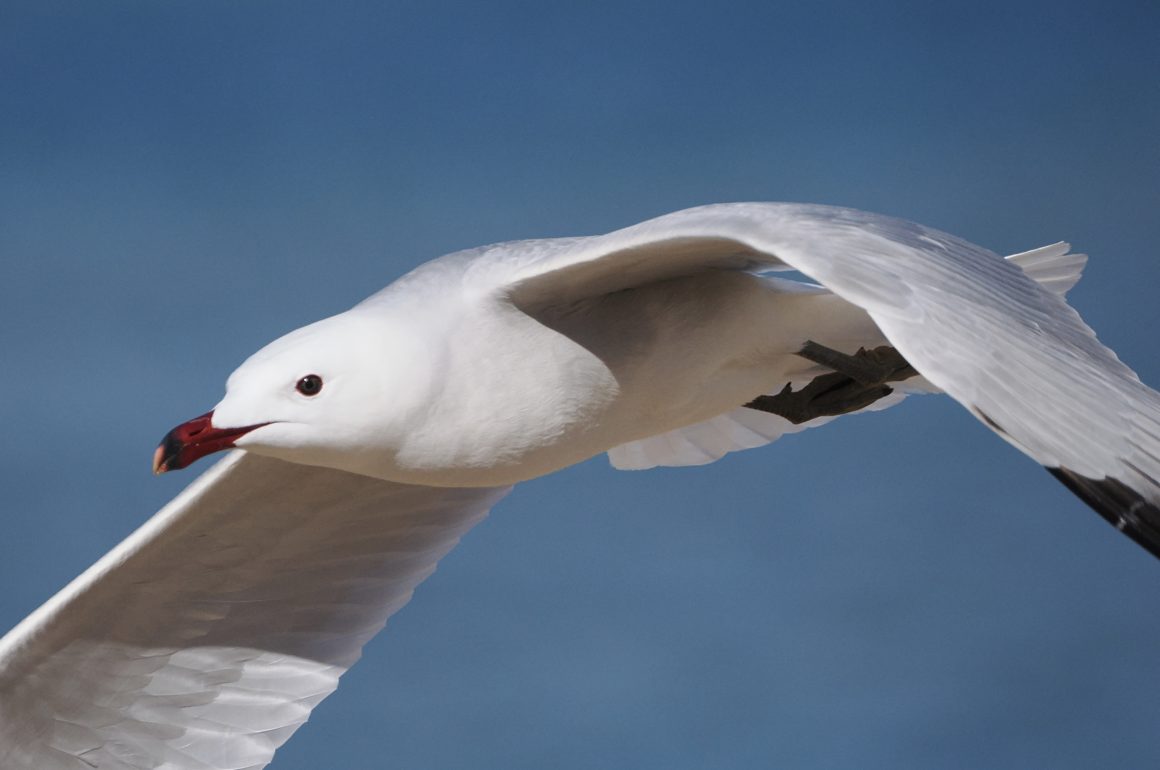
One bird that I didn’t see when I first visited the island was Audouin’s gull. According to The Birds of the Iberian Peninsula, “The recent history of Audouin’s Gull in Iberia is one of dramatic increases in population accompanied by colonisation of new western Mediterranean breeding sites that now accommodate the bulk of the global population”. This handsome species is now a bird that is impossible to miss, as every beach seems to have its resident pairs. What’s more, they are both tame and confiding, and seem attracted to people sitting on the beach, as presumably there are hoping for food.
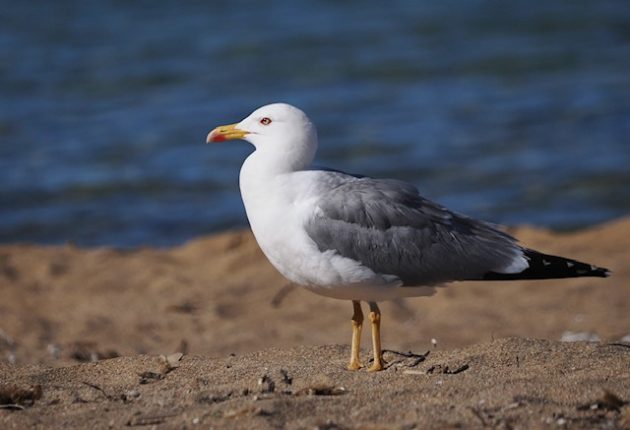
Yellow-legged Gulls are common on the island, and unlike Audouin’s, frequently come inland
Unlike the widespread and common Yellow-legged Gull, they never venture inland, but are strictly coastal. They are much nicer looking birds than the latter, with a kind dark eye and a handsome red beak, their back a smart shade of pale grey. They are a bird that I can’t resist photographing.
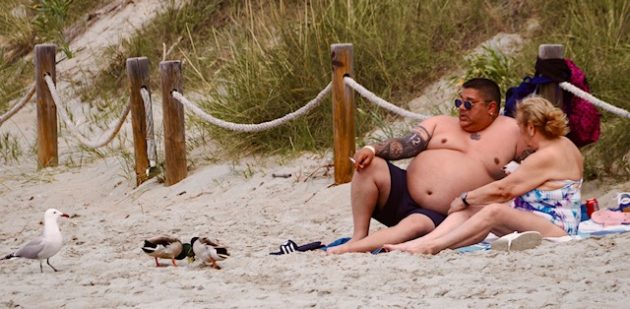
Audouin’s Gulls are attracted to people sitting on the beach
Until recently Menorca was regarded as stronghold for one of the world’s rarest seabirds, the Balearic Shearwater, a bird that was once regarded as a race of the widespread Manx Shearwater. However, it’s status has been reassessed again by AvList, and it’s now been lumped with the Yelkouan Shearwater to become the Mediterranean Shearwater. This makes sense, as the two birds are virtually identical in everything except plumage – the Balearic birds tend to notably darker than what we used to call Yelkouan. I watched flocks of 20 or 30 birds feeding off the Cap de Cavaleria, where I also saw Scopoli’s Shearwaters, birds that are twice the size of the Mediterranean Shearwaters.
Scopoli’s Shearwater used to be known as a race of Cory’s Shearwater, but AviList has split the two, so Scopoli’s is now regarded as a full species. The differences are subtle, but the range is different. Cory’s is a bird of the Atlantic, while Scopoli’s breeds exclusively in the Mediterranean. Just in case you are interested, Johannes Antonius Scopoli (1723-1788) was an Italian-Austrian who was the first to describe the shearwater, but the bird has only recently been named after him.
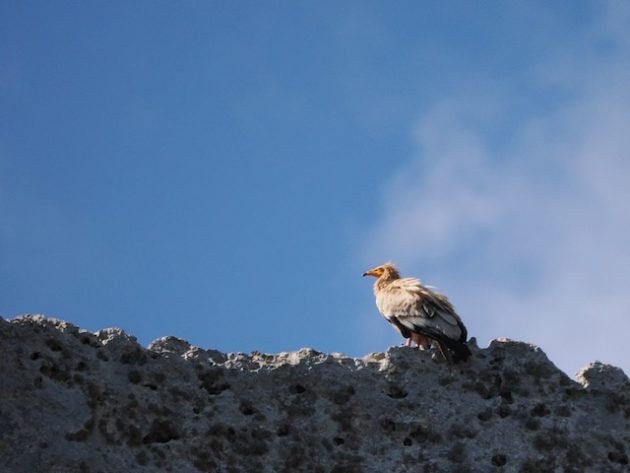
Egyptian Vulture in the D’Algender Gorge
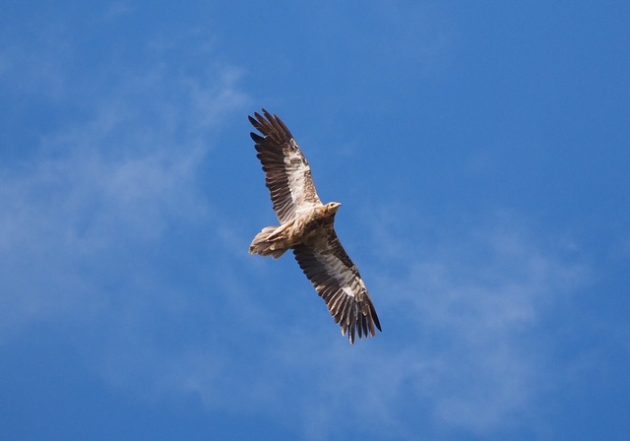
Immature Egyptian Vulture (above), and an adult (below)
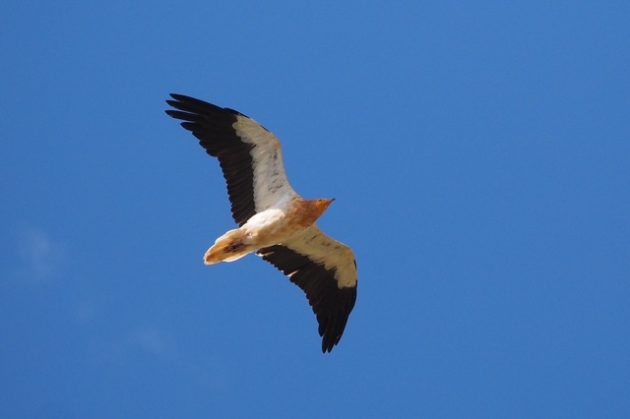
Menorca does have a few other avian quirks. One is Egyptian vulture, for its 50 or so pairs are resident, while Spain’s mainland population is largely migratory. It’s an easy bird to see in the west of the island, with the D’Algender Gorge a reliable site. Rather more widespread is the Booted Eagle, which you can encounter almost anywhere. Like the Egyptian Vultures, the population is non migratory.
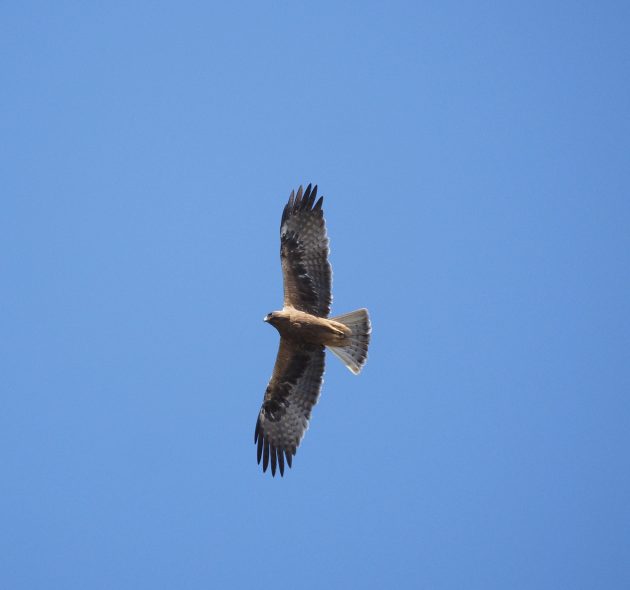
A dark-phase Booted Eagle. The Menorcan population is non migratory
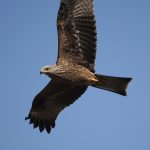
Menorca’s third big raptor is the Red Kite. This is a bird whose fortunes have fluctuated on Menorca. Once very common, its numbers dropped alarmingly at the end of the 20th century, the reasons being poisoning, electrocution and shooting. However, there’s been a recovery plan to help the birds and my observations suggest that it has been successful. I saw numerous individuals everywhere I travelled on the island, and far more than I recall seeing on my last visit just seven years ago.
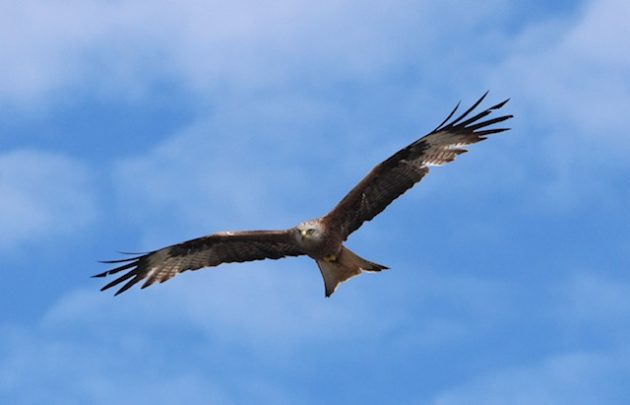
Red Kites numbers have recovered in recent years, and this is now a common bird on Menorca
(To be continued.)








Leave a Comment