

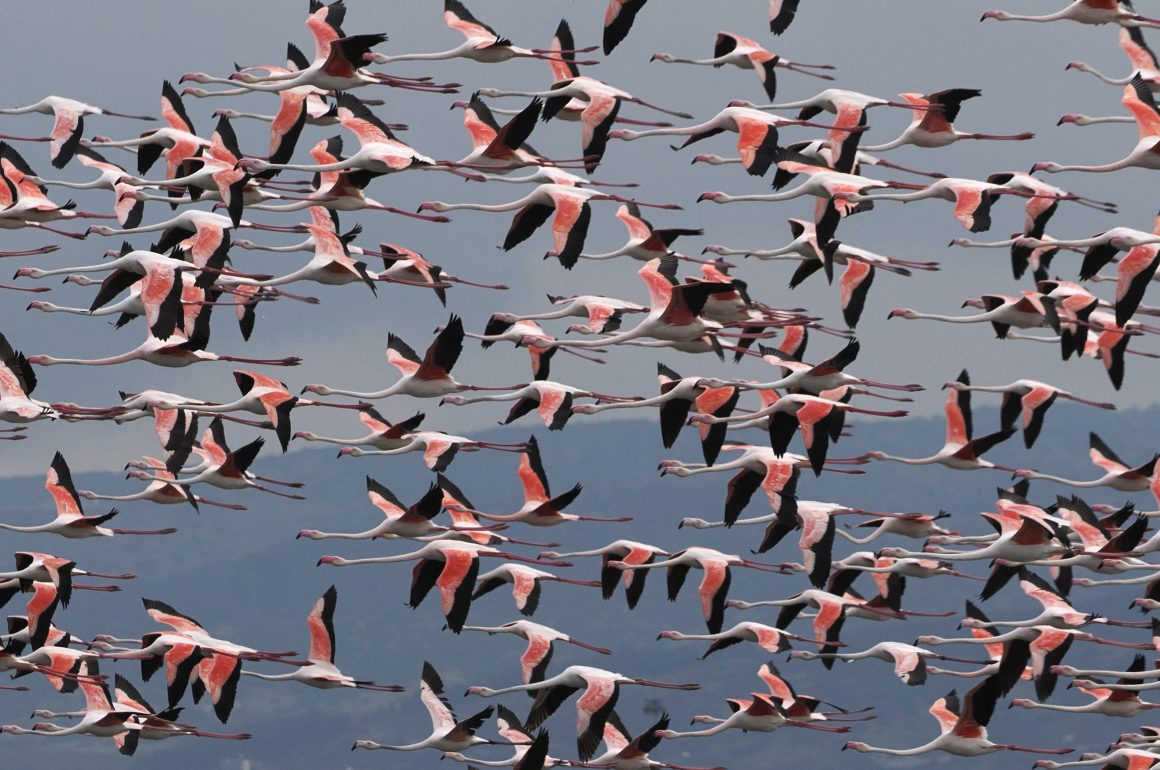
As this is my last contribution to 10000 Birds for 2025, it seems to be the appropriate moment to look back over the last 12 months. In January I set myself the challenge of finding 200 species in England and 300 species in Britain and Europe: I’m delighted to report that I comfortably passed both targets.
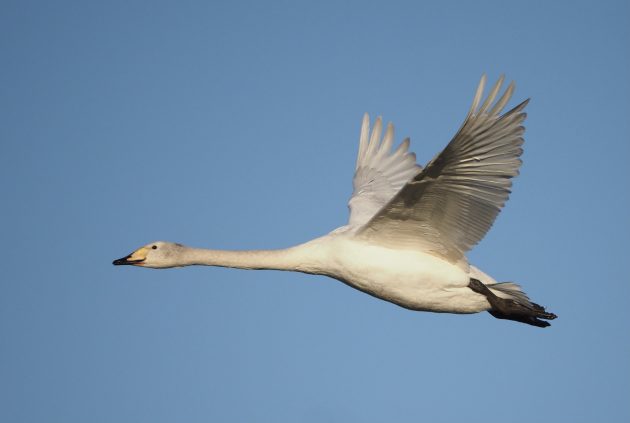
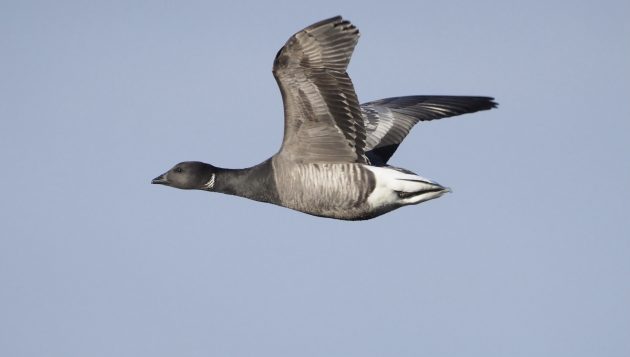
Getting the year off to a flying start: Whooper Swan and (below) Brent Goose at Frampton in Lincolnshire, 3 January
My English year started well, as by the end of January I had already ticked off 130 species: it proved to be my best monthly score. There were several good birds in the January total that I wasn’t to see again during the year, including three species of ducks – Smew, Red-crested Pochard and Lesser Scaup – and two species of grebes – Slavonian and Black-necked (or Horned and Eared if you happen to be American). These grebes and ducks were all seen on Abberton reservoir.
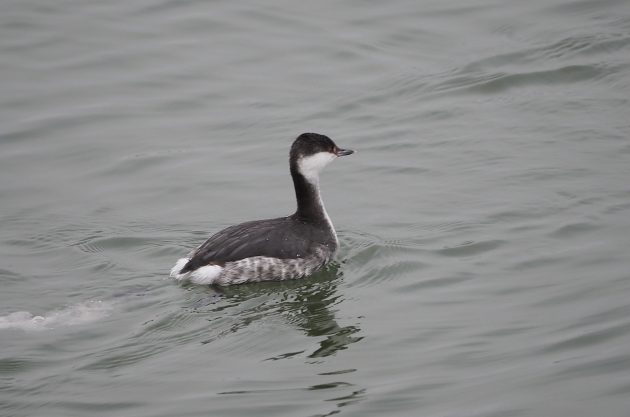
Slavonian Grebe and (below) Goosander at Abberton, 17 January
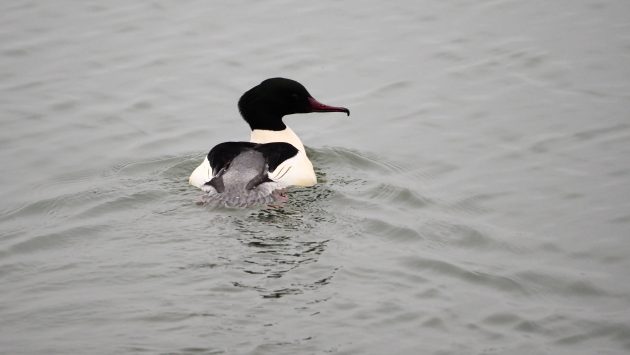
Abberton is the largest body of fresh water in East Anglia., It covers 700ha (1730 acres), and is one ofthe most important sites for wildfowl in Britain. It’s just over 50 miles from home, but it’s not an enjoyable drive, so it’s a site I don’t go to often. However, it’s so good for birds that I’m pretty sure to be visiting again next month.
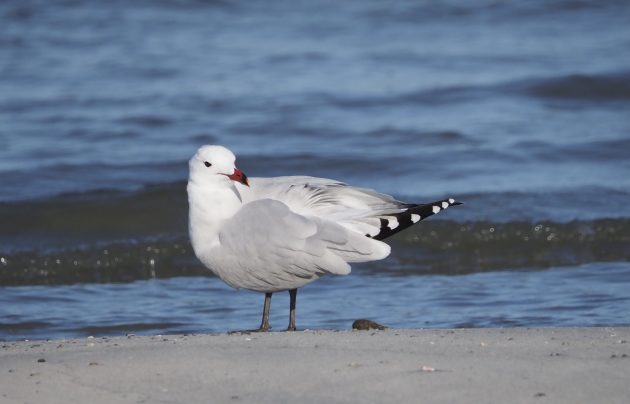
Audouin’s Gull and (below) Thekla’s Lark, Mallorca, February
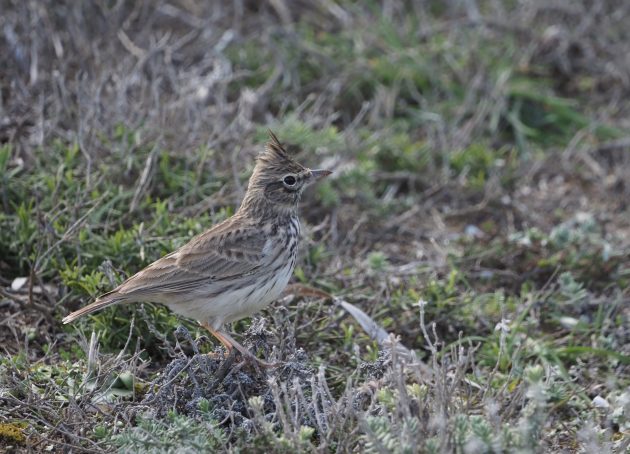
In February my European year got off to a good start thanks to a visit to the Balearic island of Mallorca. My species total for my nine days away was a modest 75, but it included several goodies, such as Black and Griffon Vultures, though I was to see these birds again in mainland Spain later. Balearic Shearwater was one bird that I wasn’t to see again during the year. Its proved to be a tumultuous year for the Balearic Shearwater. In February it was still regarded as a critically endangered species. However, the new AviList lumped it with the closely related Yelkouan Shearwater. The two birds are now known collectively as the Mediterranean Shearwater, officially a vulnerable species.
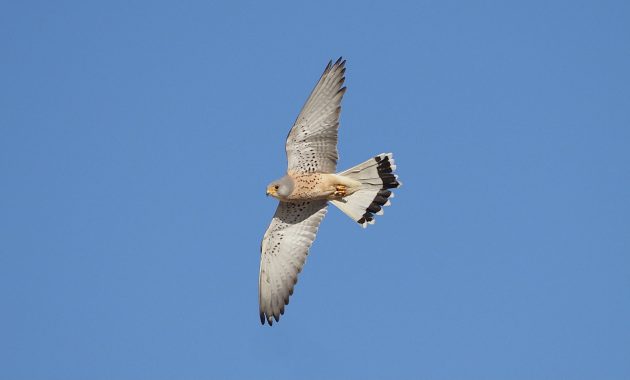
Lesser Kestrel and (below) Black-winged Kite, Extremadura, Spain, March
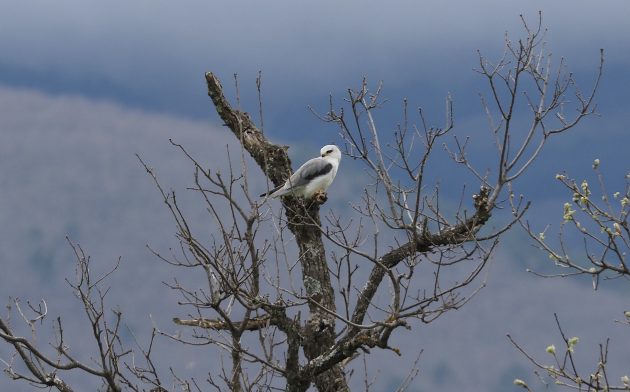
By the end of March I had seen most of the winter birds that I expect to find in East Anglia, leaving just a few to be looked for in the second half of the year. At the end of the month I was abroad again, this time in Extremadura in central Spain with three of my birding pals. We had a productive time, finding almost all our target birds, ranging from Great Bustard to two species of sandgrouse. Our score was 138 species, of which one of the most satisfying was Citril Finch, a bird I hadn’t seen for many years.
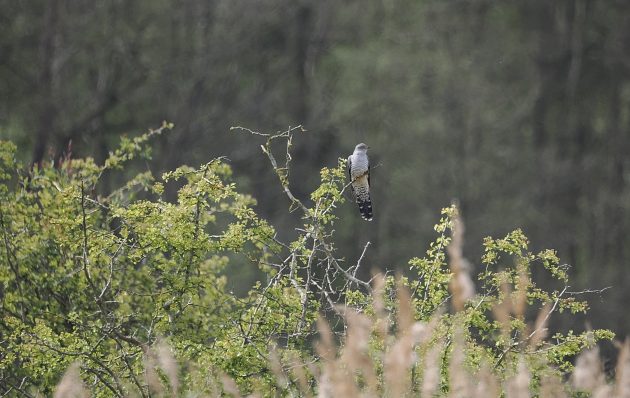
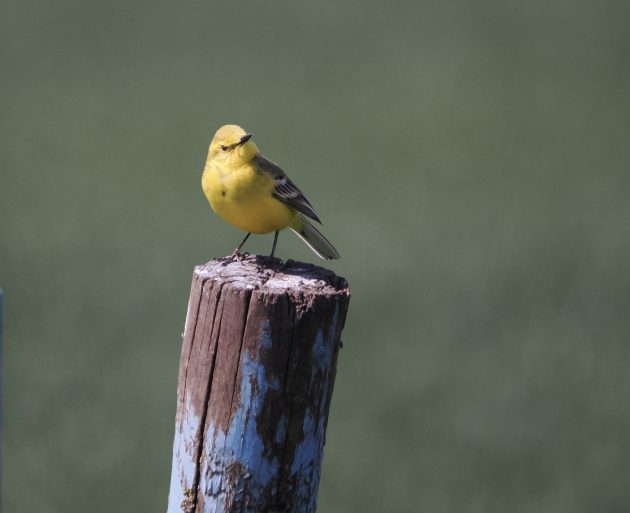
My first English Cuckoo of the year: 17 April, and (below) a Yellow Wagtail in early May, now a challenging bird to find in East Anglia
Back home in England in early April, my list gained the expected boost as a host of summer migrants appeared. I always keep a record of when I hear my first Cuckoo: this year it was on the morning of 17 April, an early date. I was to hear Cuckoos almost daily until the end of June.
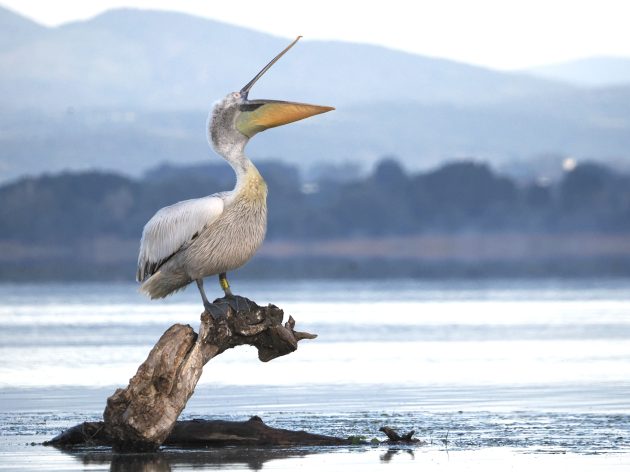
Dalmatian Pelican and (below) Collared Pratincole, Greece, May
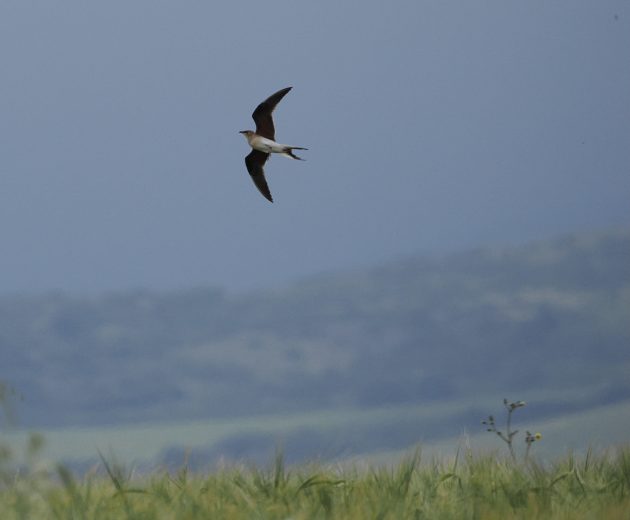
May is my favourite birding month, and this year I revisited Lake Kerkini in northern Greece, which also happens to be one of my favourite places. With such diverse species as Dalmatian Pelican and Penduline Tit to be seen, my European list received another major boost, pushing it close to the magic 300. I’ve been to northern Greece so many times that I rarely see anything there that I haven’t seen before, but a fine Terek Sandpiper was a pleasant surprise.
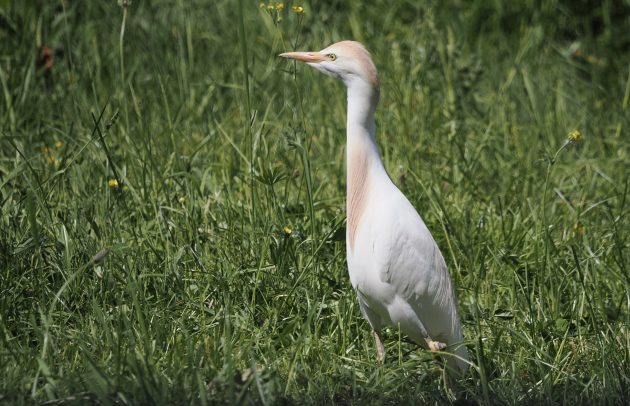
Cattle Egret in Somerset in May – a new colonist in England
Back home in England I managed to visit Exmoor in the West Country, where I found two birds typical of the lovely sessile oak woods: Wood Warbler and Pied Flycatcher. Neither species breeds in East Anglia, so they are birds I have to travel to see. To observe colonies of nesting seabirds I also have to travel. In July I drove north to Bempton Cliffs in Yorkshire, where I was delighted to be reunited with Guillemots, Razorbills, Puffins and Gannets. The same trip also allowed a visit to the North York Moors National Park, where Red Grouse was a welcome sight. After years of being lumped with the widespread Willow Grouse, the Red Grouse is now recognised by AviList as a British endemic.
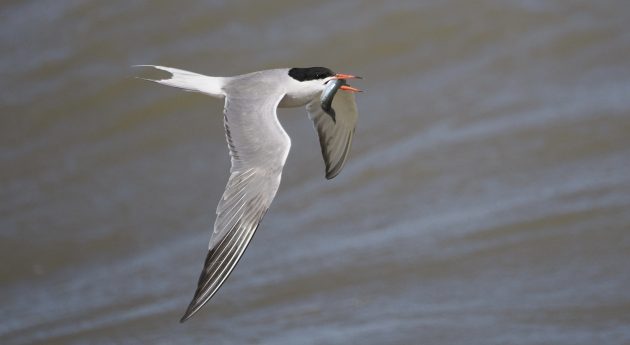
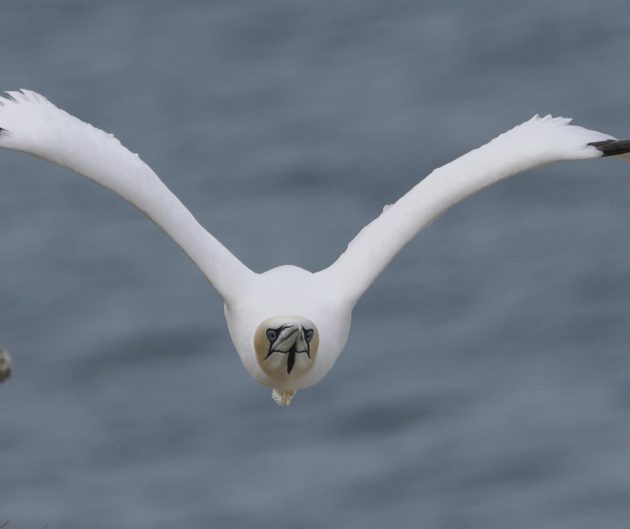
Common Tern and (below) Gannet, England, July
By August my English list was approaching the magic 200 mark, and the addition of a few rarities helped push it closer. A Pectoral Sandpiper on the Wash was the first I’d seen in England for many years, but frustratingly it was out of range for photography. A family of Ruddy Shelducks at Aldeburgh on the Suffolk coast were almost certainly wanderers from Europe, possibly even Bavaria where there is a large feral population. By the end of the month I’d reached my 200-bird target.
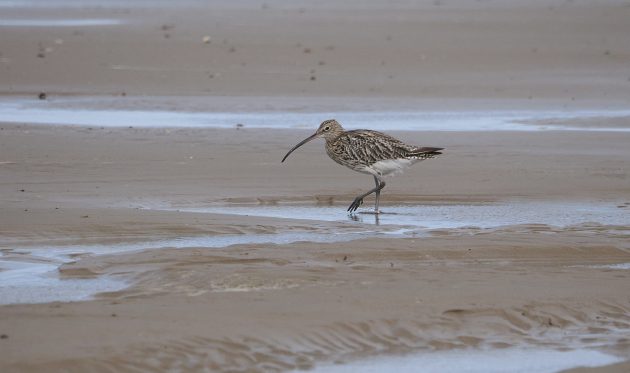
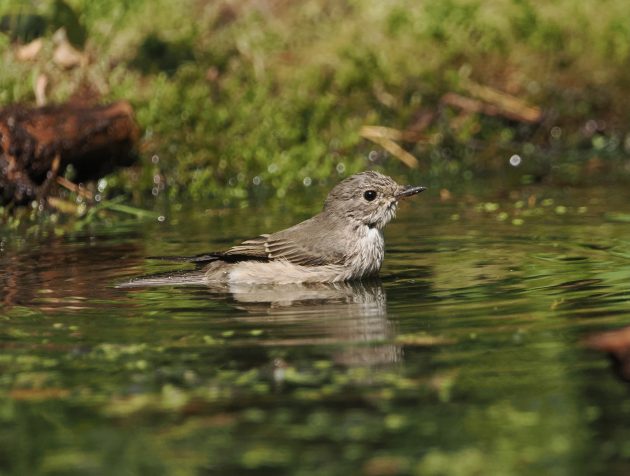
Curlew and (below) Spotted Flycatcher, North Norfolk, August
A visit to Aragon in northern Spain in early September was a great birding trip, but added surprisingly few species to my year list. One that was an addition was Lammergeier or Bearded Vulture, a bird I have seen many times before but is always exciting to see again. Observing a vulture feeding station in the Pyrenees was one of the birding highlights of my year.
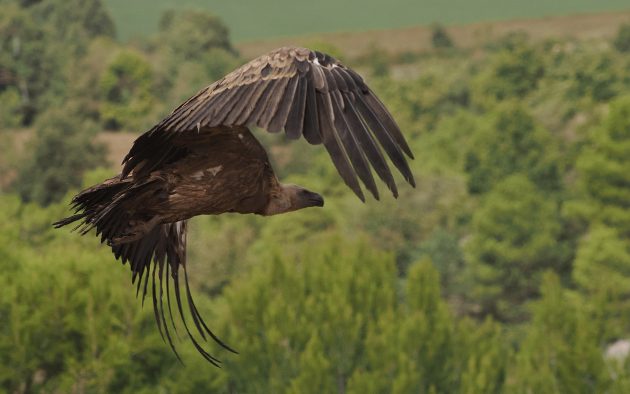
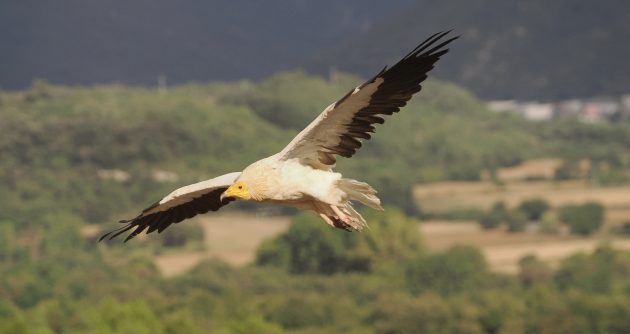
Griffon Vulture and (below) Egyptian Vulture, Spanish Pyrenees, September
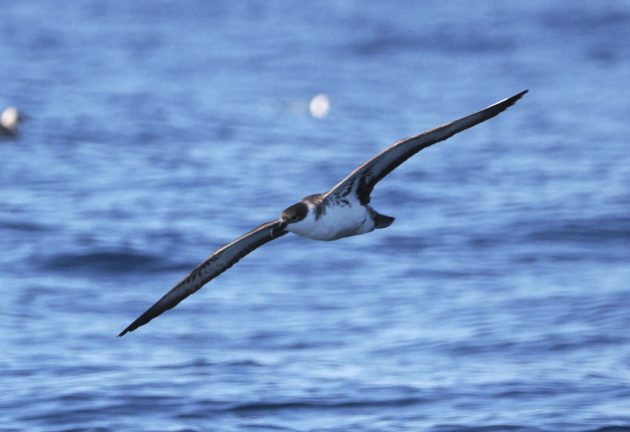
Great Shearwater and (below) Cory’s Shearwater, Portugal, September
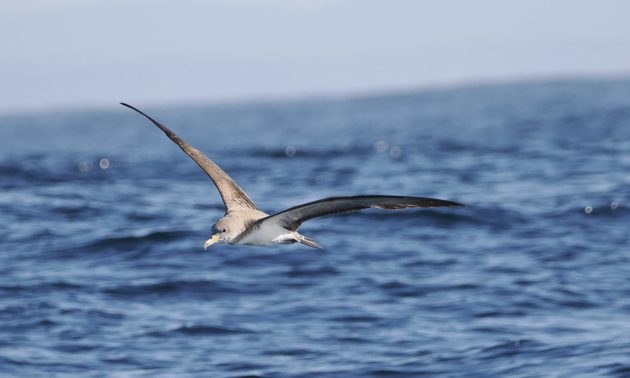
I rarely get lifers in Europe, but I did so in Portugal at the end of September when I joined a pelagic, sailing out into the Atlantic from the port of Sagres. My lifer was a Great Shearwater, while on the same excursion it was gratifying to be reacquainted with European and Wilson’s Storm Petrels, both delightful birds that are almost impossible to see from land. The Great Shearwater was No 304 on my European year list, so another target was achieved. This was my first-ever pelagic in the Northern Hemisphere – my last pelagic had been an excursion from Goolagong in Australia many years before.
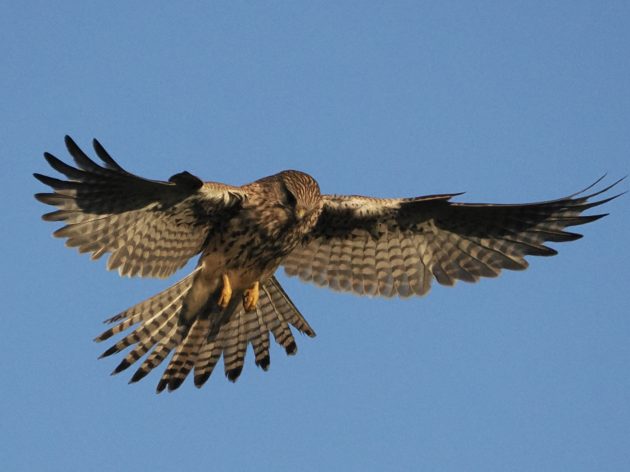
Kestrel and Great Spotted Woodpecker, Norfolk, November
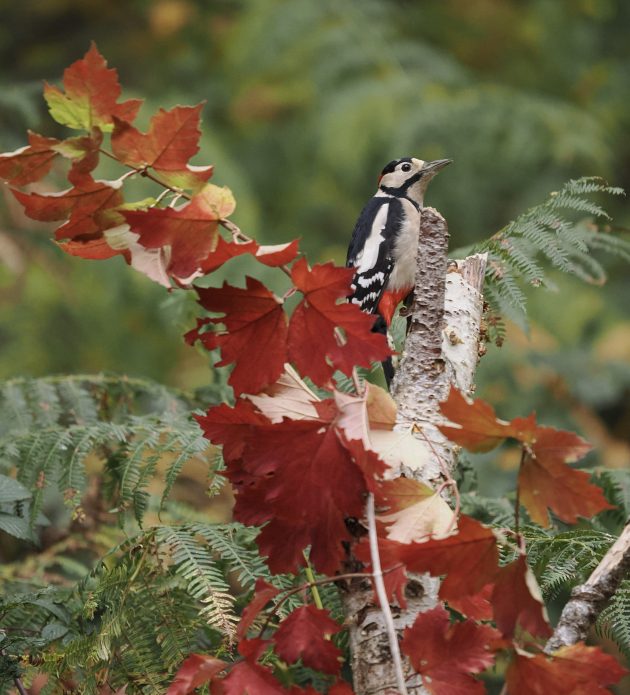
Back home in England, a number of local birding outings helped push my English total well over the 200 mark. It was good to see Snow Buntings, birds that I had missed earlier in the year. Both Yellow-browed and Hume’s Warblers proved elusive and hard to find, but I succeeded in the end. One of my last new birds of the year was a dashing little Merlin, No 212. In mid December I still hadn’t seen a Bewick’s Swan. Twenty years ago thousands wintered here in East Anglia, but short-stopping means that only a few bother to cross to England from the near Continent. However on a visit to Norfolk where I finally ticked Velvet Scoter for the year, I also saw a party of Bewick’s Swans – No 214. The total including Europe was 308.
Next week the check list gets swept clean, and the 2026 quest starts. I’ve got a trip planned to Morocco in April, so there’s the prospect of a number of lifers on the edge of the Sahara, an area I’ve never visited before. Visiting North African will turn my European list into a Western Palearctic list, but the target remains the same at 300 species. It’s going to be fun trying to reach it.




Wow, I love the picture of the gannet. Haven’t seen it from that angle before!
Very cool, David! Terek Sandpiper is a dream bird, I’m yet to see one (and many others from this post)