

Highlights
Located within the city of Rio de Janeiro, Parque Nacional da Tijuca is one of the world’s largest urban forests and a key destination for Atlantic Forest birding in Brazil. Despite being surrounded by a major metropolis, the park protects extensive tracts of well-preserved montane and submontane forest, offering excellent opportunities to observe a wide range of Atlantic Forest endemics. Its accessibility and rich birdlife make it an ideal introduction to Brazilian birding for visiting naturalists.
Blue Manakin
Key Bird Species and Families
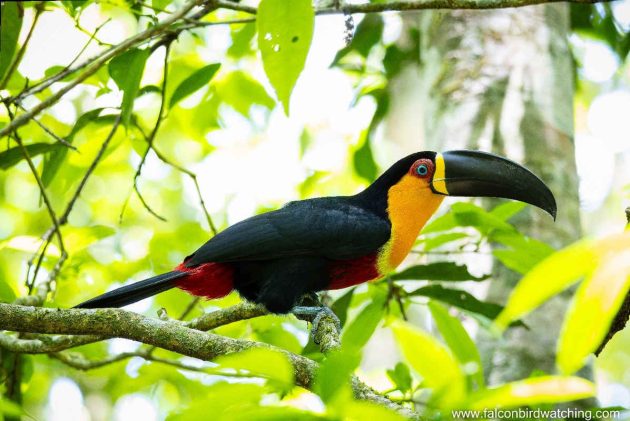
- Channel-billed Toucan
- Spot-billed Toucanet
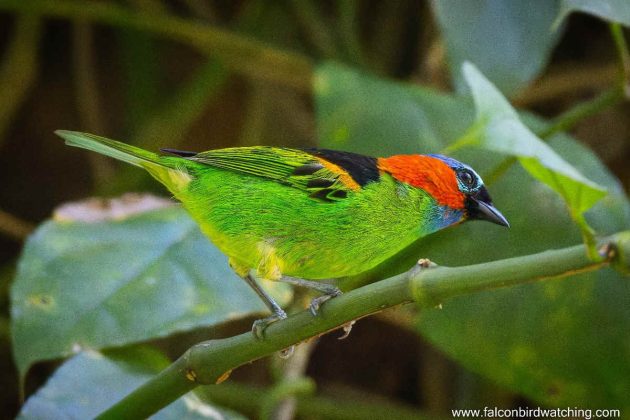
- Red-necked Tanager
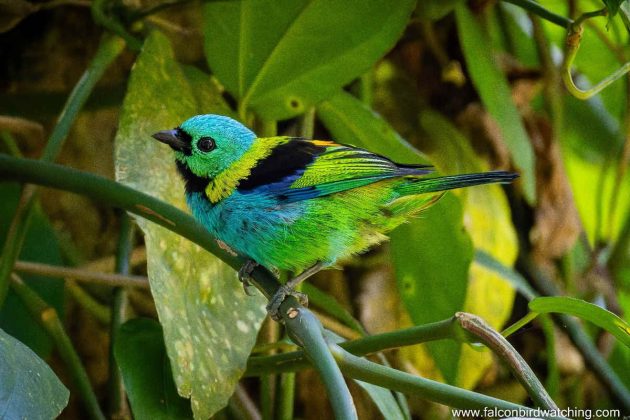
- Green-headed Tanager
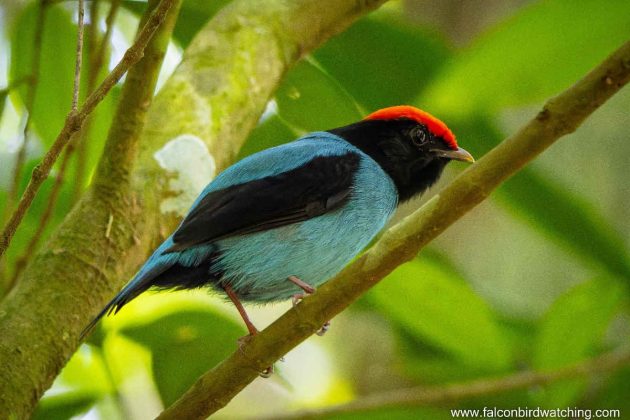
- Blue Manakin (Swallow-tailed Manakin)
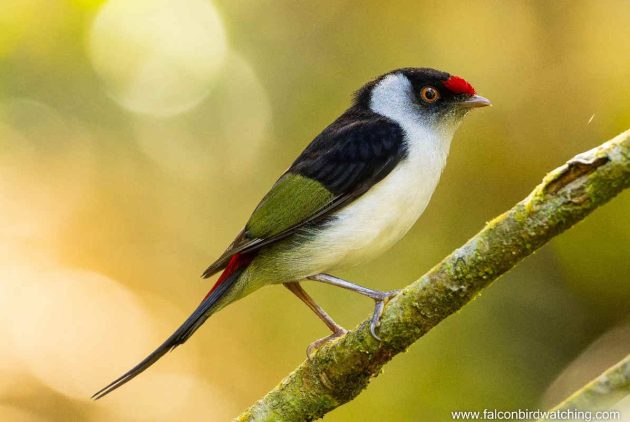
- Pin-tailed Manakin
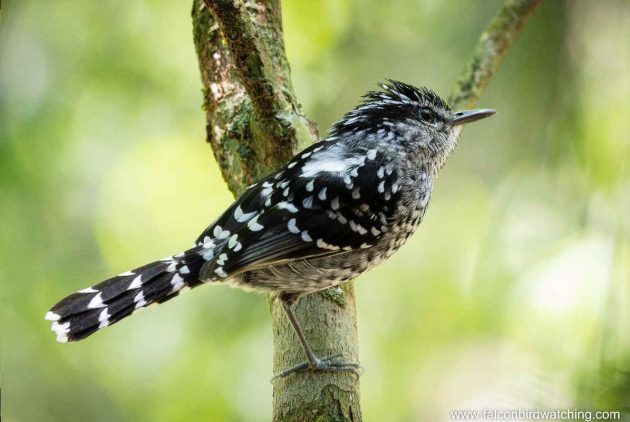
- Scaled Antbird
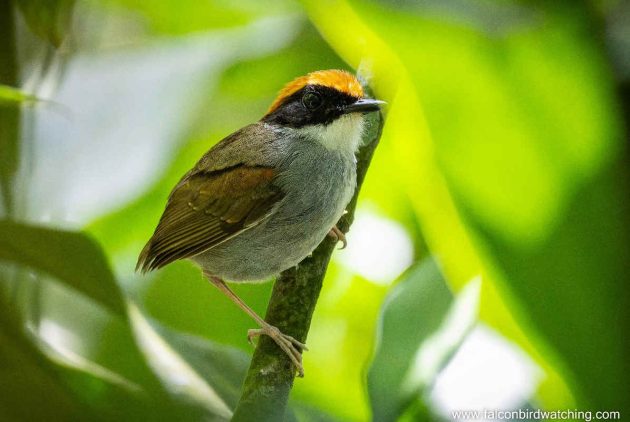
- Black-cheeked Gnateater
- Dusky-throated Hermit
Channel-billed Toucan
Best Regions for Birding
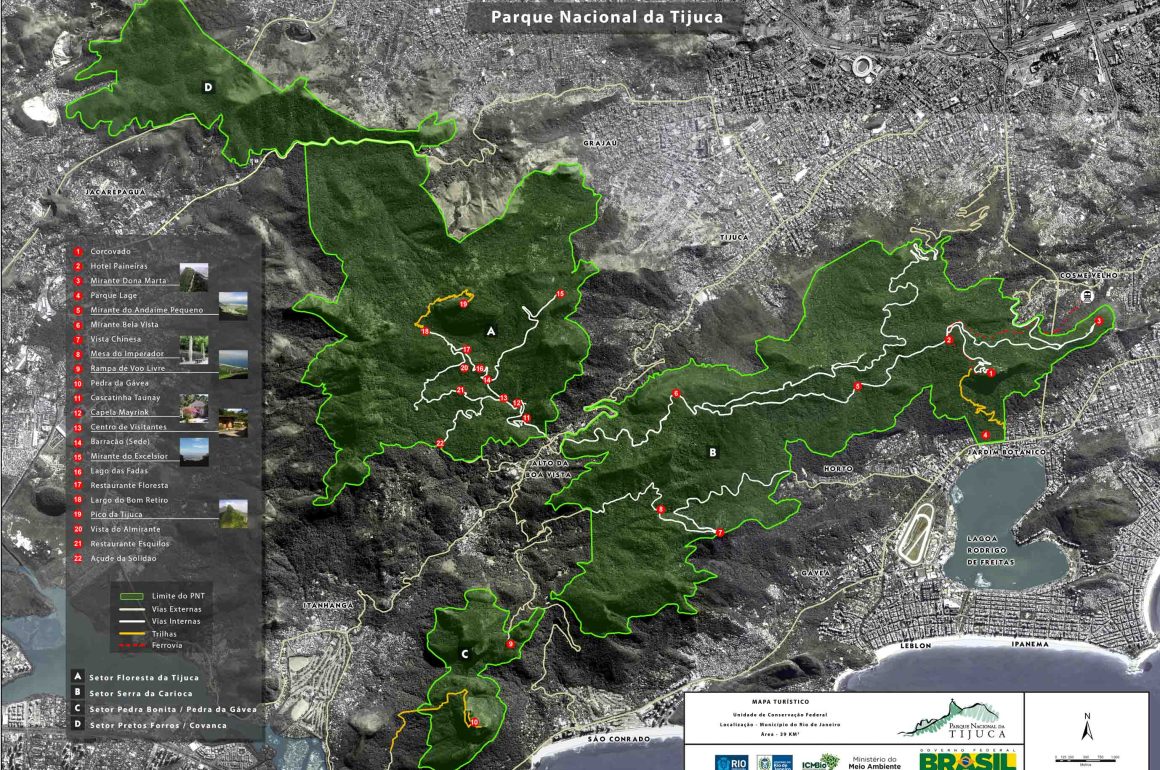
The park is divided into several sectors, each offering distinct birding opportunities:
- Floresta da Tijuca (main sector – Visitor Center to Açude da Solidão) – excellent for forest specialists and mixed flocks
- Estrada das Paineiras / Corcovado area – good for canopy species and scenic birding
- Vista Chinesa / Mesa do Imperador – productive roadside birding and raptor watching
- Jardim Botânico and surrounding forest edges – accessible birding with high diversity
Scaled Antbird
Best Birding Season
Birding is productive year-round. The austral spring and summer (September to March) offer increased vocal activity, while the cooler months (May to August) provide comfortable conditions and good mixed-flock activity. Early mornings are best throughout the year.
Pin-tailed Manakin
Birding Trip Suggestion(s)
Standard birding outings usually run from 08:00 to 14:00, following the official opening hours of the parks and reserves, which helps ensure access to the main birding areas during peak activity. Suggested itineraries are
- Full morning in Floresta da Tijuca main sector, starting at the Visitor Center and birding up to Açude da Solidão
- Full morning in Jardim Botânico, combining forest edges, open areas, and lagoon surroundings
- Optional late-afternoon extension in nearby coastal restinga habitats (such as Niterói), adding a different set of species to the day list
Green-headed Tanager
Practical Tips
- Early morning visits are strongly recommended due to bird activity and traffic.
- Weekdays are generally quieter and more productive than weekends.
- Light walking on forest roads and trails is required.
- Combining Tijuca forest birding with nearby coastal habitats can greatly increase species diversity in a single day.
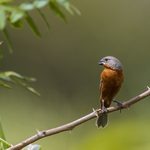
Red-necked Tanager
Books
- Guia de Aves do Sudeste do Brasil – Irmãos Mello
- Birds of Brazil: The Atlantic Forest of Southeast Brazil – Tomas Sigrist
- Birds of Brazil: A Field Guide – Ber van Perlo
Black-cheeked Gnateater
Links
- Official park information: https://www.parquenacionaldatijuca.rio
- eBird hotspot list for Parque Nacional da Tijuca
By Francisco Falcon
Francisco Falcon is a bird guide based in Rio de Janeiro state, Brazil, guiding regularly in Tijuca National Park and other key Atlantic Forest locations. He can be reached at franciscofalcon@gmail.com or via WhatsApp at +55 21 99203-4518.
Photos by Francisco Falcon
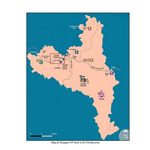
Map: By Parnatijuca – Template: Parque Nacional da Tijuca, Public Domain, https://commons.wikimedia.org/w/index.php?curid=14671439





Leave a Comment