

Which bird species do you think is the biggest attraction to visitors of your lodge (please only name one species)?
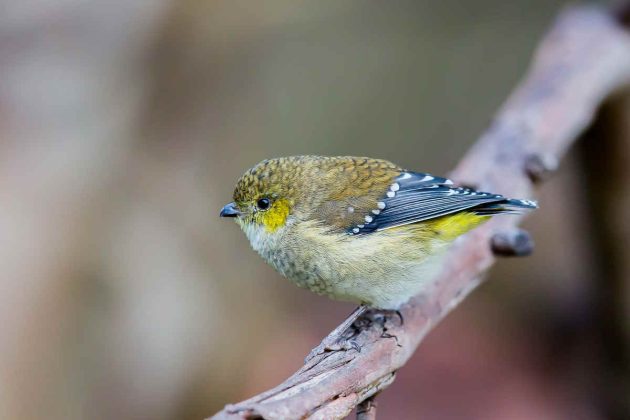
Forty-spotted Pardalote (Pardalotus quadragintus) must be at the top of the list. It’s endemic to SE Tasmania, and Inala is home to a thriving colony. You can look for this tiny bird with its snazzy white dots from a specially constructed platform on the reserve. If you’re lucky, you might even be able to count the spots!
Forty-spotted Pardalote (photo: A. Browne)
What is the name of your lodge, and since when has your lodge been operating?
We’re called Inala Country Accommodation and Inala Nature Tours. We’ve been operating for more than 30 years.
How best to travel to your lodge?
We’re on South Bruny Island off Australia’s island state of Tasmania. So we’re on an island off an island off an island. We’re only about a two-hour drive from Hobart, with a short ferry ride in the middle. The ferry ride is just 15 minutes across the scenic D’Entrecasteaux Channel, and it might give you a chance to tick some seabirds, including Silver Gull, Kelp Gull, Greater Crested Tern, Australasian Gannet, and Black-faced Cormorant. Once you get to Bruny Island, head south. You’ll see glorious scenery on the way. Tasmania is known for its beautiful landscapes and great fresh produce, and Bruny Island has some of the best of both! No car? No problem. We can arrange transfers from Hobart.
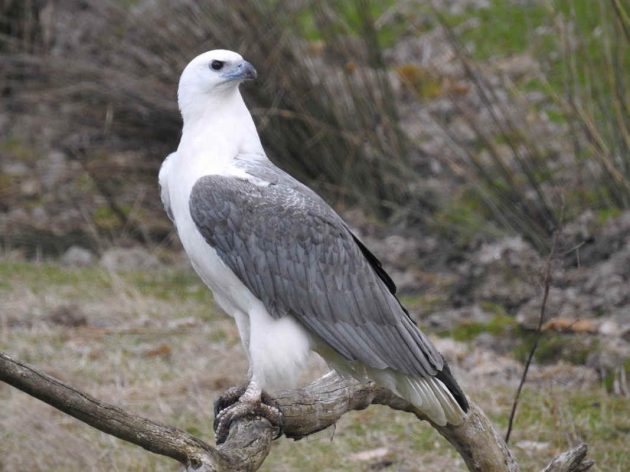
White-bellied Sea-eagle (photo: C. Davidson)
What kind of services – except for accommodation and food – does your lodge offer to visiting birders?
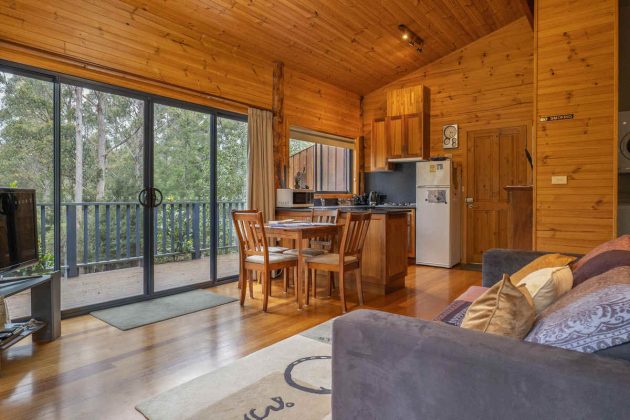
There are two lovely self-catering cottages on the property. We offer 3-hour guided walking tours of the reserve and full-day or multi-day tours of Bruny Island and bird hides, including a hide specially designed for photographing raptors. We also offer night tours to view some of Tasmania’s special mammals and to watch Short-tailed Shearwaters returning to their burrows during the summer breeding season.
What makes your lodge special?
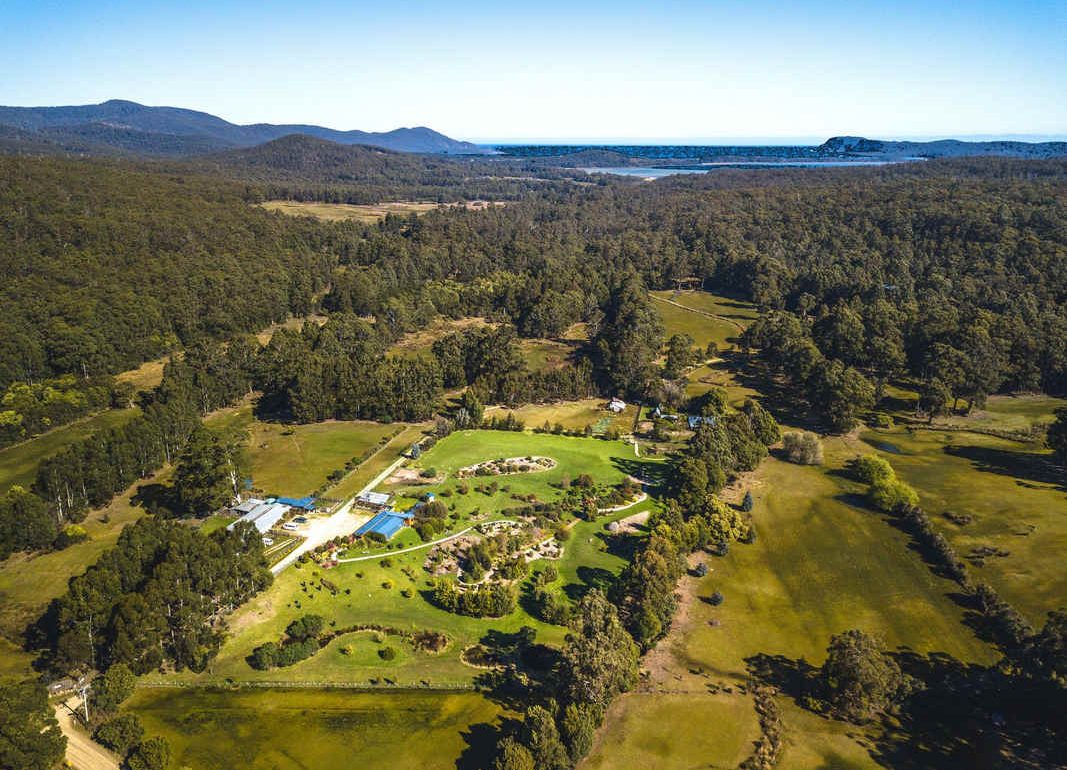
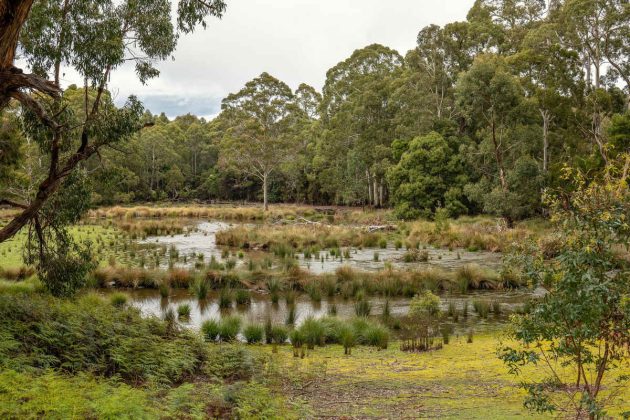
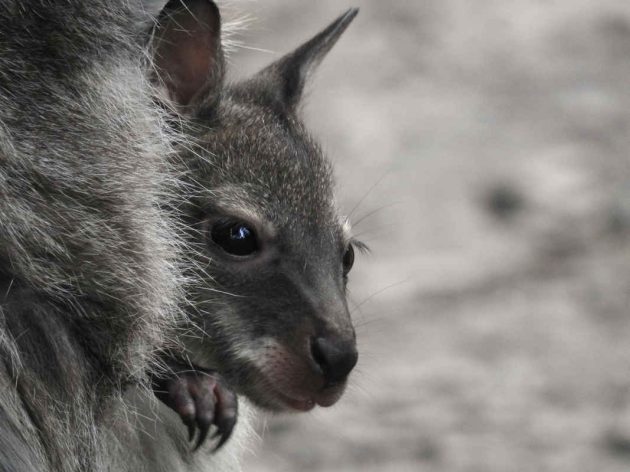
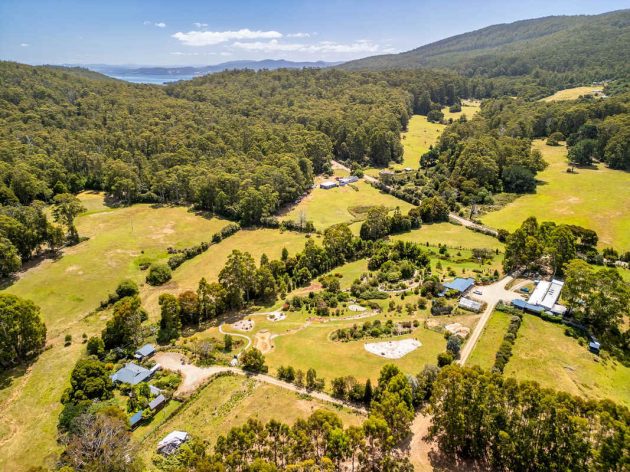
We have a 1,500-acre nature reserve with walking tracks that cover a range of habitats from tall forest to heathland and grassland, as well as ponds and lakes. It is also an important breeding area for the critically endangered Swift Parrot, which migrates annually across Bass Strait. Native mammals such as Tasmanian Pademelons, Bennett’s Wallabies, and Common Brushtail Possums can also easily be found here.
Bennett’s Wallaby (photo: C. Davidson)
What are the 10 – 20 most interesting birds that your lodge offers good chances to see?
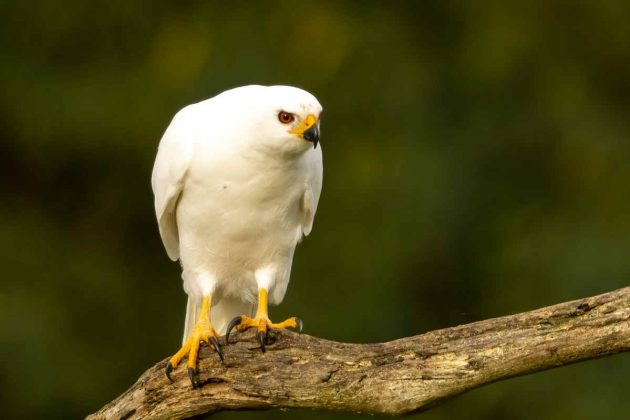
Inala is home to all 12 Tasmanian endemic bird species, including Forty-spotted Pardalote, Yellow Wattlebird, Green Rosella, and Tasmanian Nativehen (known locally as the Turbo-chook). We often receive visits from a range of raptors, including the stunning pure white morph of the Grey Goshawk and the White-bellied Sea-eagle. (Don’t forget to look up for a chance of the Tasmanian subspecies of Wedge-tailed Eagle!)
Grey Goshawk (photo: A. Browne)
What is the best time to visit your lodge, and why?
The birds are out and about and shaking their tail feathers in the Austral Spring (October – December), but Summer and Autumn offer beautiful weather along with birds and wildflowers. The endemics are present all year round.
Superb Fairywren (photo: C. Davidson)
Is your lodge involved in conservation efforts? If yes, please describe them.
Inala Nature Reserve was set up to conserve the endangered Forty-spotted Pardalote, and we work with researchers at the Australian National University to understand the biology and ecology of this endemic species. We have also been involved in Swift Parrot research since the 1990s. We have been propagating and planting trees, particularly for these species, which also provide food and shelter for a wide range of local birds, mammals, and invertebrates.
We are also involved in plant conservation, including ex situ projects for rare and endangered plants such as the Mulanje Cedar (Widdringtonia whytei) from Malawi, and endemic mountaintop species from Far North Queensland. We also grow Wollemi Pine as part of a global metacollection. We work with botanic gardens around the world as part of the Global Genome Initiative, helping to record and preserve the genetic diversity of the world’s flora.
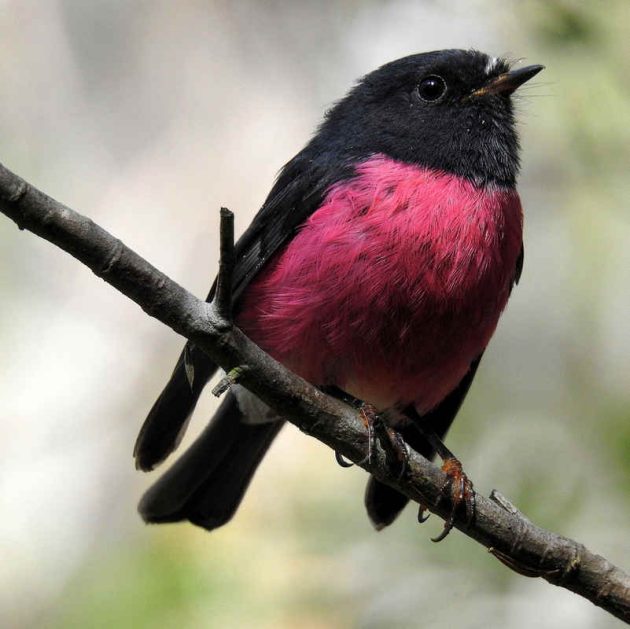
Pink Robin (photo: C. Davidson)
What other suggestions can you give to birders interested in visiting your lodge?
Bring your usual birding kit—binoculars, scope, and camera. The cottages are fully equipped for self-catering, and there are some options for eating out on the island. There’s no public transport on the island. We recommend booking accommodation and any tours well in advance to avoid disappointment.
Do you have activities for non-birders? If so, please describe.
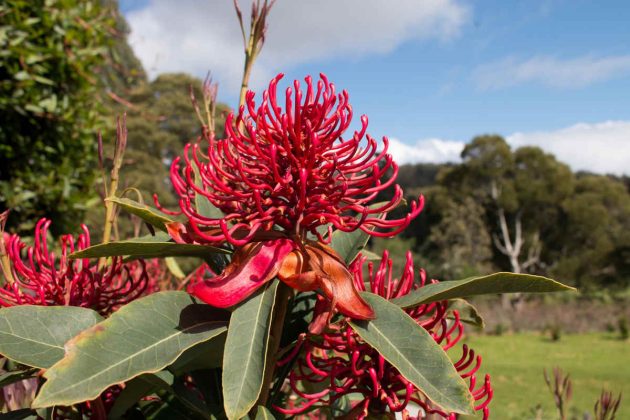
The reserve is a lovely spot for walking and experiencing nature on our lovely walking tracks. There’s no need to focus solely on the birds (unless you want to!) because there’s a lot of other wildlife on the property. We have a botanical garden dedicated to the plant species of Gondwana. It contains more than 750 species of 50 families that trace their ancestry back to the time of the dinosaurs. We also have a small nature museum. If you want to roam further afield, some delightful beaches are only a short drive away.
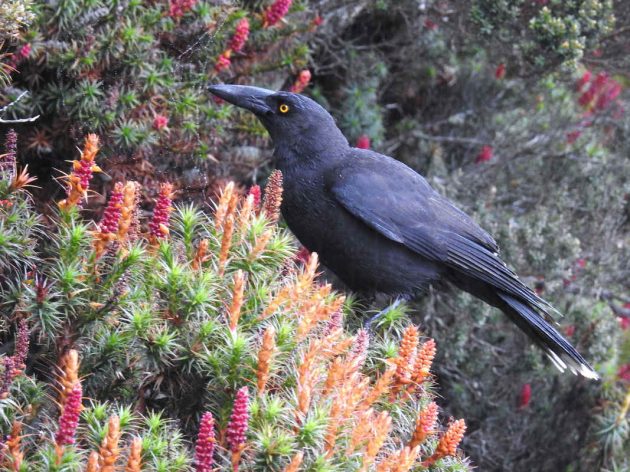
Black Currawong (photo: C. Davidson)
If any reader of 10,000 Birds is interested in staying at your lodge, how can they best contact you?
You can contact us through our website (https://inalanature.com.au/). You can also read about our tours, our conservation work, and a lot more on our site.
Lodge and environmental photos by B. Moriarty







Leave a Comment