

What is your favorite bird species?
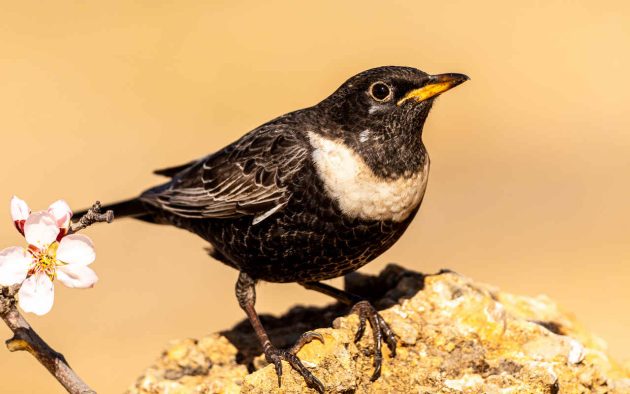
This is a very easy question for me to answer. It is the Ring Ouzel (Turdus torquatus). I have been fascinated by this thrush ever since I was a small kid. Back then, I thought that I would never see this shy and scarce summer visiting denizen of the wilder mountainous regions of the UK. This was until my favourite bird began visiting me at my local patch in London whilst on migration!
What is your name, and where do you live?
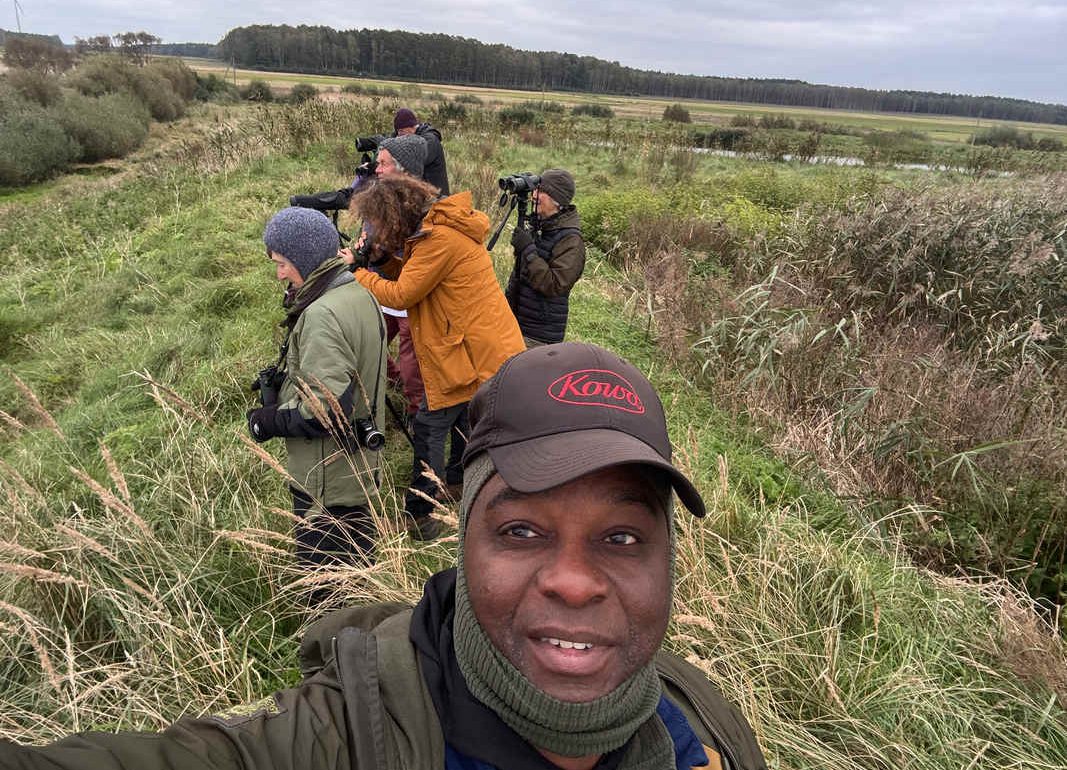
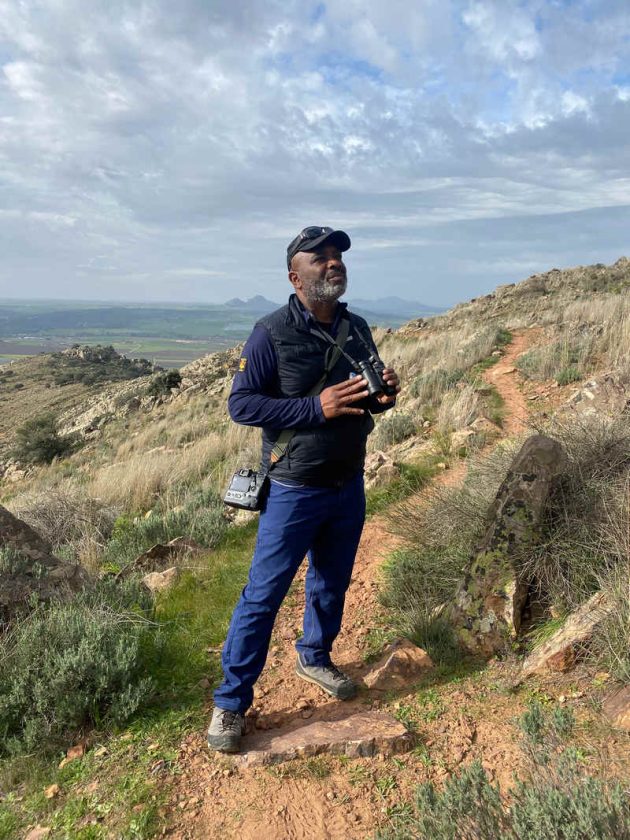
I am David Lindo, aka The Urban Birder. I am from London, England, but now I am based in Extremadura, Spain.

What are the main regions or locations you cover as a bird guide?
I lead tours all over the world and have been from the Antarctic to the Arctic, covering many places in between. My specialty region is Extremadura, Spain.
How long have you been a bird guide?
I have been a guide for the past 18 years.

How did you get into bird guiding?
I have always wanted to travel, so when my career as The Urban Birder kicked off, I began to be invited to destinations around the world as a writer. I quickly realized that much of birding tourism seemed to be centered around the usual places. I have always been interested in taking people to other, more unusual locations even if they are within an already well-known country. Thus, I began to organise tours visiting the places that do not get the attention that they deserve.
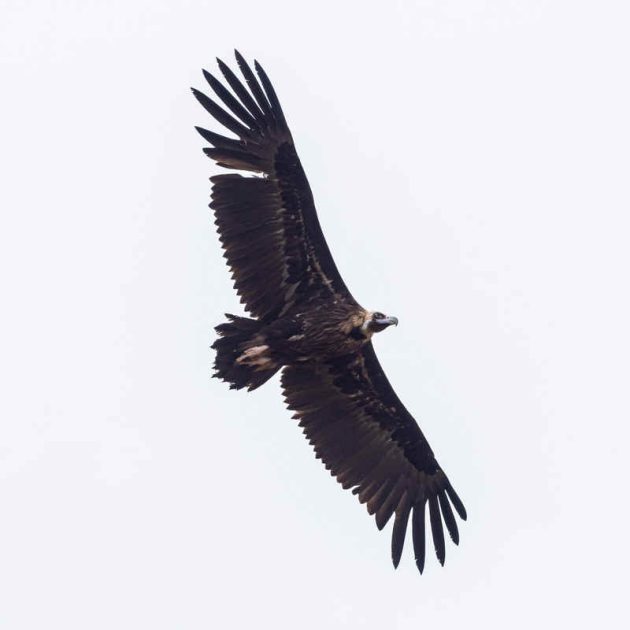
Cinereous Vulture
What are the aspects of being a bird guide that you like best? Which aspects do you dislike most?
I love seeing the faces of my guests when they visit a stunning location or see birds that they were not expecting. I love sharing the conservation stories with my guests too, as I believe that bird tours should be far more than just garnering big lists.
I’m not that interested in leading tours that concentrate solely on list building.
What are the top 5-10 birds in your region that are the most interesting for visiting birders?
Extremadura’s main avian attractions are its Little and Great Bustards and Pin-tailed and Black-bellied Sandgrouse, along with its many larks, vultures, and eagles. On my tours, we look for everything equally and take our time to enjoy them – not racing onwards for the next species. That way, you are more likely to find surprises.
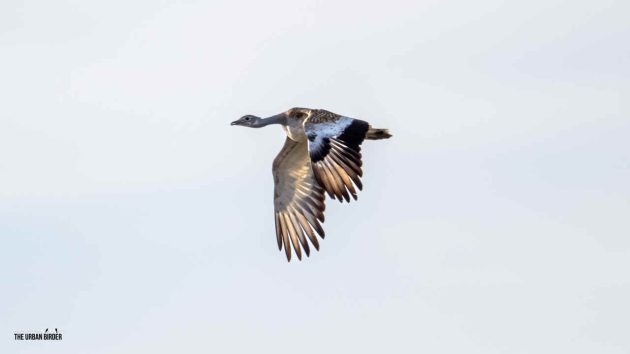
Great Bustard
Can you outline at least one typical birdwatching trip in your area? Please briefly describe the locations, the key birds, and the approximate duration of such a trip
A typical day would be to explore the plains and reservoirs in and around Cáceres city. In spring, we could see a wide range of species from Pallid Swift, Lesser Kestrel, Hawfinch, and Lesser Spotted Woodpecker in the city itself to Spanish Imperial Eagle, both bustards and sandgrouse, plus a multitude of passerines, waterfowl, and shorebirds elsewhere.
What other suggestions can you give to birders interested in your area?
The classic season to visit the region is spring, but autumn and winter are also great times to see birds in Extremadura. Surprisingly, there are very few bird guides in the region, and most are usually fully booked during the spring high season. I am one of a tiny handful of British-born guides with English as a first language who are legally allowed to work in Spain. Yes, it is possible to explore the region on your own, but it always pays to have good local knowledge. It is a vast place that is always full of surprises!
If any readers of 10,000 Birds are interested in birding with you, how can they best contact you?
The readers of the wonderful 10,000 Birds site are welcome to contact me at tours@theurbanbirderworld.com to learn about the tours that I can construct for them in Extremadura, Spain, and beyond. I can also organise urban birding day trips in almost any city in the world. I also have a website at http://theurbanbirderworld.com








Leave a Comment