

Ask the Internet this question and you quickly get stuck in the weeds of biodiversity, poultry and ubiquitous species. However, we want to know the most popular bird in Asia, in Australia, in Africa, et cetera… Why do we want to know this? Clickbait and beautiful pictures are very good reasons and come to think of it, that’s it. We want clicks and we want awe. So we asked SkyNet aka Artificial Intelligence.
Here are the most popular birds, listed in order of the continents’ sizes:
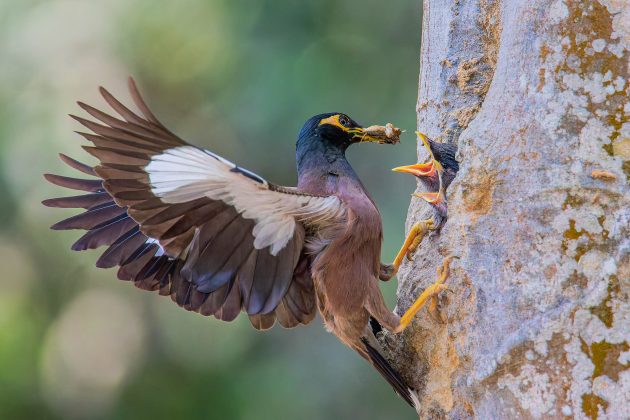
In Asia the Common Myna is a widely recognized species, especially in urban environments. The bird has been taken to other continents where the species has adapted well to cities and villages. It’s in at least one of your non-Asian tropical bird books.
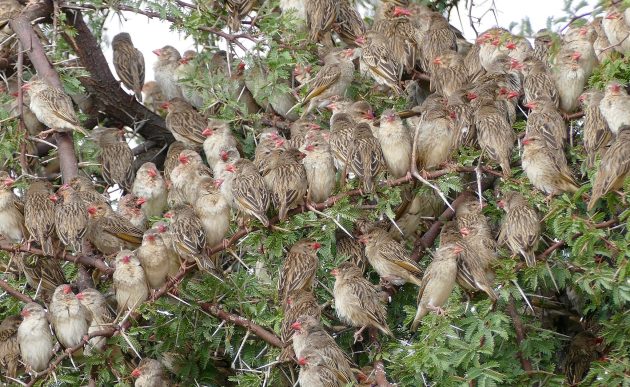
The Red-billed Quelea is Africa’s most abundant wild bird. Due to its feeding habits, it is “often discussed in agriculture (crop damage) and wildlife contexts“. I just think it is super-cool to see massive flocks of these little birds. But then, I’m not growing millet.
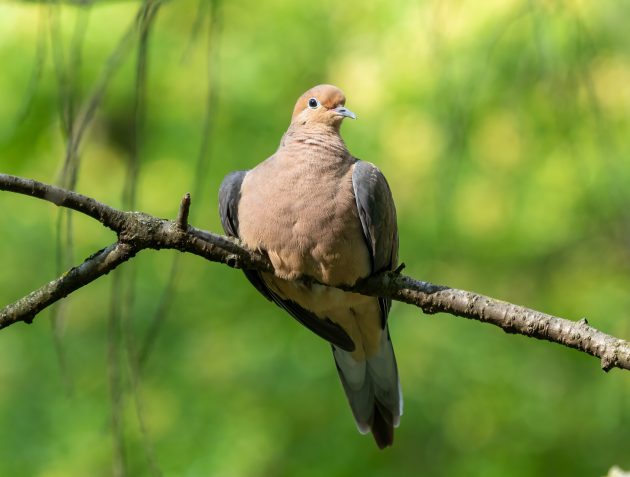
Start your comments, dear American readers. The Mourning Dove is highly abundant and frequently mentioned on social media, but is it really a popular bird? It is delicious…
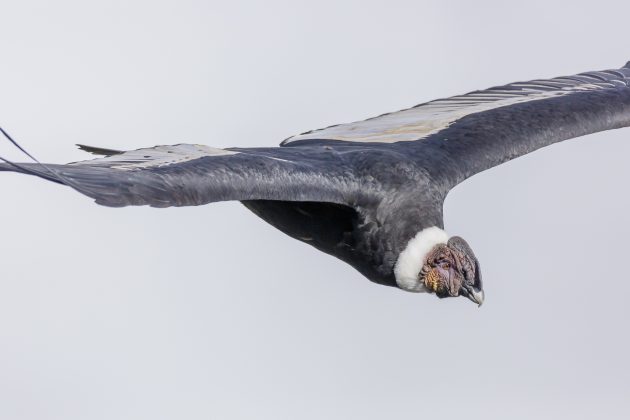
Less debate for the South American answer to the question. The Andean Condor is undoubtedly iconic, and a symbol of the Andes. The bird is culturally significant in its homerange, and (consequentially?) appropriated by Paul Simon. South Africans: you can hit that ‘like’ button now!
The Emperor Penguin is a great candidate for most popular bird of the world. It is frequently featured in documentaries and other media. Motivational posters are its favourite biotope further north from the breeding grounds in Antarctica.

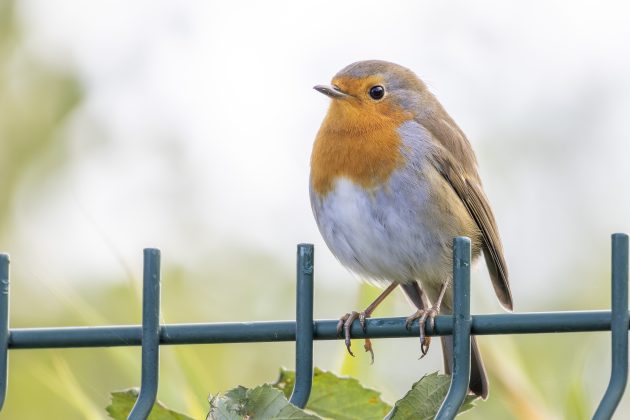
The European Robin is – guess what – Europe’s favourite bird. It is the one and only Robin.
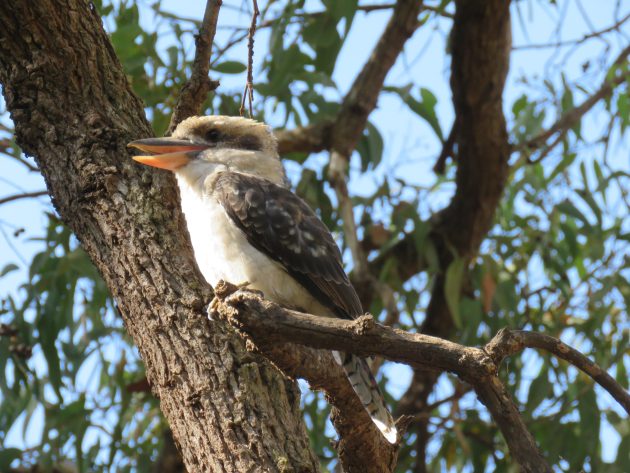
Wearing out an already worn-out cliché, the Laughing Kookaburra is the popular bird “down under”. The species is iconic, widely known for its call and appearance. It has also featured in various Tarzan movies and other biologically challenged motion pictures.
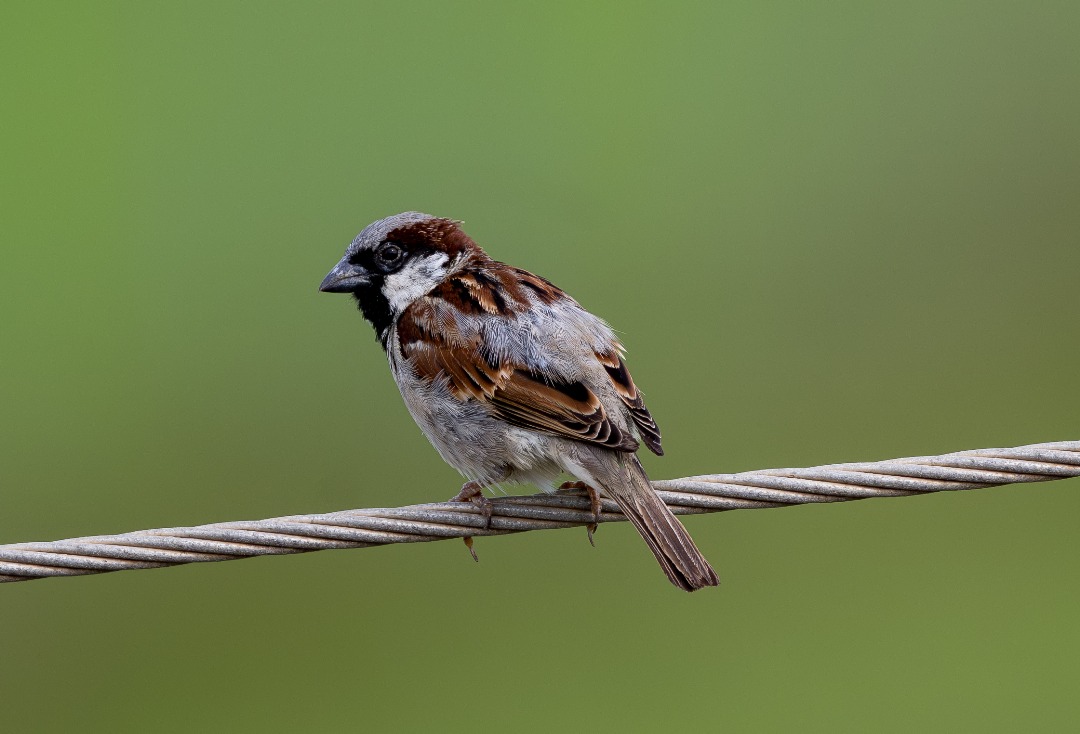
Birds chosen for this article have been based on mentions in popular publications and social media. All pictures from Wikimedia Commons, credits can be checked by clicking the photographer’s name. The House Sparrow has been photographed by our very own Kai Pflug.









I would vote for Northern Cardinal as the most popular bird in the US. I volunteer in a shop which sells bird merchandise in various forms. Anything with a cardinal will sell. It is the state bird of 7 states. The most of any bird in the US.
The Northern Cardinal is also an emblem of Christmas in the U.S.
I will also ask writers not bring up how “delicious” Mourning Doves are. I’ve spent two elections on beating back proposals to allow the shooting of Mourning Doves. Stray shot flying through people’s kitchen windows, and eye shot out here, a pile of shot landing in one’s behind there. No thank you. Plus, are they really all that delicious? I would suggest no. I was once given a pheasant by a hunting colleague. A very large and plump bird when compared with a Mourning Dove. Since I had never cooked a pheasant, I cooked it like a turkey. So that turned out okay, but I had to chew very gingerly so as not to knock out a tooth with shot still in the meat. Lots of stray bones, too. I ended up throwing most of it away. Finally, it you have every heard a Mourning Dove singing from the utility wires in the pre-dawn of a summer morning , and perhaps 100% of Americans have, it’s lovely beyond words, nature’s music. Same with the American Robin (true enough, not the real Robin), singing from some high perch on a summer evening.
Even people who are not birders and would never dare describe themselves as such (I’m a golfer! Check out my new clubs), pay attention to birds and have their favorite. It’s a good question, which bird is a continent’s most popular? I would propose that this is a question without an answer.
The lilac-breasted roller might also be one of the most popular birds in Africa. It must surely be the most photographed bird in Africa