

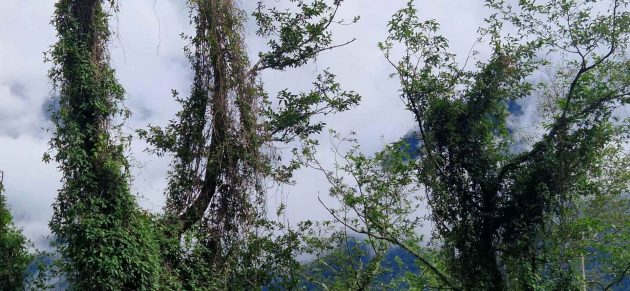
“The sunrise, sea of clouds, railway, forest, and sunset are the common impressions of Alishan”, says the relevant website.

Indeed, I saw some of these sights.

But the website has nothing on birds, my reason to come to the Alishan National Scenic Area in mid-November 2025.
Like me, several of the birds here like to wear black and indicate so in their names. Helpful.
However, in the case of the Black Bulbul, this naming clarity immediately gets lost when looking at the scientific name, Hypsipetes leucocephalus, as leucocephalus means white-headed. In some way, that suits the grumpy me very well: in Shanghai, where if this species is encountered at all, it is one of the subspecies with a white head, this allows me to complain about the misleading English name, while here in Taiwan and elsewhere, I can complain about the misleading scientific name of the full-black subspecies.
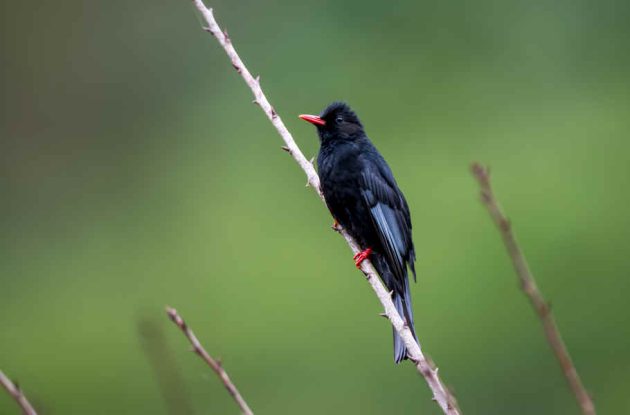
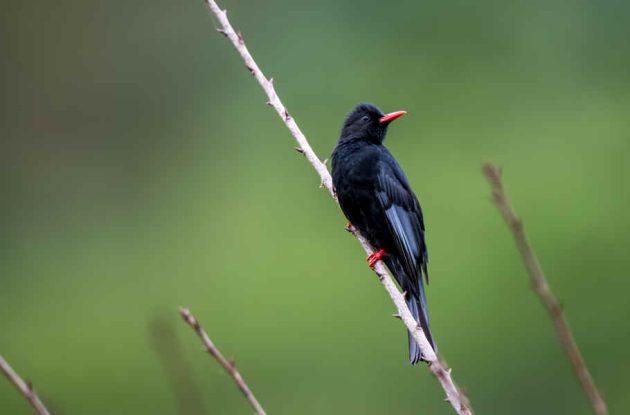
Bonus points for the Taiwan subspecies, Hypsipetes leucocephalus nigerrimus, or Black Bulbul (Grey-winged): the slight grey on the wings makes it the best-looking of all the subspecies. Though again, it is unclear how these grey parts are aligned with the subspecies name, which means something like “extremely black”.
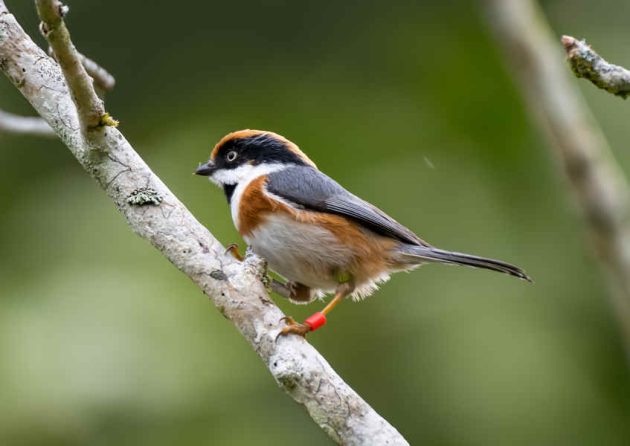
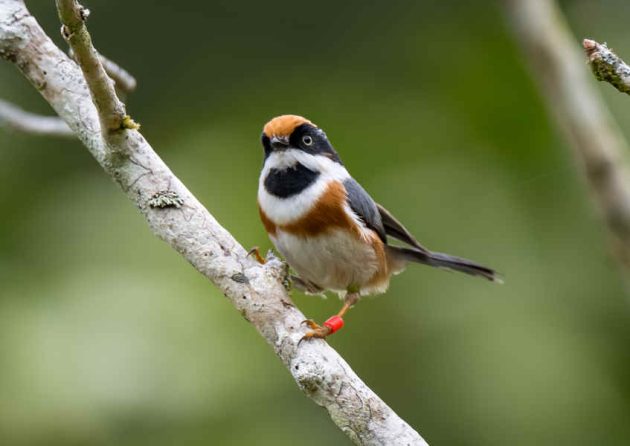
The next “black” bird here at Alishan is the Black-throated Bushtit. Not much new I can say about it, but I am always happy to get more photos of it. Hard to better combine the look of both cuteness and intensity in one species.
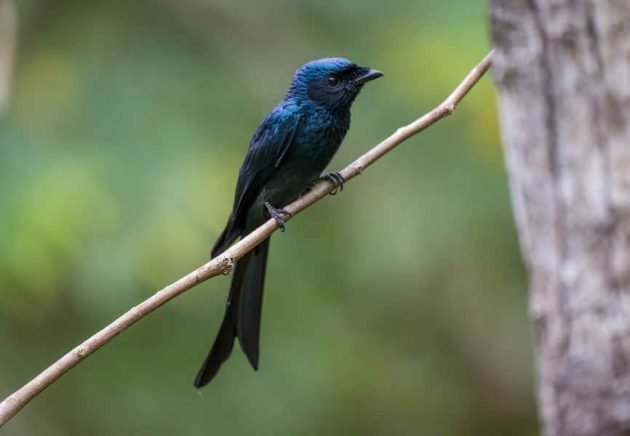
For those who want to learn Ancient Greek, the scientific name of the Black Drongo, Dicrurus macrocercus, offers the opportunity to learn two different words for “tail”. The genus name offers oura for tail (along with dikros for forked), while the species name gives kerkos for tail (along with makros for long).
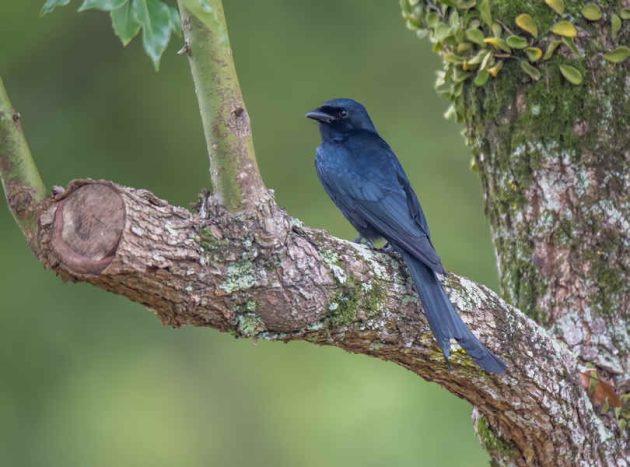
(The Bronzed Drongo is also mostly black, but still does not fit into this section based on its name)
The final “black” bird here at Alishan is perhaps the most interesting, the Black-necklaced Scimitar Babbler.
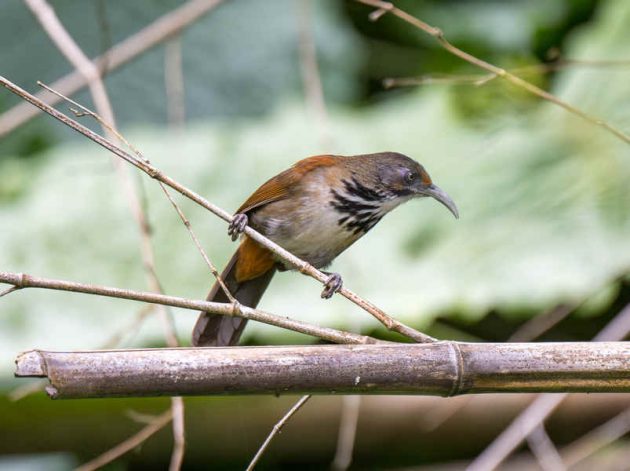
While I can see the black necklace (made of coral, maybe, or teeth?), it is hard to understand the logic behind the scientific name Erythrogenys erythrocnemis, as the bird seems to have neither red cheeks nor red legs (eruthros red; genuos cheek; kneme leg).
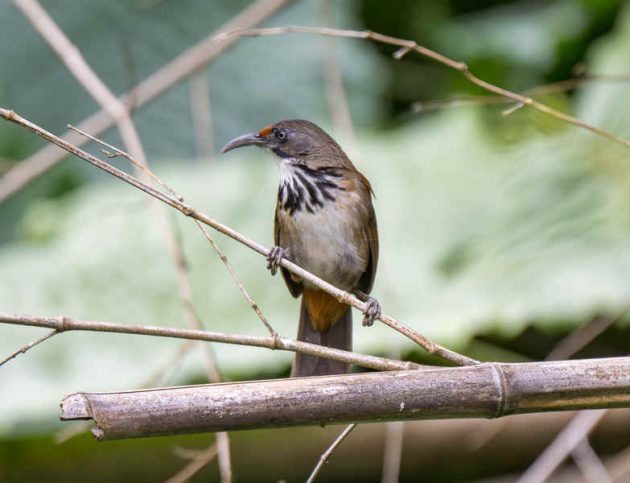
It is a Taiwan endemic, though the HBW also mentions that it is sometimes considered conspecific with three or even four other scimitar babblers.
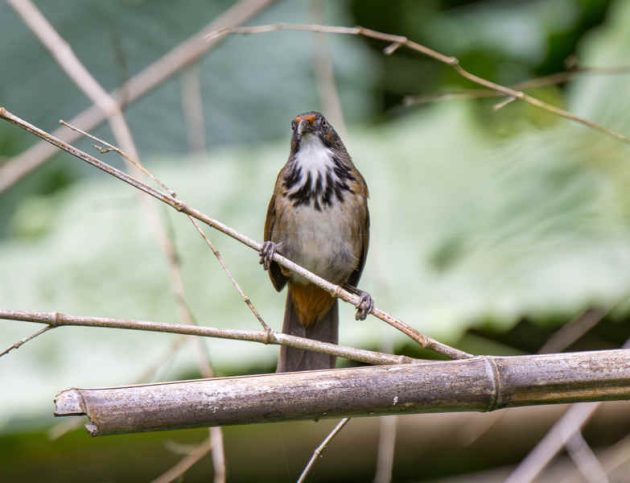
Another scimitar babbler, the Taiwan Scimitar Babbler, is also an endemic. It is in another genus, though, and looks more like some of the scimitar babblers on the Chinese mainland.
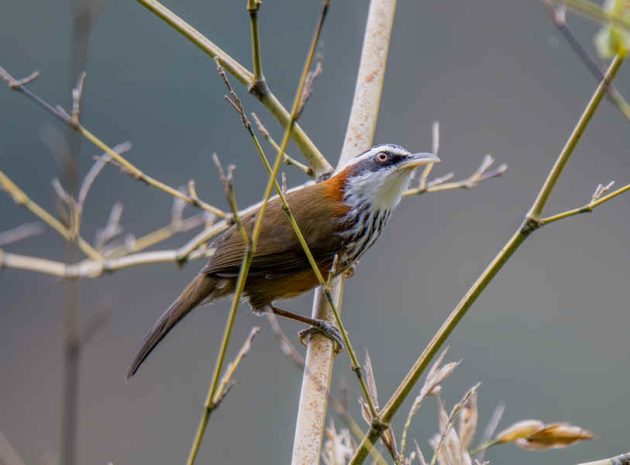
The HBW describes its call as a loud, rich, musical “tuí-tuí” …
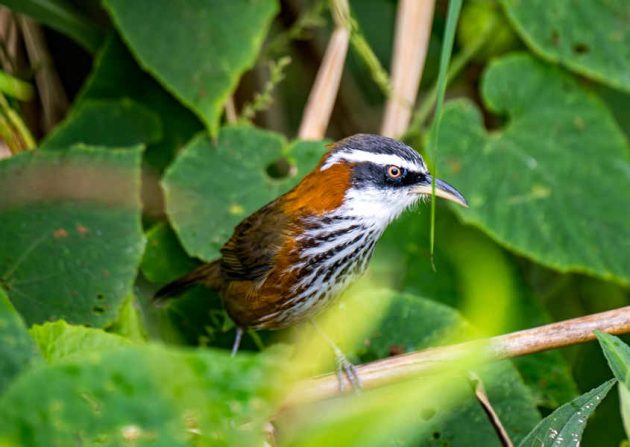
… which is the perfect link to its scientific name, Pomatorhinus musicus.
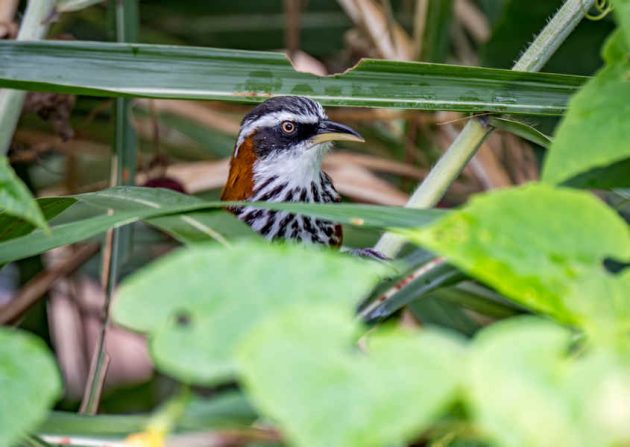
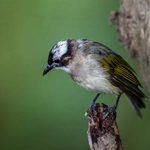
Leaving the color black (with the two additions in the same families), grey and green are two more colors encountered in bird names at Alishan, starting with the Grey Treepie …
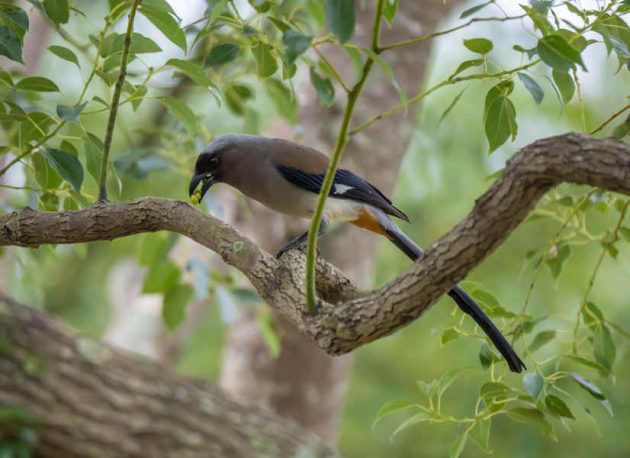
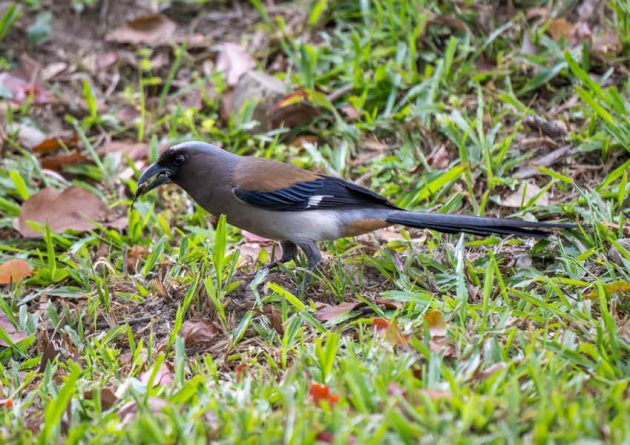
… followed by the equally grey-named Grey-chinned Minivet (male and female).
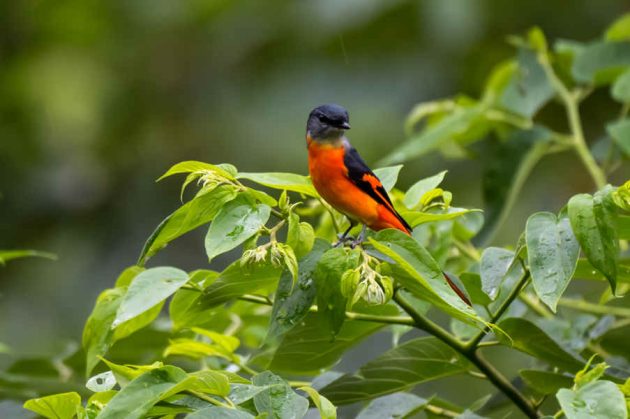
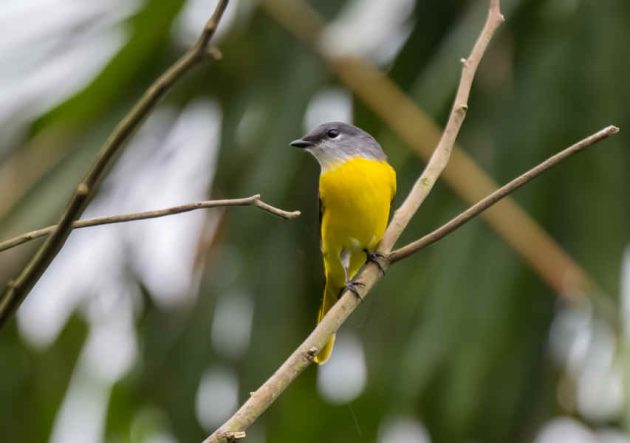
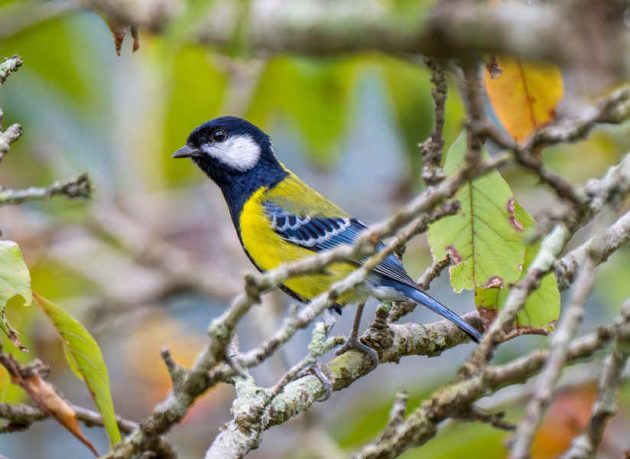
Then, the (not very) Green-backed Tit.
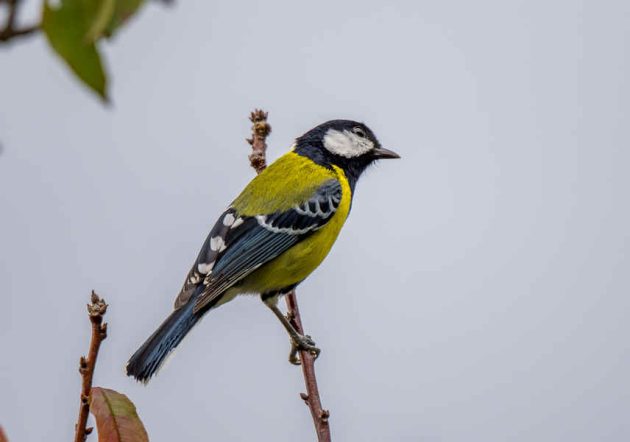
While they all look alike to me, if you use a spectrometer, you can find differences between males and females in hue, chroma, and brightness with a basis in differences in carotenoid, melanin, structural white, grey, and structural blue plumage (source).
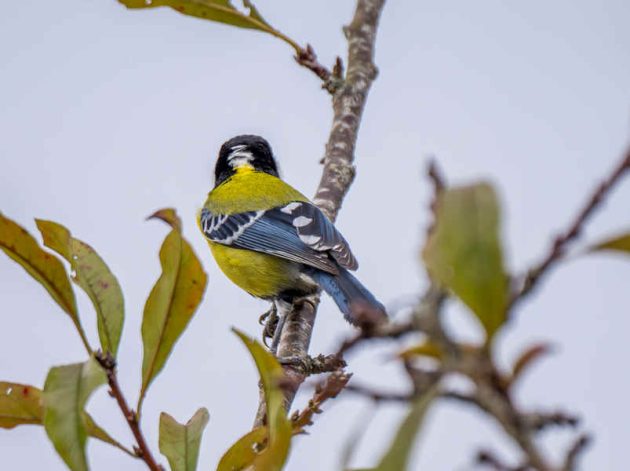
Another study found that intense rainfall in the breeding season reduces nestling survival – bad news for the Taiwanese tits as global warming will lead to increased typhoons and rainfall.
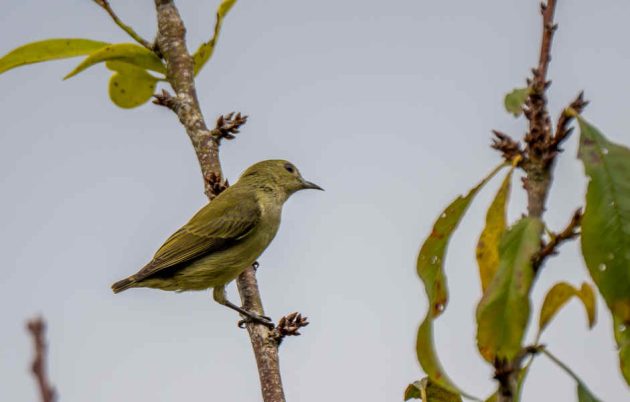
Plain is not really a color, but still, here is the Plain Flowerpecker.
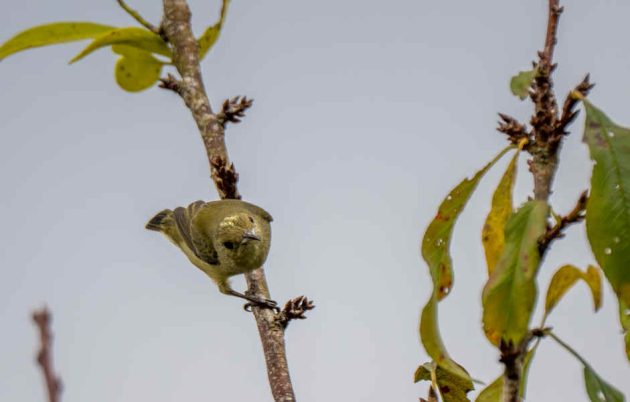
It is quite plain indeed and has recently formed a mutual support group with another species, the Plain Prinia. Something about hiring a lawyer together to fight discrimination.
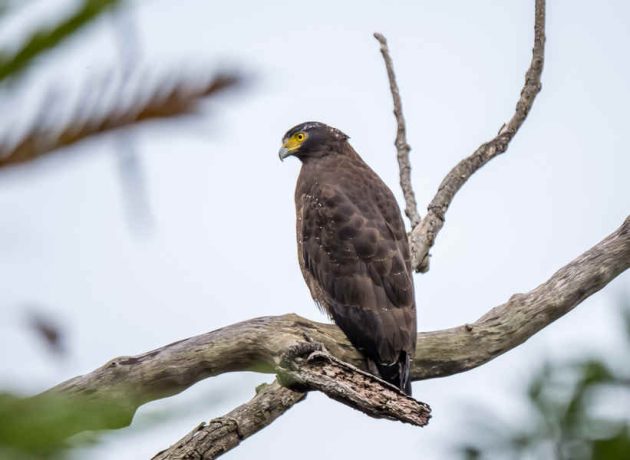
The only raptor seen closely around here was a Crested Serpent-eagle.
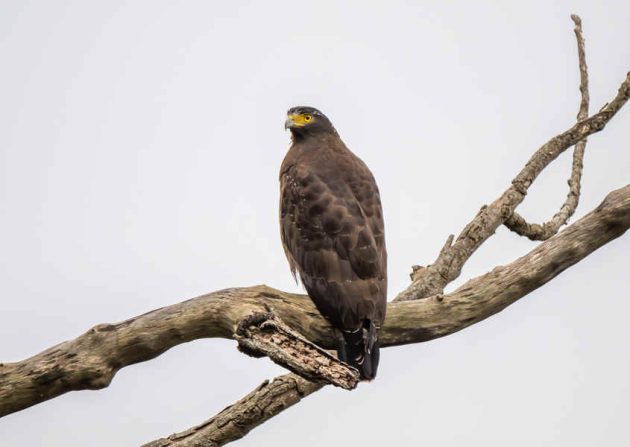
One (slightly weird, if you asked me) study on a caged bird in Indonesia found that its main daytime activity was perching (72%). What else did they expect a caged bird to do?
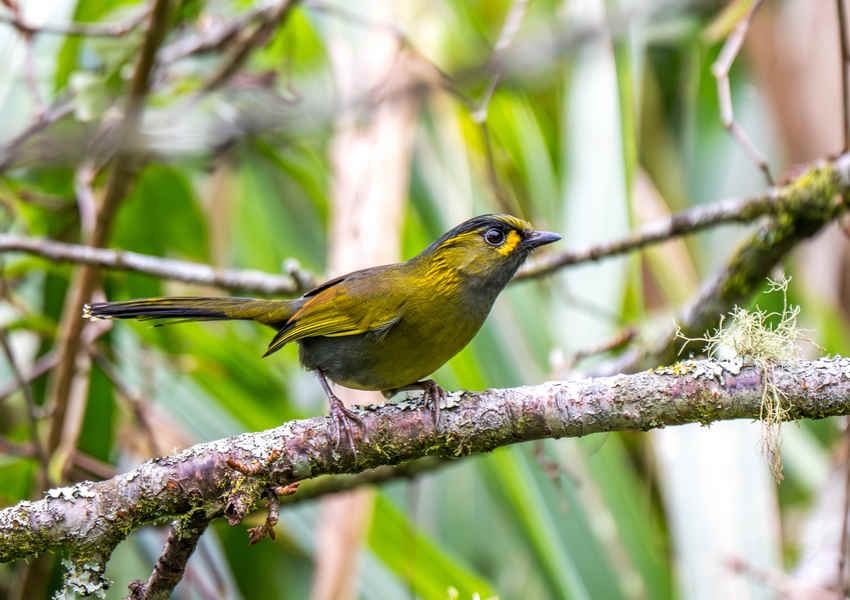
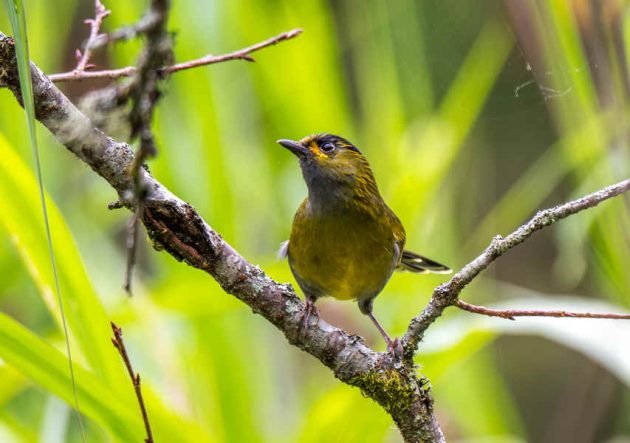
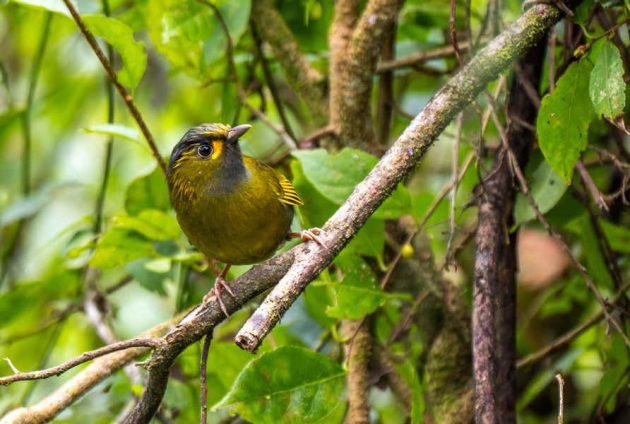
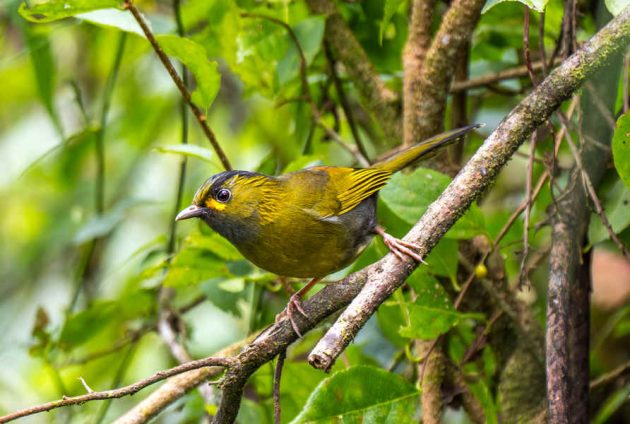
It is good to end with another Taiwan endemic and highlight, the Taiwan Liocichla.
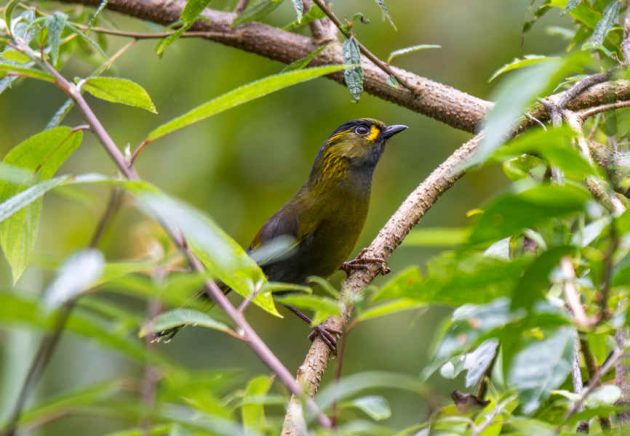
The scientific name Liocichla steerii commemorates one Prof. Joseph Beal Steere (1842-1940), a US citizen apparently good at multitasking, as the HBW describes him as an ornithologist, zoologist, palaeontologist, anthropologist, and. explorer.
His Wikipedia entry has an interesting bit of information – apparently, he “resigned from the university in 1894 at the request of the Regents, possibly because his outspoken stance on temperance had angered the local German community in Ann Arbor.”
So, basically, he did not get along well with the beer-loving Germans. I know on which side I would have been in this controversy.
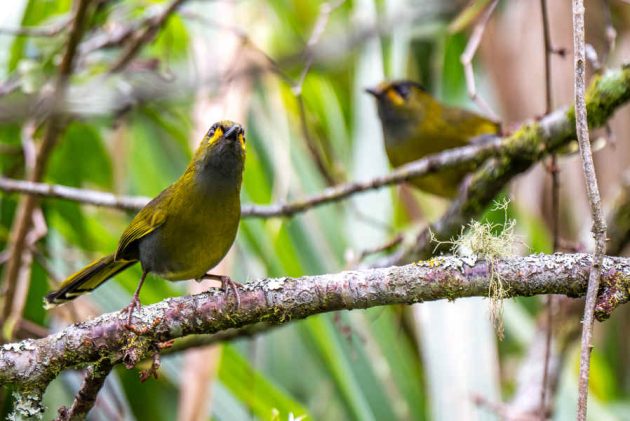
Apparently, the song of the male birds varies quite a bit by region within Taiwan, while that of the females is basically the same everywhere. Unfortunately, the proposed explanation is a bit vague – “differences in the function of the songs or differences in their migration patterns”.
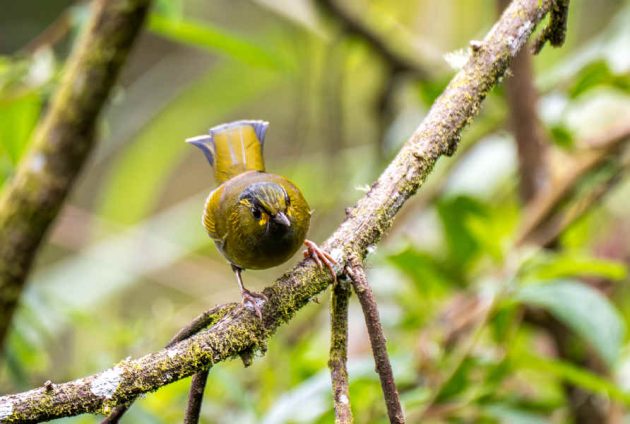
Finally, as the tits mentioned earlier, males and females also differ somewhat in appearance (source), though I have to admit that the difference is not that obvious to me (partly the difference is in the UV range, which is a good excuse for my ignorance).







Leave a Comment