

What is your favorite bird species?
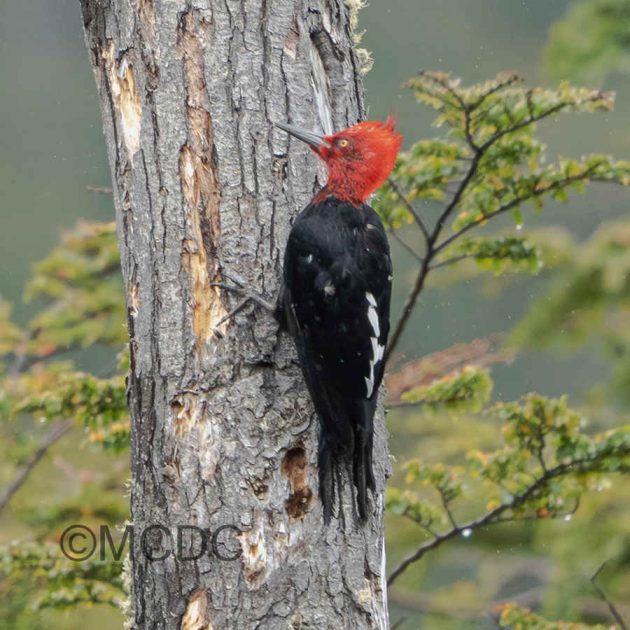
Magellanic Woodpecker
What is your name, and where do you live?
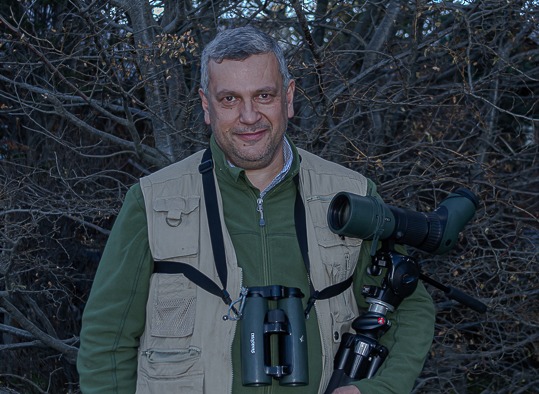
Marcelo Carlos de Cruz, Ushuaia, Tierra del Fuego, Argentina
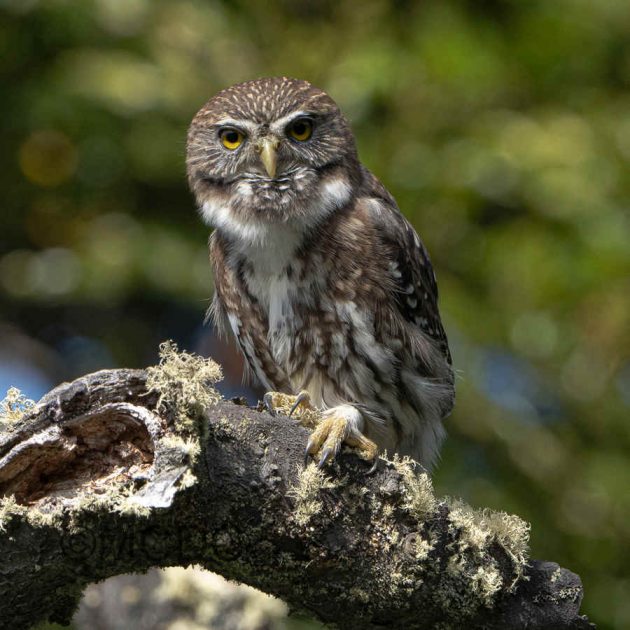
Austral Pygmy Owl
What are the main regions or locations you cover as a bird guide?
Patagonia and Tierra del Fuego
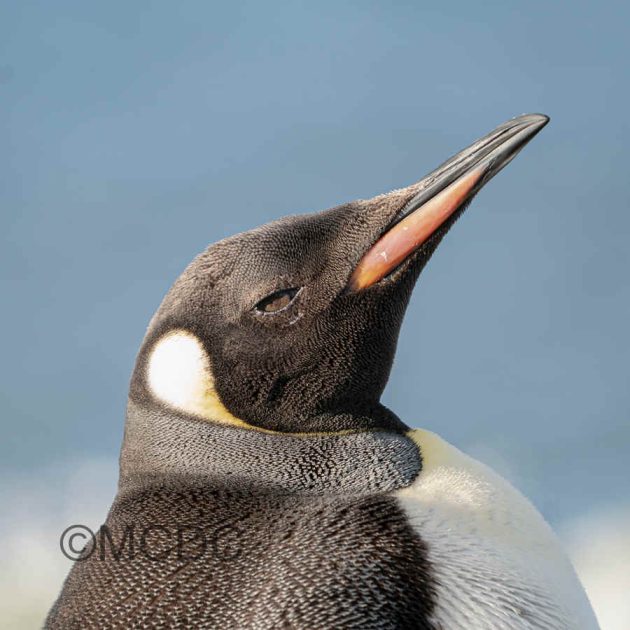
King Penguin
How long have you been a bird guide?
In Tierra del Fuego since 1996.
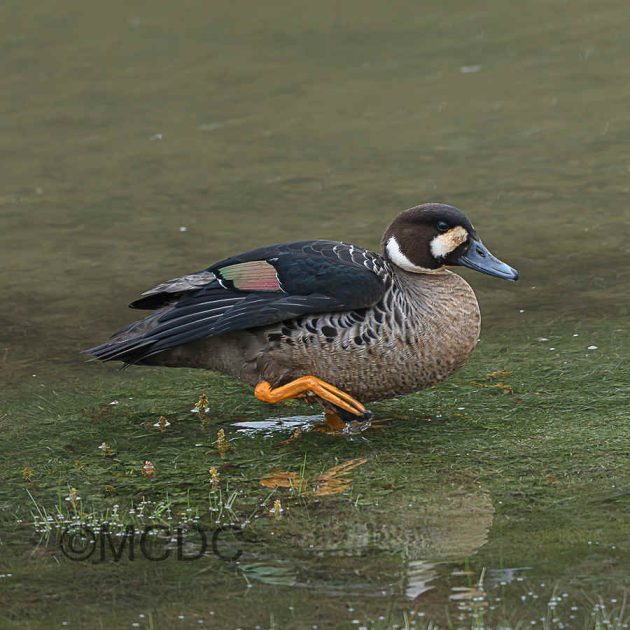
Spectacled Duck
How did you get into bird guiding?
After completing courses with Aves Argentina—such as bird observation, systematics of the birds of Argentina, and biology of birdsong—I finished my studies in tourism.
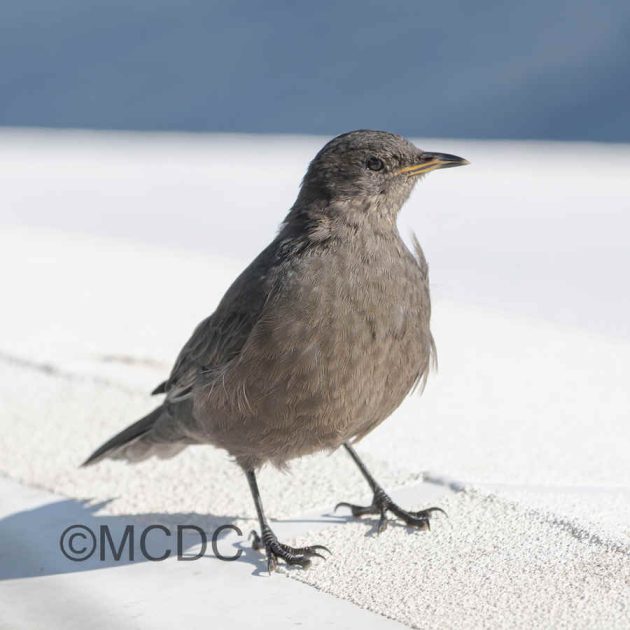
Blackish Cinclodes
What are the aspects of being a bird guide that you like best? Which aspects do you dislike most?
What I enjoy most about being a bird guide is the constant challenge of finding the species we are looking for, interpreting the ever-changing weather conditions, and gaining a deeper understanding of bird behavior. That combination of observation, learning, and adaptation is truly fascinating to me. I also greatly enjoy sharing stories from my travels with my clients and, at the same time, learning from the experiences they bring with them—each outing becomes an enriching exchange.
What I like least are the days when I don’t go out to work, search, or learn from nature. I feel I’m missing that daily connection with the environment and with the birds, which is what truly motivates me.
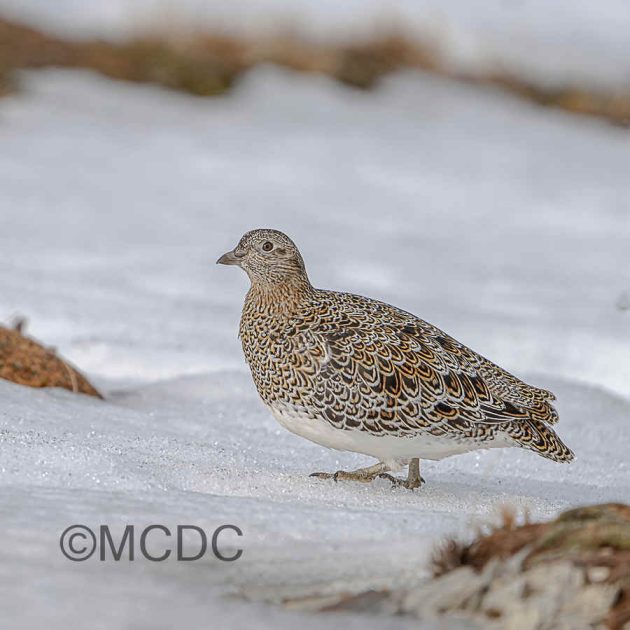
White-bellied Seedsnipe
What are the top 5–10 birds in your region that are the most interesting for visiting birders?
- Magellanic Woodpecker
- Rufous-legged Owl
- Magellanic Plover
- White-bellied Seedsnipe
- Austral Pygmy Owl
- Patagonian Tyrant
- Yellow-bridled Finch
- Black-browed Albatross
- King Penguin
- Fuegian Cinclodes
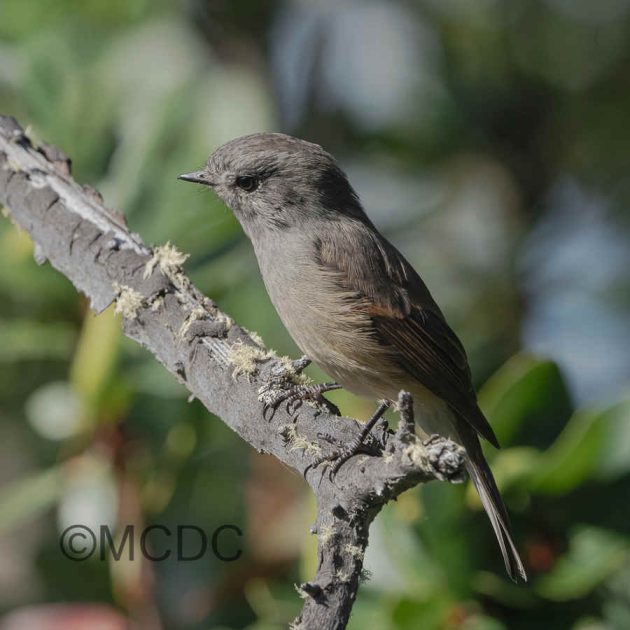
Patagonian Tyrant
Can you outline at least one typical birdwatching trip in your area? Please briefly describe the locations, the key birds, and the approximate duration of such a trip.
Each birding tour is a different challenge. Understanding the weather and its probabilities, as Konrad Lorenz would say, shows me the path to follow. At low tide, the coast offers the first opportunities for observation; then we move into the forest, listening carefully for the magical Magellanic Woodpecker, while keeping an eye on the sky in case the majestic Andean Condor dazzles us.
As we walk, magical and hyperactive birds appear, such as the Thorn-tailed Rayadito or the lively Three-runners. Another variant, equally challenging, is when we decide to search for high-altitude vegetation birds. For example, in a remote valley, you may find only a single pair of White-bellied Seedsnipe. In these cases, interpreting the weather and relying on years of experience play a crucial role in locating them.
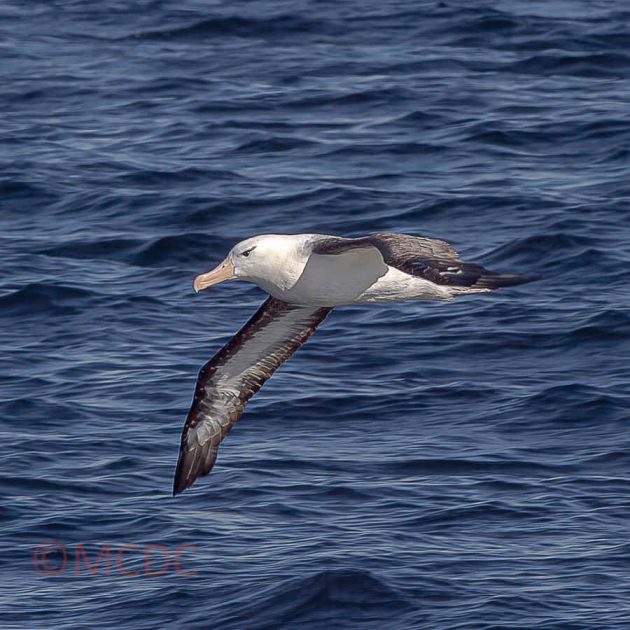
Black-browed Albatross
What other suggestions can you give to birders interested in your area? (for example, what to bring, which season to choose, etc.)
- The ideal season to visit Tierra del Fuego is from October to the end of April. Of course, each month has its own variations, with different species appearing as if they were “surfing” from the base of the mountains up to higher elevations, depending on the availability of food. This seasonal rhythm guides us in deciding where to look for them.
- As for clothing, it is easier to explain: you need to be prepared for all four seasons in a single day, since the weather variability here demands it. Good walking boots, a jacket, warm layers, and extra rain gear are essential. Many visitors solve this by bringing waterproof pants and jackets suitable for both situations.
- For those who want to hike in the mountains, it is ideal to bring sturdy trekking poles. But if that is difficult for you, we can provide them.
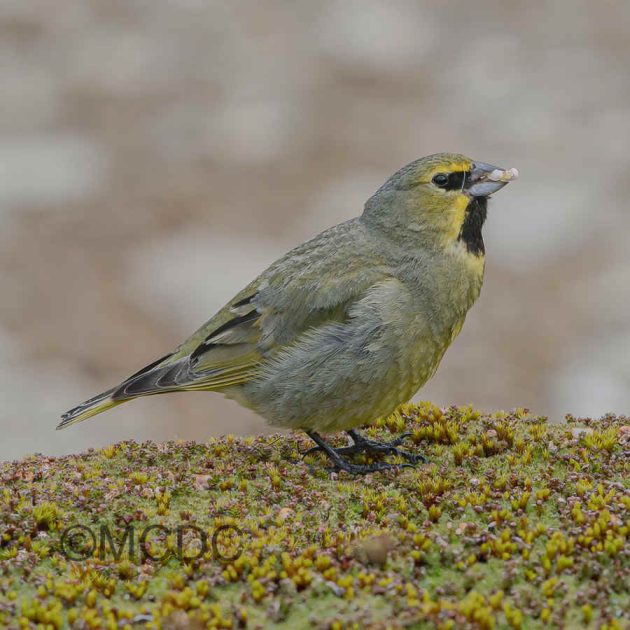
Yellow-bridled Finch
If any readers of 10,000 Birds are interested in birding with you, how can they best contact you?
- +5492901414248
- magellanicush@gmail.com





Marcelo is a top notch bird guide! I’ve worked with him from my early voyages to Antarctica, South Georgia, and the Falkland Islands in 2001 up until my last voyage in 2024. He has handled groups as large as 50 birders brilliantly. Highly recommended. On a cold, windy, rainy night, Marcelo was able to find two Rufous-legged Owls for me!