

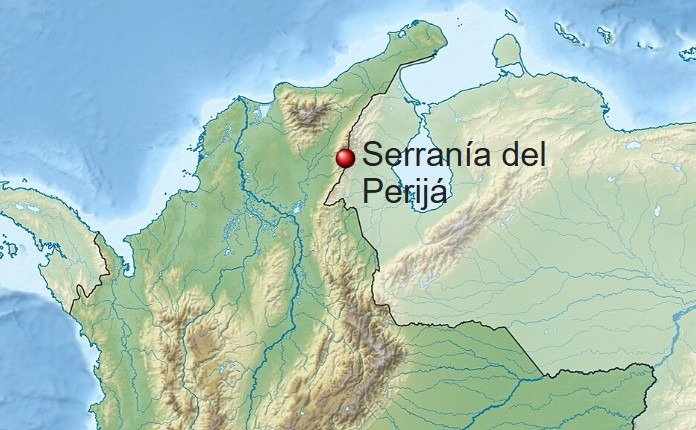
Highlights
- The Ultimate Frontier of Endemism: Because it is an isolated northern extension of the Eastern Andes, Perijá acts as an ecological island. It holds a dense concentration of highly localized endemics shared only with Venezuela or completely restricted to this single mountain range.
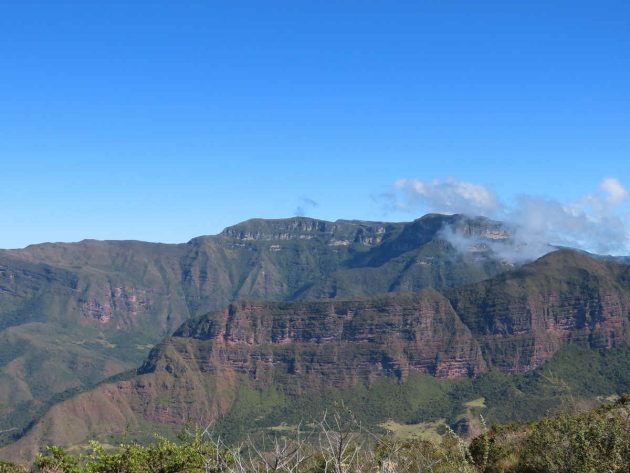
- Stunning Landscapes: Features an incredible altitudinal gradient climbing directly out of the dry Cesar valley into pristine sub-Andean forests, mossy cloud forests, and the dramatic, windswept Páramo de Sabana Rubia.
- Off-the-Beaten-Path Adventure: Far less commercialized than the Central Andes, offering serious birders a raw, exclusive, and peaceful high-end expedition experience.
Serrania de Perijá
Key Bird Species and Families
The avifauna here is defined by extreme localization. Over four distinct elevational belts, you will chase target endemics that cannot be found anywhere else in Colombia.
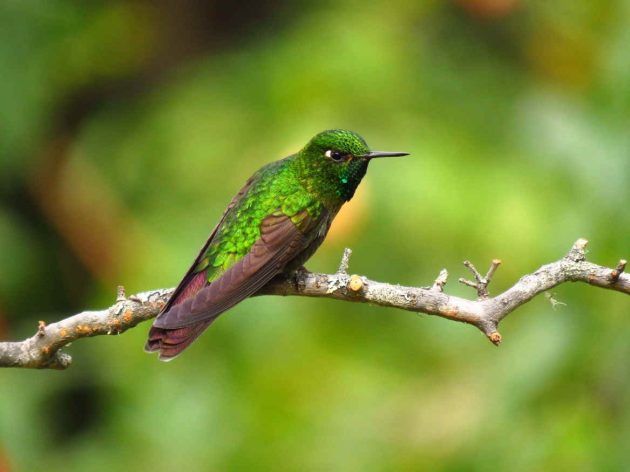
- Hummingbirds: Perijá Metaltail (Metallura iracunda), Perijá Starfrontlet (Coeligena consita).
- Ovenbirds & Spinetails: Perijá Thistletail (Asthenes perijana).
- Tanagers & Brushfinches: Perijá Brushfinch (Atlapetes nigrifrons).
- Tapaculos & Antpittas: Perijá Tapaculo (Scytalopus perijanus), Perijá Antpitta (Grallaria saltuensis).
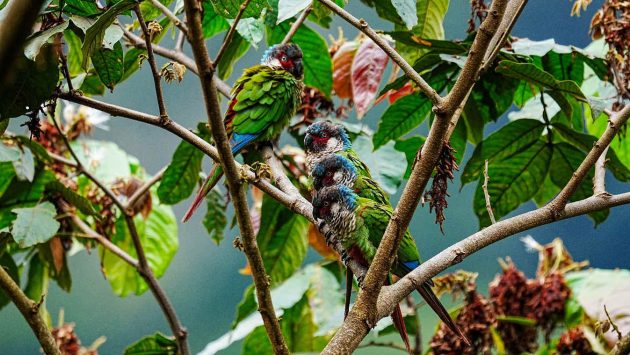
- Parrots & Parakeets: Perijá Parakeet (Pyrrhura caeruleiceps)
Perijá Metaltail – Foto by Daniel Rojas
Best Regions for Birding
- Manaure Balcón del Cesar: The ultimate lower-elevation gateway town where birding begins along the mountain roads.
- La Victoria de San Isidro: The vital southern gateway for the expedition. This region unlocks the pristine foothill forests, mid-elevation transitions, and shade-grown coffee landscapes on the western slope of the range. It stands as the absolute premier global hotspot for the highly localized and threatened Painted Parakeet, alongside rich tropical dry forest relics.
- Chamicero de Perijá Area / ProAves Reserve: The core high-altitude protection zone, offering pristine access to moss-laden cloud forest tracks and elfin woods.
- Páramo de Sabana Rubia: The breathtaking, open high-altitude plateau topping 3,000 meters, which serves as the premier hotspot for the range’s most localized paramo specialties.
Perijá Parakeet – Foto by Jorge Lopez
Best Birding Season
The definitive window to explore Perijá is during the dry season from December to March, and the secondary dry window from July to August. Roads up the steep mountain ridge become challenging during heavy rains, making the dry months essential for smooth 4×4 logistics and optimal bird activity.
Day 0: Arrival in Valledupar. Private transfer from Valledupar Airport (VUP) to our city hotel. Rest day to prepare for the mountain ascent.
Day 1: Lowland Dry Forest & Mountain Ascent Early session at Los Tananeos Reserve tracking lowland dry and riparian forest species, followed by a steep 4×4 ascent into the Serranía de Perijá cloud forests.
Key Targets: Military Macaw, Lance-tailed Manakin, Rosy Thrush-Tanager, Glaucous Tanager.
Day 2: High Perijá Moorlands & Pristine Páramo A full-day, high-altitude expedition exploring the elfin forests and isolated paramo of the Sabana Rubia range, targeting localized endemic specialists.
Key Targets: Perijá Thistletail (E), Perijá Metaltail (E), Perijá Antpitta (E), Perijá Brushfinch (E), Perijá Tapaculo (E), Perijá Starfrontlet (E), Andean Condor.
Day 3: Perijá Descent to La Jagua de Ibirico Birding the high-mountain roads down through changing cloud forest microclimates, transferring to the southern foothills in the afternoon.
Key Targets: Golden-breasted Fruiteater, Lazuline Sabrewing, Black-fronted Brushfinch, Yellow-throated Toucan.
Day 4: Foothill Exploration & The Perijá Parakeet Morning excursion into the premontane forests of La Victoria de San Isidro to target the endangered local parakeet, followed by a nocturnal foothill owling session.
Key Targets: Perijá Parakeet (E), Black-fronted Wood-Quail, Golden-headed Manakin, Foothill Screech-Owl, Black-and-white Owl.
Day 5: Departure Final breakfast at the hotel, trip checklist wrap-up, and private ground transfer back to the Valledupar Airport (VUP) for departure flights.
Practical Tips
- Logistics & Vehicles: A high-clearance, heavy-duty 4×4 vehicle is absolutely non-negotiable for handling the rough mountain tracks leading up the ridge from Manaure.
- Gear & Clothing: Temperatures drop dramatically as you transition from the hot Cesar Valley to the windswept paramo. Dress in heavy, breathable layers and bring high-quality waterproof gear.
- Specialized Field Equipment: Pack reliable playback equipment and high-powered field flashlights/headlamps specifically for the difficult nocturnal owling and nightjar sessions.
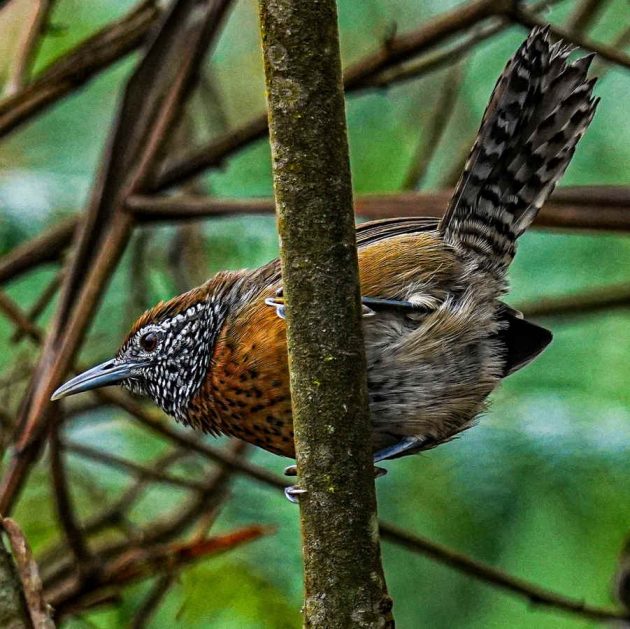
Rufous-breasted Wren – Foto by Jorge López
Books
- A Guide to the Birds of Colombia by Fernando Ayerbe Quiñones.
- The Birds of Colombia by Steven L. Hilty.
Links
- Our Region Guide: www.pajarerosbirdingtours.com
By Pajareros Birding Tours
This profile was compiled by the expert conservationists and field biologists at Pajareros Birding Tours, specializing in high-end nature expeditions across the endemic gradients of Colombia. For custom itinerary design, professional logistics, and private guiding inquiries across Perijá or the Eje Cafetero, contact us at info@pajarerosbirdingtours.com or via WhatsApp +57 3160834407.
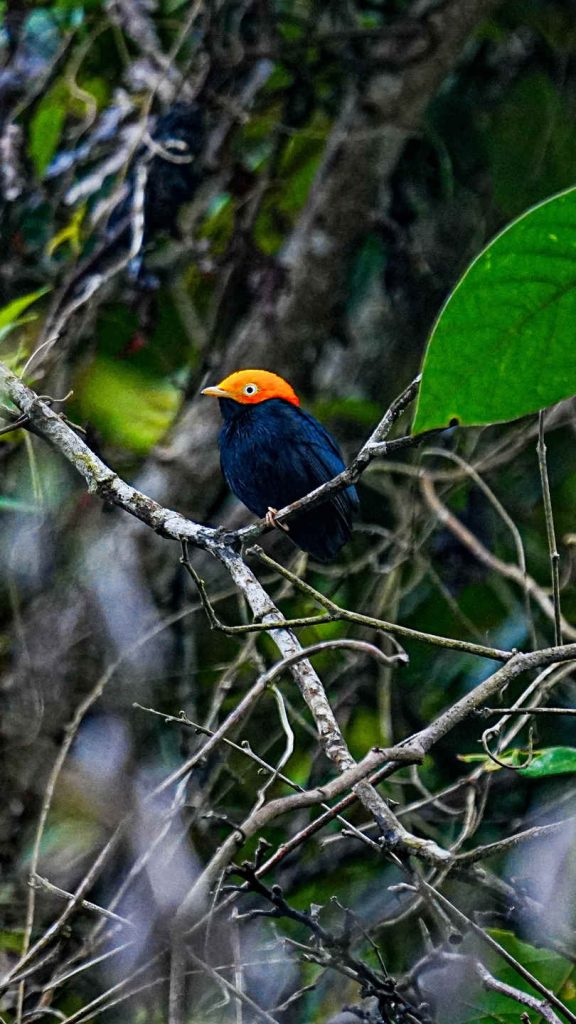
Golden-headed Manakin – Foto by Jorge López
Map source: Wikipedia






Leave a Comment