


Baluran National Park is located at the north-eastern extremity of Java, close to Bali. It is mostly a dry savanna. Wikipedia states “Until 2010 there had been 155 species of bird recorded in the park, but following a bird photography competition in 2012, the number of species was revised to 196.” Photographers can be useful, at least occasionally.
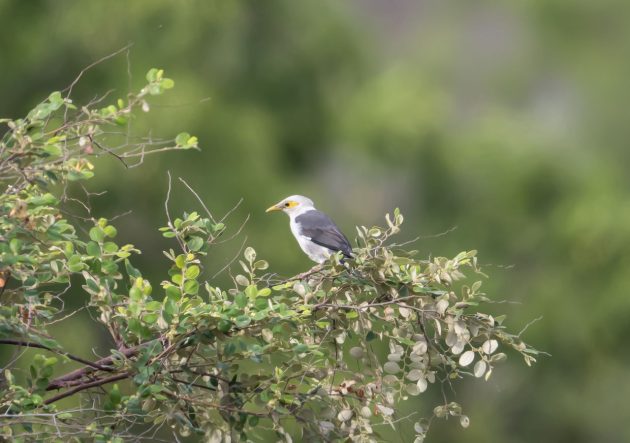
The Black-winged Myna is listed as Endangered and probably only survives in national parks such as this one, if Cornell is to be believed: “Until recently, this attractively and boldly marked starling, whose native range is basically confined to Java and Bali, was generally believed to be reasonably common. However, a rapid and sustained decline throughout the species’ range since around the middle of the last century has brought the Black-winged Myna to the brink of extinction, largely the result of uncontrolled trapping for the cagebird trade, a problem which now tragically afflicts a great many Indonesian songbirds.
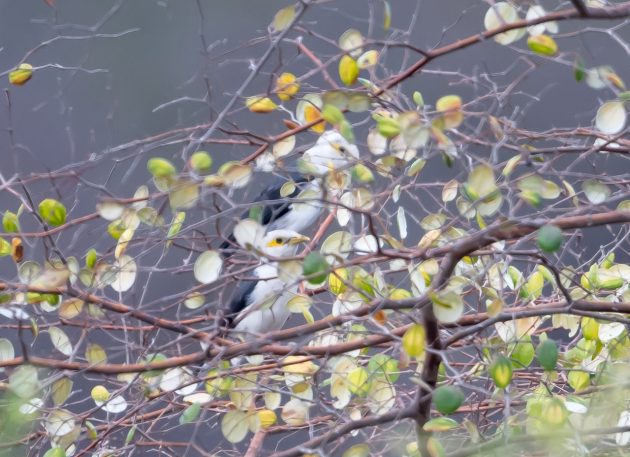
And if you think it is only a few poor people involved in poaching, think again: “Not only locals but also members of the military have been involved in poaching” (source).
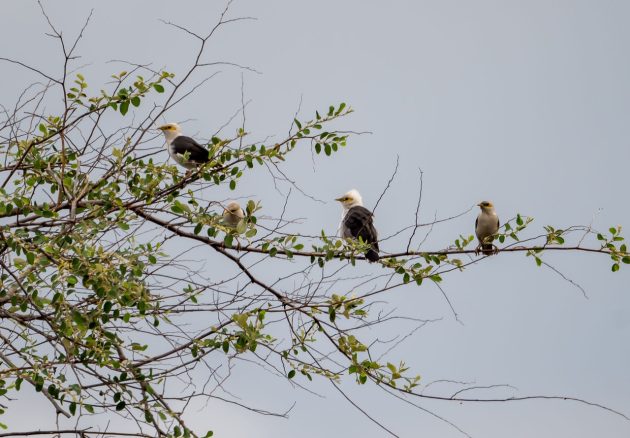
At least the birds seem to have learned – even in the national park they are very shy, though it is also possible I just need a plausible excuse for my poor photos.
That made me rather welcome seeing a pair of Coppersmith Barbets.
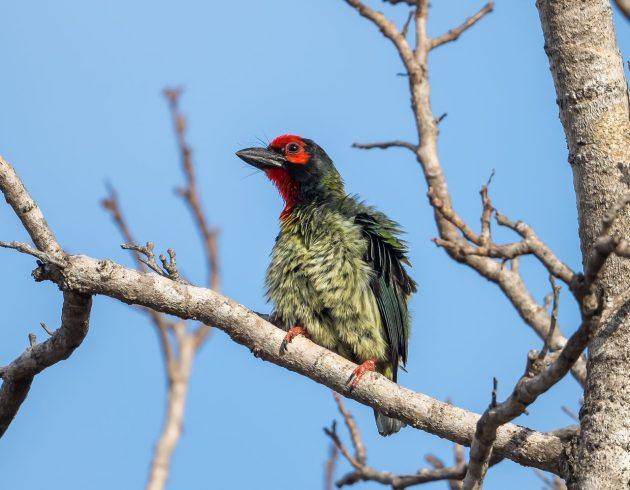
The subspecies here is the Javan Redfaced one – Psilopogon haemacephalus roseus. I say this with the fake confident voice of somebody who is usually glad enough to distinguish between bird families and (on my better days) bird species, but rarely between subspecies (I usually just pretend subspecies do not exist or at least should not exist, like astrology).
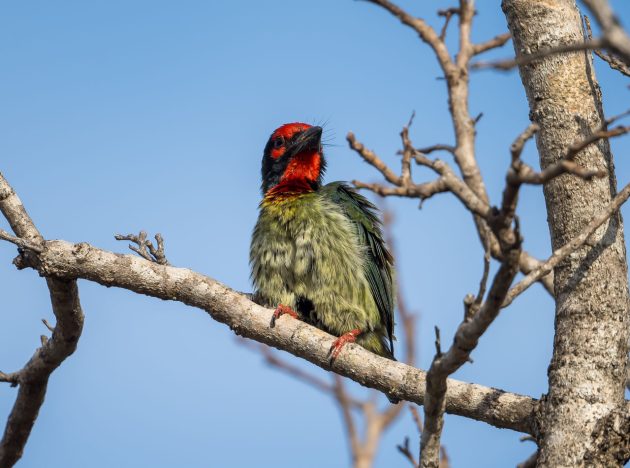
Apparently, the red morph evolved at least twice independently from the yellow morph (source), suggesting that this change can arise relatively frequently on an evolutionary timescale.
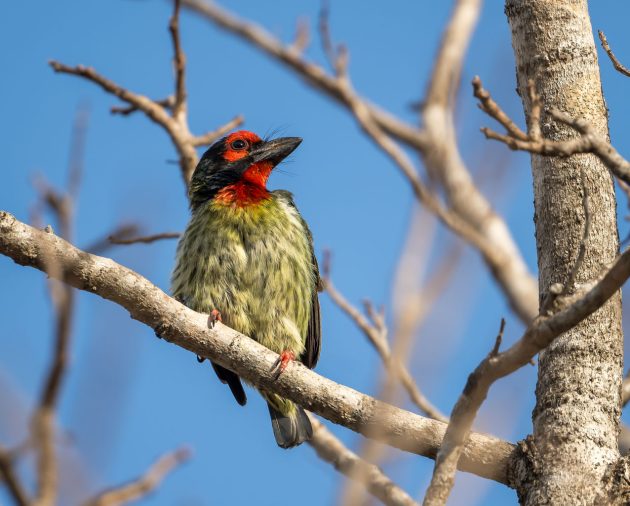
See here for photos of the yellow morph, as seen in Yunnan, China.
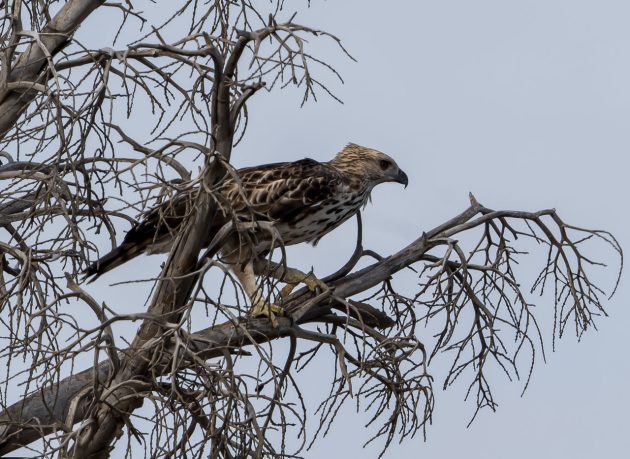
I have always felt that the species name Changeable Hawk-Eagle is a bit weird. But it seems to make sense after taking a look at the species illustrations on the Cornell/HBW page. Different morphs, different plumage of juveniles, etc.
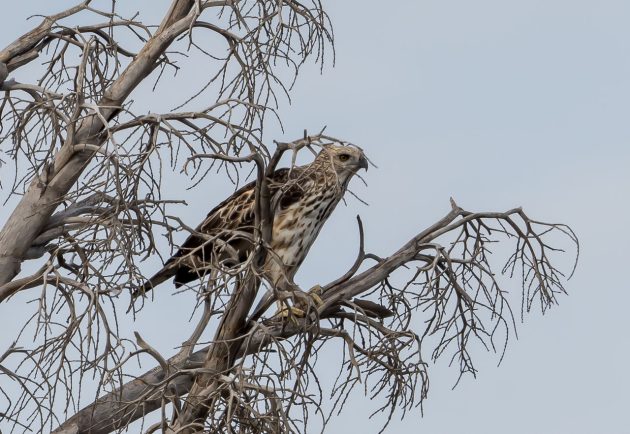
Then again, why aren’t all gull species called Changeable XY Gull?
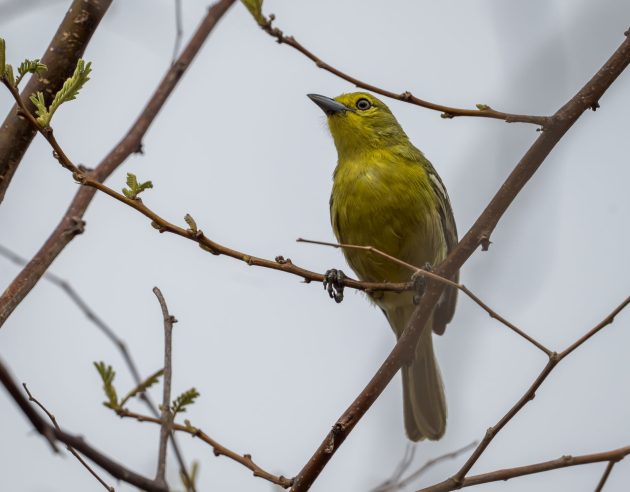
Given how common the Common Iora is, there is surprisingly little information on the species.
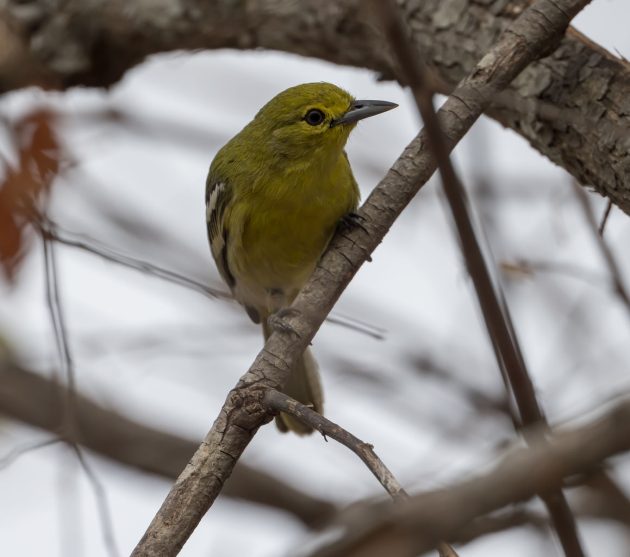
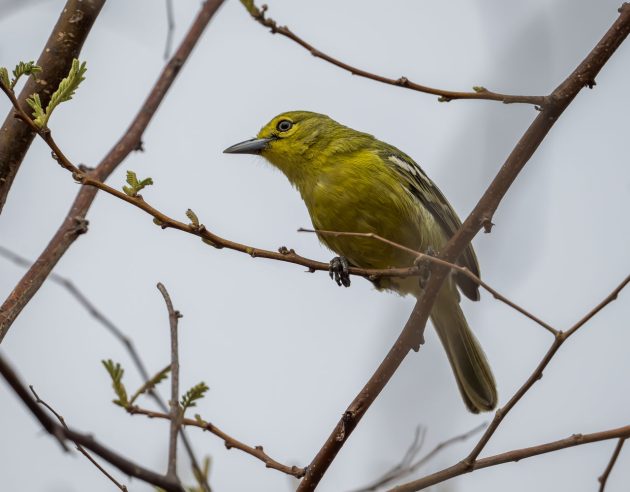
For example, Cornell states that the species is “rumoured to take small fruits, but this unconfirmed.”
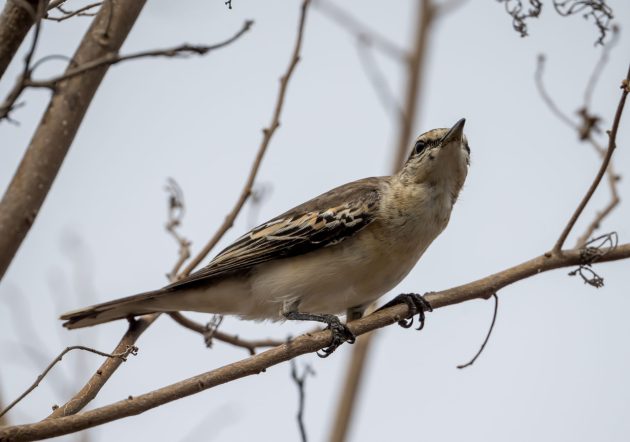
The information on the Pied Triller is not a lot better, though people have looked at the influence of the perch height selection on vocalization (source). In short: for calls, they use high perches.
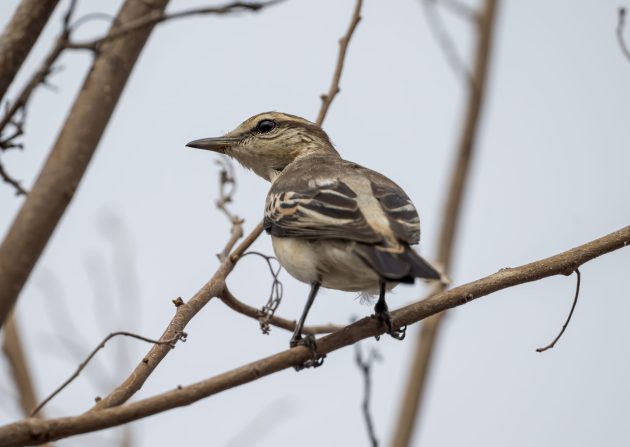
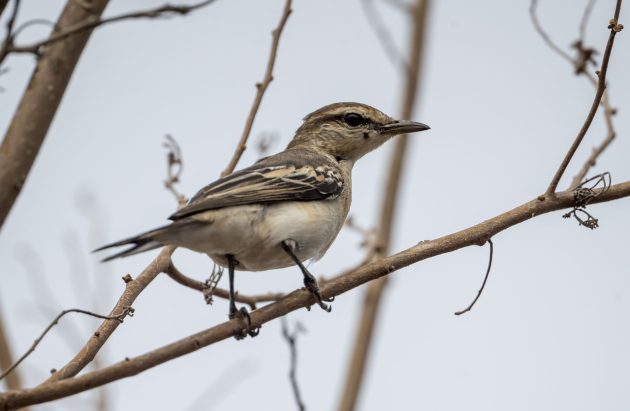
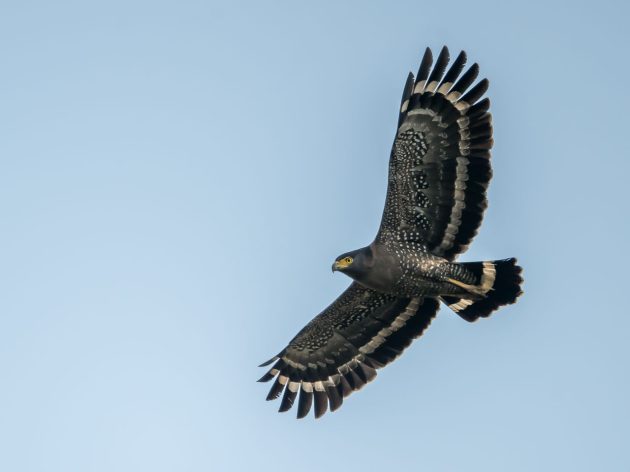
If you are curious how a Crested Serpent Eagle in a cage spends its time, look here. Or get the shortened results directly on this site: 72% of its time is spent perching and another approximately 14% each on moving and hunting. Whatever that means when in a cage.
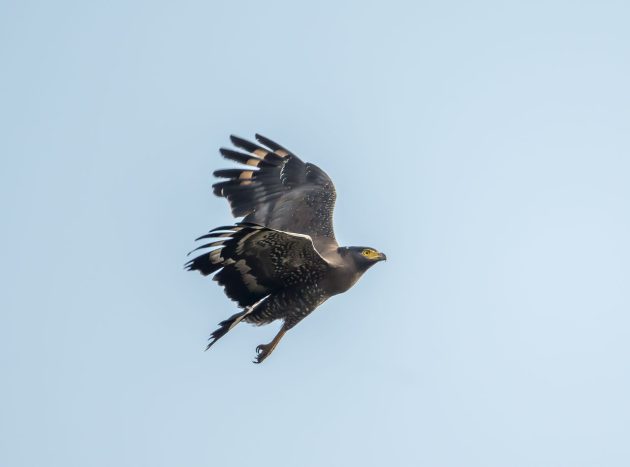
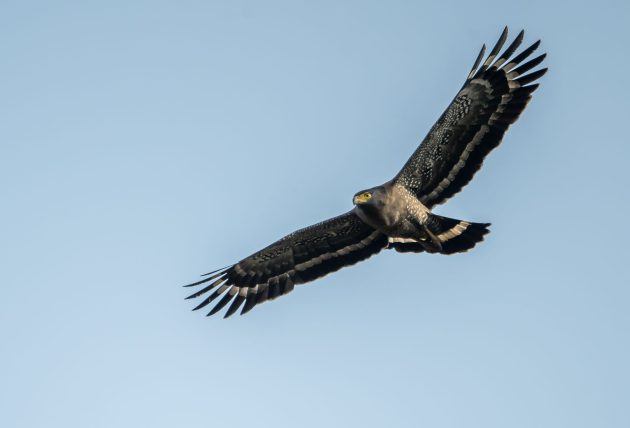
A Japanese island uses the species for branding: “Ishigaki Island – The Island of Crested Serpent Eagles”.
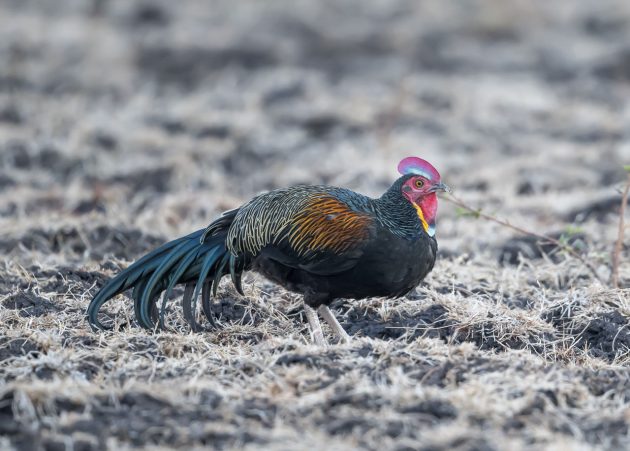
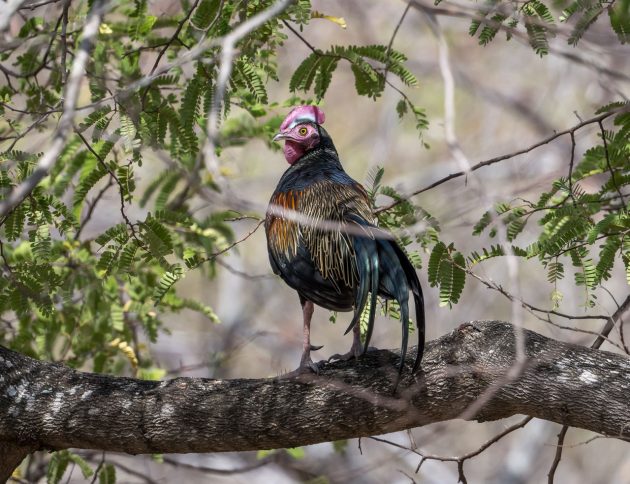
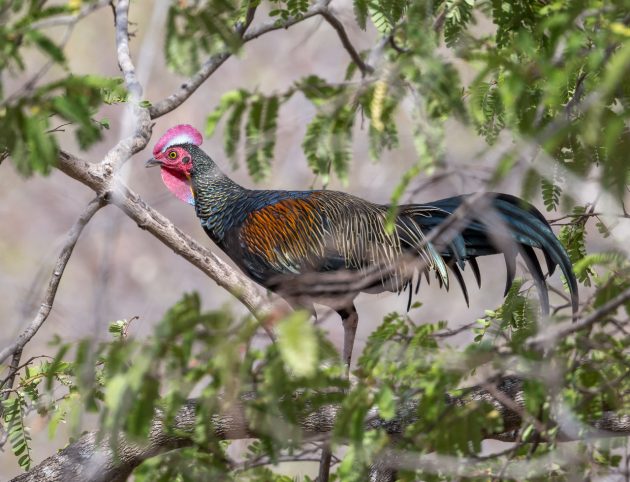
Green Junglefowl seem to be quite common at Baluran NP.
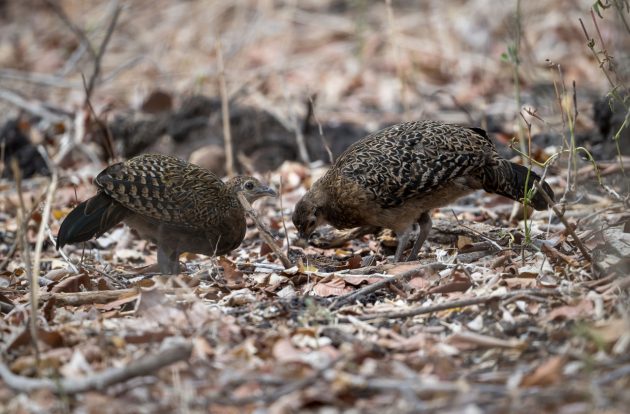
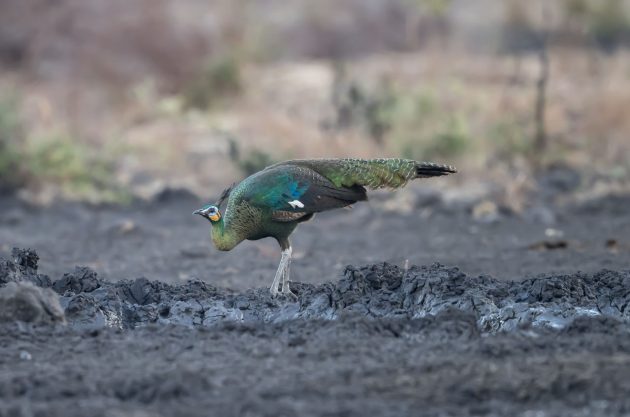
Green Peafowls can also be seen here, particularly at dusk near a watering hole that is also used by other animals.
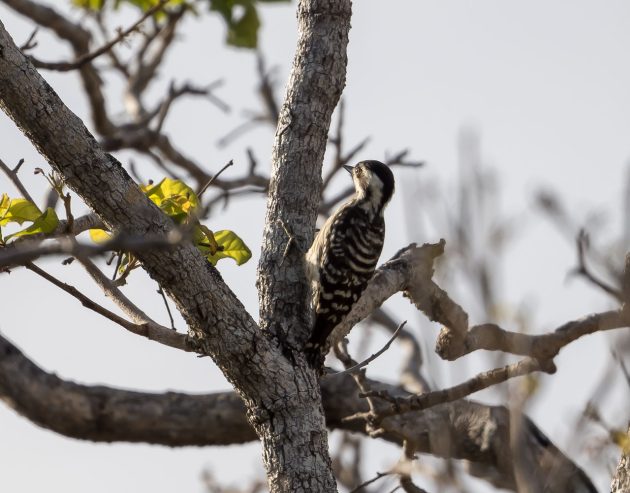
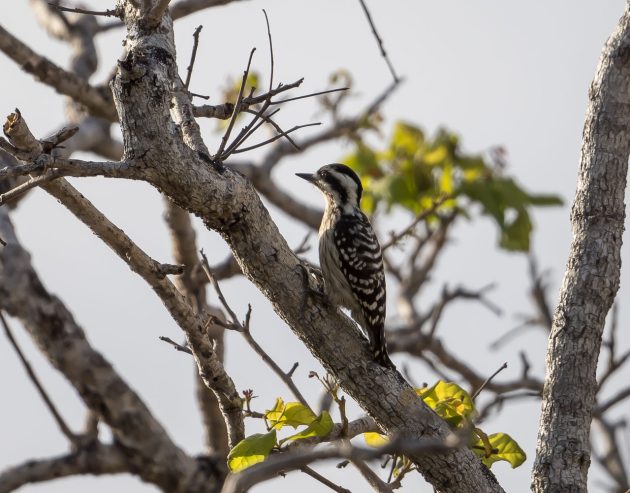
Unsurprisingly given its name, the Sunda Pygmy Woodpecker is rather small – a bit smaller than a sparrow.
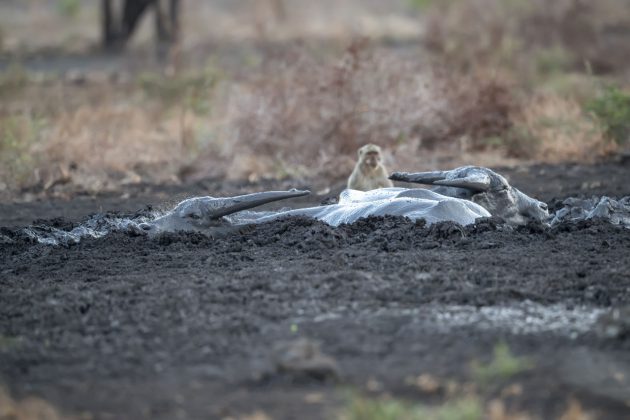
In the infrequent “Other” section, we have some kind of cow/buffalo (I am only interested in birds) along with some kind of monkey in the background …
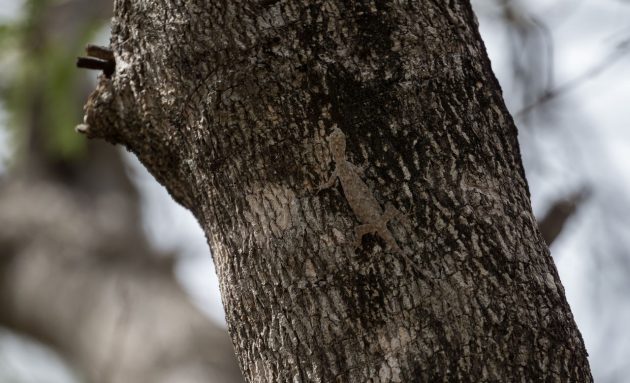
… as well as a non-avian master of camouflage.








That’s a crab-eating macaque, I believe. The birds are more colourful!!