

The year started out slowly as far as birding was concerned, in two months I managed to go out just once for a short 1 hour birding walk at the local bay.
I needed to get out and see some birds. I believe all birders get that itch from time to time, and I was at a stage where I could not ignore it any longer.
The familiar choices lined up quickly in my thoughts. I could head to Metropolitan Natural Park or any one of the many parks within the city. I have walked them, photographed them, sweated through them, and admired them more times than I can count. But for some reason, this time, I did not feel like repeating a familiar loop. I wanted something different, yet not far.
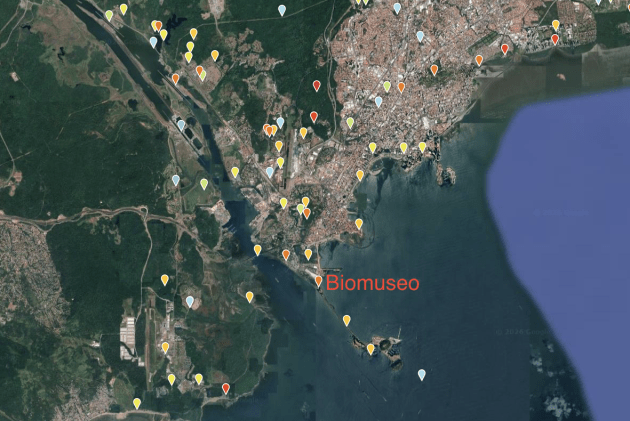
The one place I had heard much about, and had always quietly meant to visit, was just ten minutes away by Uber from my home, traffic permitting. And it was an eBird hotspot.
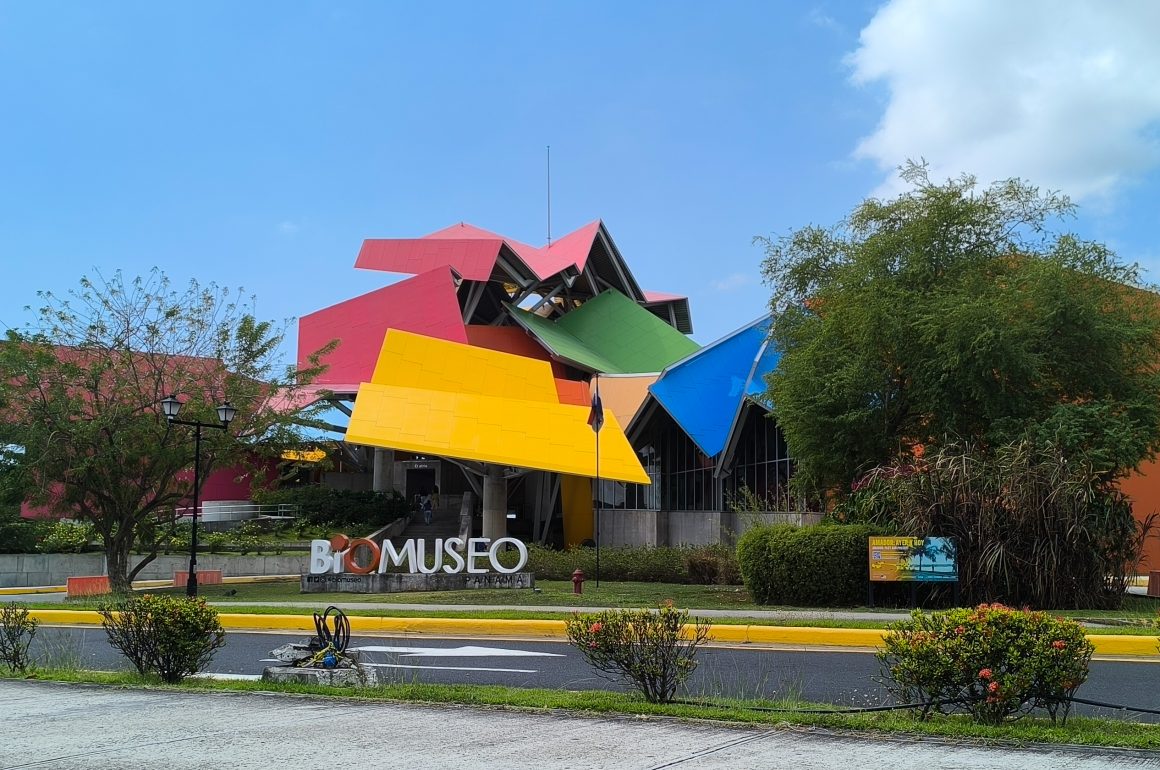
The Museum of Biodiversity or Biomuseo as it is more commonly known was close enough to go on a whim. Close enough that I kept saying, “I can go anytime.”
Anytime is a dangerous word. It sounds flexible, but it usually means not today, not tomorrow, not next week and so on. I eventually ran out of excuses and “anytime” finally became today.
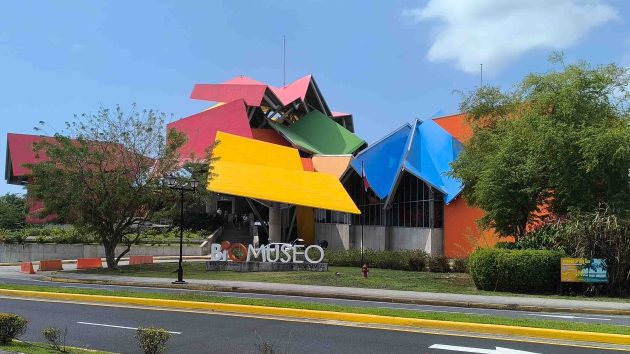
The Biomuseo sits proudly along the Amador Causeway, its colourful panels almost shouting for attention against the blue Pacific sky. Designed by Frank Gehry, it tells the story of Panamá as the bridge of the Americas. Panamá is a migration corridor, a tropical crossroads, and one of the most species-rich regions per square kilometre in the world. The Biomuseo showcases ecosystems from mangroves to cloud forests, helping visitors understand why this small country punches far above its weight in wildlife diversity.
But outside the walls of the museum, another story unfolds daily, one that does not require a ticket, only patience and perhaps a decent pair of binoculars or telephoto lens.
On eBird, the Biomuseo / Amador Causeway area has built itself a reputation. Shorebirds, seabirds, migrants, resident songbirds, the list grows steadily. For a small stretch of urban coastline, it produces an impressive variety.
During that “anytime” morning, when I decided the time was right for a visit, the ocean was restless in the best possible way.
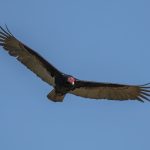
At the Pacific entrance of the Panamá Canal, the seasonal upwelling, or afloramiento as we call it here, had stirred the waters. Nutrient-rich currents rise, baitfish gather in shimmering schools, and suddenly the sky fills with purpose. Brown Pelicans, Terns, Gulls, Neotropic Cormorants, Magnificent Frigate and others, all put in an appearance to join in the buffet style feast that the upwelling of the ocean provided.
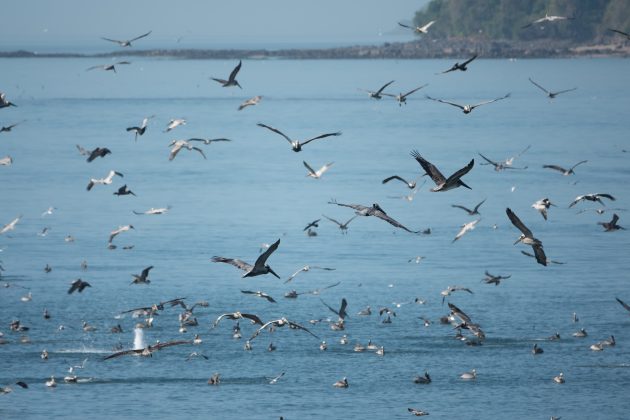
Brown Pelicans folded their wings and dropped like arrows.
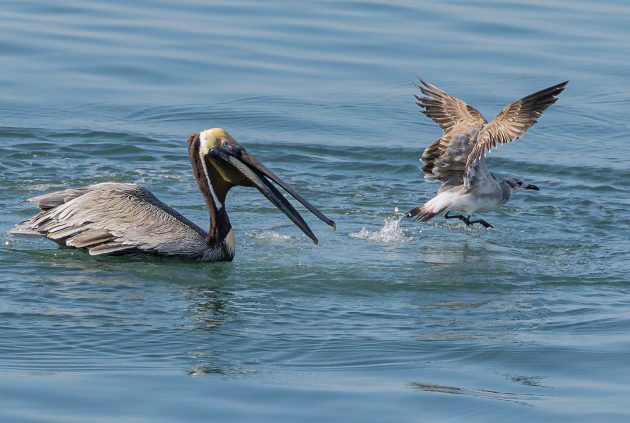
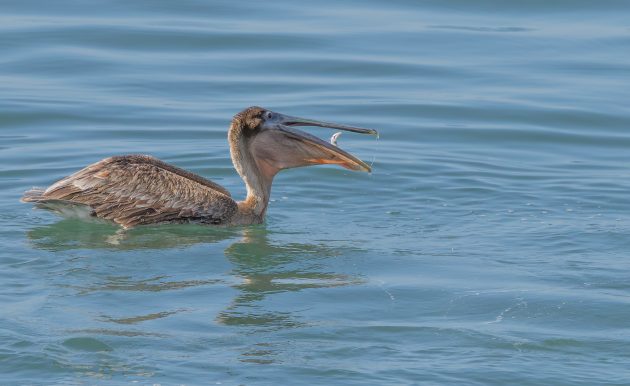
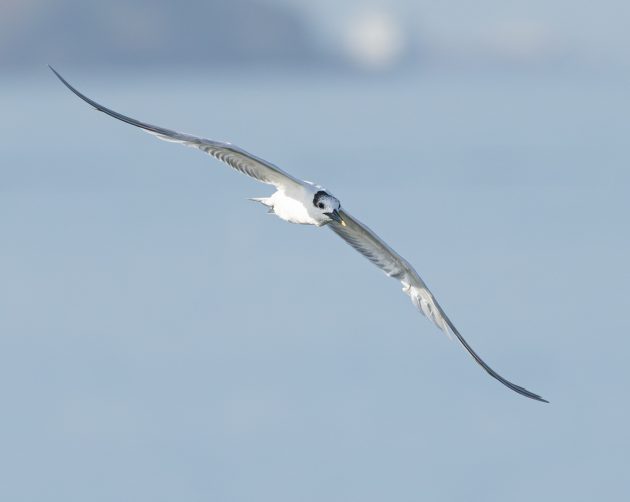
Terns hovered, calculated, and struck. It was exciting to watch. Controlled chaos, the kind that makes you forget you are technically still within city limits.
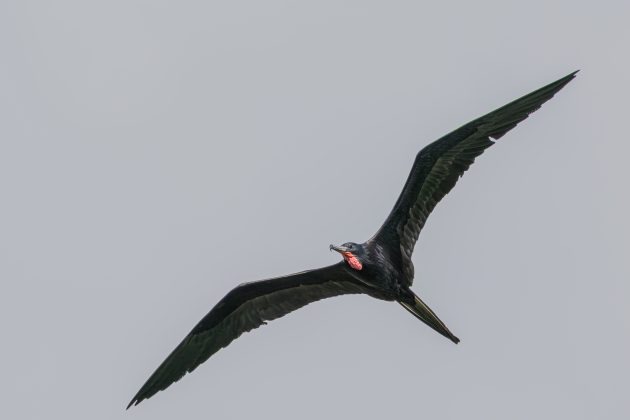
Magnificent Frigates hovered waiting for an opportunity to swoop down and steal the catch from other birds.
But what surprised me most was how layered the experience became as I walked.
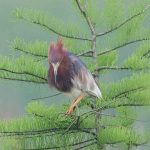
Along the rocky edges a Whimbrel worked the shoreline with quiet determination. Egrets lazed around as if waiting for something more dramatic to happen. A lone Black-Crowned Heron stood looking uninterested in what was happening over the waters.
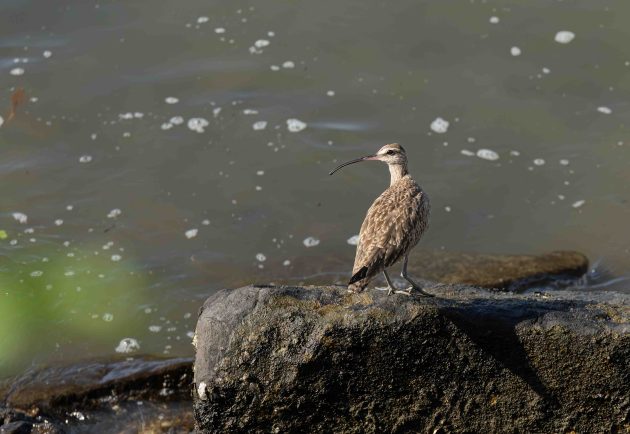
Then I turned back toward the landscaped grounds around the museum, and the scene shifted again.
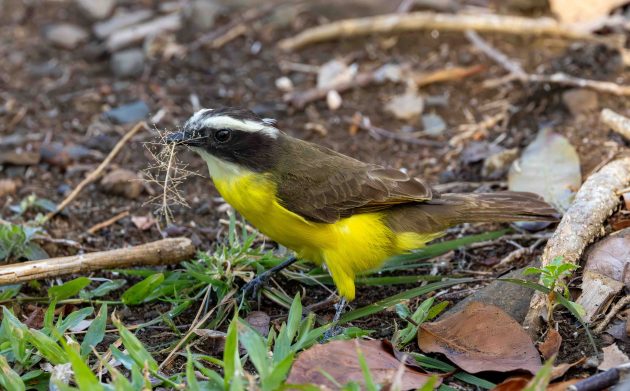
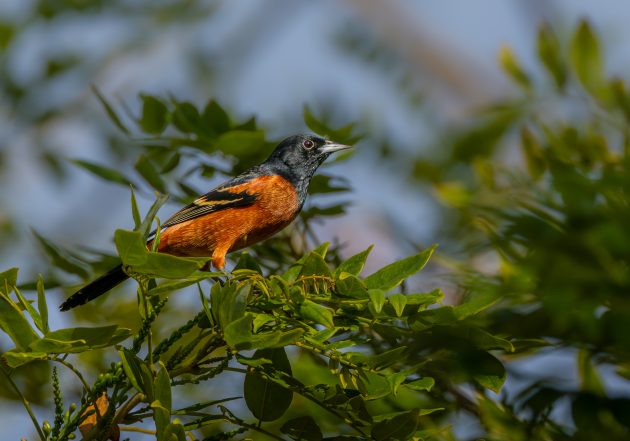
Social Flycatchers announced their presence with typical confidence. An Orchard Oriole moved swiftly through the trees.
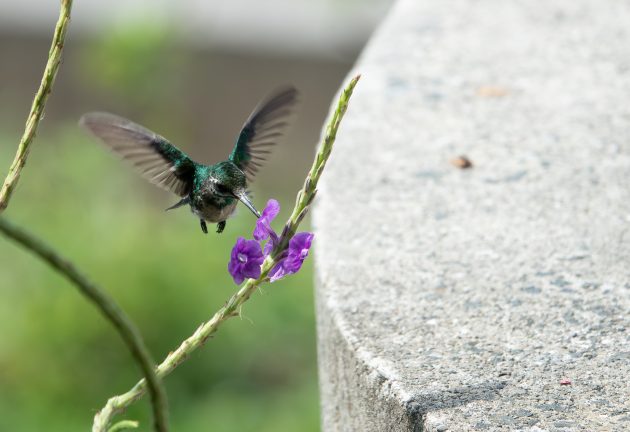
Hummingbirds flashed in and out of view like tiny living sparks.
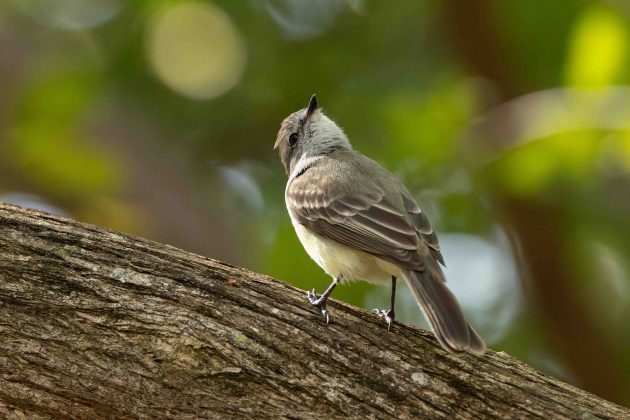
Several Flycatchers did their thing, some of it quite entertaining (to me at least), like this Northern-scrub Flycatcher turning its head around to look back.
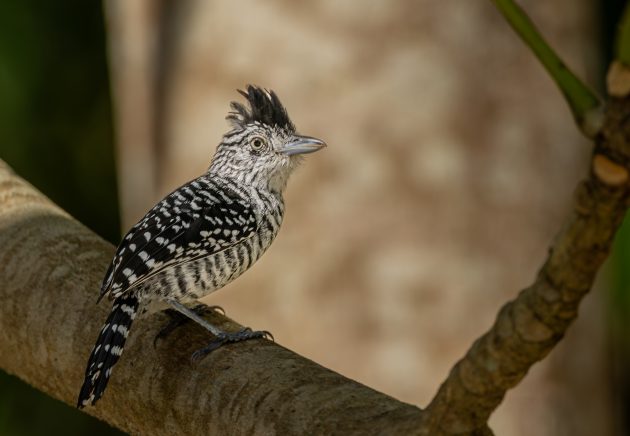
A lone Barred Antshrike hopped around.
It struck me that within a short stroll, I had moved from pelagic drama to urban songbird calm. And all of this just ten minutes from home.
The Biomuseo may be famous for architecture and exhibitions, but for me, that morning, it was something simpler. It was the cure for the itch and although I only managed to see 28 of the 280+ species recorded on eBird, it is now on my list of must revisit sometime soon locations.
Will that “sometime soon” rival the “anytime” promise, we will just have to wait and see…




Such a lovely piece and having just visited Panama last month to bird, I truly enjoyed the photographs and prose.
Thank you, Mary, I really appreciate the kind words. Panama is such a wonderful place for birding, so it’s always nice to hear from someone who has recently visited. I hope you had a great trip and came away with some memorable sightings. Were there any particular birds or locations that stood out for you?