

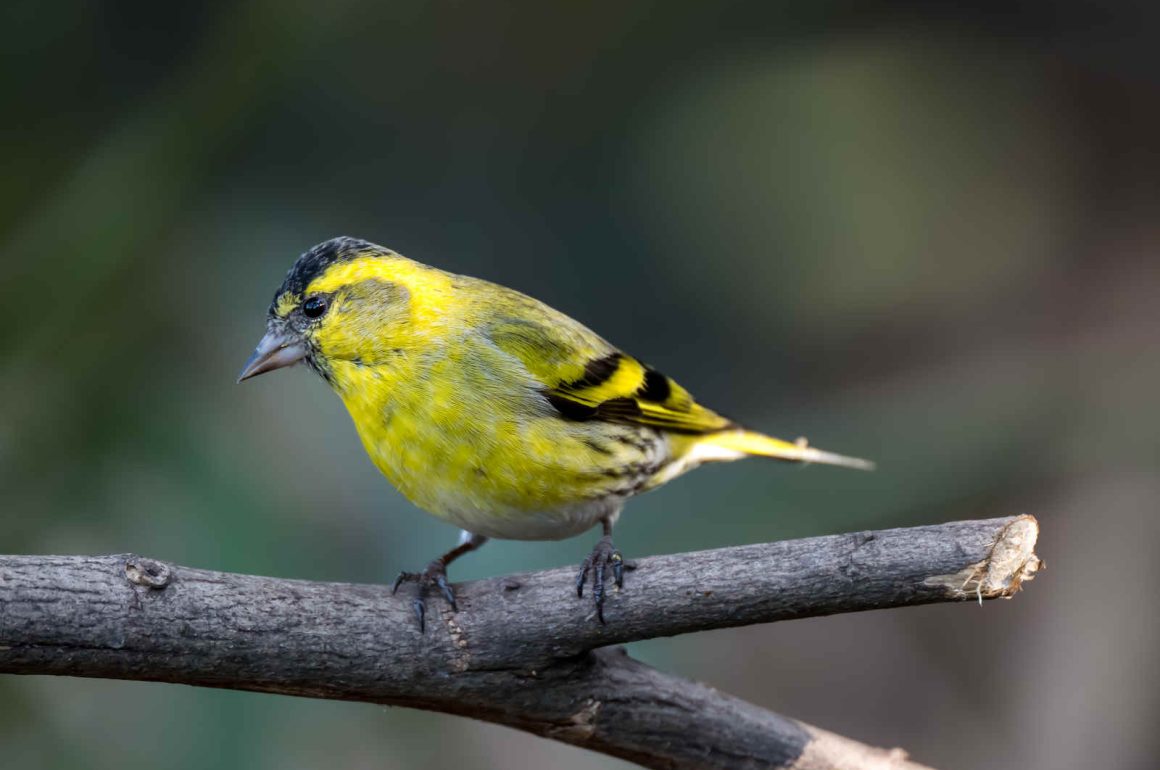
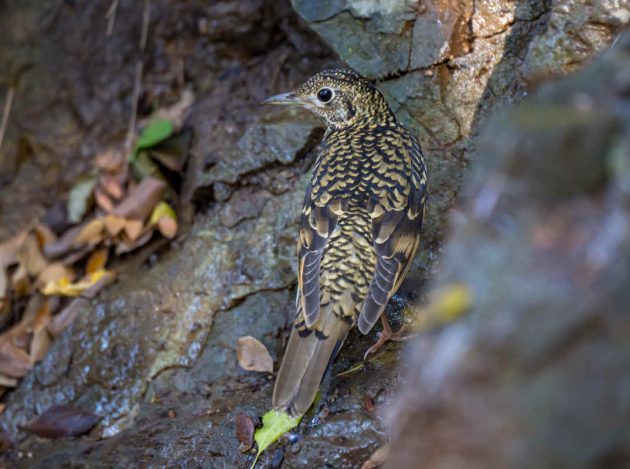
Several thrush species winter in Shanghai. My favorite among them is White’s Thrush, a bird with a slightly reptilian look.
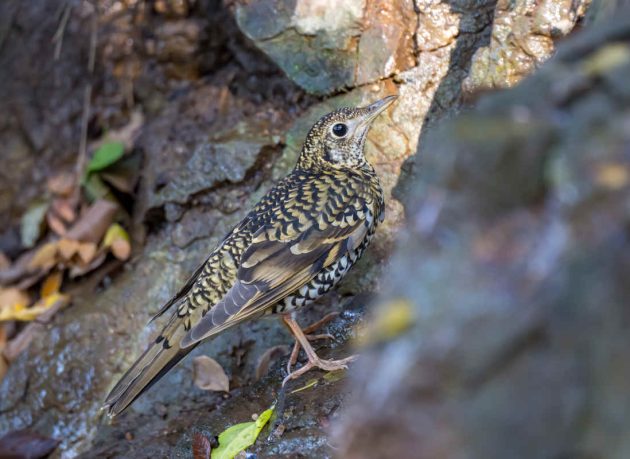
The species is named after Gilbert White, who, according to Wikipedia, “is regarded by many as England’s first ecologist and one of those who shaped the modern attitude of respect for nature.”
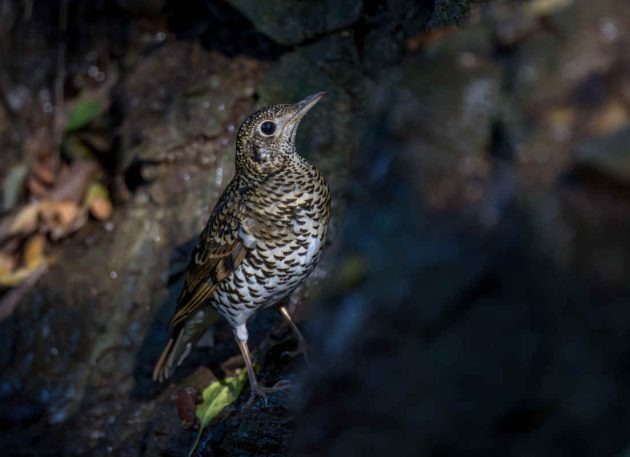
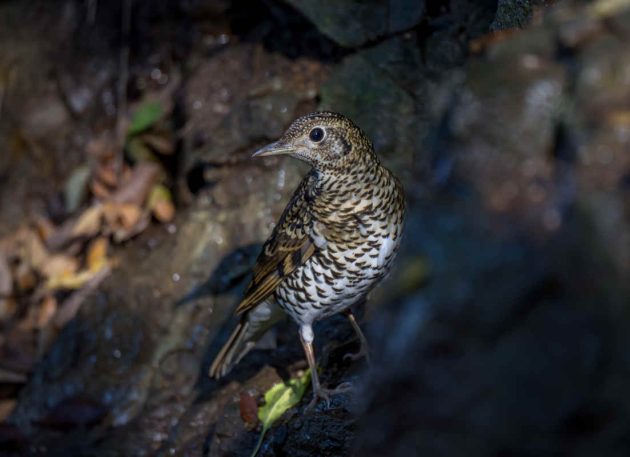
It does winter in Shanghai (I see it at Tianmashan every winter), something that the HBW distribution map gets wrong.
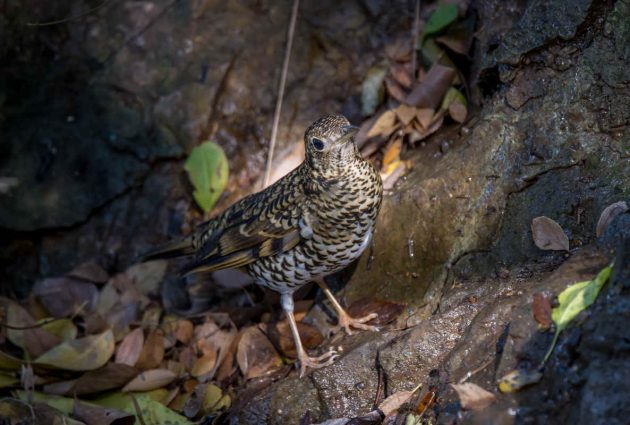
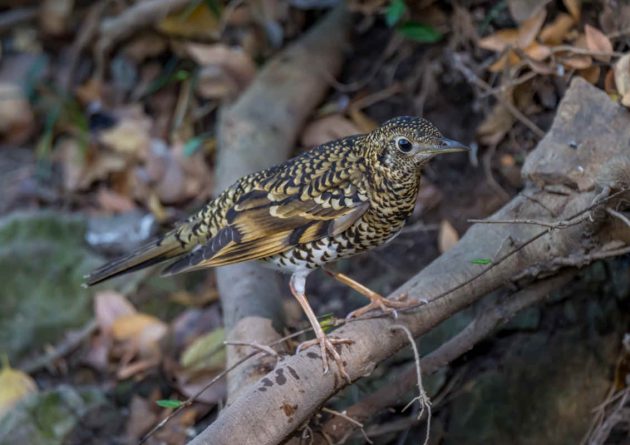
There is not much literature on the species itself, but as a compensation, there is a paper on Urogonimus turdi from the thrush. That is an avian trematode, or flatworm, and if you are like me, you do not really want to know more about it.
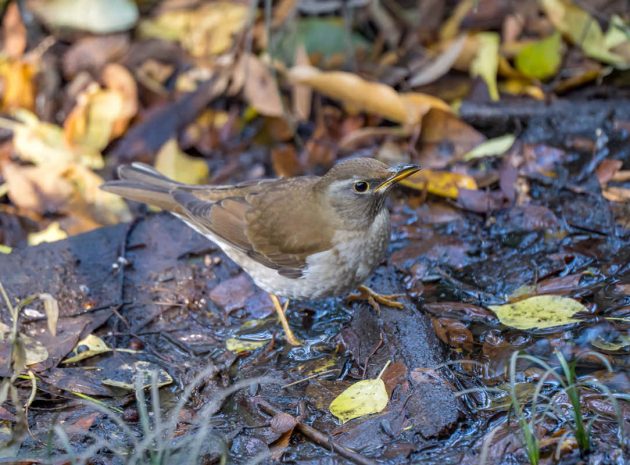
The other thrush frequenting Tianmashan is the Pale Thrush, for which Shanghai is at the Northern edge of its wintering range. It does not look quite as boring as the name suggests.
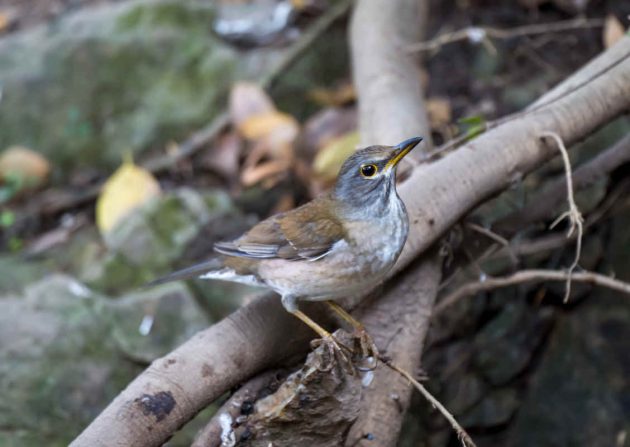
eBird acknowledges this first but then takes half of it back later in the same sentence: “Although not actually pale, this brownish songbird is one of the plainer thrushes in its range.”
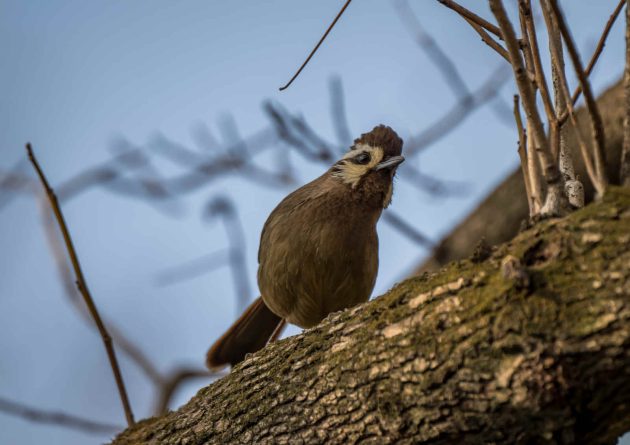
For the White-browed Laughingthrush, the color description on eBird does not sound any more interesting (“brownish above, ochre below”), but there is an acknowledgement of its “striking facial pattern”.
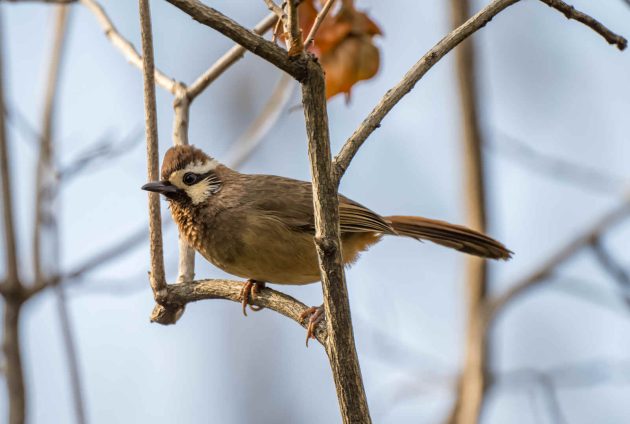
By now, I have seen this laughingthrush in four different locations, but this is the first one for which it is actually accepted as a local listing. eBird, like God (though fortunately not evolution), works in mysterious ways.
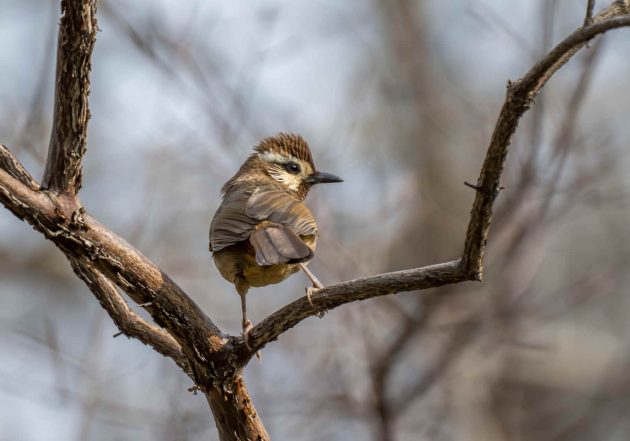
The scientific species name Pterorhinus sannio indicates that the bird is a jester (sannionis jester, buffoon). Hmm.
The eBird description of the Daurian Redstart is much more favorable than that of the last two species, and it is hard to disagree with it: “Active and attractive songbird of open spaces.”
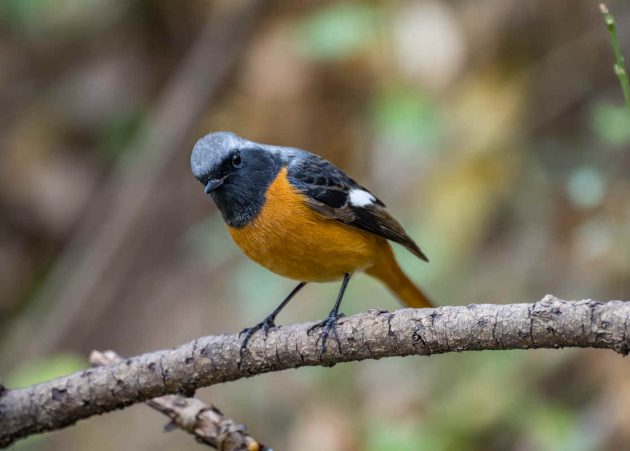
When eating fruit, it could also be a suitable species for use on Christmas cards in countries where the European Robin is not available.
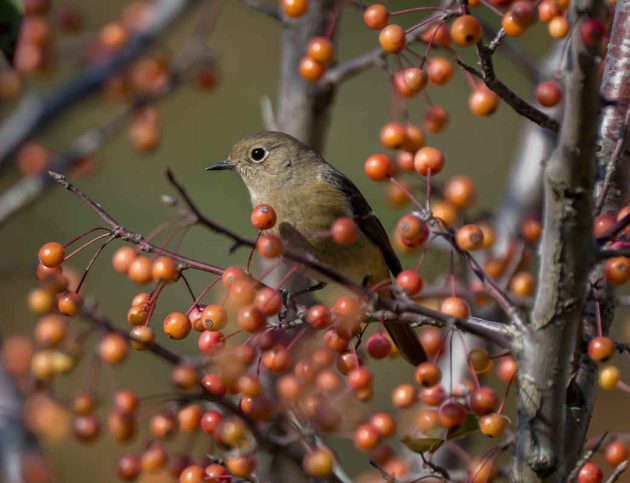
As I do not personally know you, the reader of this post, I cannot make any statements about your criteria when selecting a partner. However, I have such knowledge for the Daurian Redstart. Apparently, individuals choose partners with a similar-sized white wing patch.
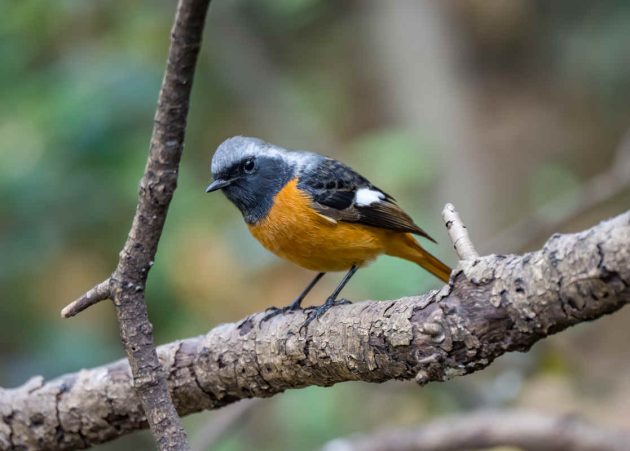
This does not make too much sense to me, as this assortive mating seems to have no effect on breeding success. Then again, the same may apply to your partner selection criteria.
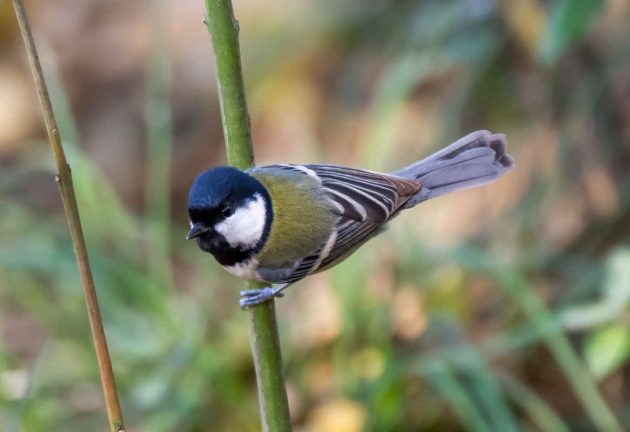
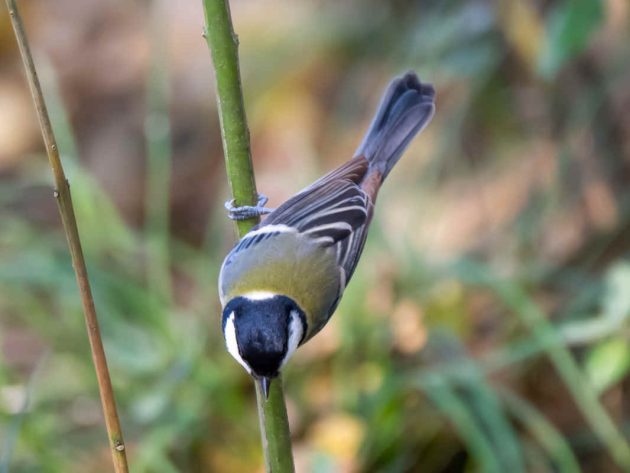
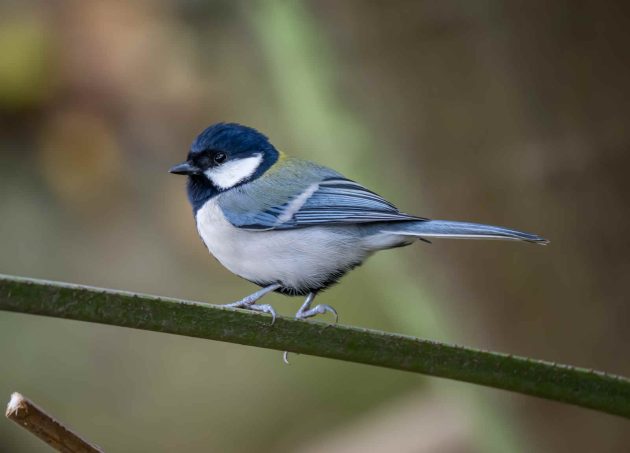
Strangely, when running a website such as 10,000 Birds, one gets multiple emails from gambling companies offering money for links on the site. However, there are no offers for similar links to pornographic sites. So, unfortunately, there is no real money in showing photos of Asian Tits.
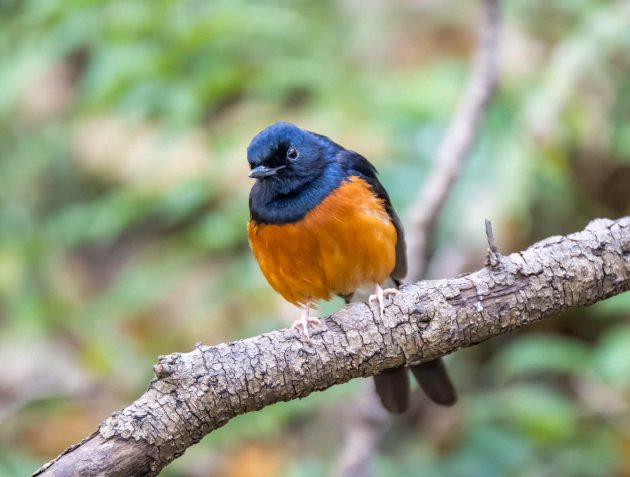
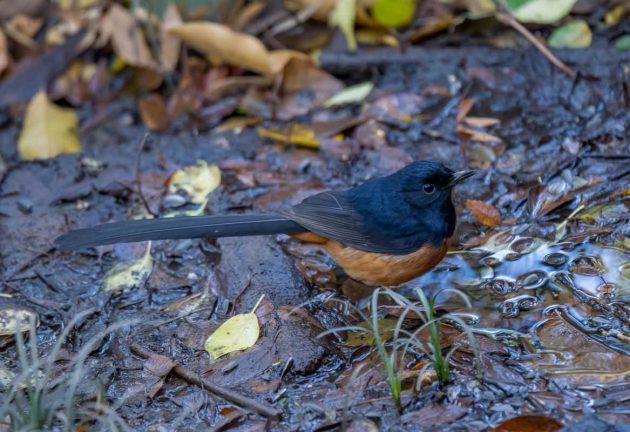
It is probably a bit lame to mention a White-rumped Shama among my Shanghai December sightings, as this individual almost certainly is an escapee despite its rather nice plumage.
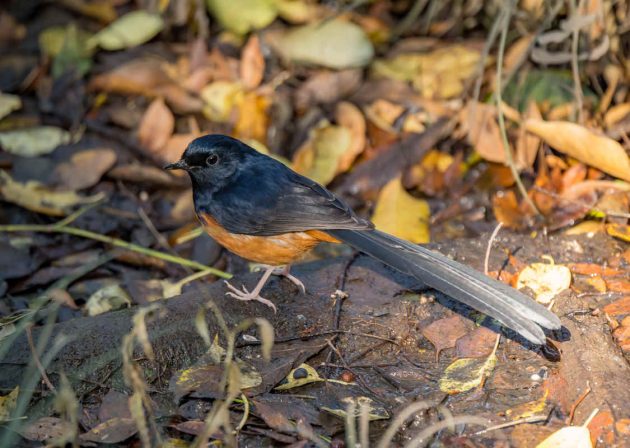
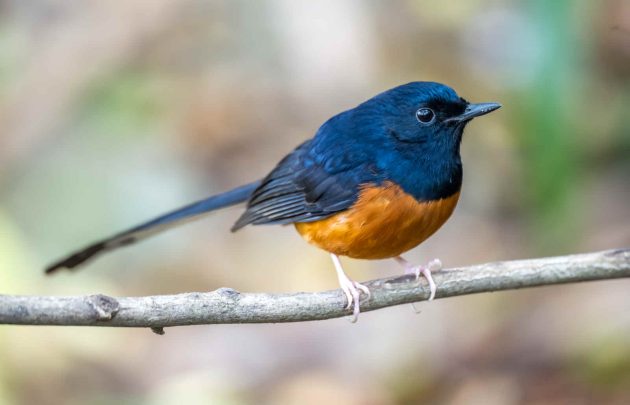
Apparently, previously, other individuals had been seen at some Shanghai parks other than Tianmashan, where I saw it, but had not survived the winter. I hope this one will do better.
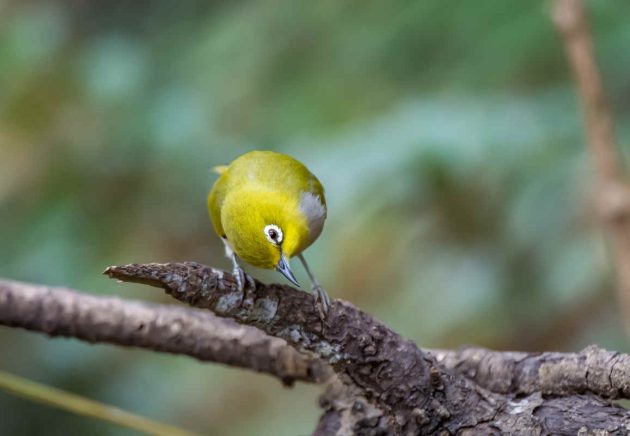
The scientific name of Swinhoe’s White-eye, Zosterops simplex, sounds partly like a monster from Greek mythology, partly like a venereal disease.
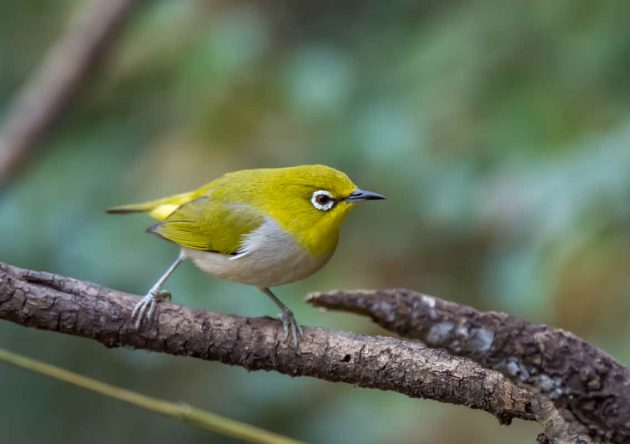
And the naming and species delimitation are ugly enough by themselves, as this quote from the HBW illustrates: “The taxonomy of the white-eyes in southeast Asia is very messy, and we are still learning new things about it … The five subspecies recognized as part of Swinhoe’s White-eye here were until recently considered part of three separate species …” So, maybe I’d better wait a bit until I add file names to my photos of this white-eye.
Tristram’s Bunting is named after Henry Baker Tristram (1822 – 1906), an English clergyman, Bible scholar, traveller, and ornithologist.
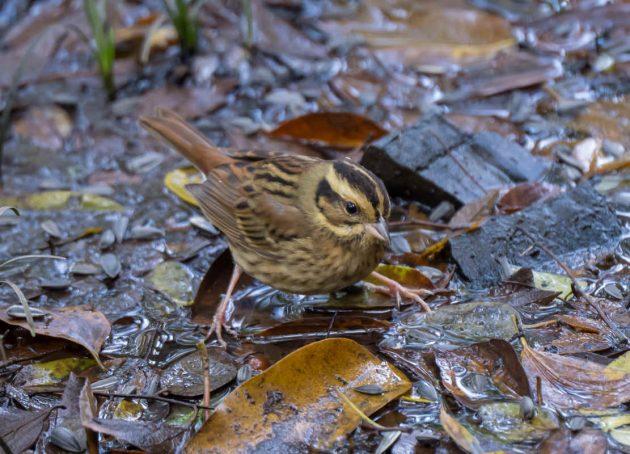
While not as bad a person as some of the others who had birds named after them, he could also be a longer-term candidate for replacement – he first supported Darwin but then later rejected Darwinism. So, not really a person a nice bunting should be named after.
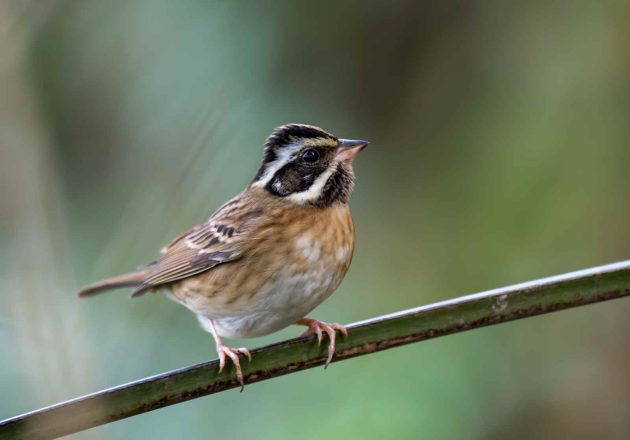
No complaints about the naming of the Yellow-browed Bunting …
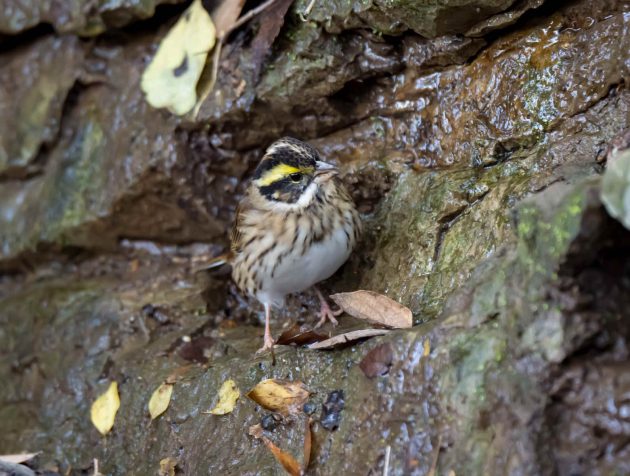
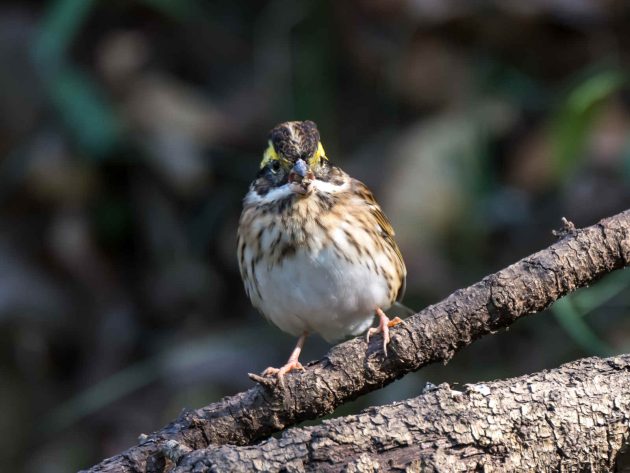
… though the scientific name Emberiza chrysophrys is a bit of an exaggeration (chrysophrys means golden-browed).
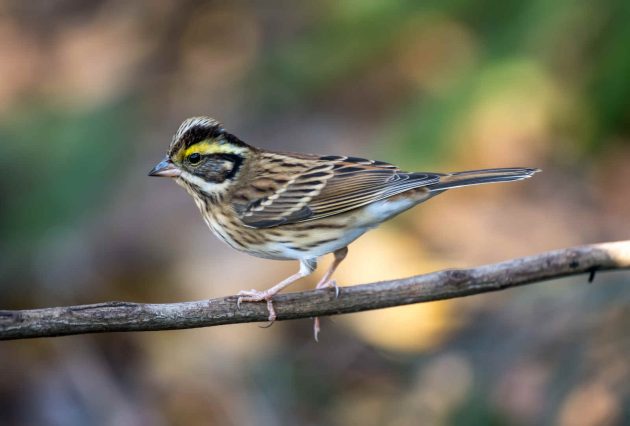
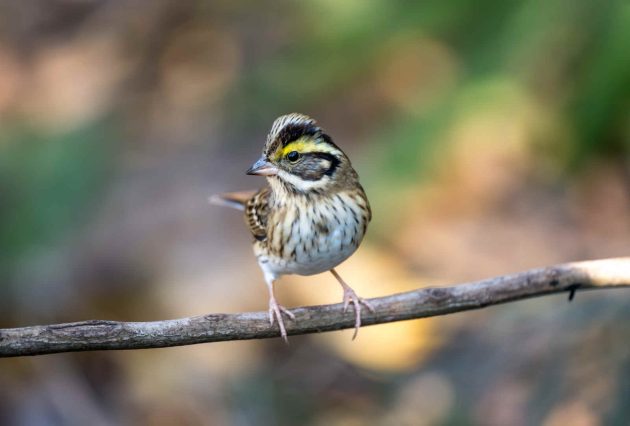
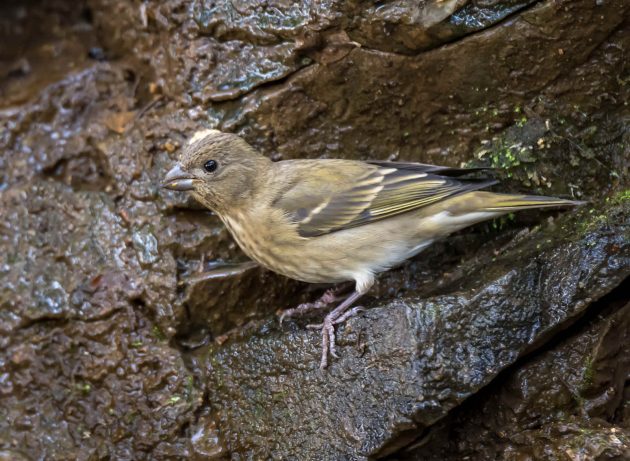
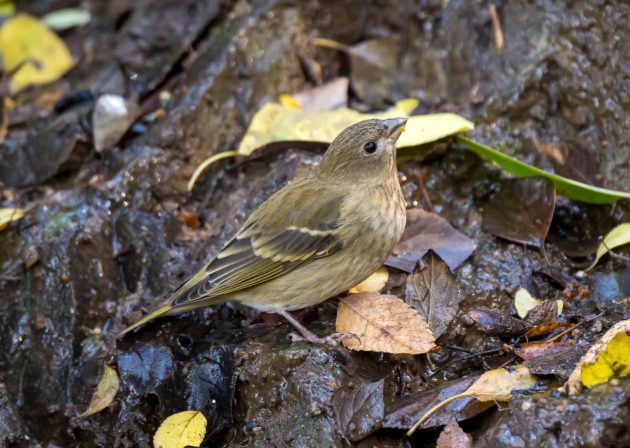
I usually see the first of them at the end of December, similar to the point in time when the first Common Rosefinches arrive. Unfortunately, no adult male so far …
If I can find any new research on the Silver-throated Bushtit, I’d better save it for a future post on cute birds.
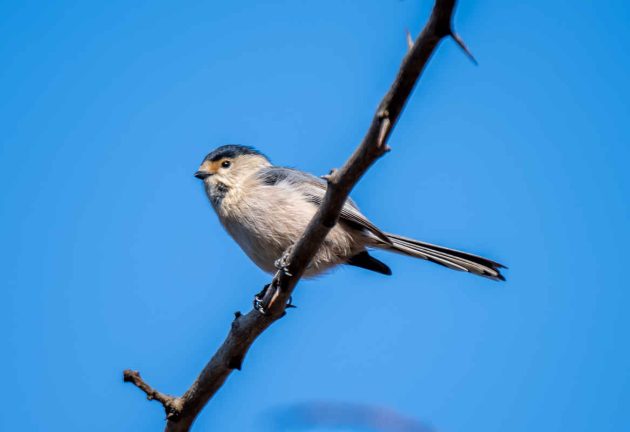
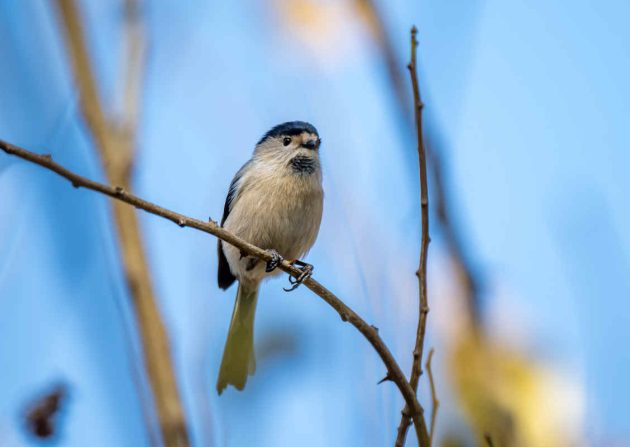
The Black-throated Bushtit is in the same genus, Aegithalos, and looks similarly cute.
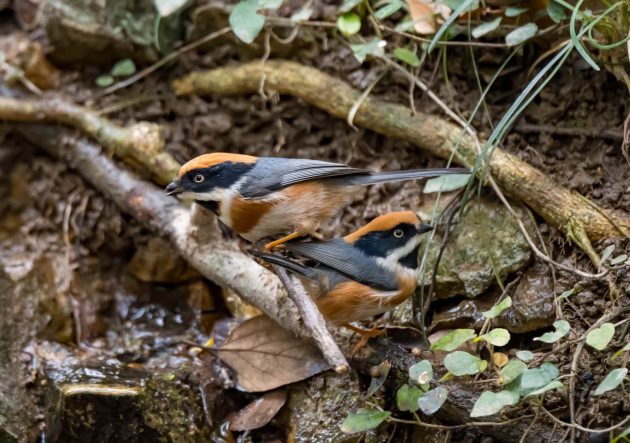
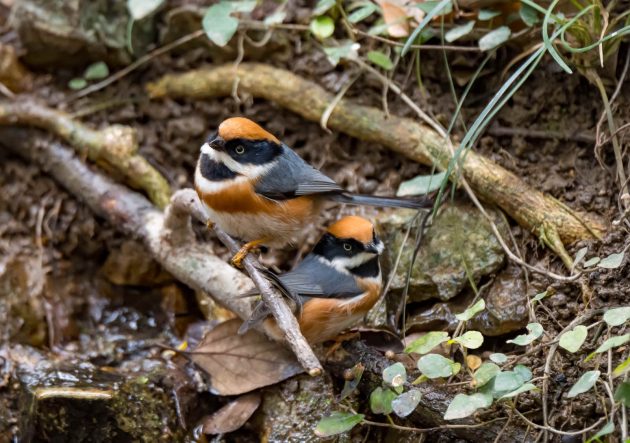
My impression is that it has become more common in Shanghai in the last decade or so, not unlikely as Shanghai is on the northern border of its distribution.
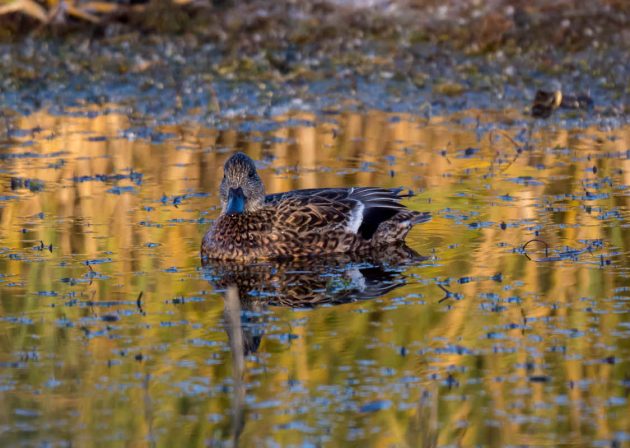
Apparently, there is no generally accepted explanation for the name of the Gadwall. ChatGPT has three explanations, none of which sound convincing to me.
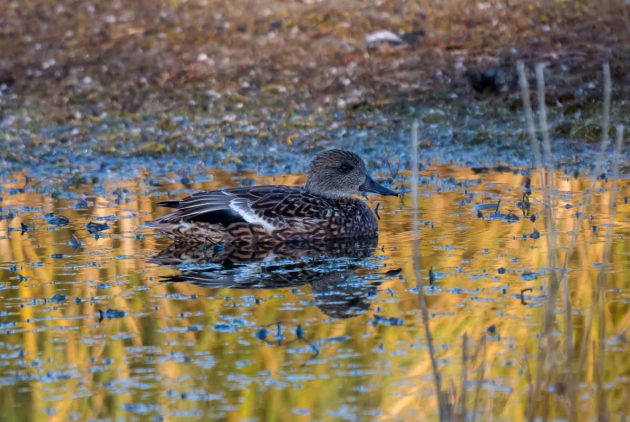
However, the ever cheerful ChatGPT makes lemon juice out of this lemon of an answer: “If you’re interested in bird name histories in general, this is a great example of how some vernacular names simply stick in language even when their original meaning gets lost over time!” Maybe I should remind it occasionally that I am not a US American and thus have a lower tolerance for bullshitting.
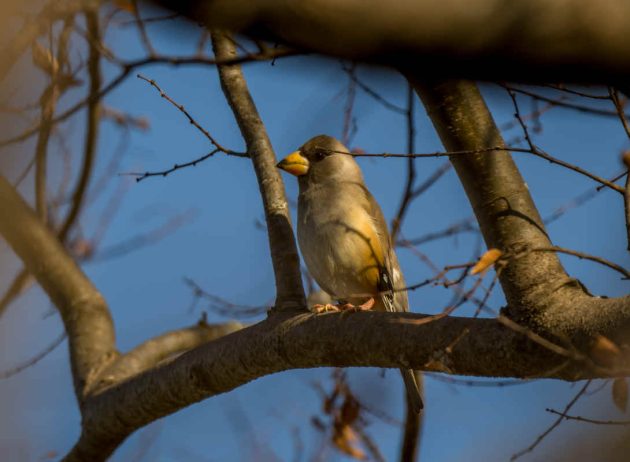
According to the HBW (text from 2016), the Chinese Grosbeak is widely trapped for the cage bird trade in China. I have not seen this species in bird markets, but that does not mean much, I am afraid.
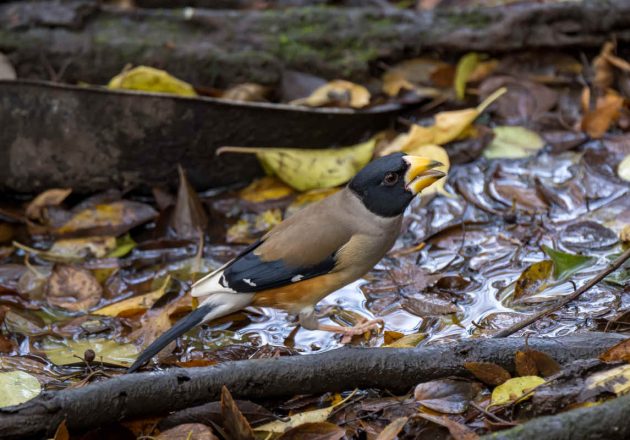
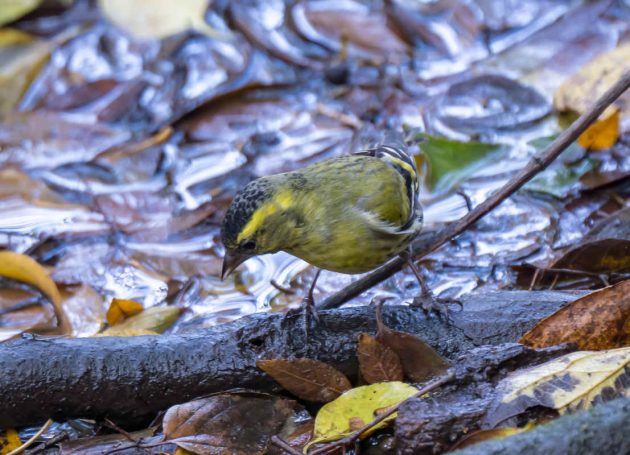
The black head indicates this individual as a male …
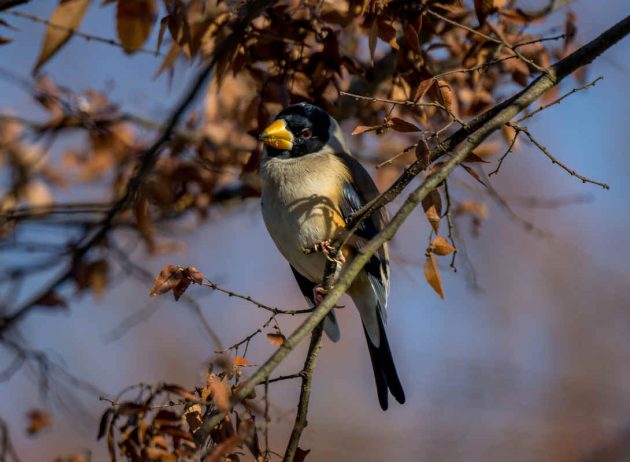
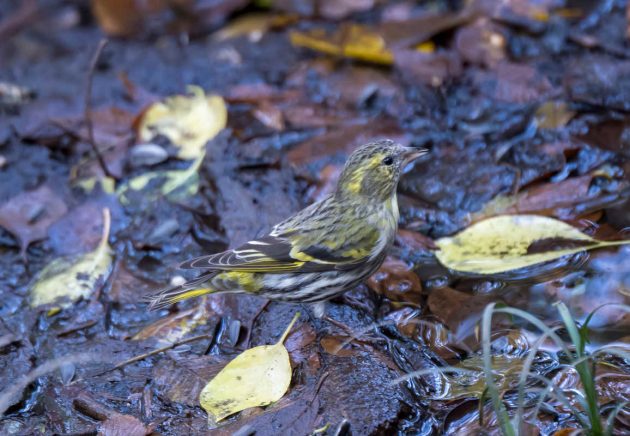
… while this is a female.
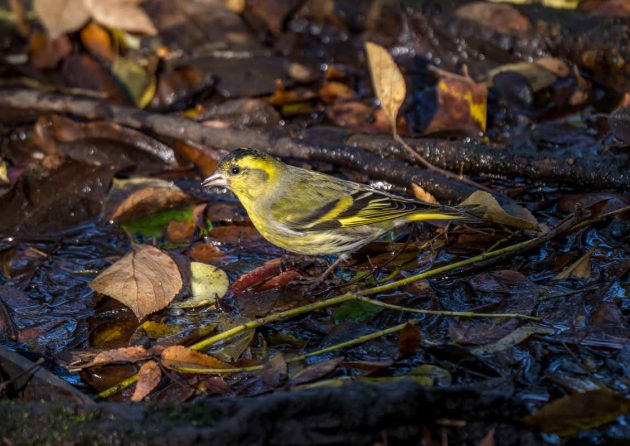
Male Eurasian Siskins are more brightly colored than females, and this leads them to be more vigilant at feeders (source).
Interestingly, even among the males, the brighter-colored ones spent more time scanning for predators.
Basically, this means that brighter colors are sexier, or in academic language, “plumage conspicuousness has evolved through mate choice because it signals the quality of the bearer, and this is an honest signal because it involves a predation cost in terms of increased detectability to predators.”
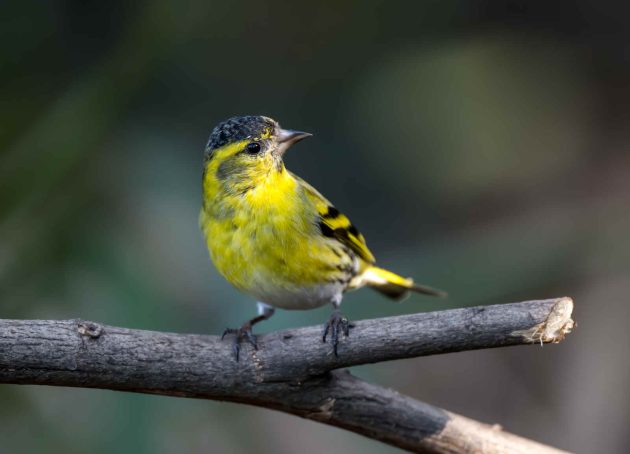
Near the end of this post, a few photos of very common Shanghai birds: Crested Myna …
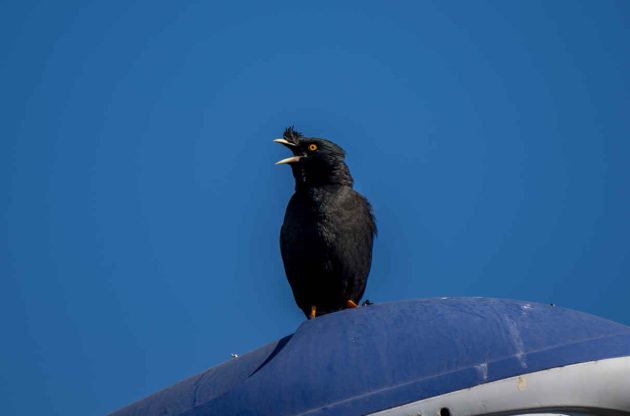
… Light-vented Bulbul …
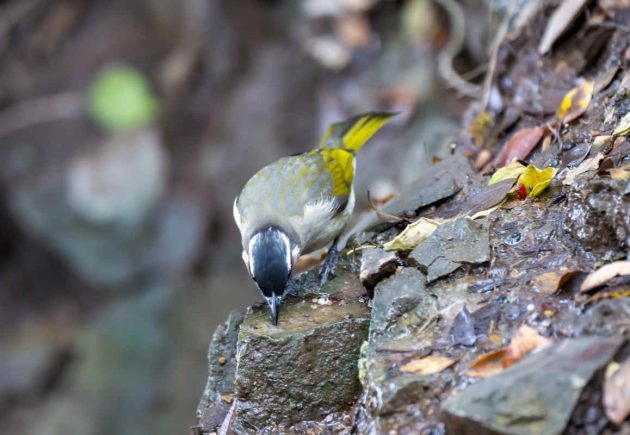
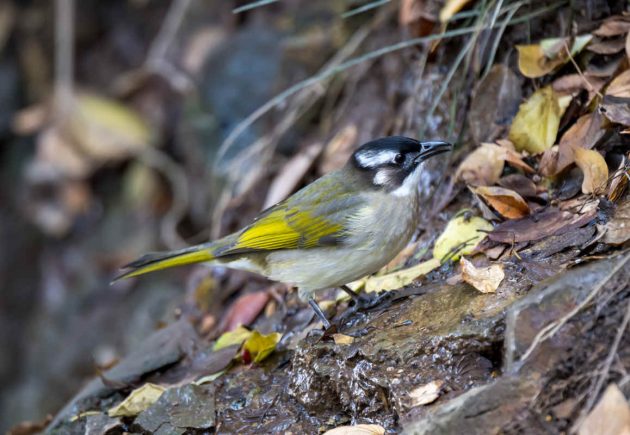
… Azure-winged Magpie …
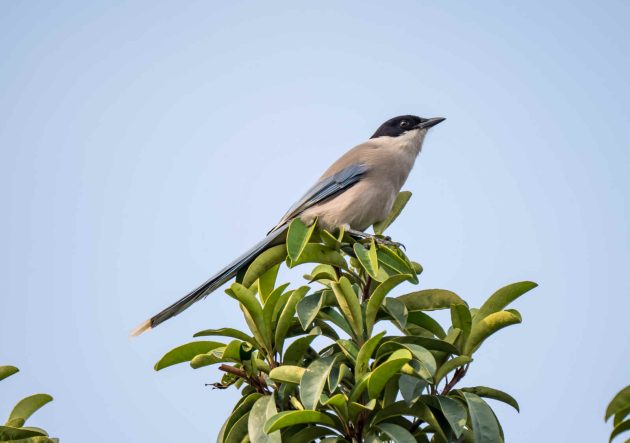
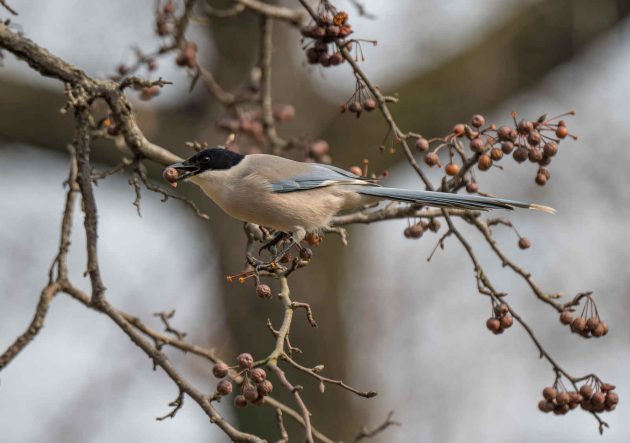
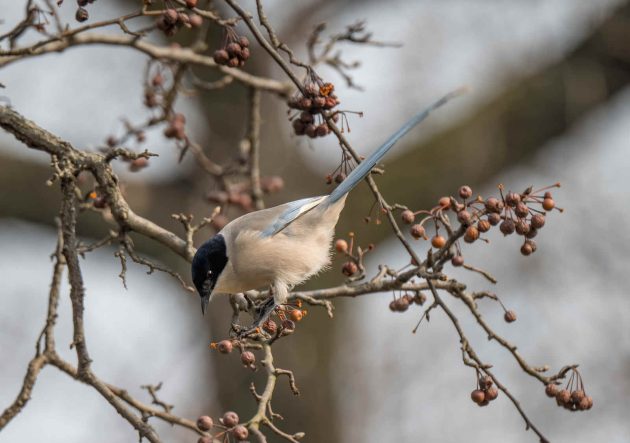
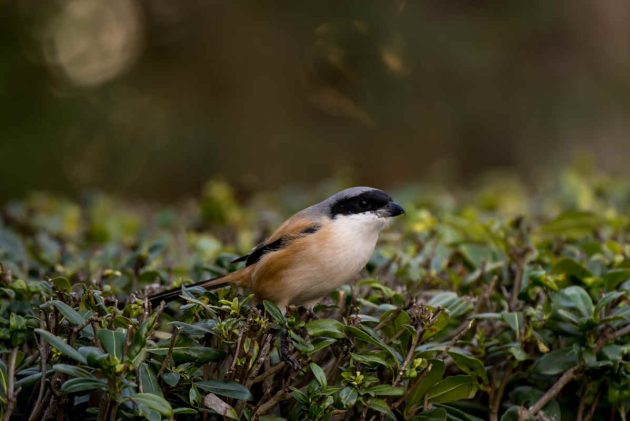
… Long-tailed Shrike …
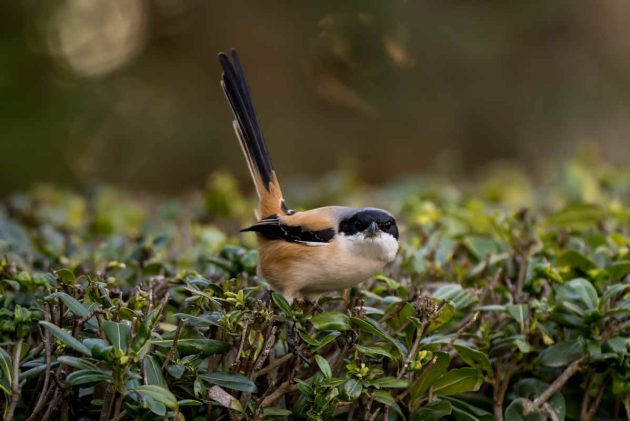
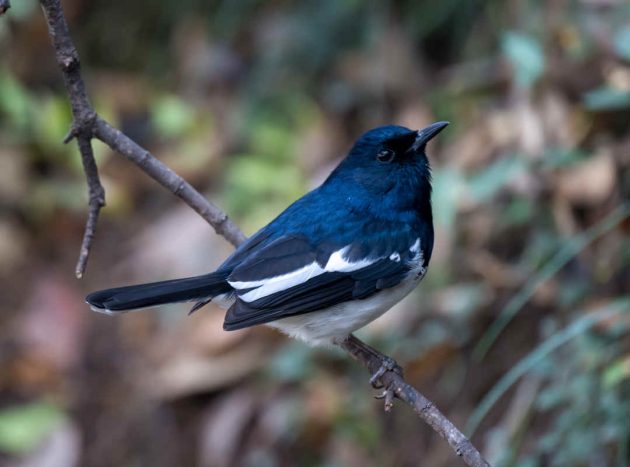
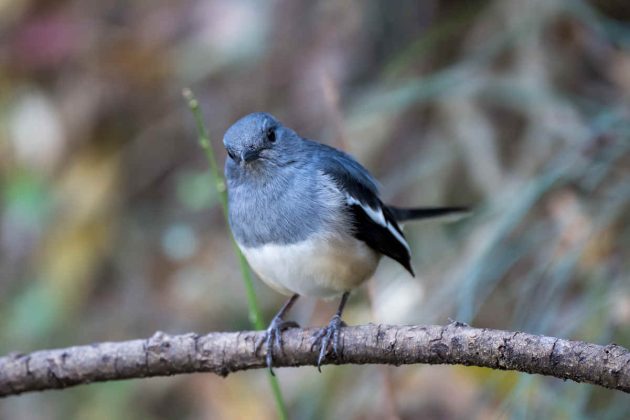
… Oriental Magpie-robin (male and female) …
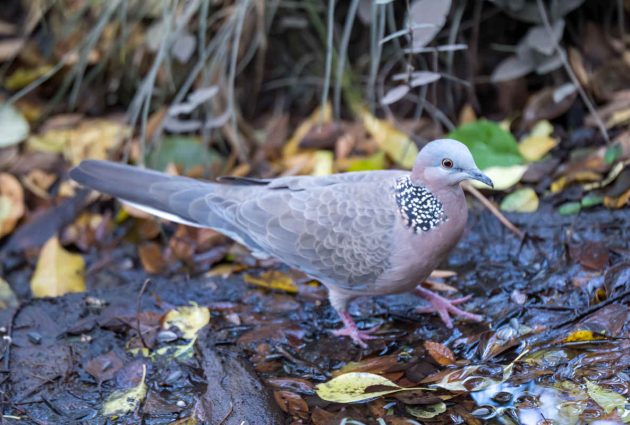
… Spotted Dove …
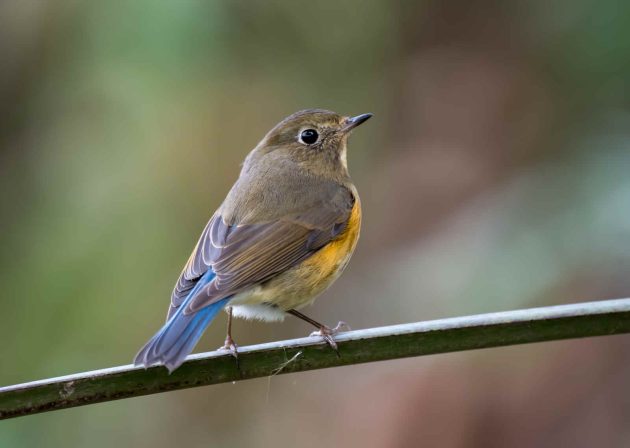
… Red-flanked Bluetail …
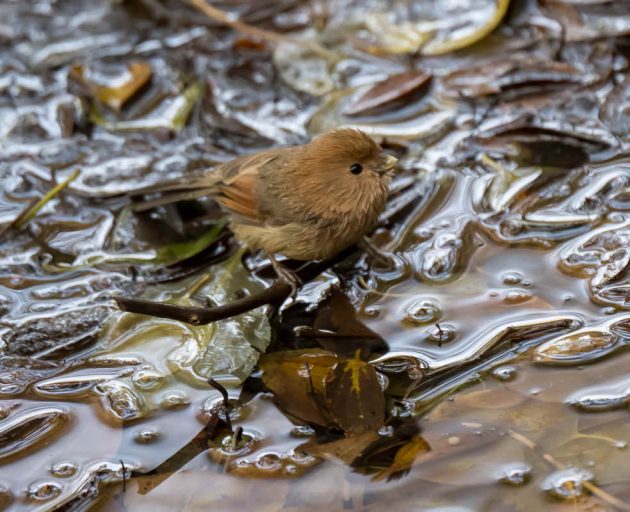
… and Vinous-throated Parrotbill …
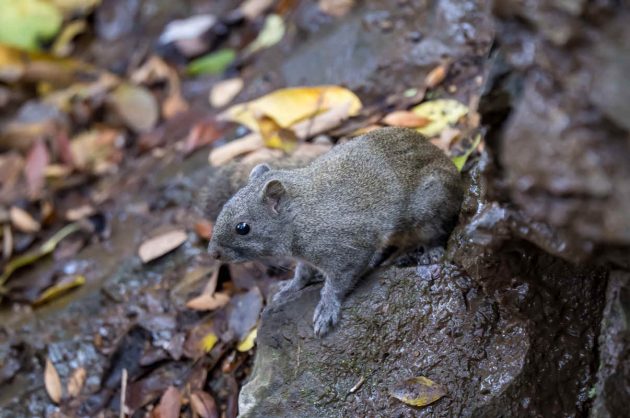
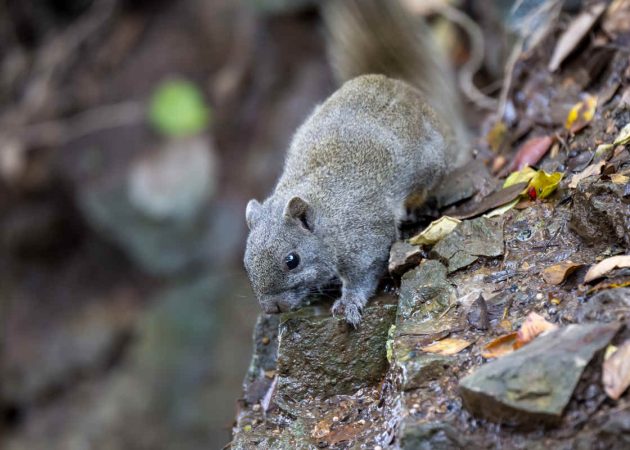
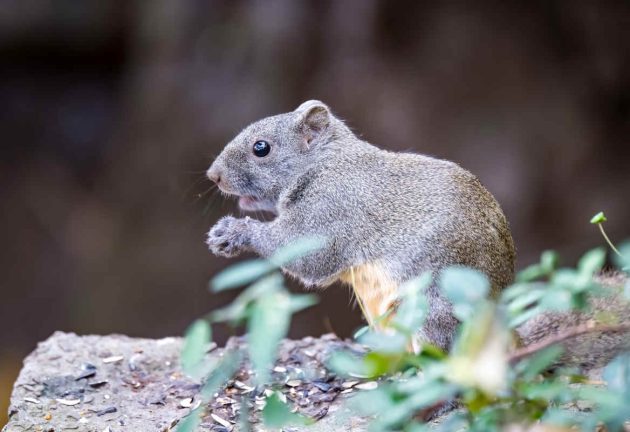
… before ending with a non-bird.







Leave a Comment