

Highlights
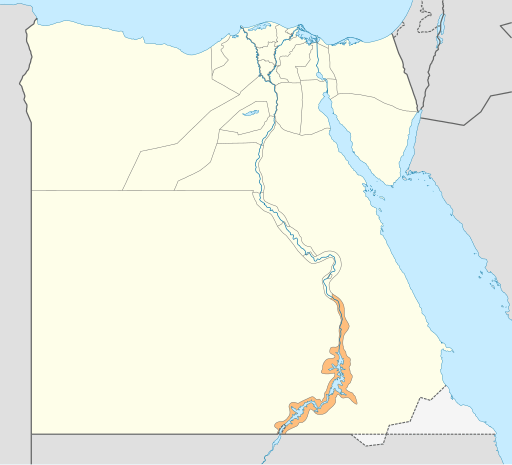
Aswan, located in southern Egypt along the banks of the Nile, is one of the most unique and rewarding birding destinations in the Western Palearctic. Positioned near the Tropic of Cancer and just north of Sudan, Aswan lies at a biogeographical crossroads between the Western Palearctic and the Afrotropical region. This special location gives the area a remarkable mix of bird species from both regions.
Aswan is also situated on one of the most important migration routes in the world. Each autumn and spring, millions of birds move along the Nile Valley, using it as a natural corridor between Eurasia and Africa. The Nile provides water, vegetation, and shelter in an otherwise arid desert landscape, making Aswan a vital stopover site for migrants and a stronghold for resident Nile Valley and Afro-tropical species. For birders, this combination of geography, habitat diversity, and migration activity makes Aswan a true hotspot.
Aswan City
Key Bird Species and Families
- Three-banded Plover
- African Green Bee-eater
- Nile Valley Sunbird
- Kittlitz’s Plover
- African Pied Wagtail
- Village Weaver
- Crimson-rumped Waxbill
- Indian Silverbill
- Red Avadavat
- Senegal Thick-knee
- Reed Cormorant
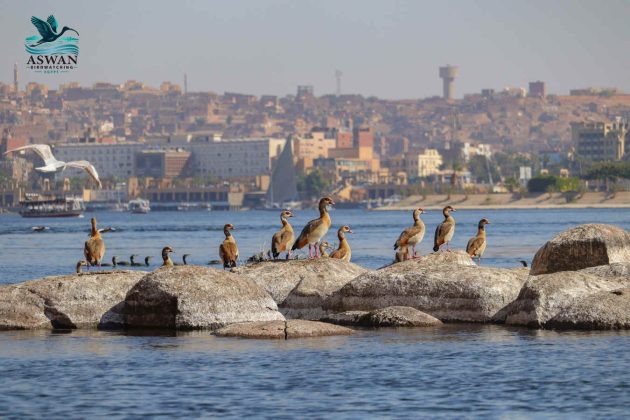
- Egyptian Goose
- Greater Painted Snipe
- Yellow-billed Kite
- White-throated Kingfisher
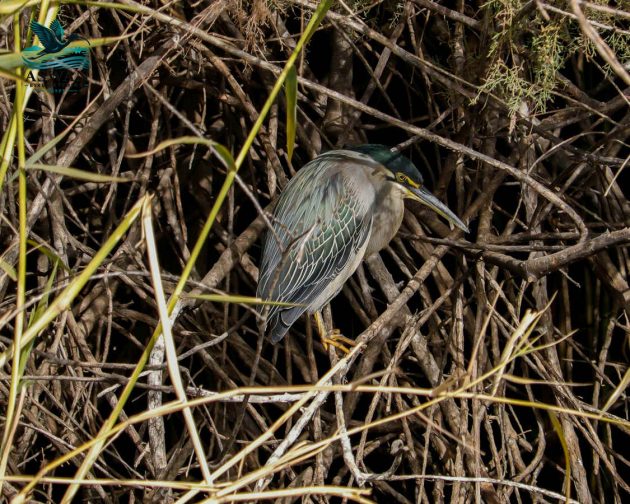
- Little Heron
- Yellow-billed Stork
- Pink-backed Pelican
- Namaqua Dove
- African Collared Dove
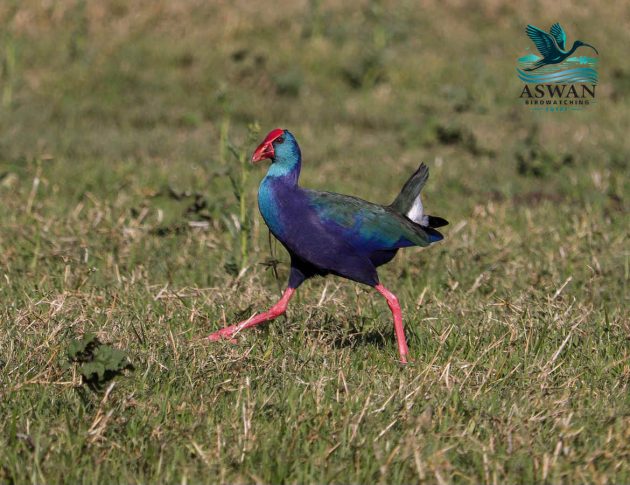
- African Swamphen
- Egyptian Nightjar
- Clamorous Reed Warbler
- Plain (Brown-throated) Martin
- Graceful Prinia
- Spur-winged Lapwing
- Masked Shrike
- Siberian Stonechat
- Red-throated Pipit
- Black Stork
- Crowned Sandgrouse
- Rufous-tailed Scrub Robin
- Pale Crag-martin
- White-crowned Black Wheatear.
African Swamphen
Best Regions for Birding
- Elephantine Island: Elephantine Island is one of the most productive and accessible birding sites in the city. Its mix of cultivated land, palm groves, and river edges attracts both resident and migratory species. Senegal Thick-knee, Nile Valley Sunbird, and various warblers are regularly recorded here.
- Sehel Island: Sehel Island offers sandy banks, rocky outcrops, and quiet stretches of the Nile. It is an excellent location for thick-knees, lapwings, and migrating waders. The low disturbance and natural habitat make it a favorite among experienced birders.
- Aswan Botanical Garden: Located on Kitchener Island, the Botanical Garden combines exotic trees, dense vegetation, and open spaces. This diversity makes it ideal for passerines, including sunbirds, prinias, shrikes, and wintering warblers.
- Saluga and Ghazal Nature Reserve: This small protected area near the Aswan Dam contains riverine vegetation and rocky islands. It is important for resident Nile species and serves as a resting site for migrants. With careful observation, birders can encounter herons, kites, and a variety of small passerines.
- The Nile West Bank: The agricultural fields and irrigation canals on the west bank of the Nile are extremely productive. Graceful Prinia, African Green Bee-eater, Spur-winged Lapwing, and wintering pipits and stonechats are common in this area.
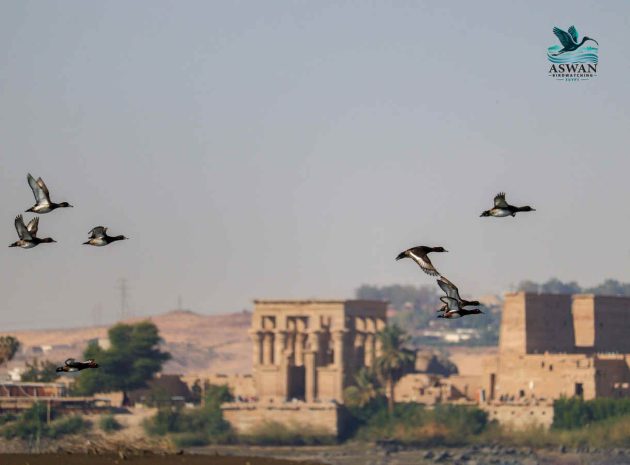
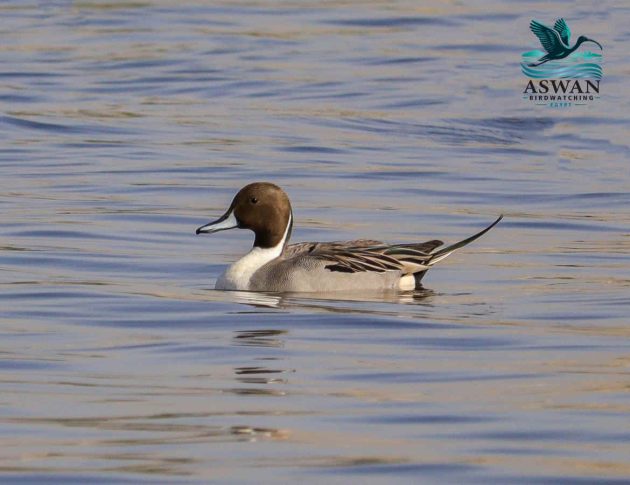
- Philae Lake: The lake around Philae Temple and nearby wetlands provides habitat for ducks, herons, and waders. Tufted Duck, Black-necked Grebe, Northern Pintail, and various shorebirds may be found here in winter.
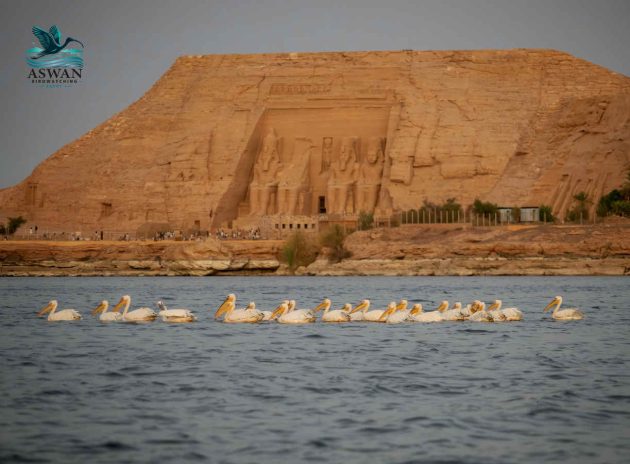
- Lake Nasser & Abu Simbel: Lake Nasser, one of the largest artificial lakes in the world, is a major birding hotspot in the Aswan region and offers a different habitat compared to the Nile within the city. The vast open waters, reedbeds, and shoreline vegetation attract both Palearctic and Afrotropical species.
Near Abu Simbel, birders can observe a stronger African influence. Key species include Reed Cormorant, Village Weaver, African Pied Wagtail, Yellow-billed Stork, Plain Marti,n and Crimson-rumped Waxbill. These species highlight the Afrotropical character of southern Lake Nasser and provide an exciting extension to any birding trip in Aswan.
Abu Simbel
Best Birding Season
The best birding season in Aswan runs from mid-October to mid-March. During this period, temperatures are pleasant, and a large number of migratory and wintering species are present. Autumn migration from October to November can be particularly exciting, while winter months offer stable conditions and good chances to observe specialty species.
Spring and summer can be very hot. In July and August, temperatures often exceed 45 degrees Celsius. Bird activity is reduced during the hottest hours of the day, and birding should be limited to early mornings if visiting outside the main season.
Northern Pintail
Birding Trip Suggestion
For visitors who wish to maximize their experience, customized birding trips led by a local guide are highly recommended. Ismael Khalifa, a professional birder based in Aswan and founder of Aswan Birdwatching, offers tailored birding excursions along the Nile and surrounding habitats. Local knowledge of seasonal movements, specific territories, and access points significantly increases the chances of finding key species and regional specialties. Trips can be designed for beginners, experienced birders, photographers, or visiting researchers.
Little Heron
Practical Tips
- Start early in the morning, especially outside the winter months.
- During migration, checking gardens, hotel grounds, and cultivated areas can be surprisingly productive for passerines.
- Carry sufficient water, sun protection, and light clothing suitable for desert conditions.
- Respect local communities and natural habitats. Avoid disturbing nesting birds.
- If visiting Lake Nasser or Abu Simbel, plan logistics carefully due to long driving distances and limited services in remote areas.
- Hiring a knowledgeable local guide can significantly increase your chances of finding target species and understanding seasonal movements.
- There are no solid rules for bringing binoculars to Egypt. Many international birders brought theirs without any problems, but some other birders have claimed they had troubles with customs authorities, so it’s recommended to bring a cheap pair that you won’t be very sad if confiscated.
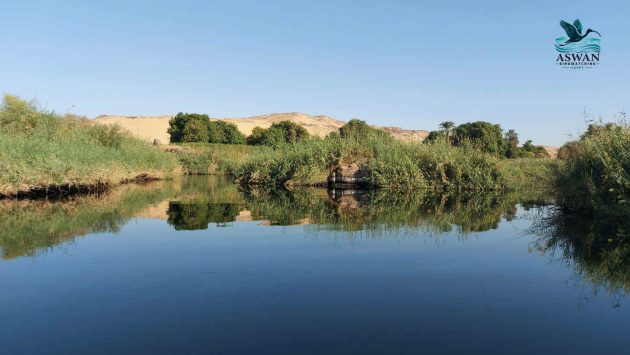
Saluga and Gazal
Books
A highly recommended field guide for the region is the Collins Bird Guide, which covers the Western Palearctic and includes the majority of species recorded in Aswan. It is an essential reference for identification and status.
Links
- https://www.10000birds.com/winter-birding-at-aswan-on-the-nile.htm
- https://www.10000birds.com/bird-guides-of-the-world-ismael-khalifa-egypt.htm
By Ismael Khalifa
Ismael Khalifais a professional Egyptian birder and local birding guide based in Aswan, Egypt. He can be reached at Ismael_khalifa@hotmail.com
Illustration: “Egypt Aswan locator map” by NordNordWest is licensed under CC BY-SA 3.0.





Leave a Comment