

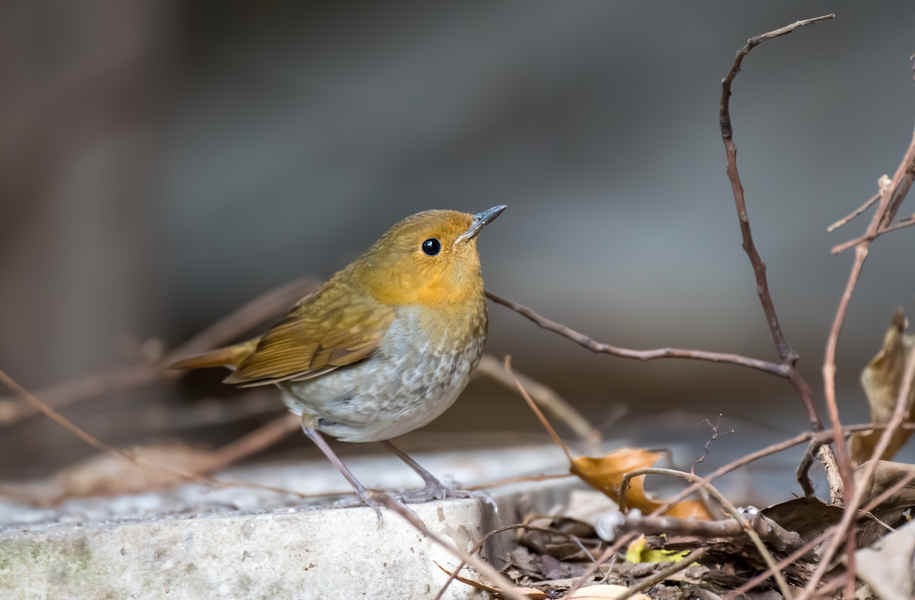
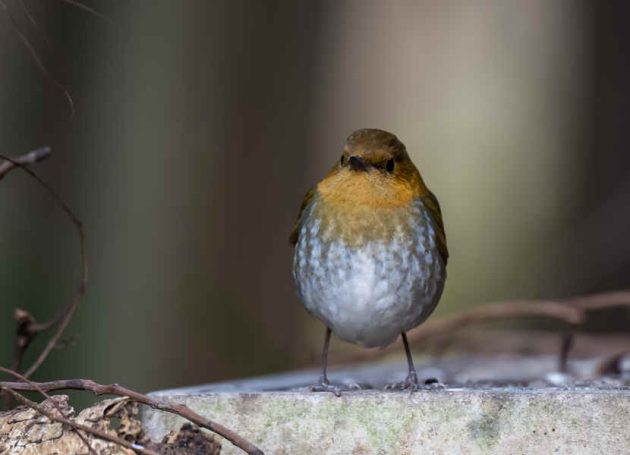
The first interesting bird of 2026 was a female Japanese Robin wintering at Sheshan, a hill doubling as a national park in Shanghai.
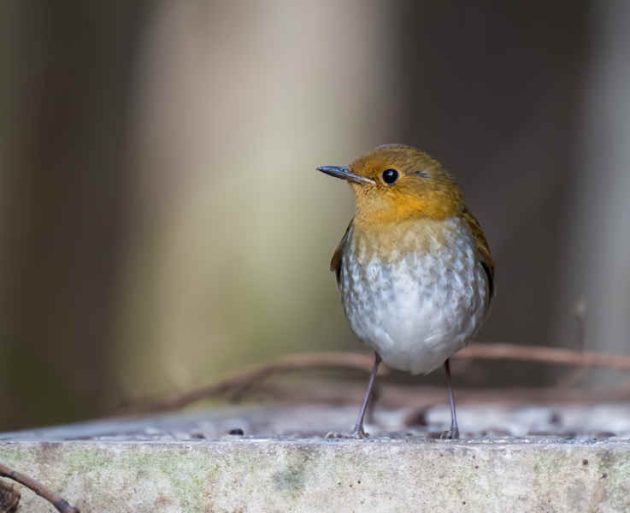
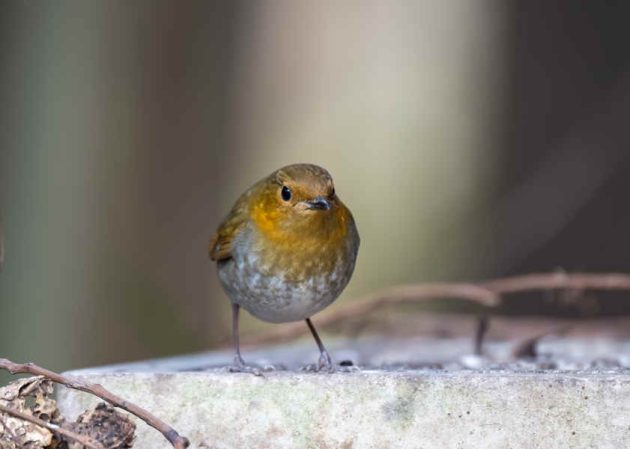
Apparently, the bird comes to drink at an outlet of a toilet slightly uphill.
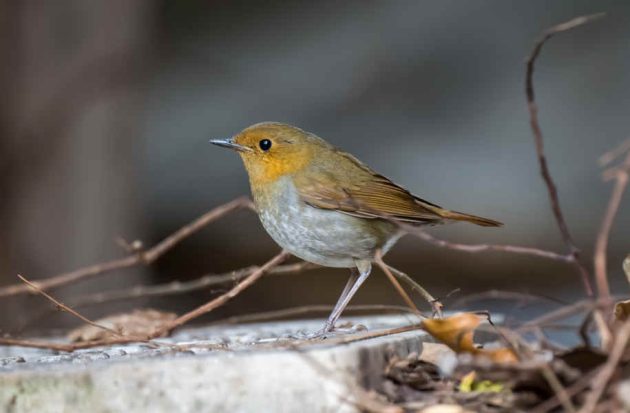
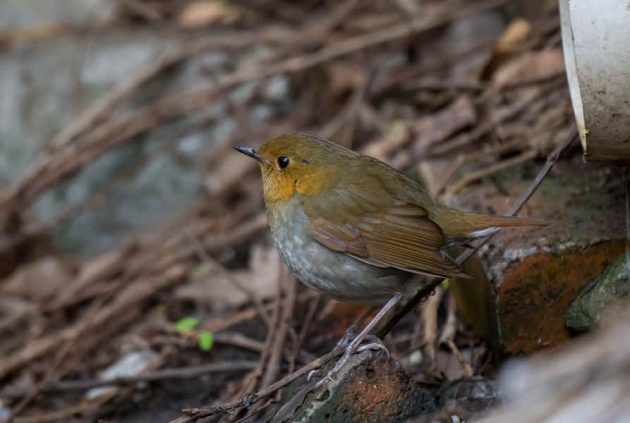
If you are wondering whether this robin is preferable to the European Robin, please take a look at a previous post titled Factors to consider when selecting a robin. Some of the comments on that post show that my sense of humor is not universally accepted.
The same location also attracts two non-native species. There is a flock of Red-billed Leiothrix, which seems to have been stable for several years already and presumably is self-sustaining …
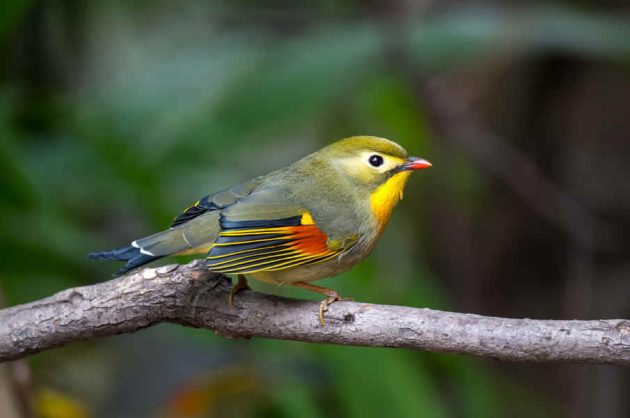
… though it is almost certainly originally derived from escapees.
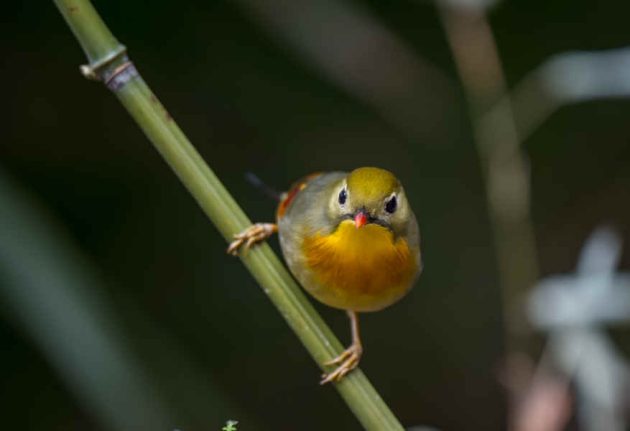
Their presence and persistence is not surprising as the same species is also a successful invasive species in Europe.
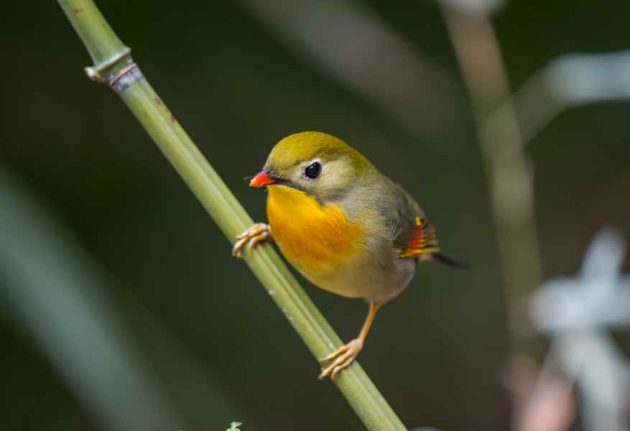
It competes primarily with European Robins and Blackcaps, but seems to have some advantages in its body shape and structure that allow it to search for food more efficiently (source).
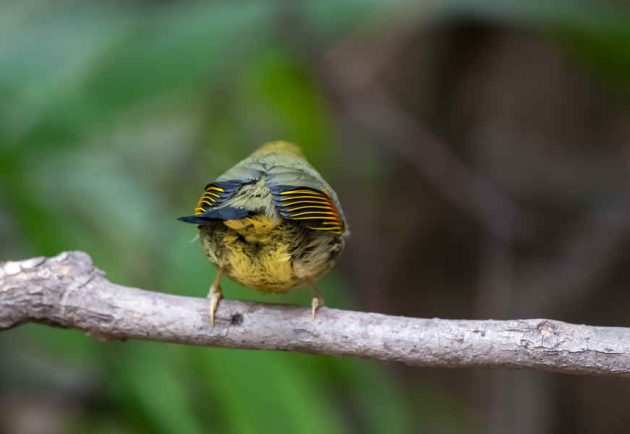
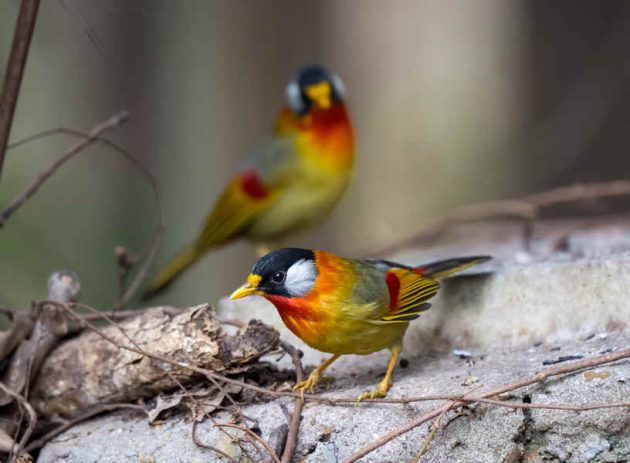
Silver-eared Mesias are in the same genus but seem to be less established there – I only saw two of them.
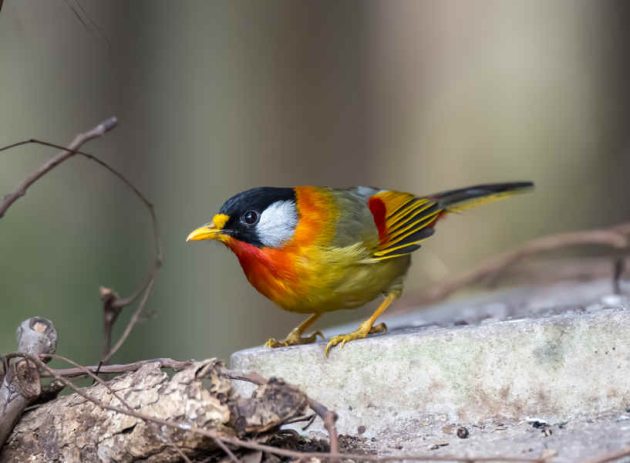
And different from the Leiothrix, eBird lists them as exotics in Shanghai. Still, they are quite beautiful and thus worth showing.
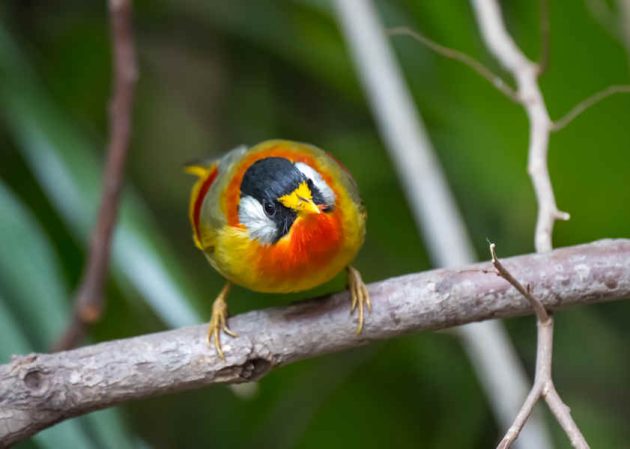
They often form the core of mixed flocks in peninsular Malaysia (source).
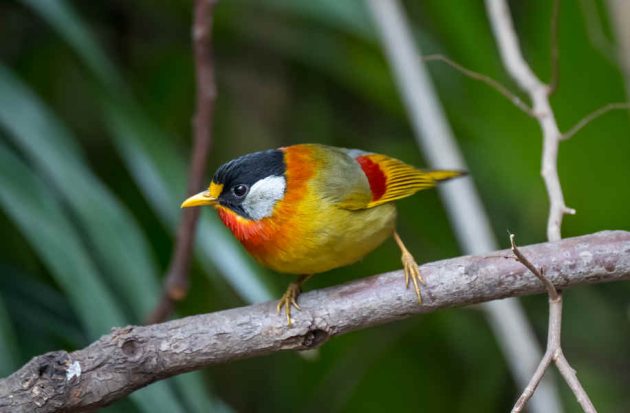
Presumably, Silver-eared Mesias rather dislike Large Hawk-cuckoos. One paper reports on a Large Hawk-cuckoo ejecting three 10-day-old Silver-eared Mesia chicks from their nest. This supports the “Farming Hypothesis”: When suitable nests are limited, the cuckoo creates new opportunities by forcing host species to start renesting. Not the nicest behaviour, but all in a day’s work for evolution.
Another uncommon bird was a Verditer Flycatcher in the Shanghai Botanical Garden.
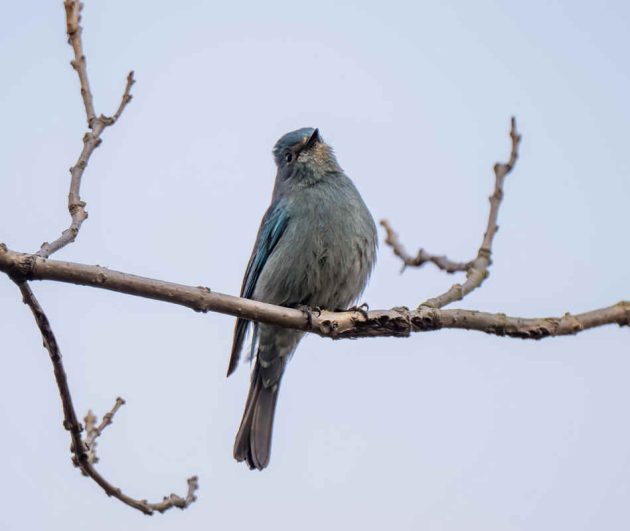
Apparently, Verditer Flycatchers like to build their nests in houses – but not because of the presence of humans, but because of the houses themselves.
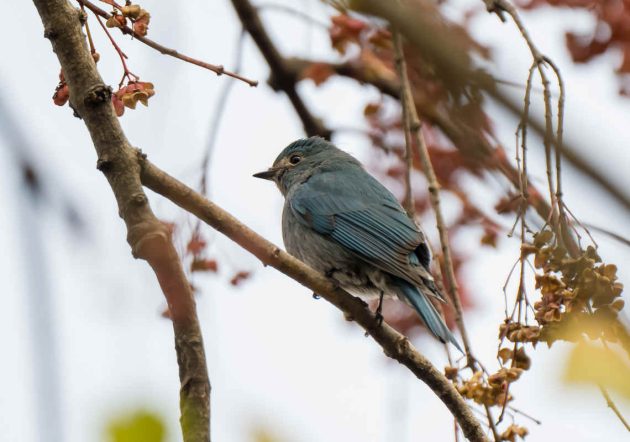
This is in contrast to Daurian Redstarts, which prefer houses with humans (rather than just the houses on their own), presumably because humans deter some predators.
Fortunately for Shanghai birders, Common Kingfishers are indeed fairly common in Shanghai. The one shown in these photos lives just a few hundred meters away from my apartment in a very small urban park.

The rabbit holes of the internet: a search for the Common Kingfisher brought me to a scientific paper titled “The significance of feathers in early and medieval China”, with sentences such as “feathers were a common item of clothing in early and medieval China, used to confer status, to flaunt wealth, to embellish rituals”. Not much about the actual kingfisher, though.

Unsurprisingly, a search for Asian Tit leads to entirely different directions. It seems minors cannot be trusted with too much information on this species.
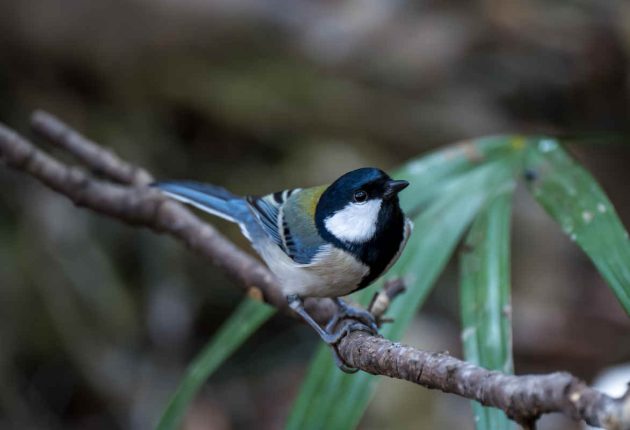
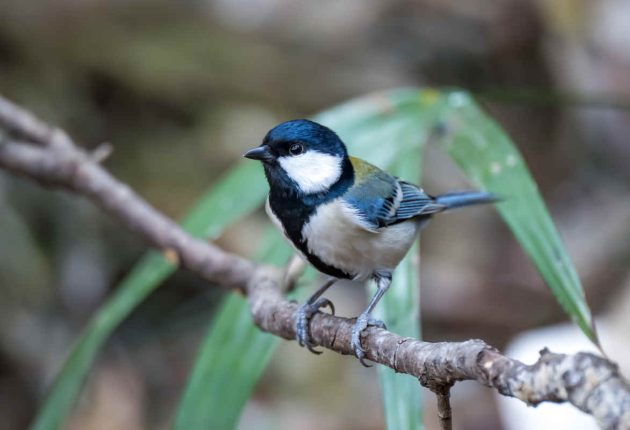
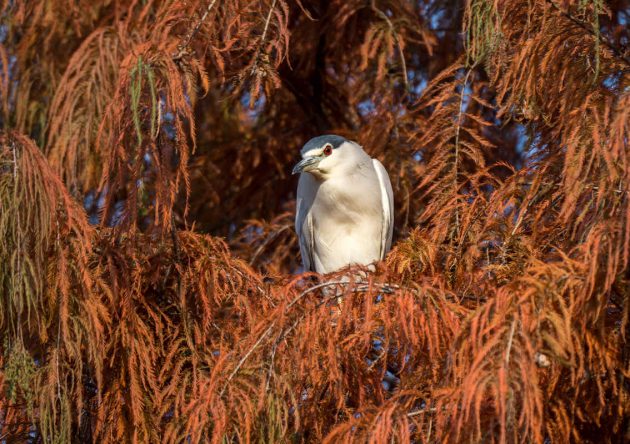
I am very fond of Black-crowned Night Herons – they are definitely among my top 10 favorite species, and at the same time, very common even in urban Shanghai.
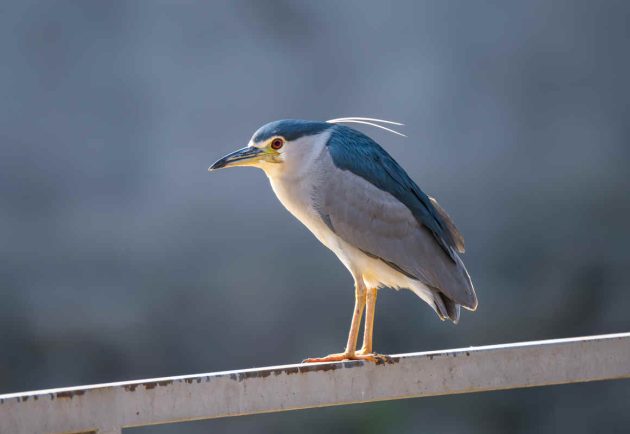
Common Terns have a very different opinion, as nocturnal predation by the herons is a major cause of their nest failure. One way to reduce this is artificial light – in an experimental area with sixteen low-intensity solar garden lights, night herons were detected six times less frequently than in the unlit area (source).
I just realized that I have not provided any of my widely ignored music tips recently. To rectify this, here is a link to the most recent album of my current most-listened-to band, “Hallelujah The Hills”. Unfortunately, they have not written any bird-related songs, so there is not much point in my asking them for a guest post. A few favorite songs: “Here goes nothing”, “Joke’s on you”, “Burn this Atlas down”.
I can promise you that their music is much more interesting than the color of the Pale Thrush. How is that for an awkward link?
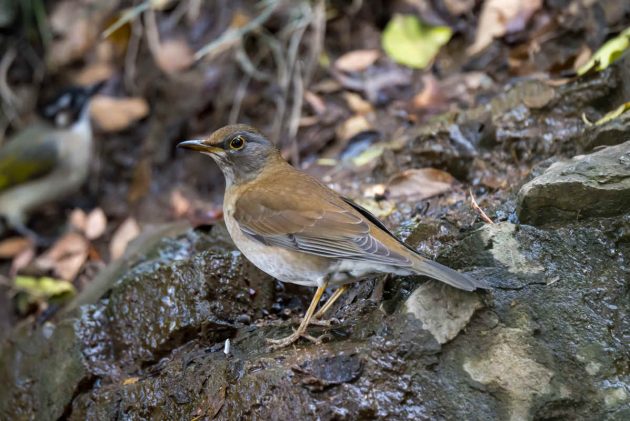
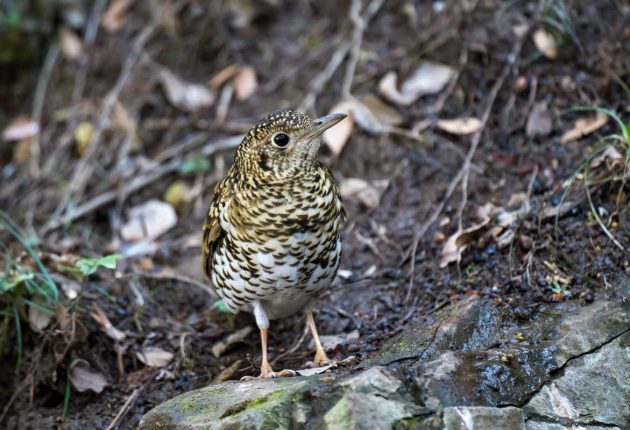
Not more colorful but more interesting: White’s Thrush.
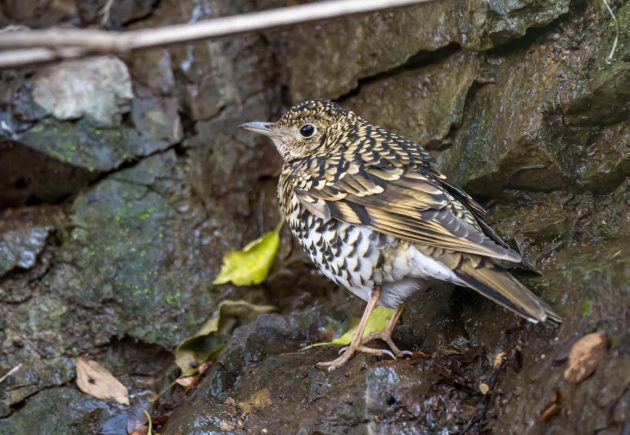
And a few more repeat customers in Shanghai:
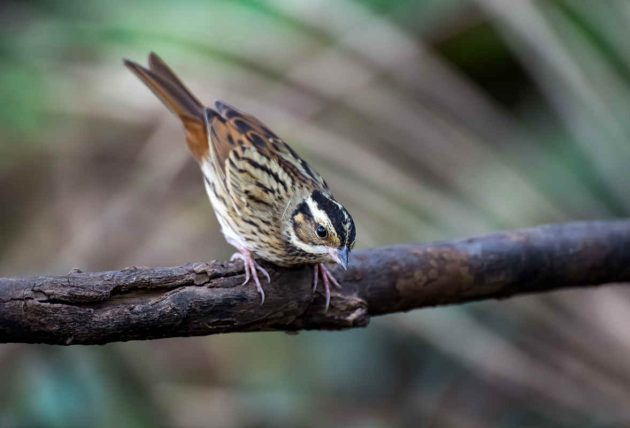
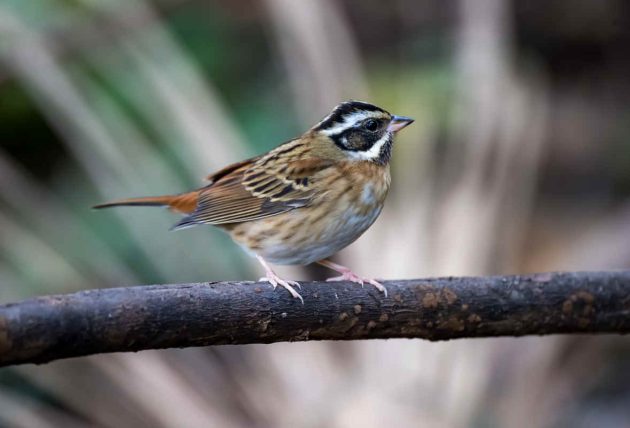
Tristram’s Bunting
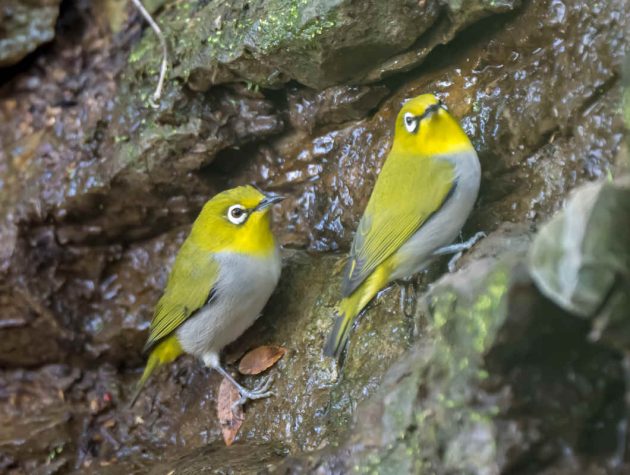
Swinhoe’s White-eye
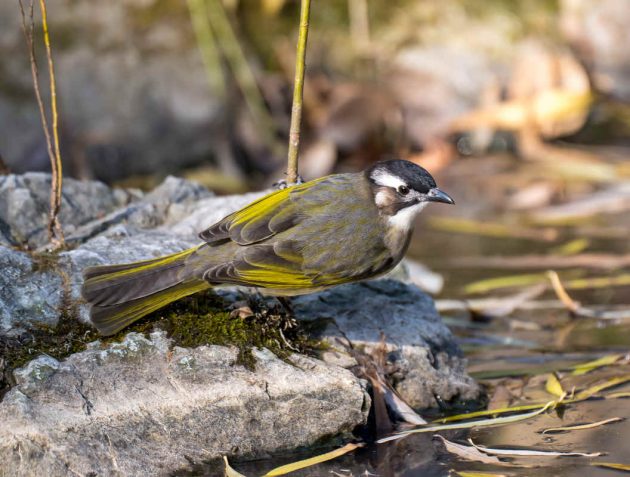
Light-vented Bulbul
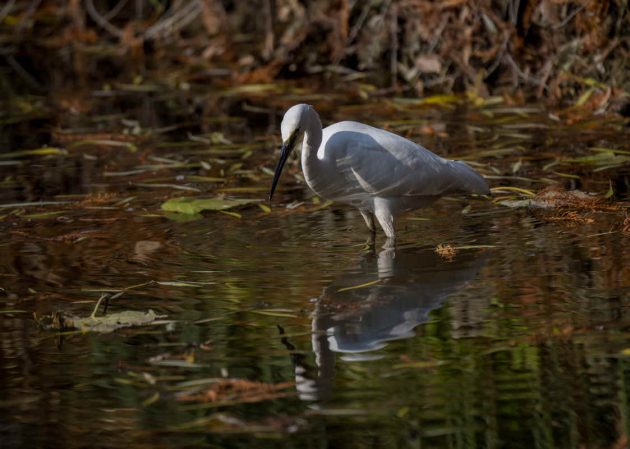
Little Egrets were found to be an indicator for environmental contamination by microplastics on Hainan Island…
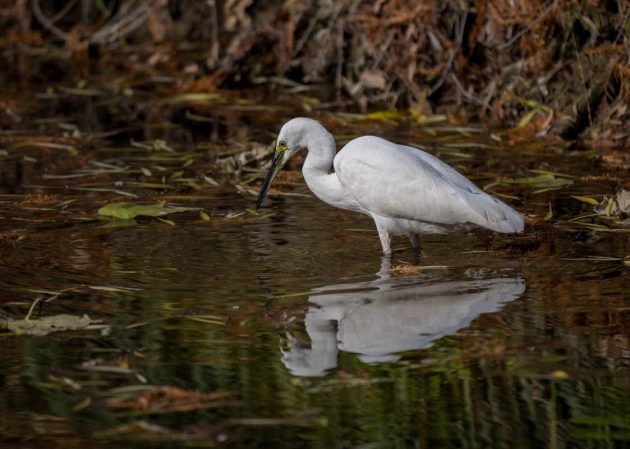
… as well as for contamination by heavy metals, which lowers the breeding success of the birds (source). It would be almost surprising if the Shanghai birds do not suffer similarly.
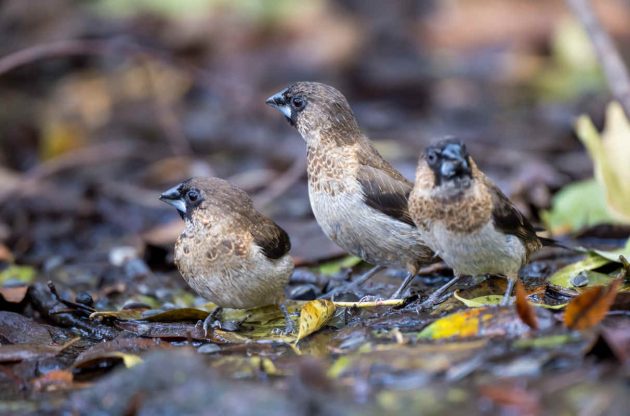
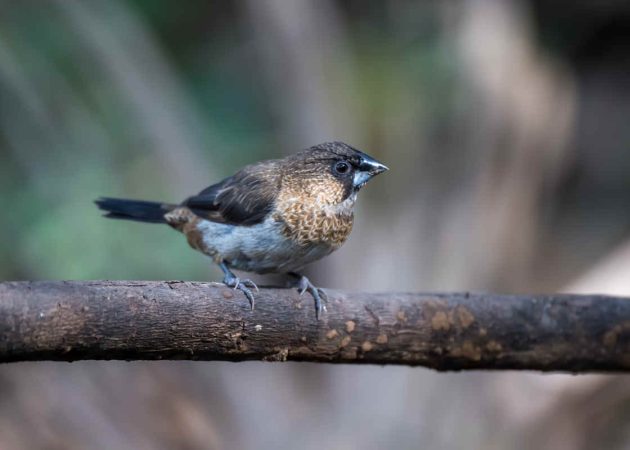
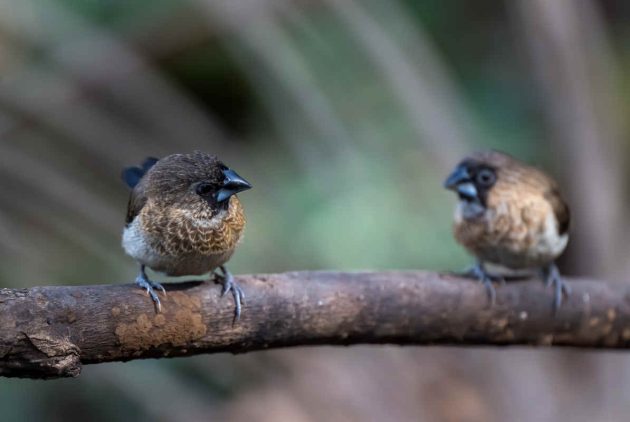
White-rumped Munia
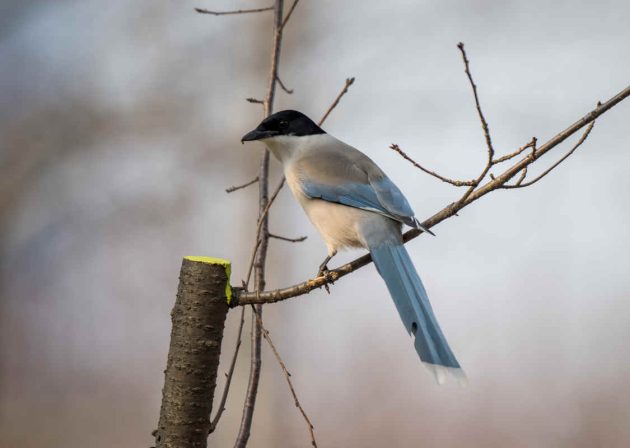
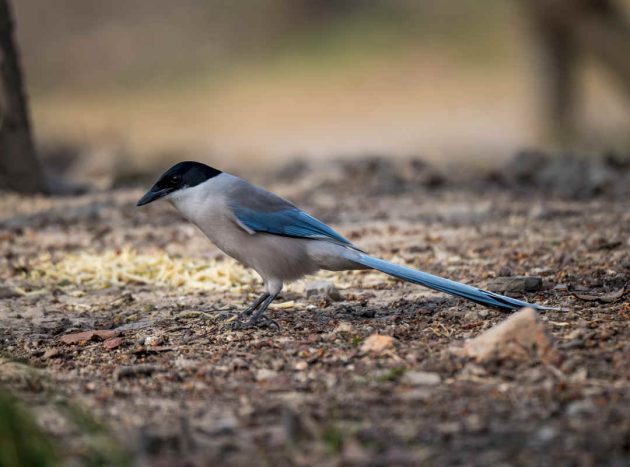
Azure-winged Magpie
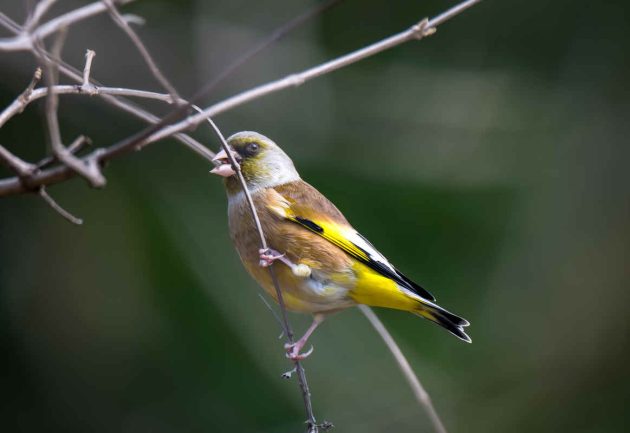
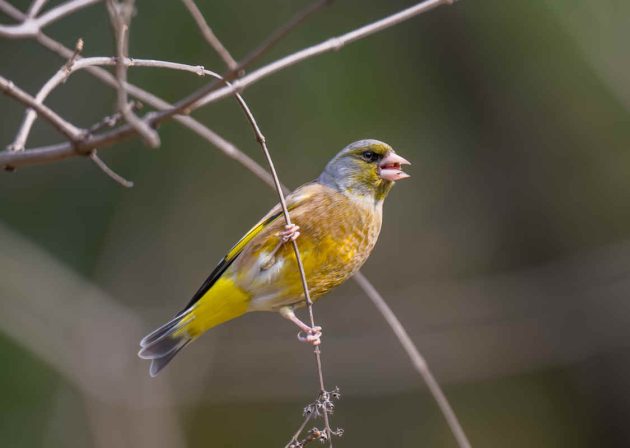
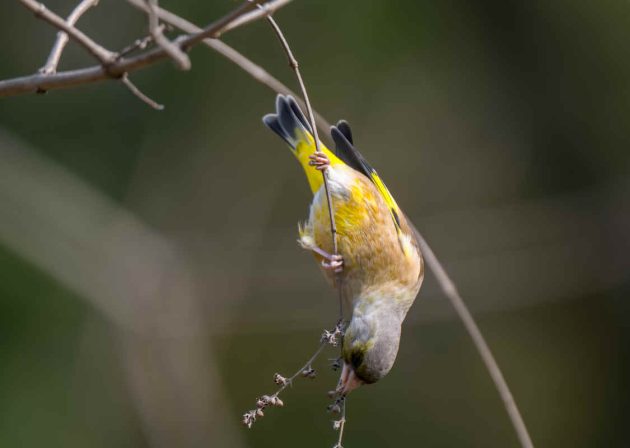
Oriental Greenfinch
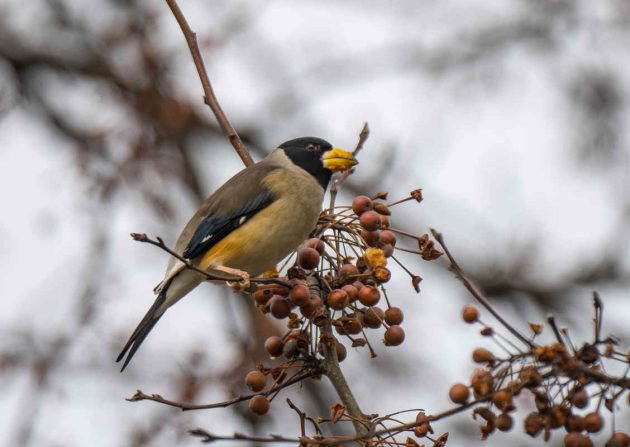
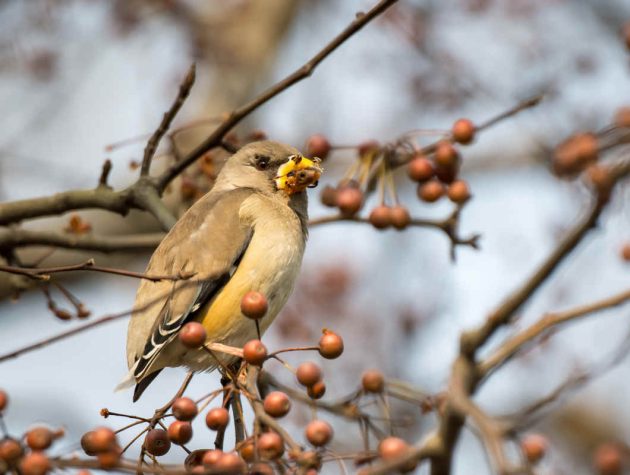
Chinese Grosbeak
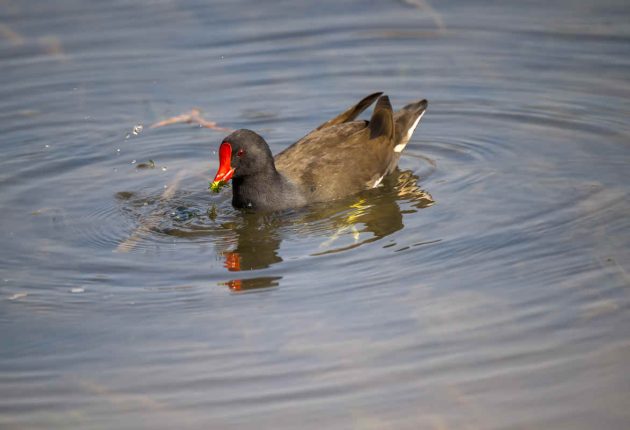
Common Moorhens seem to have higher requirements regarding water quality than Common Coots and wild ducks, at least according to a study conducted in Belgium.
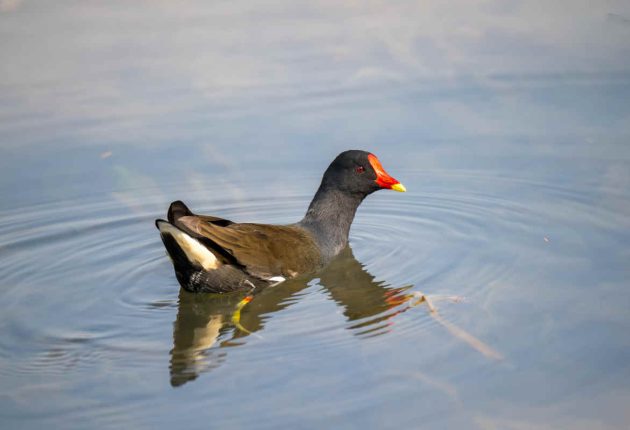
But Common Moorhens in urban environments are highly exposed to microplastics – much higher than those birds in non-urban freshwater environment (source).
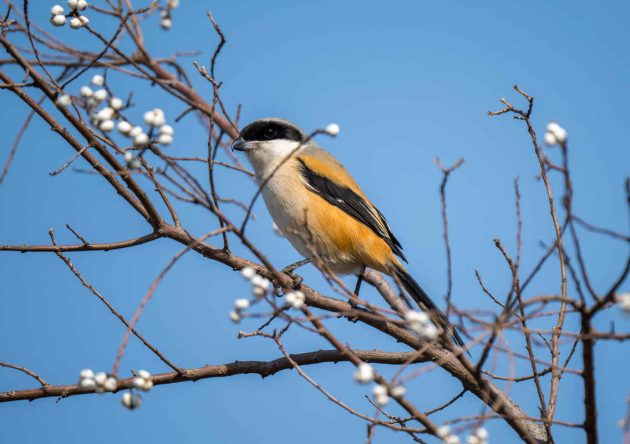
Long-tailed Shrikes – which in Indonesia apparently are also called cendet – are the topic of an article in an unlikely journal, the International Journal of Computer Science and Information Technology. Apparently, caged birds may stop singing – thus, the authors developed an Internet of things based bird chirping trainer. Seems kind of sad to me though. Better to see and hear them in the wild.
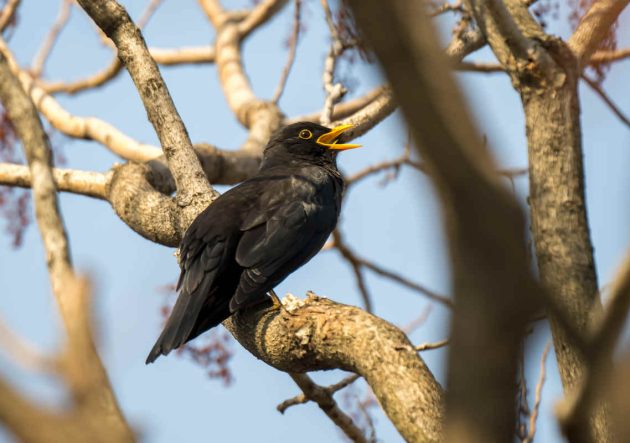
Chinese Blackbirds are among the first birds to start breeding in Shanghai, so, in January, they are already singing very actively.
Oriental Magpies look similar to the Eurasian ones, but apparently (HBW) have a relatively shorter tail and greener gloss on secondaries.
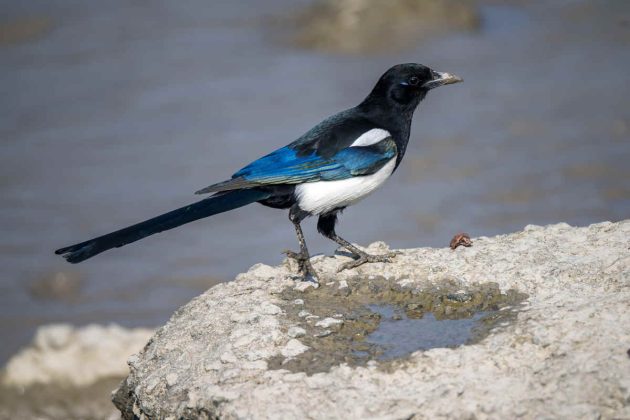
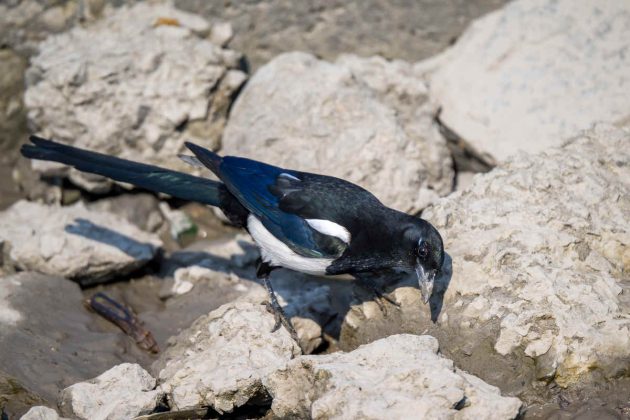
Within the species, there are intra-specific wing shape variations: in particular, the adult females have wings with backward-shifted wingtips (source). The authors think that such backward-shifted wingtips are more important for adult females due to their increased body weight and backward-shifted center of gravity due to their heavy reproductive organs. Evolution doing its day job.
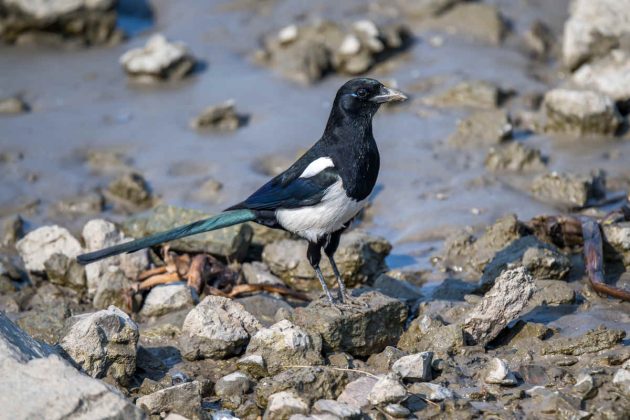
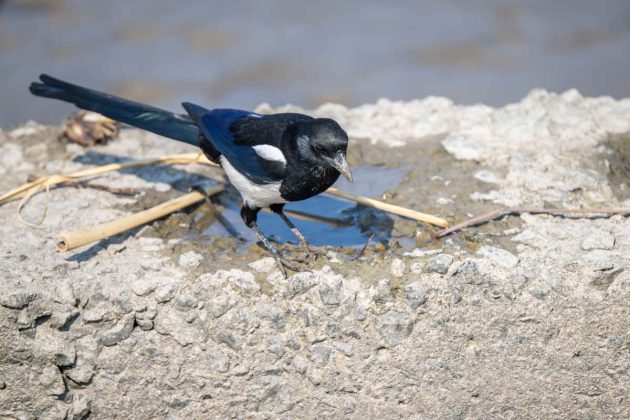
And that was January 2026 in Shanghai for me. Sorry to disappoint you.









Great post – seeing some familiar birds and then realise they’re different from “my” birds here on the other side of the Eurasian continent. The re-read of the Robin post was hilarious, especially now with the comments included 😉
As usual, fascinating post, especially as it prompted me to look up the difference between the Chinese Blackbird and the familiar Blackbird we have here in Europe. In Volume 10 of HBW, the former is still listed as a subspecies (mandarinus) of the latter, but AviList gives them both specific status. When I first went to India the Indian Blackbird (simillimus) was lumped with the European Blackbird, but was recognised as a full species well before its Chinese cousin. Here in England one of the most beautiful indications of the changing year is hearing the first Blackbird sing on a February evening. It’s a sound I should hear in the next few days. I love it.