

Of the three national parks in Sri Lanka that I visited and which required a jeep “safari”, I think I liked Udawala best. Why? Great birds – more interesting than the ones at Bundala, where the focus is on shorebirds – and much less crowded than Yala.
(And yes, in this context, I find the term “safari” slightly cringeworthy – you get picked up from your hotel, climb on a jeep, and basically do not leave that seat anymore – it takes a lot of imagination to do this and picture yourself as a daring explorer. But I digress)
This is the last post I am writing about my Sri Lanka trip in March 2025. That does not necessarily mean it will be the last one published (I have a slightly random system for scheduling posts), but it means I do not have that much new to say about some of the birds described here.
But what I can say is that Udawala is a colorful place. It has
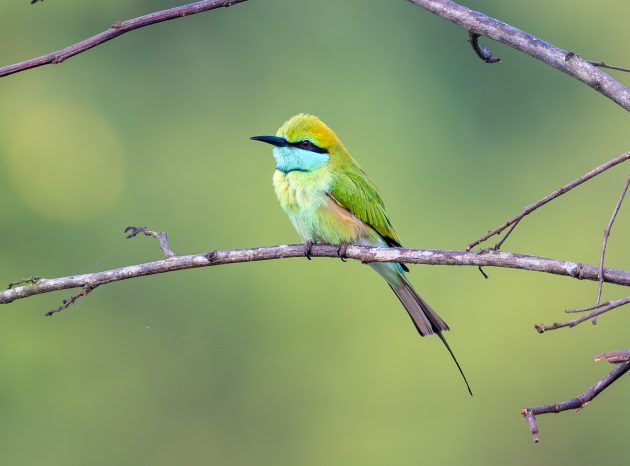
Green (Asian Green Bee-eater)
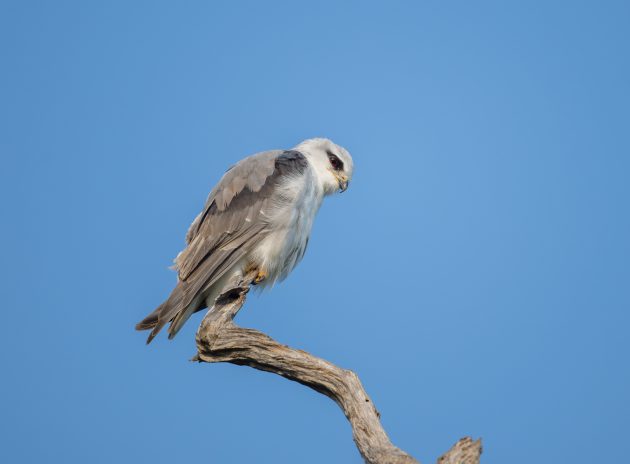
Black (Black-winged Kite)
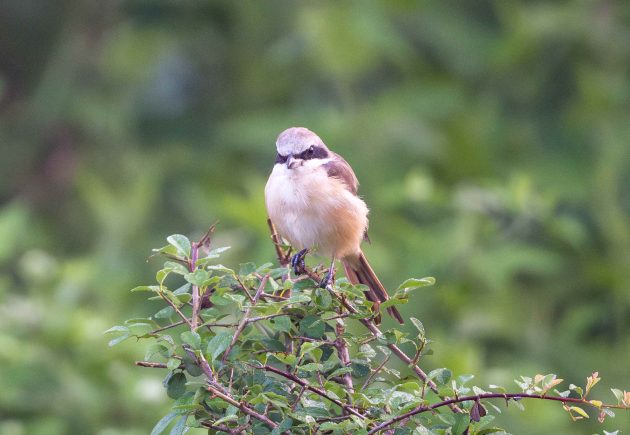
Brown (Brown Shrike)
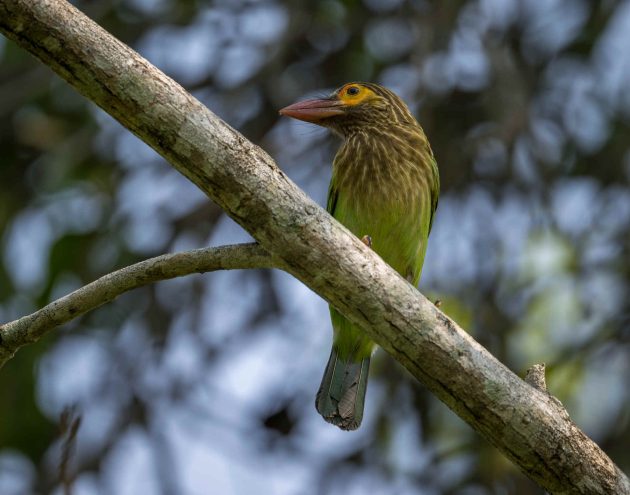
Brown again (Brown-headed Barbet)
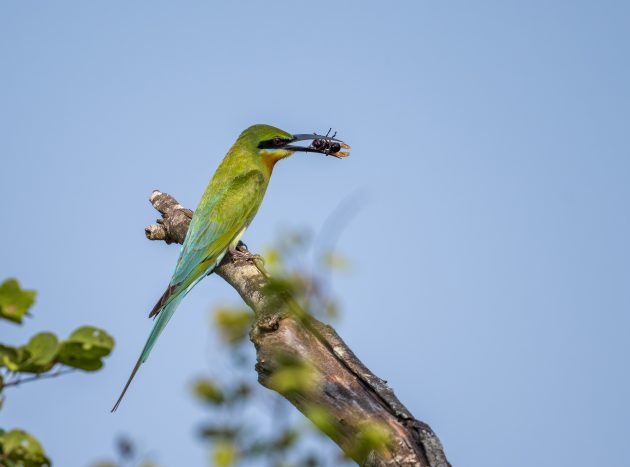
Blue (Blue-tailed Bee-eater)
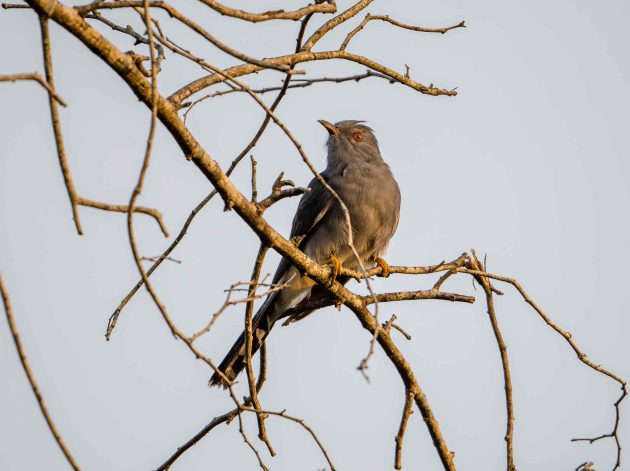
Grey (Grey-bellied Cuckoo)
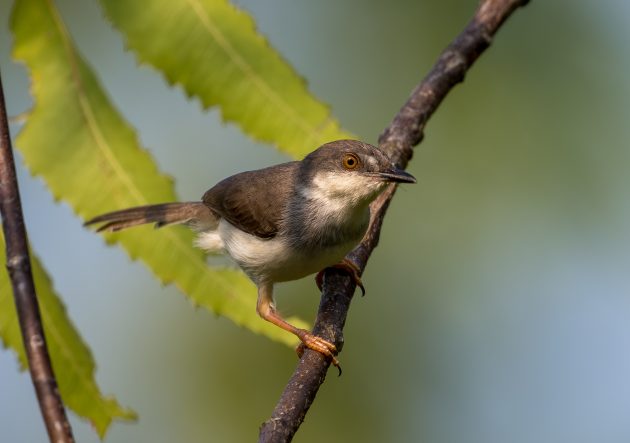
Grey again (Grey-breasted Prinia)
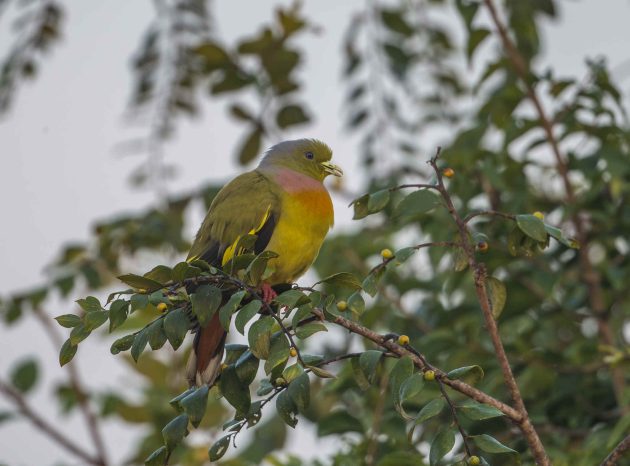
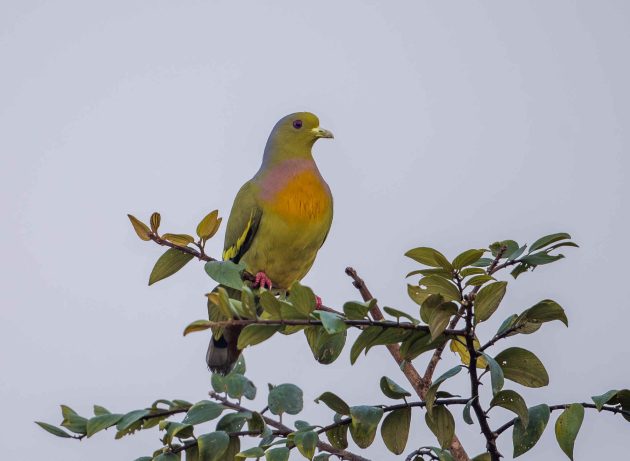
Orange (Orange-breasted Green Pigeon)
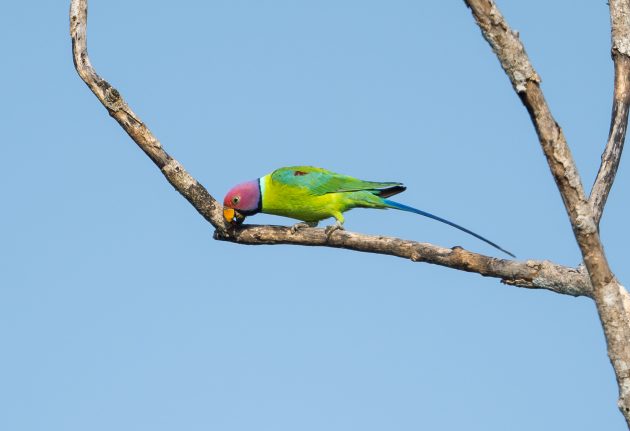
Plum (Plum-headed Parakeet)
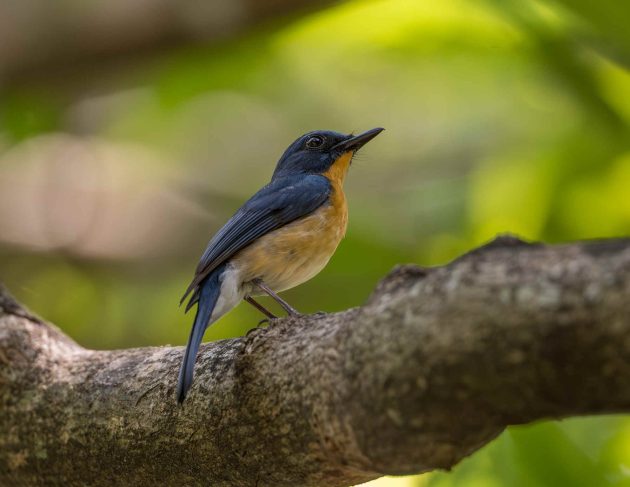
Blue again (Tickell’s Blue Flycatcher)
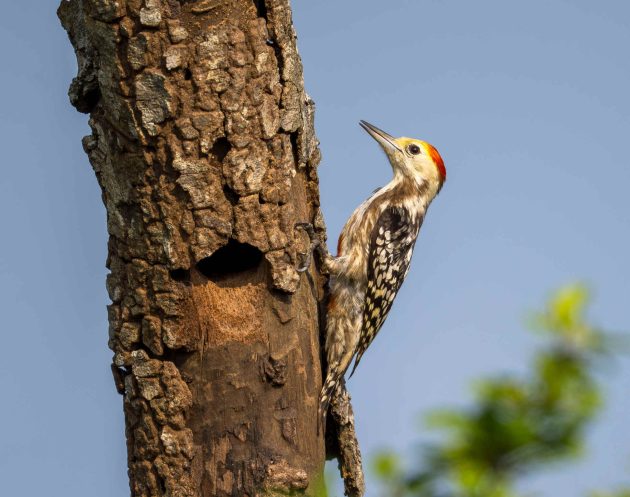
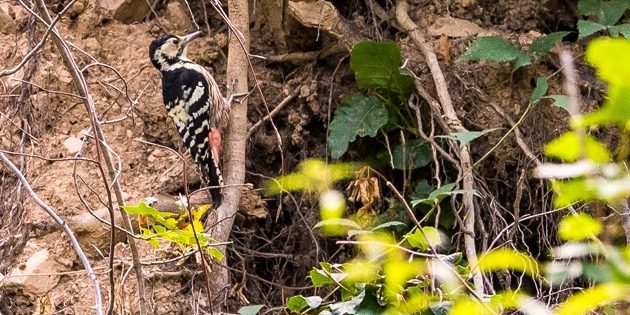
Yellow (Yellow-crowned Woodpecker)
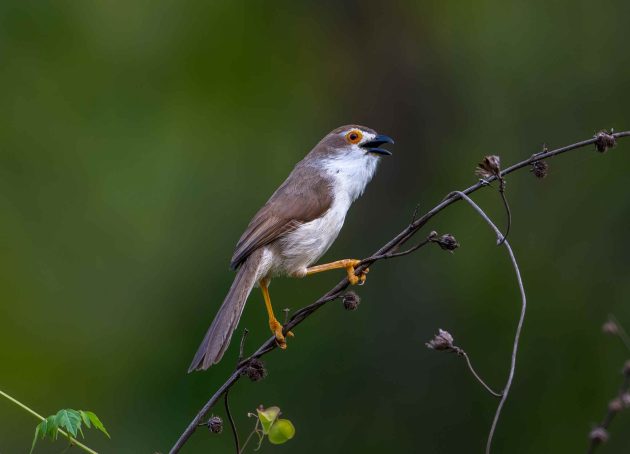
More yellow (Yellow-eyed Babbler)
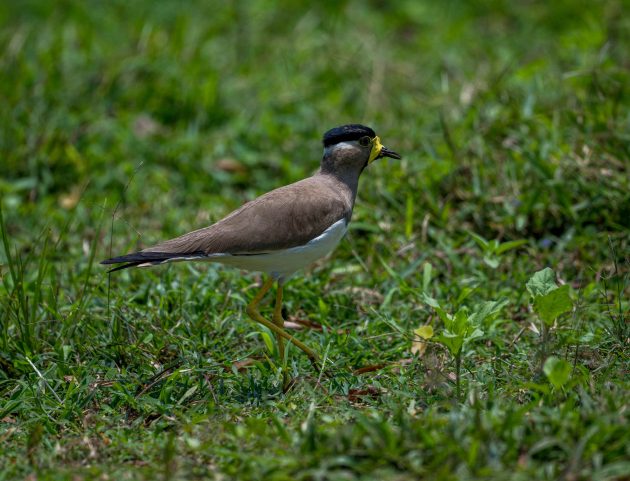
Even more yellow (Yellow-wattled Lapwing)
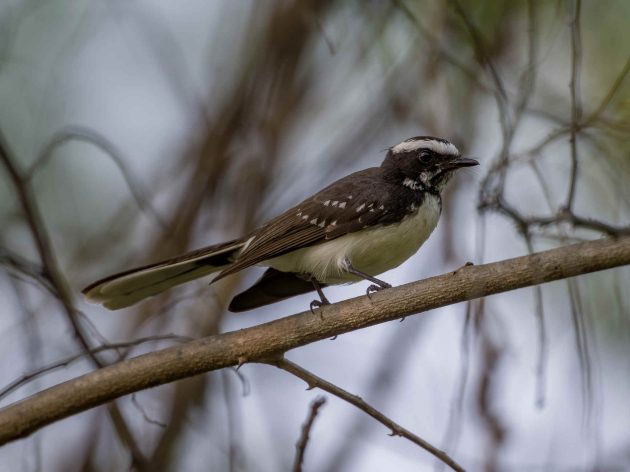
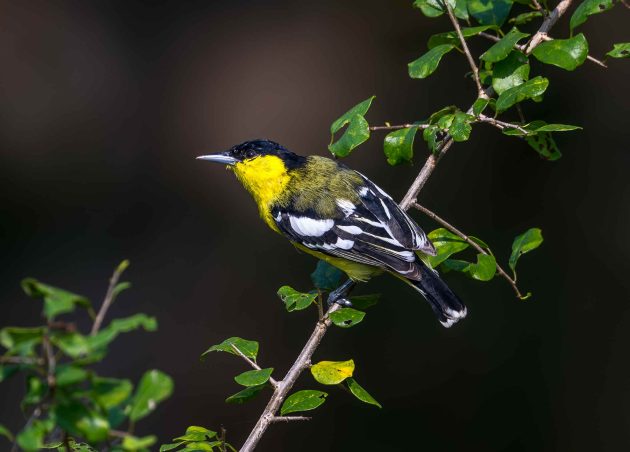
And finally white (White-browed Fantail)
And more white (White-tailed Iora)
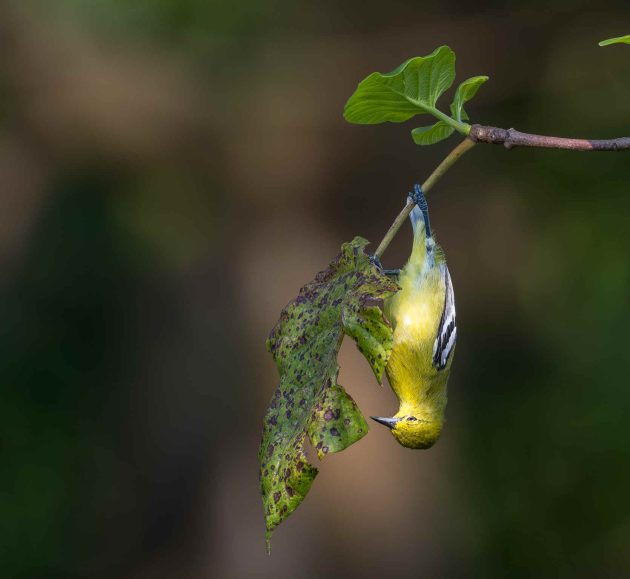
(which is incidentally also the name of one of my cats, “Morewhite”, don’t ask …)
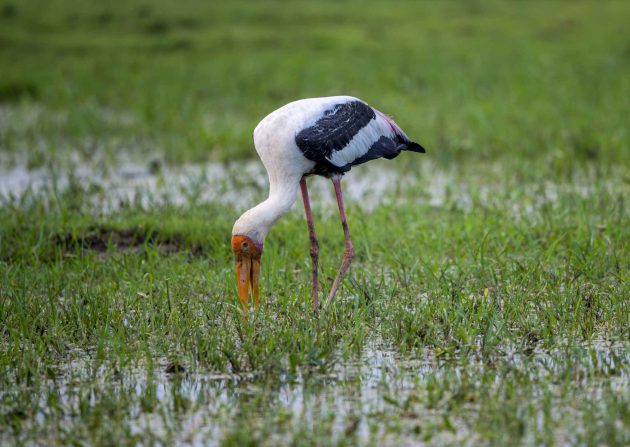
And finally, the Painted Stork (I know, not a color, but in a way, it is).
With all these colors already covered, one might think the remaining species should all look very dull and colorless. Far from it. Many of them just do not wear their colors on their sleeves, or make it part of their names.
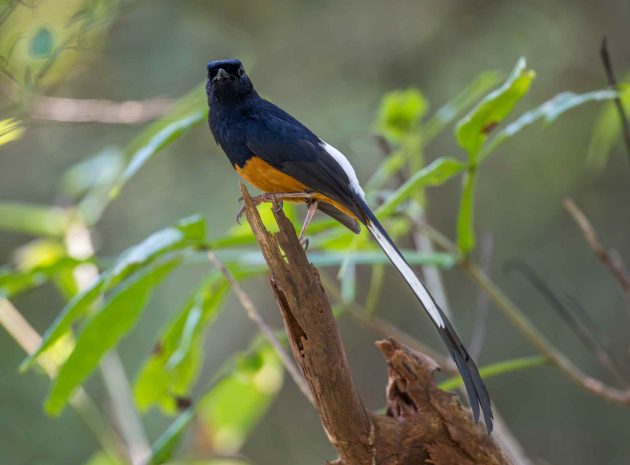
Take the Sri Lanka Shama.
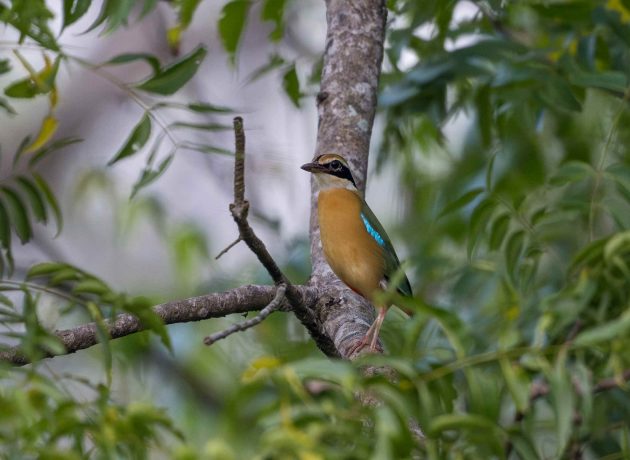
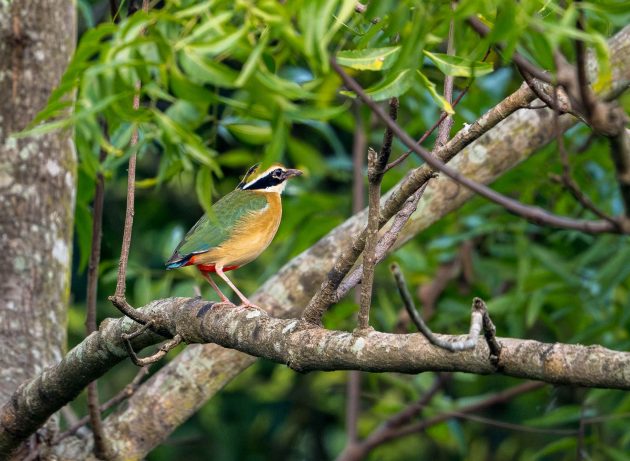
Or the Indian Pitta.
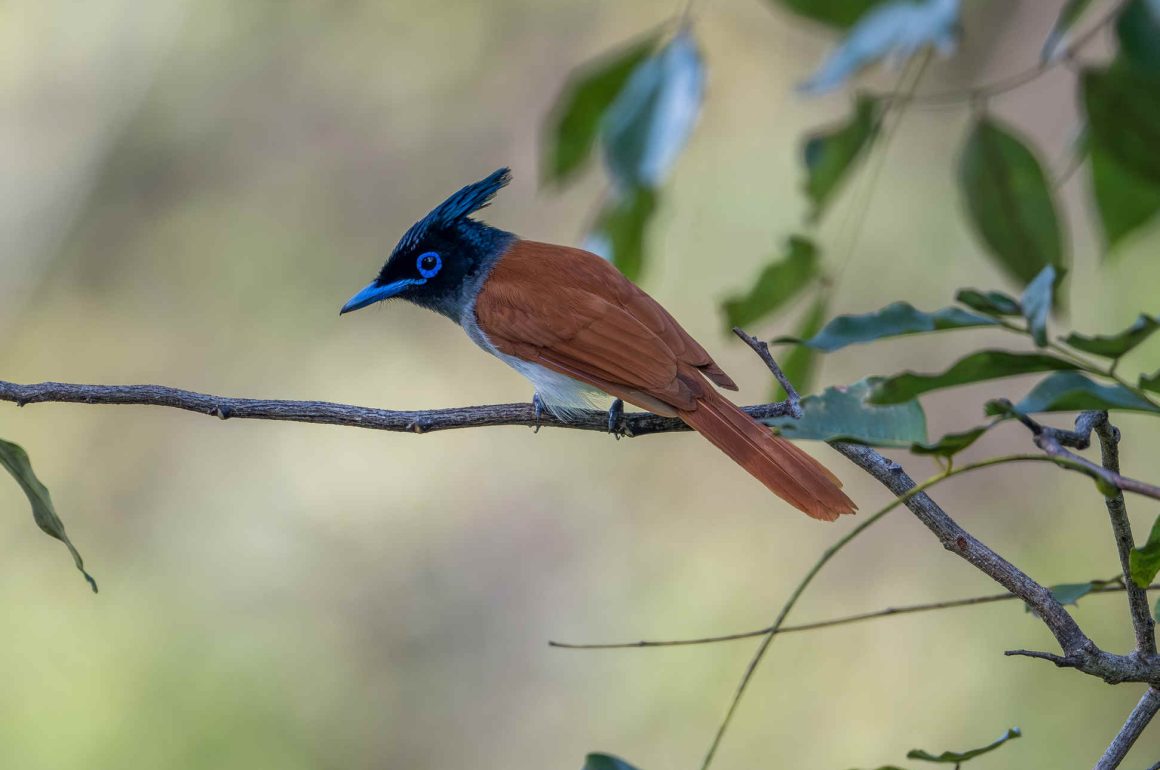
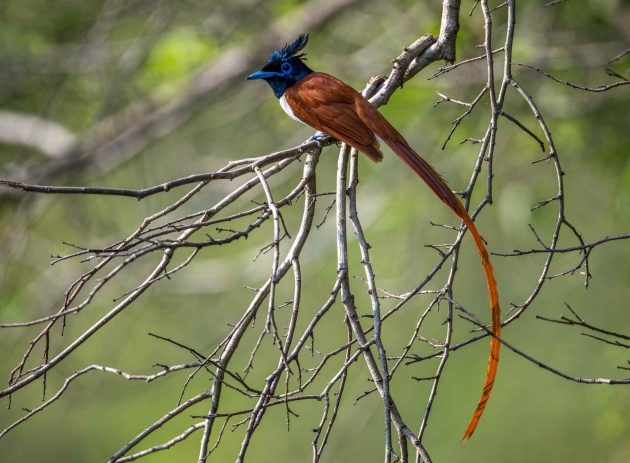
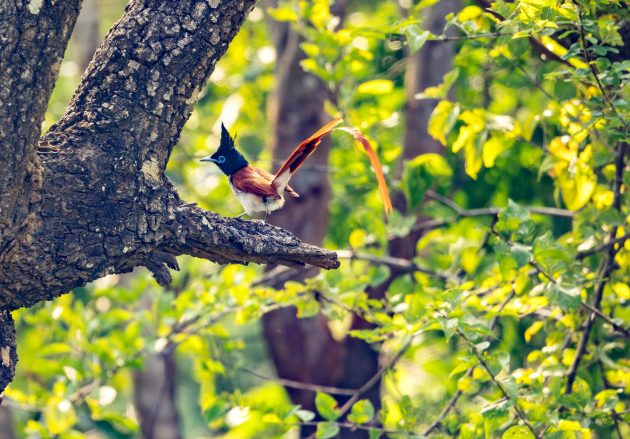
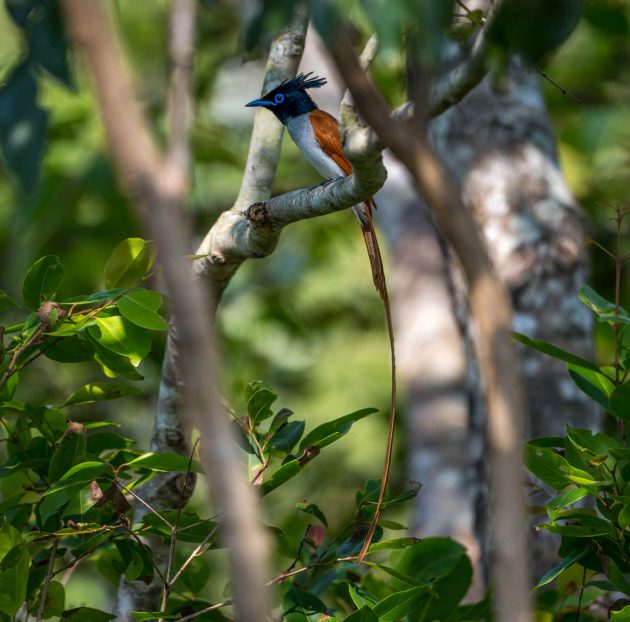
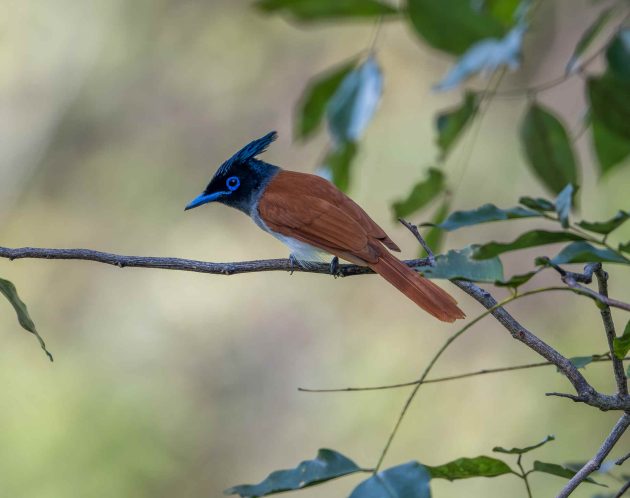
Or the Indian Paradise Flycatcher.
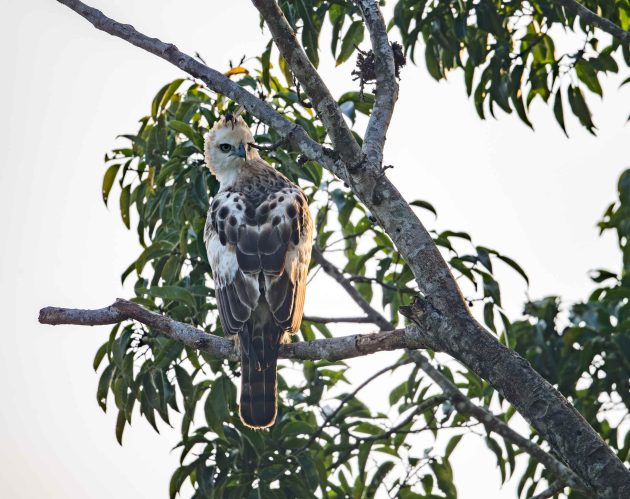
Sri Lanka is generally quite a good place to get photos of raptors resting rather than in flight. Udawala is no exception. Apart from the kite shown above, it also had Changeable Hawk-eagle …
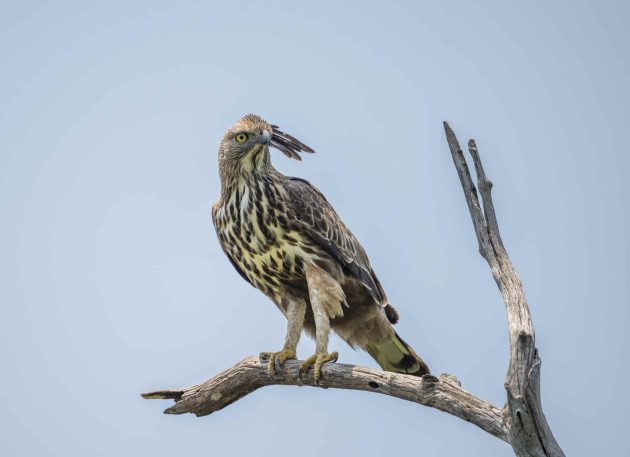
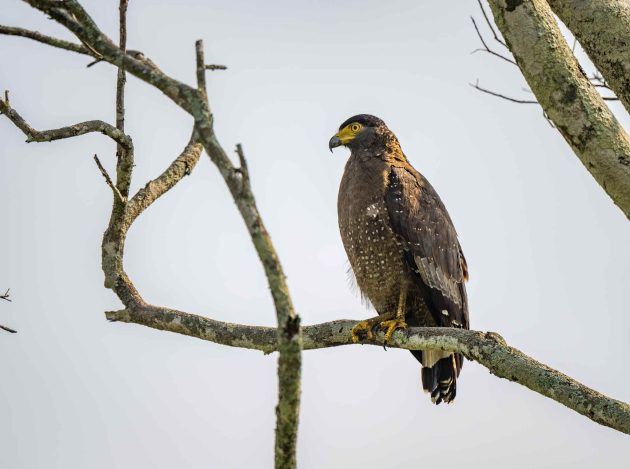
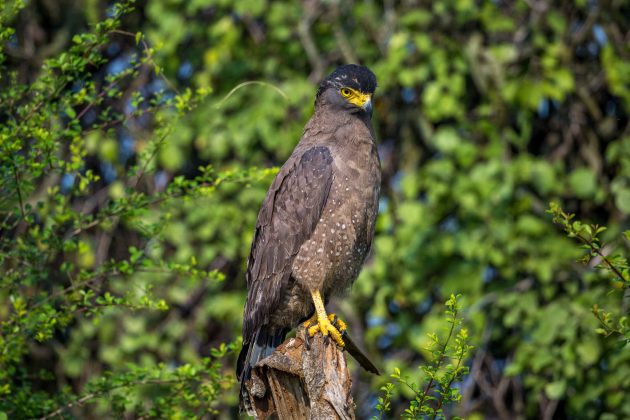
… and Crested Serpent-eagle.
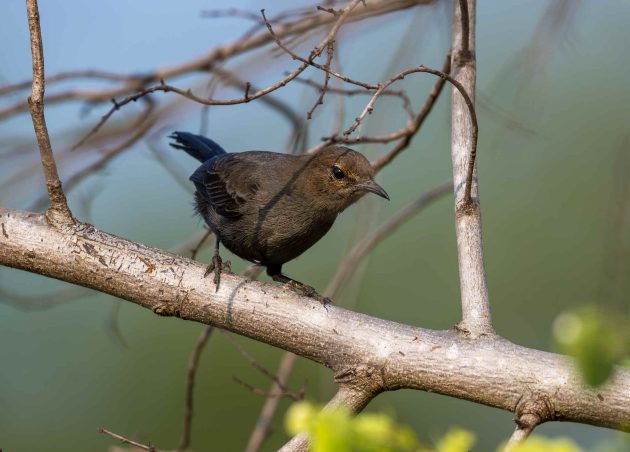
A paper in the Journal of Entomology and Zoology Studies praises the Indian Robin in a slightly comical way: “By feeding on insects, the bird favors the mankind to overcome health hazards in a positive manner.”
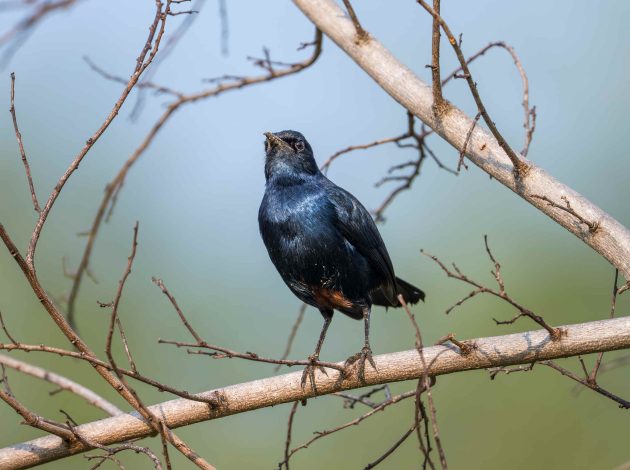
Male above, female below.
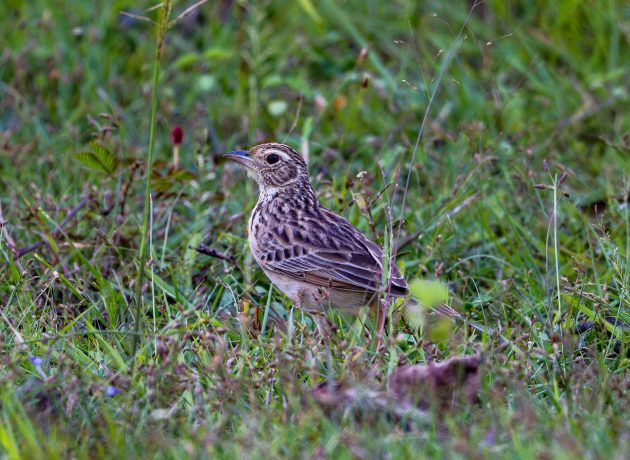
Daytime in the Udawala area belongs to Jerdon’s Bushlark …
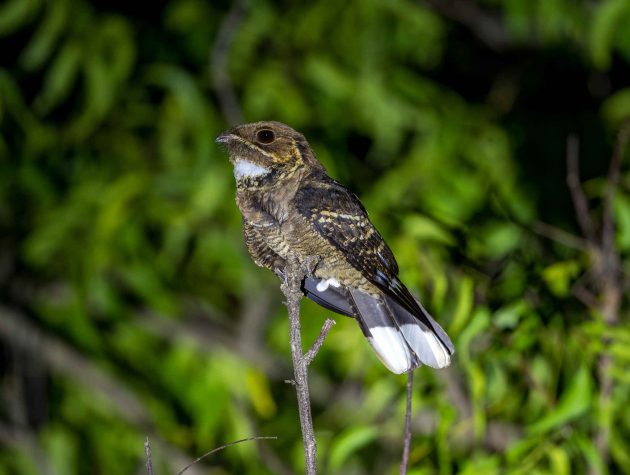
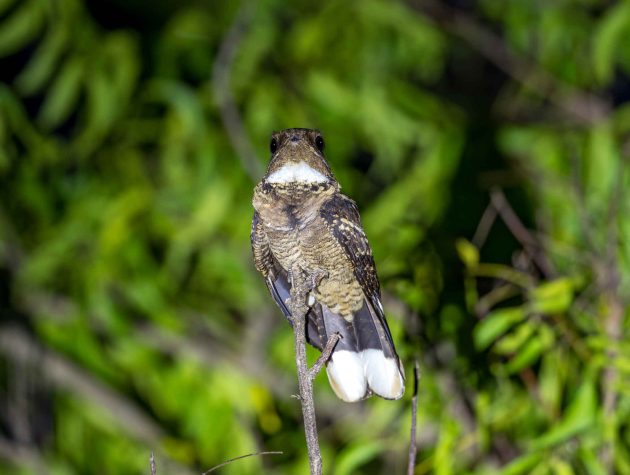
… but nightime is for Jerdon’s Nightjar.
The Sirkeer Malkoha is arguably the least interesting-looking of the three malkohas of Sri Lanka – but given the high standards of the family, it is still very well worth seeing.
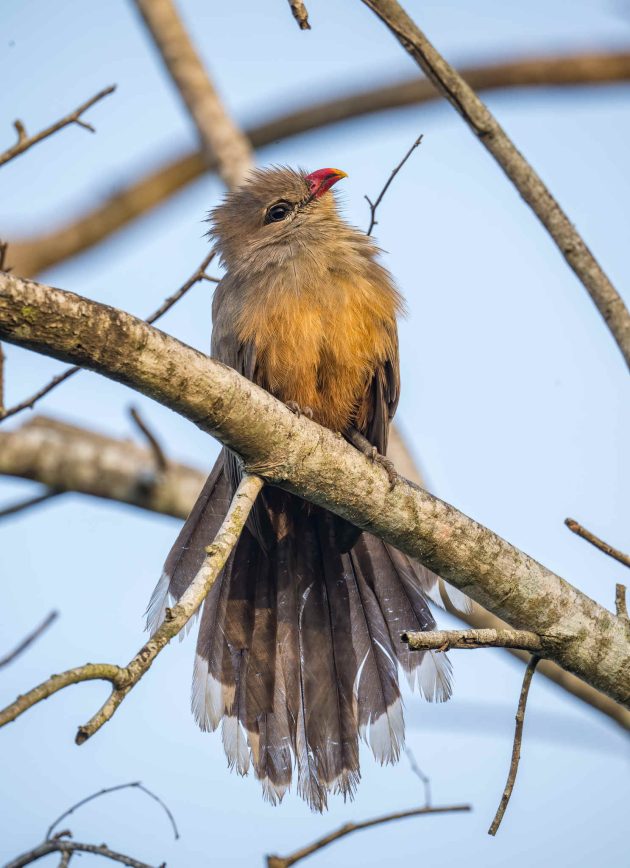
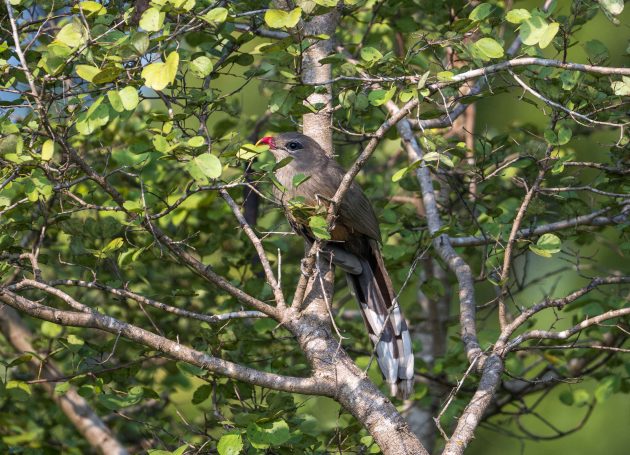
Apparently, Sirkeer is Gujerati for the Sirkeer Malkoha, depriving me of the opportunity to delve into the life story of some long-deceased naturalist.
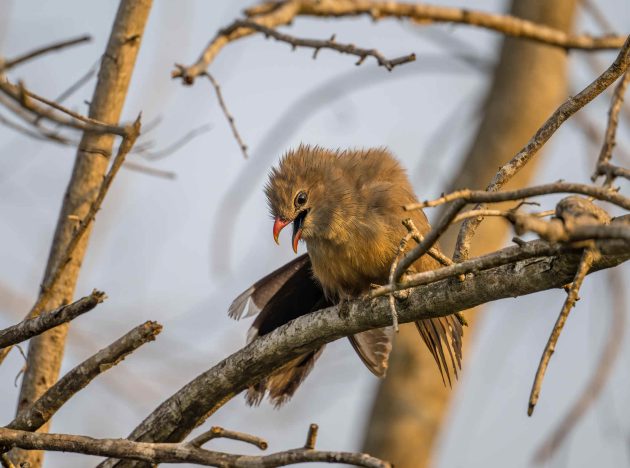
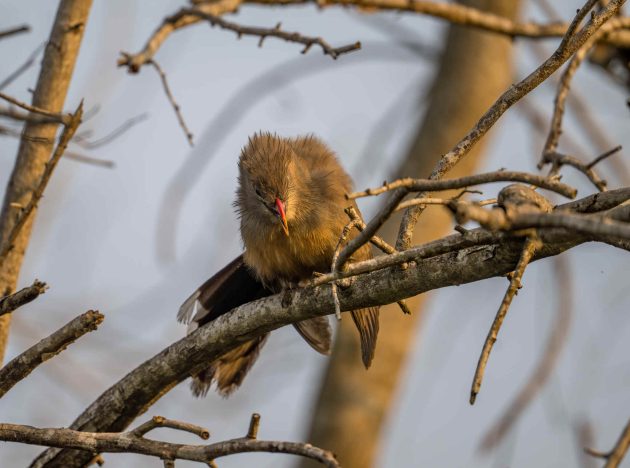
Like the malkoha, the Greater Coucal is a member of the cuckoo family, and like the malkoha, it is not a brood parasite.
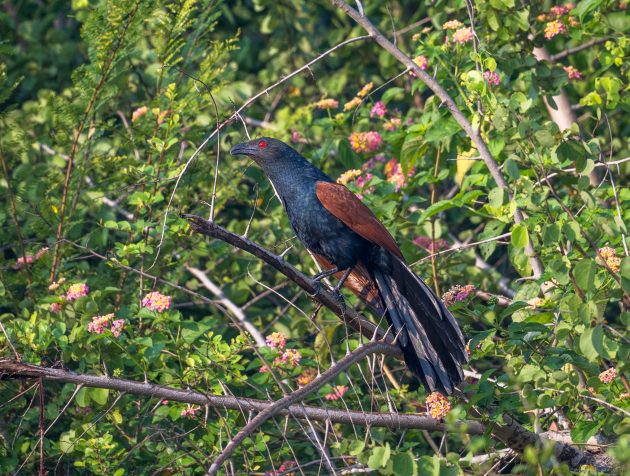
Which distinguishes the coucal not only from the Grey-bellied Cuckoo shown above, but also from the Asian Koel.
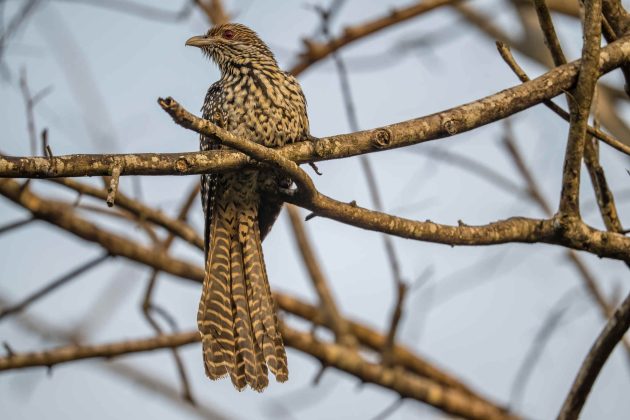
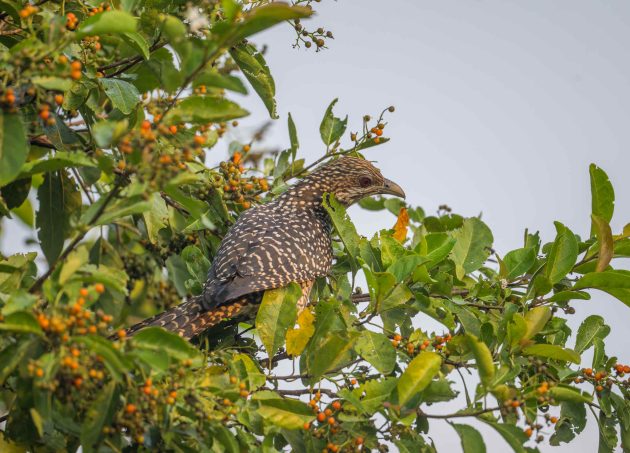
At family meetings of cuckoos, the parasitic and non-parasitic species are usually placed at separate tables, as most members find the discussion about the best way to have chicks both unproductive and repetitive.
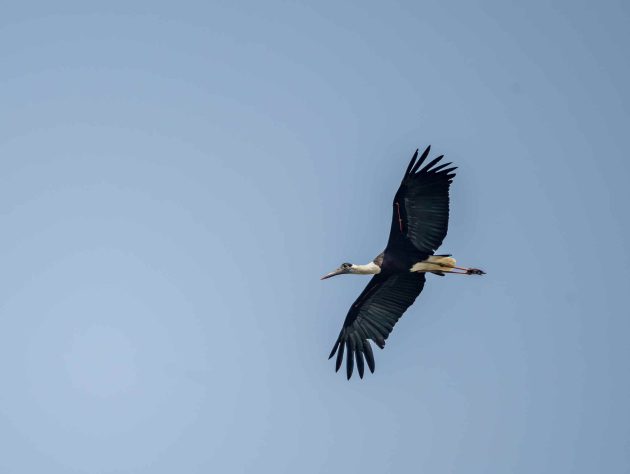
To end this post without having to come up with an elaborate ending, here is a photo of a Woolly-necked Stork in flight.







You always have the most gorgeous photographs and such interesting birds. I wish all great birding spots were only a day’s travel away for me.
Such beautiful birds! The brown-headed barbet has a very cool look.
I really enjoyed your photos. So good. Thanks for posting them! I’m afraid I’m a bit jealous looking at them while it’s 10 degrees here in Nebraska as watch the sparrows and finches on the feeders. 🙂
The Jerdon’s Bushlark is on my wishlist of course. The pitta, well, ’nuff said about AI… Happy birding in 2026!