
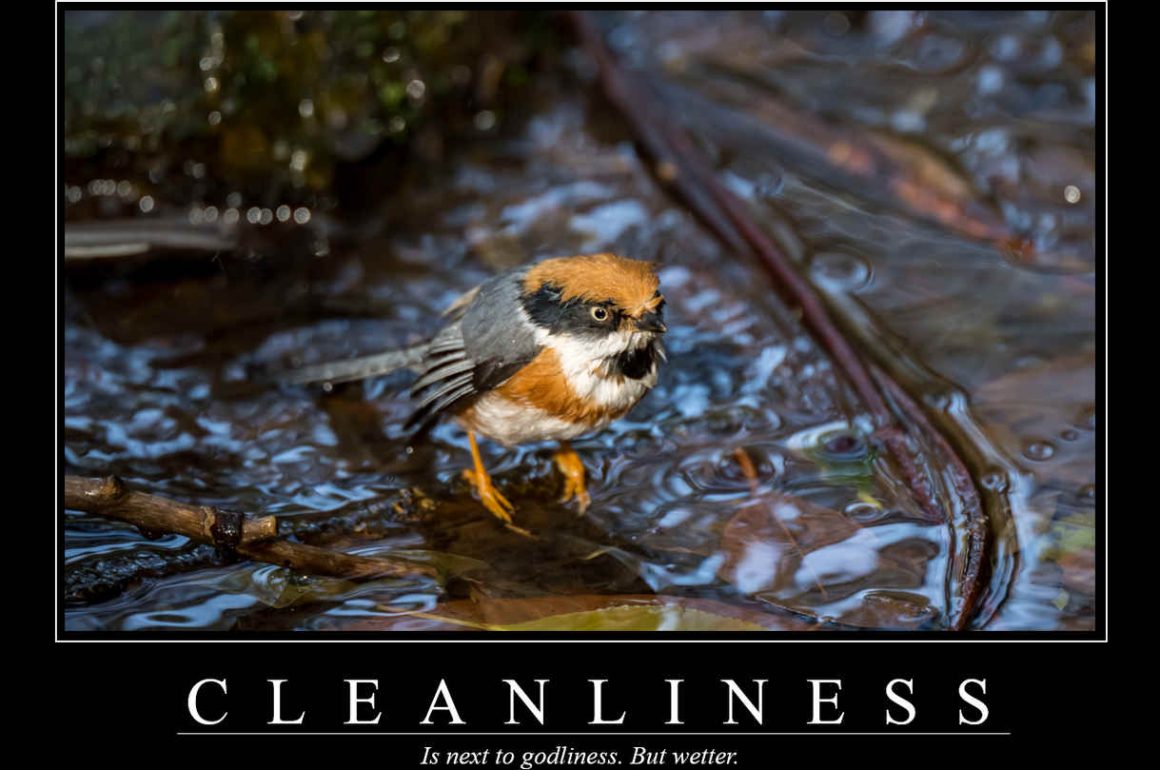
Every few months, someone discovers birds. Not the actual animals — the anxious, territorial, parasite-ridden, evolutionarily improvised organisms — but the idea of birds: metaphors, branding assets, inspirational wallpaper in a vaguely italic font.
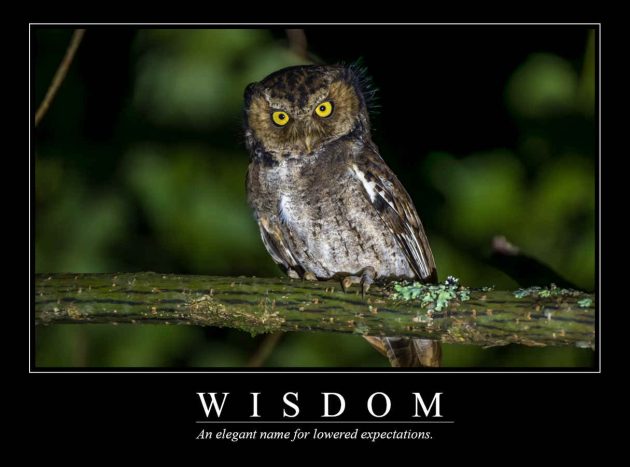
Suddenly, we are informed that the eagle represents leadership, the owl embodies wisdom, the crane signifies longevity, and the sparrow teaches resilience. And as editors of a bird-focused publication, we are expected to appreciate these developments.
But: We have read the field studies. We know about brood parasitism, sibling rivalry, kleptoparasitism, opportunistic aggression, and the occasional enthusiastic consumption of rotting fruit. We have watched the inspirational gull steal food from a pelican. More than once.
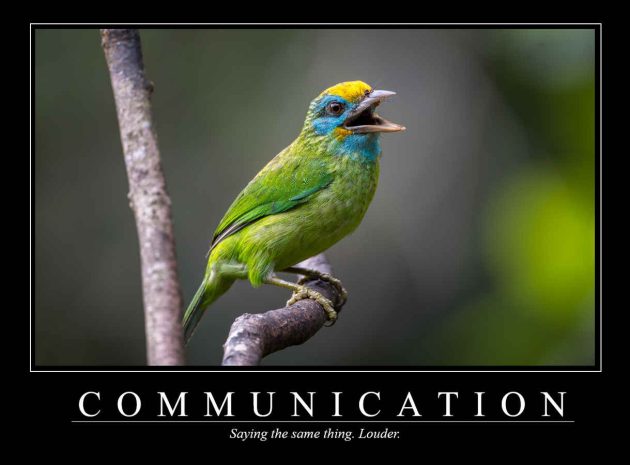
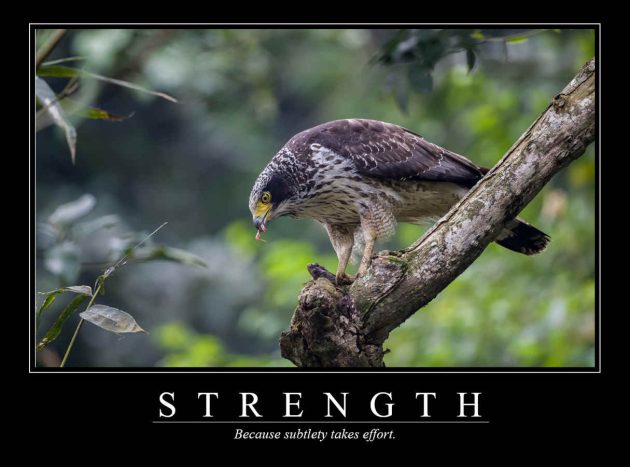
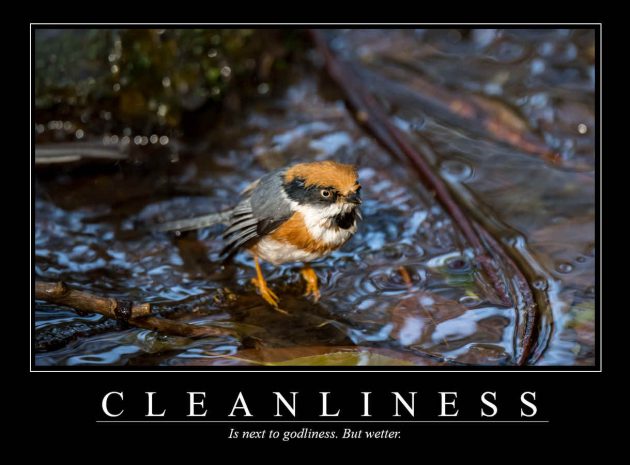
And yet, the posters keep coming. They arrive adorned with sunsets, mist, and a sentence fragment in a tasteful sans-serif font. They promise clarity, purpose, transcendence. The birds, meanwhile, are busy screaming, defecating, and negotiating dominance hierarchies in a shrub.
This small collection is our contribution:
- We have retained the birds.
- We have retained the typography.
- We have removed the optimism.
Consider it a public service announcement from editors who have spent too long outdoors.





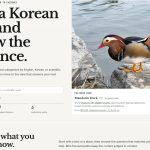



The other day, I heard this person say “I have accepted my body” followed immediately by “In other words, I stopped caring”. Pretty sure that person had at least one of these posters on the wall.
I should hope so. A big target market.