

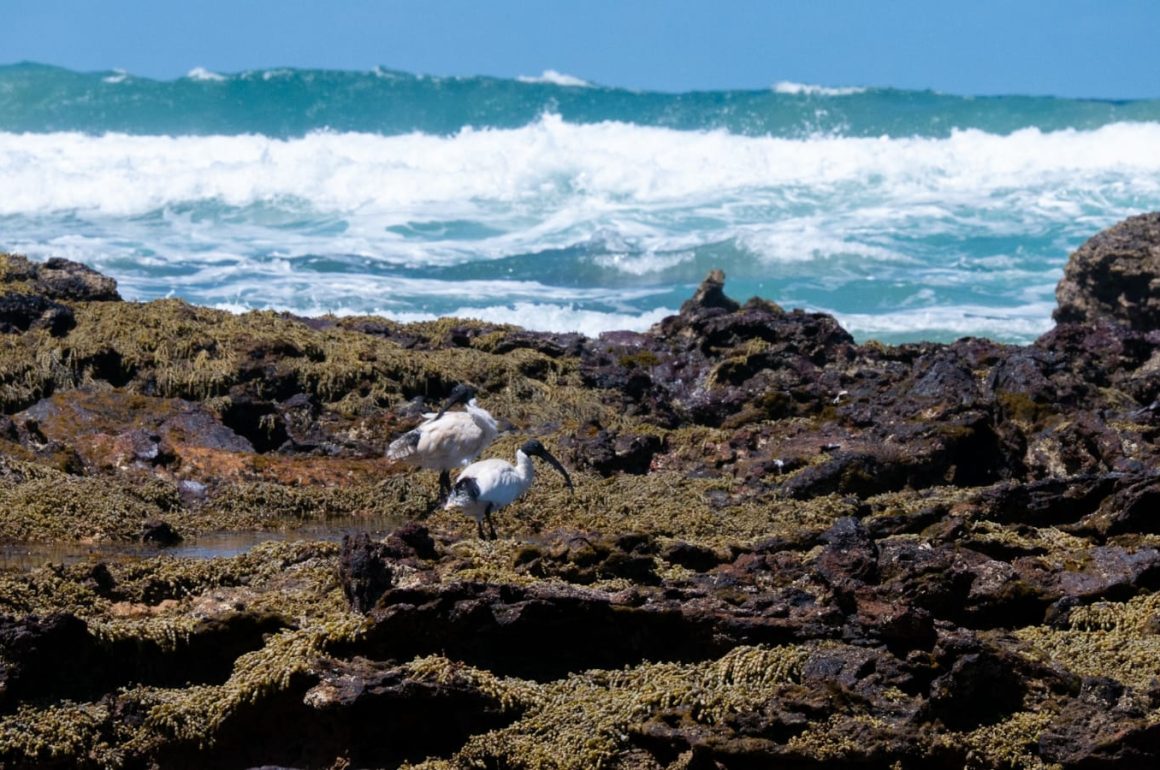
Phillip Island is the quintessential Victorian holiday spot, located 142 kilometres southeast of Melbourne. It is a particularly popular destination for families and tourists, and given that we had overseas guests staying with us this month, it ticked all the boxes for a getaway.
We bought a three-attraction pass which covered the Penguin Parade, the Koala Conservation Centre, and Churchill Island Heritage Farm. Other locations we visited on the island were the Nobbies boardwalk (you may be able to see fur seals with your binoculars), Pyramid Rock lookout (super accessible), Rhyll Inlet boardwalk (highly recommend for the mangroves and saltmarshes), Oswin Roberts Recreation Reserve (visit for a dystopian forest feel), Forrest Caves (striking rock formations), and Fisher’s wetland (it has a hide!).
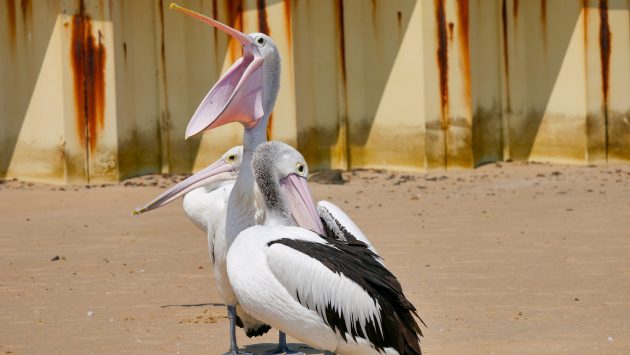
A good way to start the trip is a stop at the San Remo pier just before the bridge to Phillip Island. The pier is home to many Australian Pelicans, and you might spot a few stingrays close to shore, too. At 12:00PM daily, a local fish shop feeds the pelicans. It was rather comical to see several pelicans walking in a neat line towards the fish, waiting patiently for people to move aside.
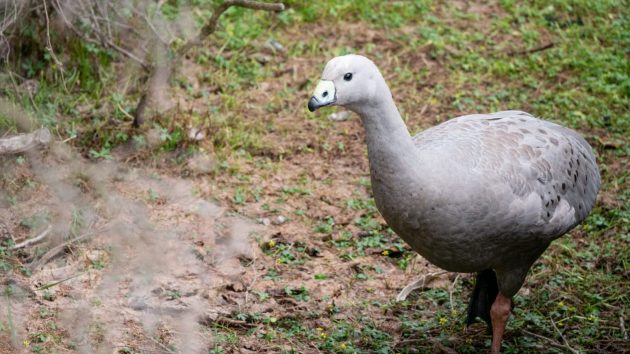
On the island, we were delighted by the abundance of Cape Barren Geese (pictured below). They are often seen ambling by the side of the road, sometimes inadvertently crossing them, or popping their heads up in the grassland like dazed dinosaurs.
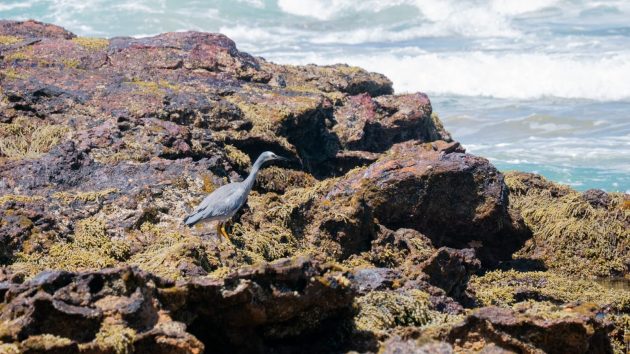
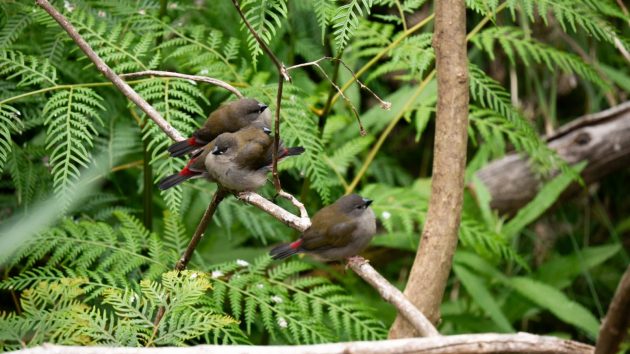
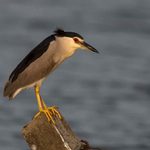
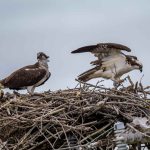
Other highlights on this trip (there were so, so many) were Red-Browed Finches, Superb Fairy-Wrens, Whistling Kites, a Sacred Kingfisher, Royal Spoonbills, various Honeyeaters, and the long-awaited sighting of my nemesis bird, the Black-Faced Cuckooshrike. For months, I had misidentified bird-like tree trunks, juvenile magpies, nests, and once, hallucinated this supposedly common bird. Finally, I can say with confidence that I have seen one.
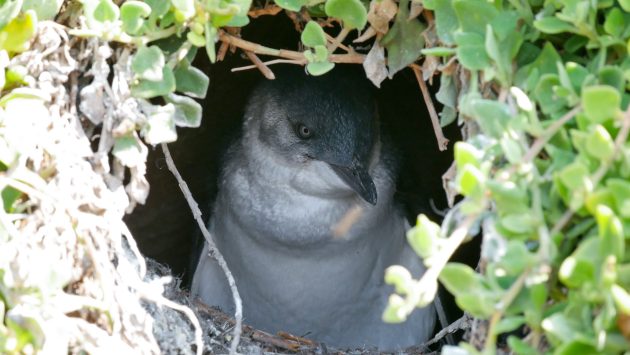
The island’s leading attraction, however, is the “Penguin Parade”, where hundreds (sometimes thousands) of Little Penguins waddle ashore nightly in small groups, returning from the ocean to their burrows. It’s estimated that the island is home to around 40,000 Little Penguins. We were lucky enough to see some poke their heads out of clifftop burrows on walks on the island before the Penguin Parade, which was completely unexpected and thrilling.
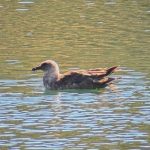
The wait at the Penguin Parade was cold (despite being summer), and we sat packed like sardines on the steel benches. While the sun set, we were entertained by a Great Cormorant, a Sooty Oystercatcher, and, of course, Pacific Gulls and Silver Gulls. The gulls lined up expectanctly on the beach, almost as if they’d bought tickets to see the penguins too, only with better seats.
It was hard waiting with a toddler who had been impressed enough with the animated penguins in the main building and didn’t quite see the point of sitting around in the dark. As it crept past 9PM, I also had the odd thought, “Yes, they’ve been coming nightly for 100 years or so. But maybe something’s happened tonight. They’ve switched to another beach. They’re not coming.”
But they did.
Once the first few came ashore, there was an initial tinge of disappointment for some in our group. They are, after all, quite small (30-40 cm) and the lighting is dim (as it should be), so you can’t fully appreciate their blue and white colouring. But, as more and more arrived, we couldn’t escape the wonder and magic of the determined and distinctive waddling, and the sheer numbers of them. It is also, of course, a privilege to witness a bird, any bird, participate in such an enduring, rhythmic ritual.
As we walked back along the boardwalks, we did so alongside the penguins rushing to their burrows. The final bonus of the night (and the trip), were the Short-Tailed Shearwaters that took to the skies with their maniacal laughter echoing in the dark.







I had never heard of Phillip Island. It sounds like such a magical place. Thanks for sharing!
I dream of visiting Australia and reports like yours are the reason why. I wish it wasn’t so far away. The flight is daunting.
Took my kids to the Penguin Parade for our 10th anniversary – this lovely article not only brings back the memories but also rubs my nose in all the birds I dipped on apparently. Must..go..back!
I have nice memories of Phillip Island and the Little Penguins. I traveled through Australia for three months in 1991, hitchhiking. I was able to identify a colored-ringed Sooty Oystercatcher. A fantastic adventure for me, having grown up behind the “Iron Curtain”, shortly after the fall of the Berlin Wall.
And of course, a great post for Australia Day – happy birthday First Fleet!
Great post, what an experience that must be! Also, we need more on those hallucinations.
Kendall – It really is! Thank you for your comment.
Leslie – Living in Australia now, I’ve gotten used to long-haul flights being the “only” flights, but I still don’t like that it’s so far away from other countries. So, I completely understand!
Peter – What a lovely experience that must have been for your family! Hope you get to make it back there someday!
Rolf – That would have been an incredible time. I’d be fascinated to know more about how much Phillip Island has changed since then, and they’ve spent more efforts on the conservation in the area.
Faraaz- Thanks so much! I’m sure I could do a top 10 list of my biggest bird hallucinations one day haha.