

What is your favorite bird species?
My answer to this question has changed countless times — and it surely will continue to do so. Shorebirds captured all my attention when I lived near the sea. In the Pampas grasslands, however, the symbiosis between the Black-and-white monjita and the Saffron-cowled Blackbird struck me as wonderful from the moment I observed and understood it.
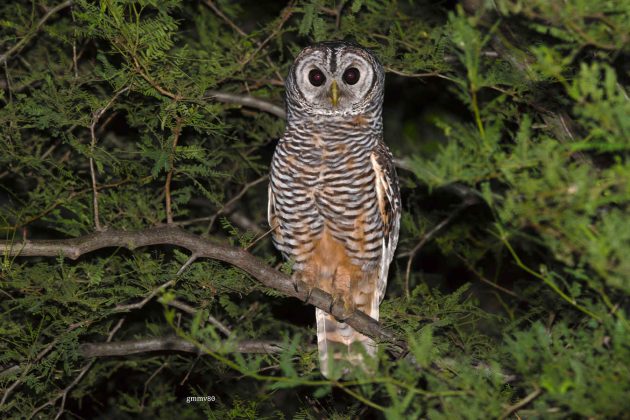
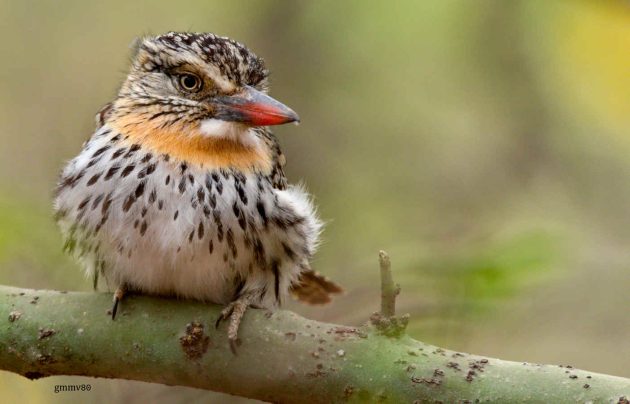
Later, in the Atlantic Forest, with its diversity of colors, vocalizations, and behaviors, it becomes difficult to maintain a single choice — although I could say that my encounters with the Red-ruffed Fruitcrow have been especially beautiful. Meanwhile, in the Chaco — where some landscapes seem almost from another planet, and birds have adapted to extreme conditions — I am always happy to observe the Chaco Owl and the Spot-backed Puffbird.
Chaco Owl (Strix chacoensis)
Spot-backed Puffbird (Nystalus maculatus)
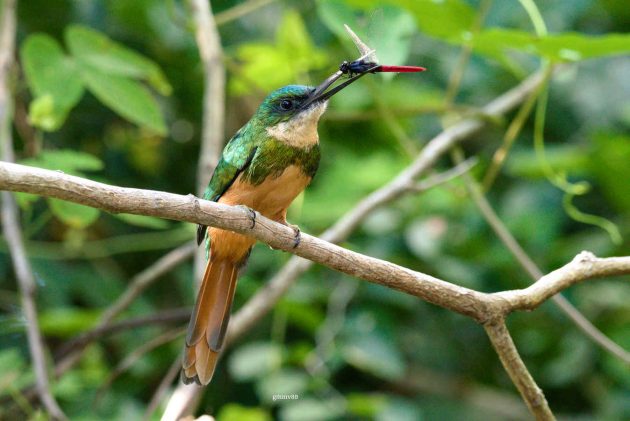
Lastly, I would like to mention the Rufous-tailed Jacamar, with which I shared daily life during my long stays in the Pantanal.
Rufous-tailed Jacamar (Galbula ruficauda)
What is your name, and where do you live?
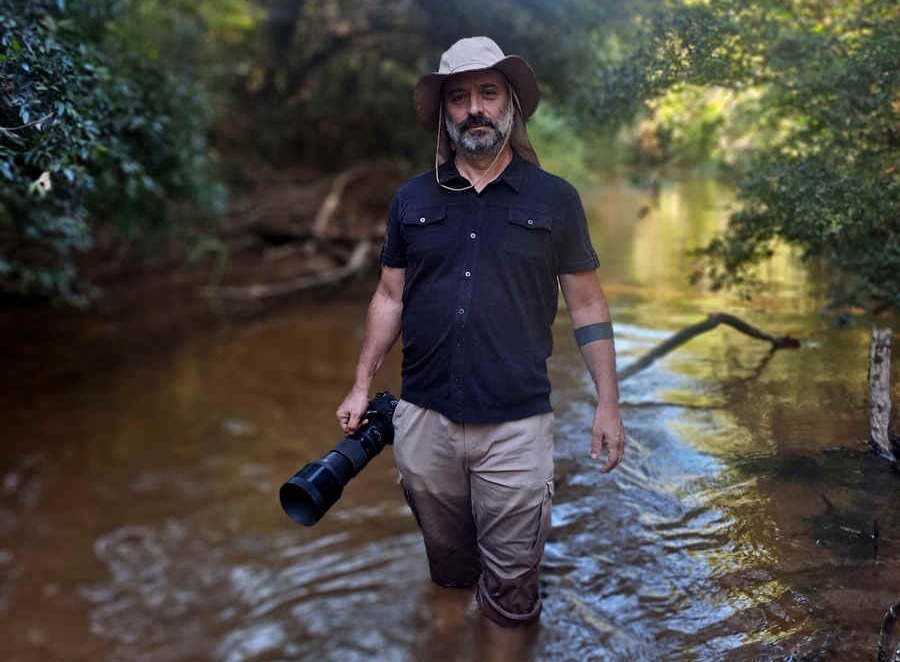
My name is Guillermo. I currently live in Paraguay, in the rural area of the small town of Valenzuela, just over 100 km from Asunción, the country’s capital. I was born in Montevideo (Uruguay) and have traveled extensively throughout our region for many years.
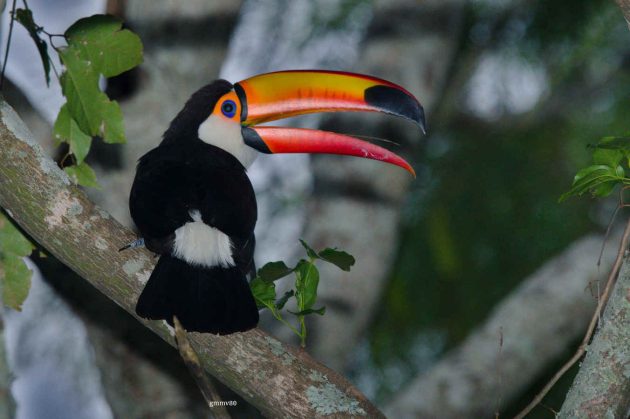
Toco Toucan (Ramphastos toco)
What are the main regions or locations you cover as a bird guide?
In 2025, together with friends who share a passion for being in nature — traveling, camping, birdwatching, and observing biodiversity in general — we founded Ñacurutú Experiencias. Today, I’m focused on Paraguay and all of its ecoregions: the Chaco, Paraná and Central Rainforests, Cerrado, Pantanal, and the ecotones between them.
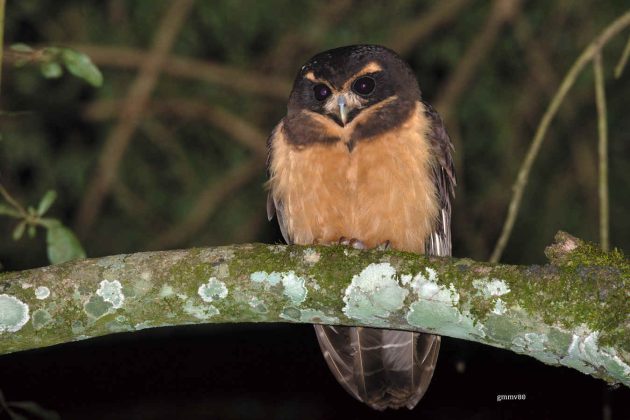
Tawny-browed Owl (Pulsatrix koeniswaldiana)
How long have you been a bird guide?
For the past 10 years, guiding has been one of my main activities, both in Paraguay and Uruguay.
I feel deeply grateful to the people who helped shape me — not only as a bird guide, but as a nature guide in general. My reference, my school, and one of the places where I feel most at home working is Estancia Bichadero in northern Uruguay.
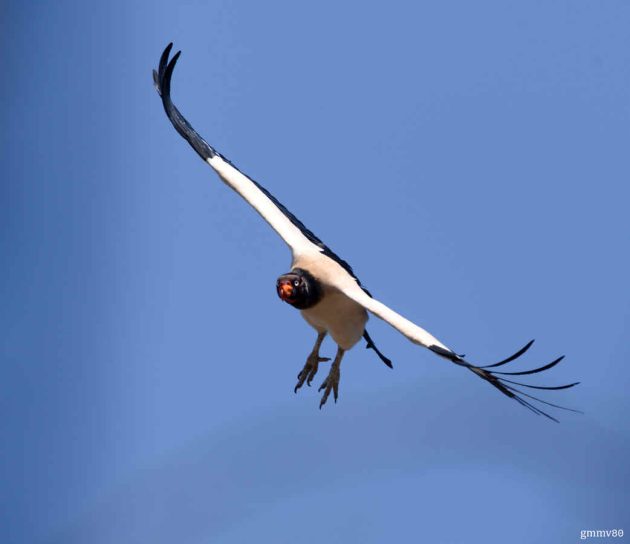
King Vulture (Sarcoramphus papa)
How did you get into bird guiding?
It was the result of a way of living. As a young person, I traveled extensively with my backpack, camping in wild places from Patagonia to northeastern Brazil. I crossed diverse environments walking and by bicycle, and through those journeys developed a deep passion and respect for nature. Later, I lived for 10 years on my small farm in Santa Lucía (Uruguay), in permanent contact with local birds, amphibians, reptiles, mammals, invertebrates, flora, and fungi. I alternated rural work with observation and interpretation. Occasionally, I traveled to Montevideo to attend courses on wildlife, native plants, and related topics.
My first bird field guide was “El País de los Pájaros Pintados” (2003), a gift from my parents. From that moment, I began building a collection of books whenever I could. I never imagined I would one day contribute photographs to several others.
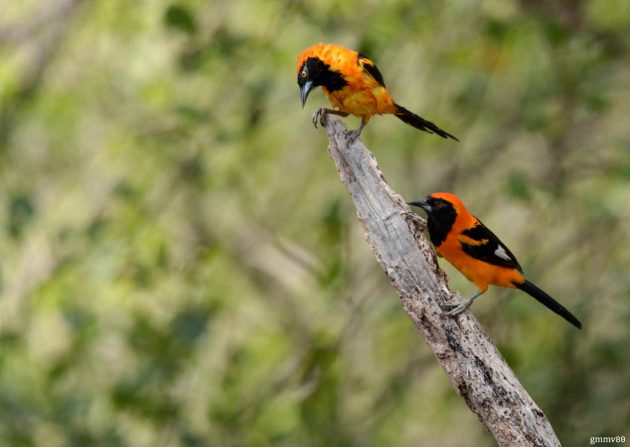
Orange-backed Troupial (Icterus croconotus)
When I was finally able to buy my first camera capable of capturing birds, I clearly remember that winter morning when I went out to test it — and the excitement of seeing a Red-crested Cardinal (Paroaria coronata) more or less in focus on the screen.
Later, I returned to long-distance travel, covering thousands of kilometers by motorcycle — now as a birder and always with my camera. Along the way, I met many people and organizations involved in conservation, ecotourism initiatives, researchers, and fellow travelers.
Eventually, I came to know many natural areas, National Parks, and reserves in depth. Becoming a guide was simply the natural outcome of everything that came before. The logistics, knowledge of territory and species, and contacts were already there. It was time to organize those resources into work — and continue enjoying what I love most.
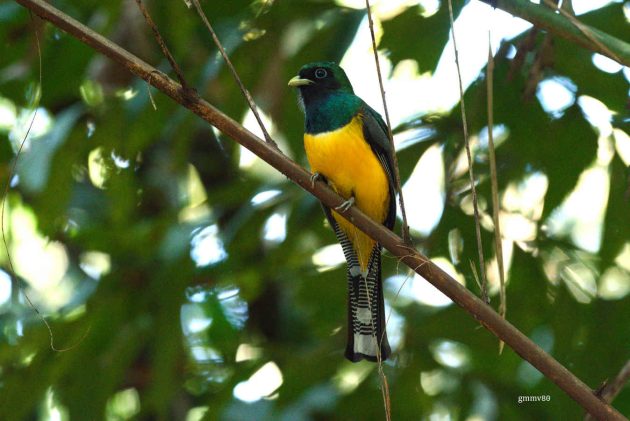
Atlantic Black-throated Trogon (Trogon chrysochloros)
What are the aspects of being a bird guide that you like best? Which aspects do you dislike most?
I truly enjoy sharing time with birdwatchers from around the world — sensitive people who feel connected to birds and other organisms, who are curious about behavior and ecological relationships. I learn from them and take joy in knowing they appreciate the journeys we offer. I value exchange and the opportunity to provide immersive experiences in the environments we visit — helping create memories travelers can return to throughout their lives.
What makes me uncomfortable is when clients are not respectful toward biodiversity or local communities. I love capturing new images and recordings of birds and other species, but I understand that this is only a game. The ultimate goal is conservation of the places we visit, the species and events that occur there, and the sustainability of both our activity and the livelihoods of people living in and around natural areas. From my perspective, birding and nature tourism must be grounded in conservation, respect for human diversity, and humility when interpreting the history and present of each place.
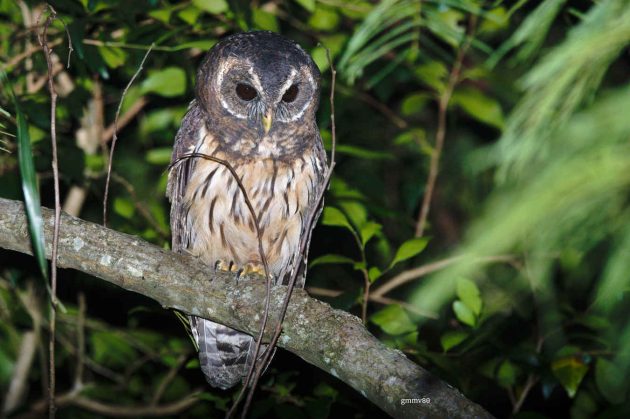
Mottled Owl (Strix virgata)
What are the top 5-10 birds in your region that are the most interesting for visiting
birders?
In the Chaco, I would highlight the Black-legged Seriema, Chaco Owl, Black-crested Finch, Cinereous Tyrant, Crested Gallito, and Spot-backed Puffbird — as well as the large concentrations of waterbirds found in the saline lagoons of the Central Chaco.
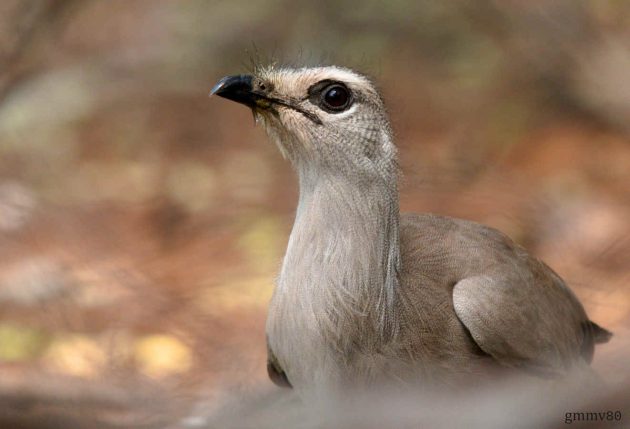
Black-legged Seriema (Chunga burmeisteri)
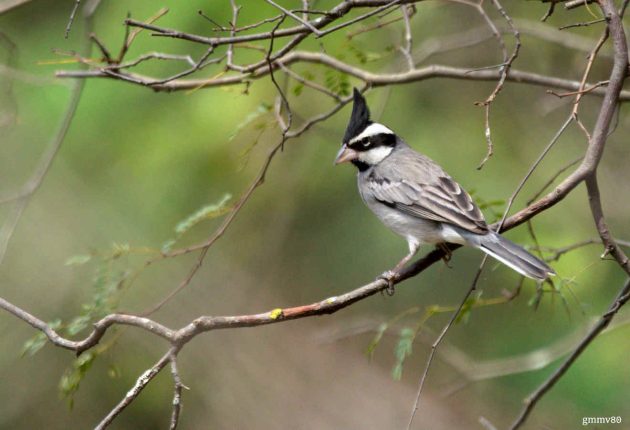
Black-crested Finch (Lophospingus pusillus)
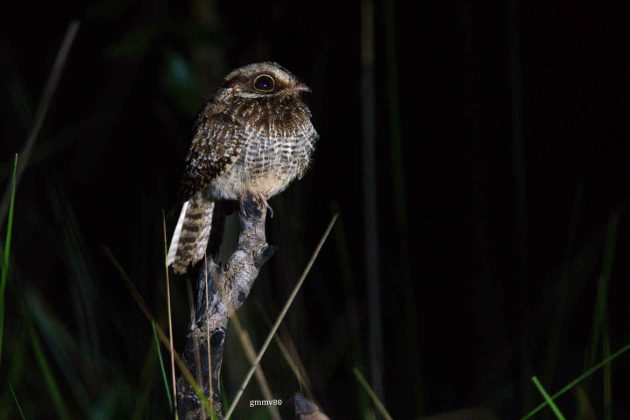
In the Cerrado, there are true jewels. I would mention the Collared Crescentchest and especially one of the rarest nightjars in the world, known in Guaraní as yvyjau morotí, the White-winged Nightjar.
White-winged Nightjar (Eleothreptus candicans)
In the Atlantic and Central Forests, toucans and the three trogon species found in Paraguay are unmissable for both birders and wildlife photographers.
Finally, the grasslands host several species of seedeaters and tyrant flycatchers, some migratory, many in different conservation threat categories.
Can you outline at least one typical birdwatching trip in your area? Please briefly
describe the locations, the key birds, and the approximate duration of such a trip.
Our team has the capacity to travel throughout all regions of Paraguay and even into neighboring countries. We can organize trips of 2, 5, 10, or 15 days — or even a full month — with different levels of intensity, always taking into account each traveler’s requirements and wishes. We can design itineraries focused on specific regions or combine several of them. We offer accommodation options in private reserves and some national parks, as well as countryside lodges and hotels. We also provide camping experiences in wild settings, where we ensure a safe and comfortable environment for our visitors
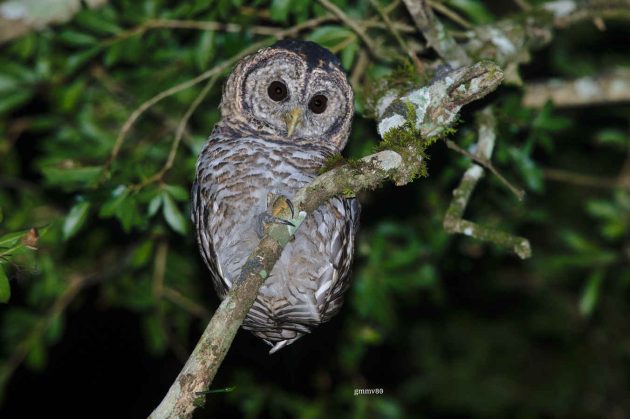
Rusty-barred Owl (Strix hylophila)
A five-day tour through the Atlantic Forest and southeastern grasslands is an excellent introduction to Paraguay’s avifauna:
- We begin from Asunción (or Encarnación or Ciudad del Este) and head to the San Rafael National Park Reserve — more than 70,000 hectares of subtropical forest and grasslands.
- The first two nights are spent in a private reserve combining agricultural production with forest conservation. San Rafael was Paraguay’s first Important Bird Area (IBA), with over 430 species recorded.
- We focus on forest trails and microhabitats, including wetlands and tree fern communities. Day and night outings allow observation of owls and nightjars.
- On the third day, we travel to Kanguery Station, a ranger and research base in the heart of San Rafael. The journey includes stops in high-canopy forest and natural grasslands and passes through rural and Indigenous communities.
- The surrounding grasslands host priority conservation species within one of the region’s most threatened biomes.
- On the fifth day, we travel north across the Tebicuary River and return to the capital.
If I had to choose one introductory tour, this would be it — though 15 days in the Chaco is equally immersive for those wanting to experience deep Paraguay.
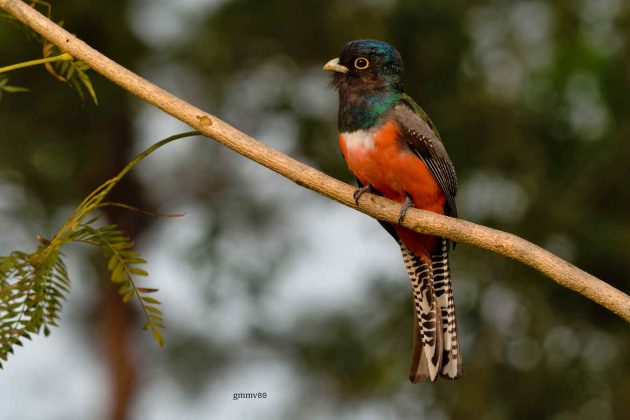
Blue-crowned Trogon (Trogon curucui)
What other suggestions can you give to birders interested in your area?
In Paraguay, it’s important to keep in mind that summer can be extremely hot, especially for visitors coming from colder climates. For a first visit to the country, I believe the austral spring is the best choice. It’s the time of year with the greatest nesting activity and the arrival of migratory birds from the northern part of the continent, although autumn is also a very beautiful season.
For the Chaco region, it is advisable to avoid periods of heavy rainfall, as access to certain areas can become difficult due to limited infrastructure and road development.
Even with these considerations, we have the capacity to organize successful and memorable trips at any time of the year. I recommend that those interested get in touch well in advance so we can plan together and optimize their experience.
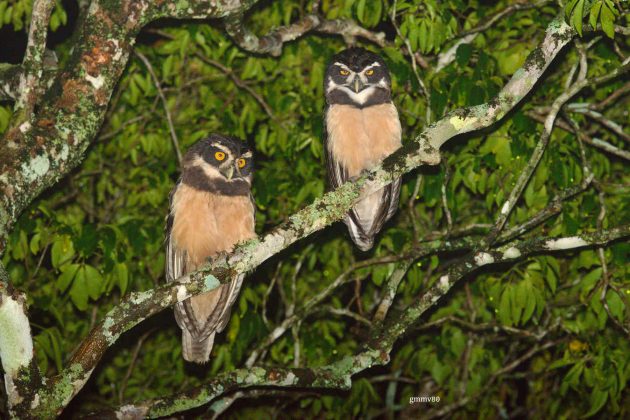
Spectacled Owl (Pulsatrix perspicillata)
If any readers of 10,000 Birds are interested in birding with you, how can they best contact you?
Contact details are available on the Ñacurutú website. Travelers can reach us by email, WhatsApp, or Instagram.
Before each trip, we like to schedule a video call to personalize the experience — discussing lodging preferences, dietary needs, physical condition, and interests beyond birds. We are versatile in designing itineraries and strive to understand each traveler’s wishes fully.
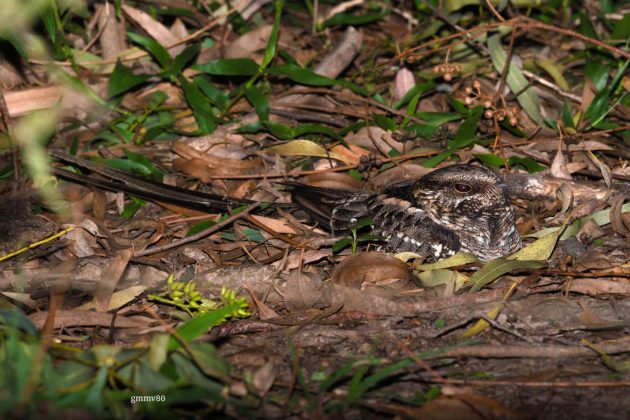
Scissor-tailed Nightjar (Hydropsalis torquata)
Is there anything else you would like to share with the readers of 10,000 Birds?
Simply to thank you for the opportunity to share a bit of what we are doing in Paraguay — and to invite readers to come experience it for themselves.
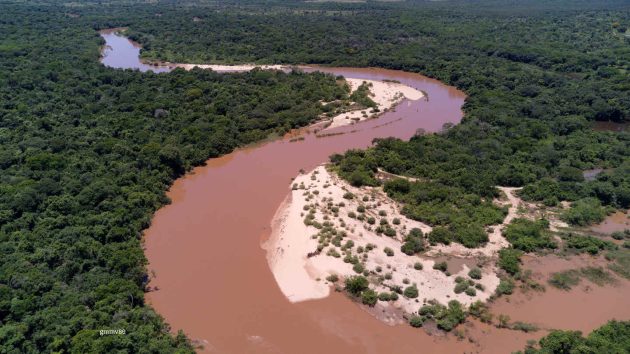
Aquidabán River
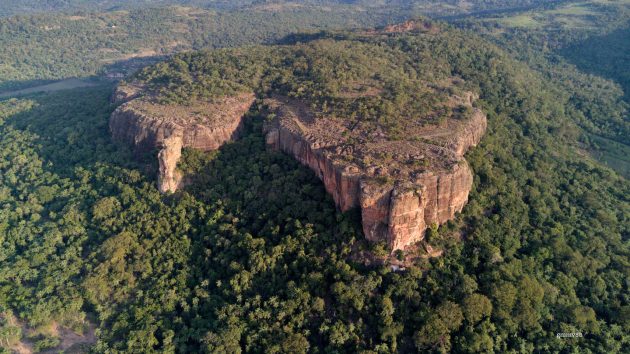
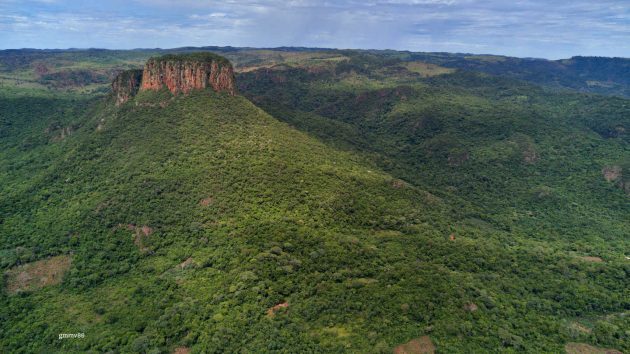
Cerro Verá
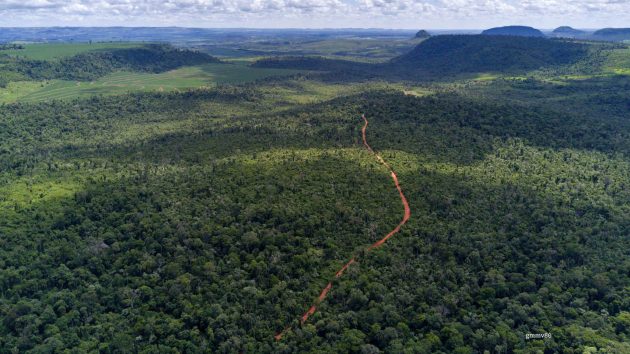
Caazapá National Park
Ita Guasu (Cerrado)
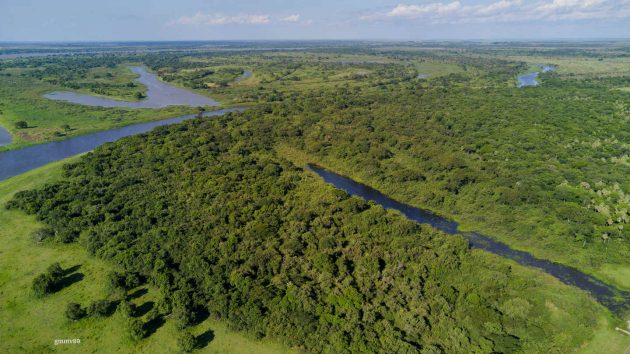
Puerto Olivares (Paraguay and Manduvira Rivers)


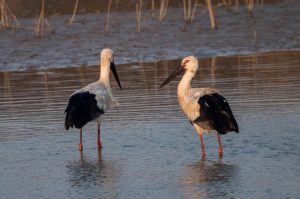

Great article! I may be biased but I’ve known Guillermo for over a decade. He is undoubtably the person to tune into the energy of the moment and the people he’s with, making a simple walk into a genuine experience that stays with you. You never feel like you’re on a “tour”; you feel like you’re discovering a secret part of the world with an old friend. For Guillermo, conservation isn’t a buzzword or a marketing pitch—it’s his baseline. He has a deep, quiet respect for the ecosystems he enters and a real sense of responsibility toward the local communities. He’s the kind of person who reminds you that we are guests in these spaces. If you want someone who truly understands the soul of the landscape, the flora and fauna, there is no one better. Look him up on his contacts details above!
We completely agree with the first comment. We (an elderly couple) visited the different parks in the south of Paraguay with Guillermo, Edgar and Mateo. It was one big adventure made fantastic by the exceptional knowledge of Guillermo and his colleagues. Birds, plants, insects: all questions were answered. But also because with the care and friendliness and patience they took care of us. After these 15 days we felt that we really tasted this fantastic world and that we had new friends. We hope to return and visit other parts with our 3 friends of Ñacurutu Experiencias.
What a refreshing read, Paraguay now goes on the bucket list! Lovely to hear about your journey and ethos for conservation, fingers crossed our paths cross in the near future!