

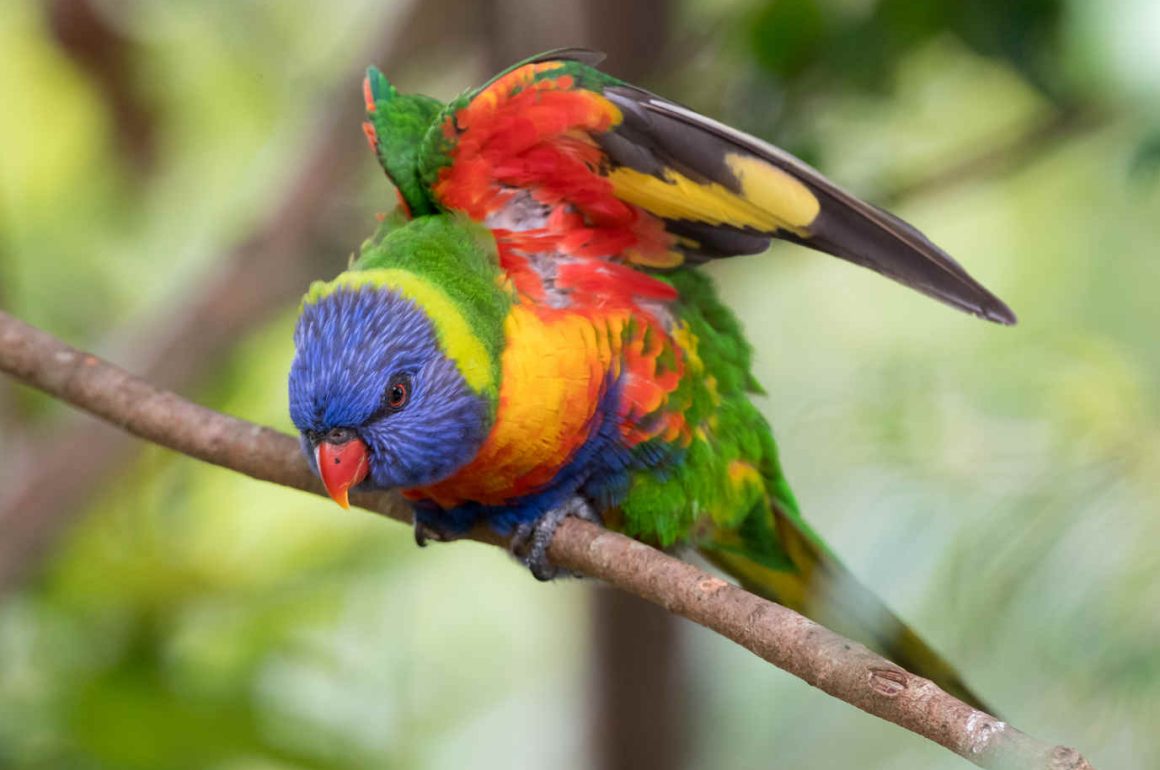
Birds—and, for that matter, birders—are often thought of as primarily visual and acoustic animals. Plumage, displays, and song certainly play key roles in mate choice, but chemical signals also provide reliable information about health. In fact, plumage coloration itself is based on chemical processes, linking visual and chemical signals into a unified picture of condition.
The uropygial, or preen, gland produces an oily secretion that maintains feathers. This oil contains fatty acids, wax esters, and volatile compounds that reflect a bird’s physiological state. Parasites or disease can alter its composition, providing detectable cues about health, while variation in preen oil also conveys information about immune function, hormone levels, and reproductive status. In some species, such as zebra finches, dark-eyed juncos, and storm-petrels, preen oil exhibits sex- and condition-specific chemical profiles that influence mate choice and recognition.
Feather- and skin-associated microbes further modify these chemical signals. A balanced microbial community tends to indicate good health, whereas stress, disease, or poor nutrition can shift the chemical profile. In species such as hoopoes, these microbially produced compounds are potent indicators used in mate assessment.
Producing pigments for feathers requires substantial physiological resources. A bird capable of allocating these resources signals good condition—a form of “conspicuous consumption.” Carotenoids, obtained from the diet, produce bright colors and act as antioxidants, so vibrant carotenoid-based feathers indicate access to quality food and effective management of oxidative stress. Melanin pigments, synthesized internally, reflect hormonal and immune status, and well-developed melanin patterns can indirectly influence feather-associated microbial communities. In combination, plumage and chemical cues provide a fuller and more nuanced picture of a bird’s health and reproductive suitability.
Chemical signals extend beyond the bird itself. Some species, such as European starlings, incorporate aromatic herbs into nests, signaling health, foraging ability, and parental investment. Diet also influences chemical cues, as lipids and other metabolites modify preen-oil composition, creating colony- or individual-specific scents that aid in mate selection.
Unlike human lipstick, which artificially exaggerates cues such as lip redness to signal circulation and health, these chemical signals are difficult for birds to manipulate. They cannot intensify feather pigments or alter preen-oil composition at will, making these cues honest and reliable indicators of condition—a clear guide for identifying a healthy mate.
Cover Photo: A (presumably healthy and attractive) Rainbow Lorikeet














Leave a Comment