

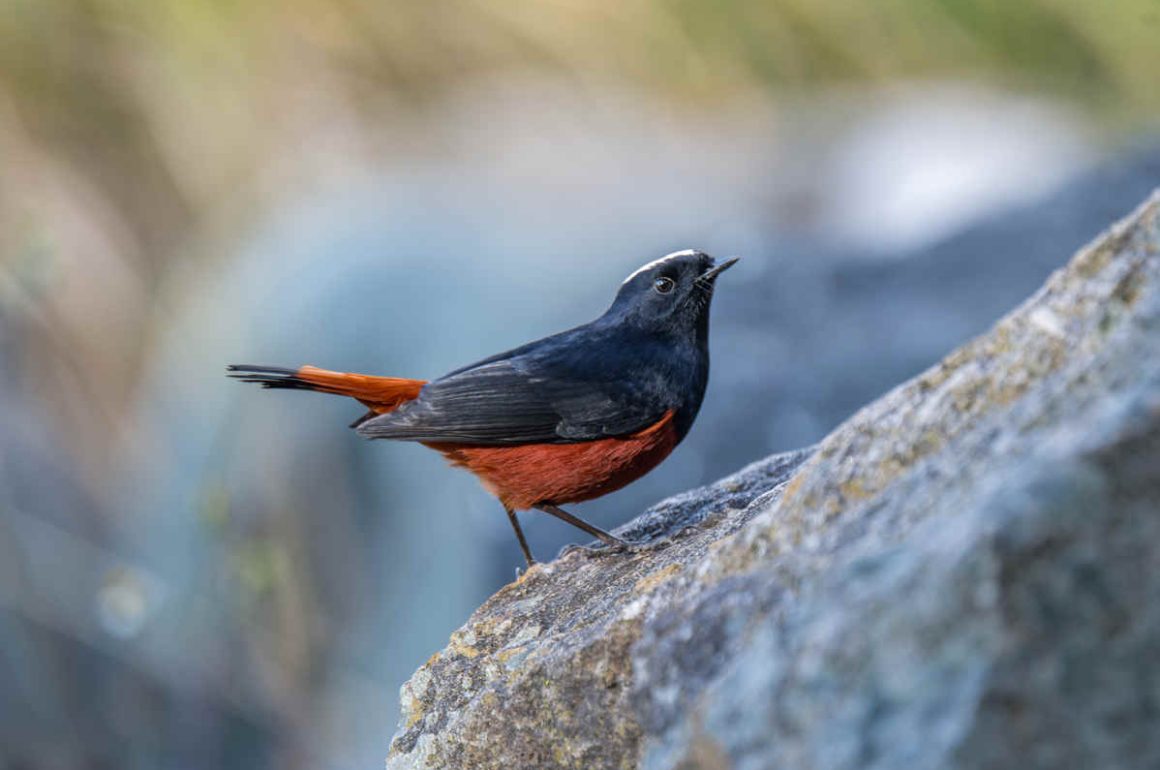
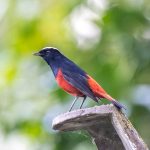
Somehow, I always think that this species should have a longer name, namely White-capped Water Redstart. Why?
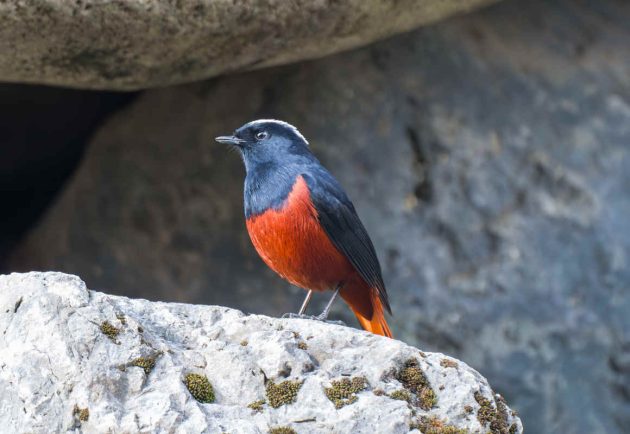
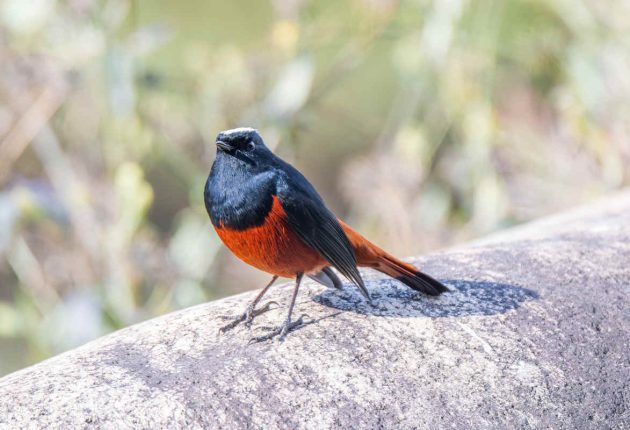
Like the Plumbeous Water Redstart, it is usually found at or close to some rocky streams …
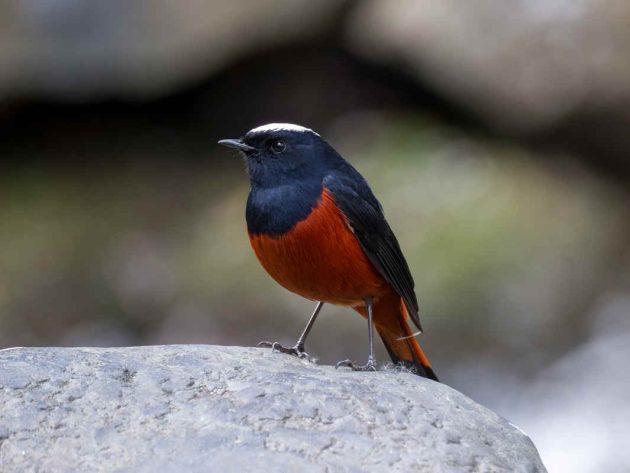
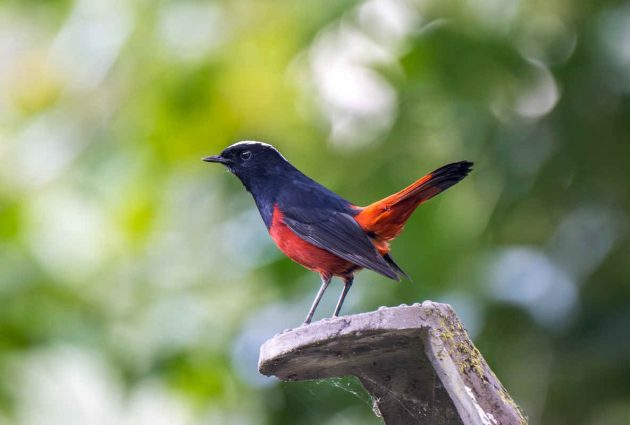
… and the HBW note that “during vertical movements recorded as using urban buildings more than 1 km from nearest stream” (which would not be noteworthy for most other species) rather emphasizes this point.
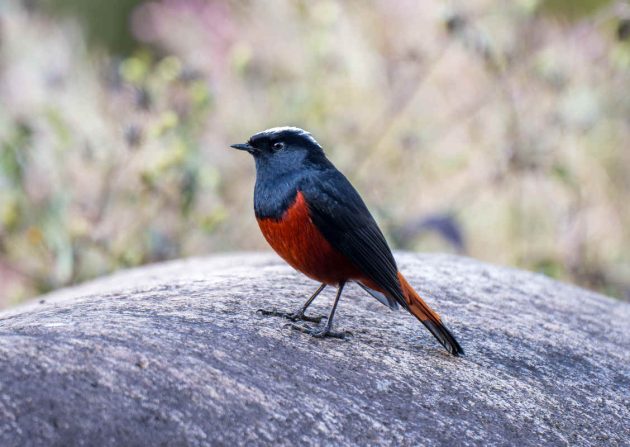
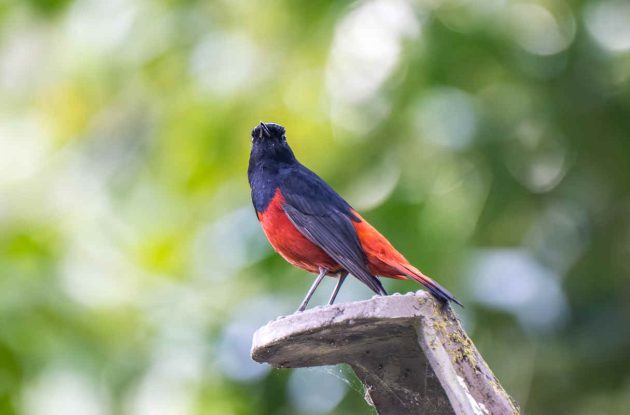
It forages a bit more at the edges of the streams than the Plumbeous one – in a study in Nepal, 60% of observations of foraging position involved marginal rocks (that is what the HBW calls them – I guess it means rocks at the side of the stream rather than in the middle) and only 22% mid-river rocks.
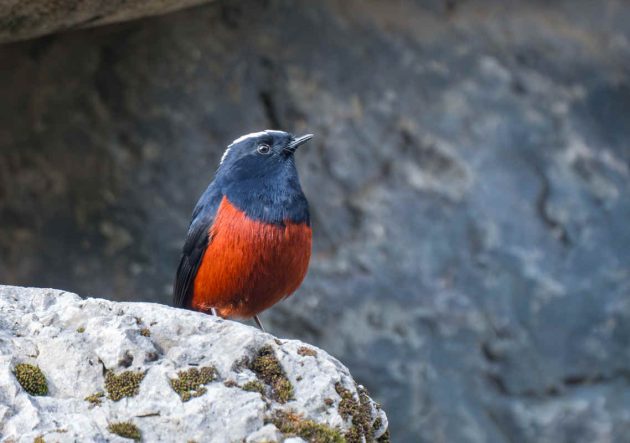
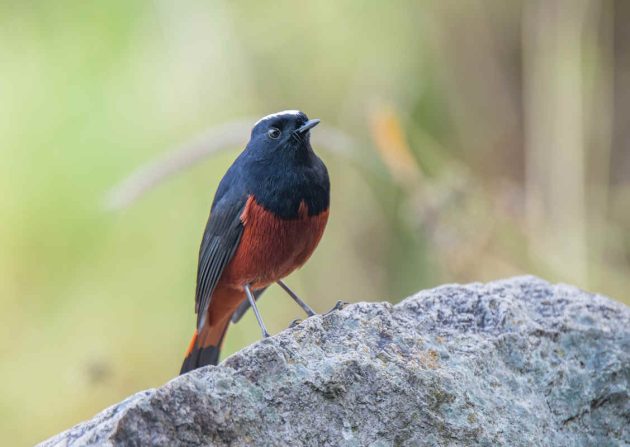
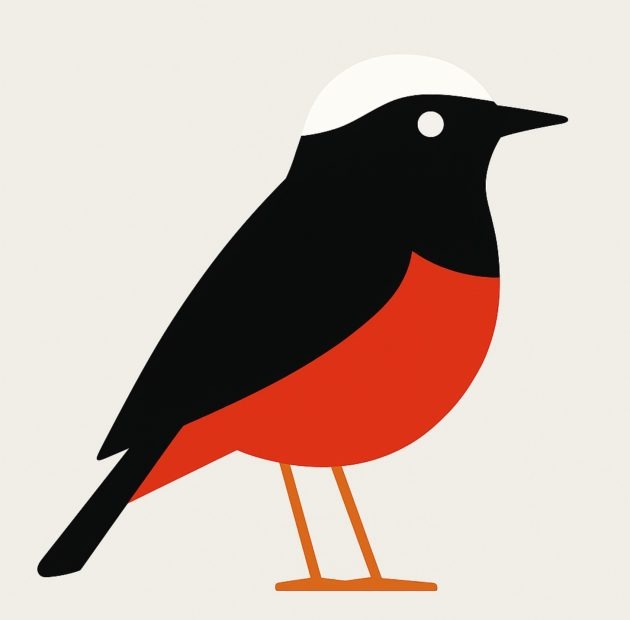
It is a cute bird, bopping its tail after landing somewhere, and ideal to be turned into a cartoon figure (which I let ChatGPT do for me). Not sure about the color of the feet though.
Fortunately, it is also a very common bird, at least near the right rivers. But I guess these rivers are not very inviting to do fieldwork at – there are scarcely any scientific papers covering the species. Probably not many such rivers run through university campuses.
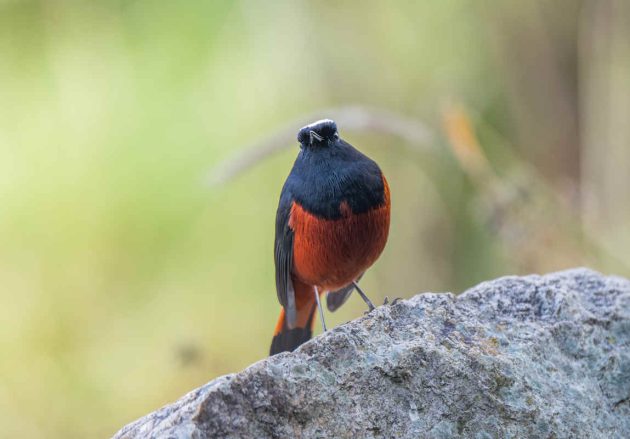
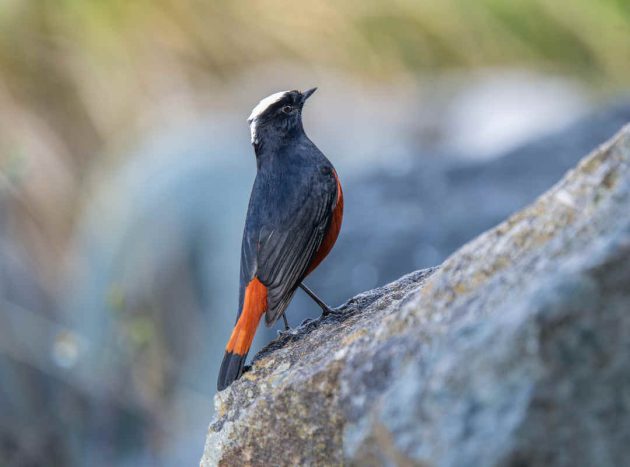










Stunning colours and contrast, beautiful!