

By Zhang Lin
Zhang Lin is a Shanghai-based bird guide and researcher with a focus on gulls and shorebirds, and particularly on Spoon-billed Sandpipers. You can find his bird guide profile on 10,000 Birds here.
In 2008/2009, we explored a few coastal sites in southern Jiangsu Province and found their importance for Spoon-billed Sandpiper (Spoony for short), which had become Critically Endangered at that time. A few birders in Shanghai formed an NGO called Spoon-billed Sandpiper in China (SBS in China for short), doing field surveys and awareness raising.
In 2017, China stopped almost all the large-scale coastal reclamations, and in 2019, southern Jiangsu became Phase I of the WH. But the Spoony is still in decline, and we guess there are still some knowledge gaps in their wintering grounds in South China.
In early 2023, I visited a few sites in Zhanjiang, Guangdong Province. Although Leizhou Peninsula has been known as holding the largest wintering population for a decade and is well monitored by the local birding society, I still found a site closest to Zhanjiang city supporting a good population of Spoonies and identified regular threats such as poaching (as you may imagine).
This year, in late November, we went to Quanzhou, Fujian Province, as Weitou Bay is a popular site to see wintering Spoonies and is monitored by the local birding society too, to see how many Spoonies there are in our own way (usually it means a much smaller number than usually claimed), and identify certain threats which may be overlooked.
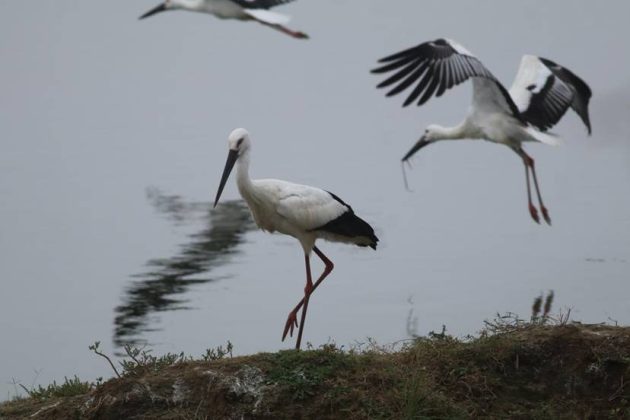
Oriental Storks in southern Jiangsu before we flew to Fujian
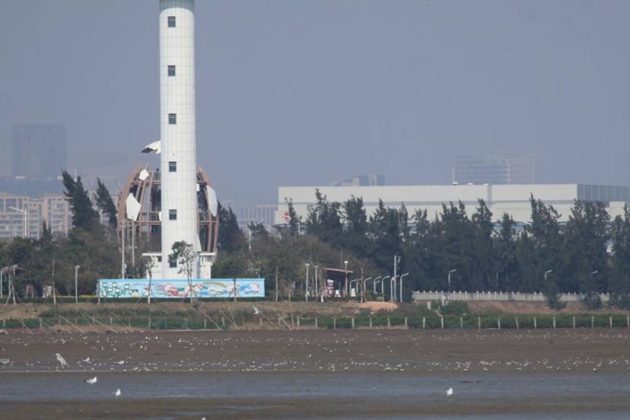
Bird at Quanzhou Bay, with an egg-shaped bird monitoring tower built by the local government
Weitou Bay has very few waders, e.g., only 1000+ Dunlins, and it’s fairly easy to see a Spoony. Quanzhou Bay has 10000+ Dunlins, the largest ever I have seen anywhere in southern China, as mudflats here are much, much smaller than in Jiangsu. It’s usually very promising to find a Spoony if you find such a large number of small waders–in winter in southern China, the Dunlins.
But it’s difficult to walk on the mudflat here, so we focused on watching them at high tide. We found that many large waders flew north toward Quanzhou city. Although we failed to find their high tide roost, we did find out where the small ones roost–next to shoe makers!
Quanzhou has coastal industrial zones, and next to the mudflat, there are several shoe manufacturers such as Qiaodan (Qiaodan is the Chinese name of Jordan, an NBA player in my childhood. Note that do not mistake Qiaodan for https://www.nike.com/jordan Qiandan slam dunks to the left, and Jordan to the right.) Some birders told us the waders roost on the roofs of factories as they have no good choices!
‘Lucky’ enough, this time we found a dump in the factory area where almost all the small waders roost. Meanwhile, there’s a wetland park not far away, but this park mainly has lotus ponds, which have too high water levels for them to roost. We did not find any Spoony here.
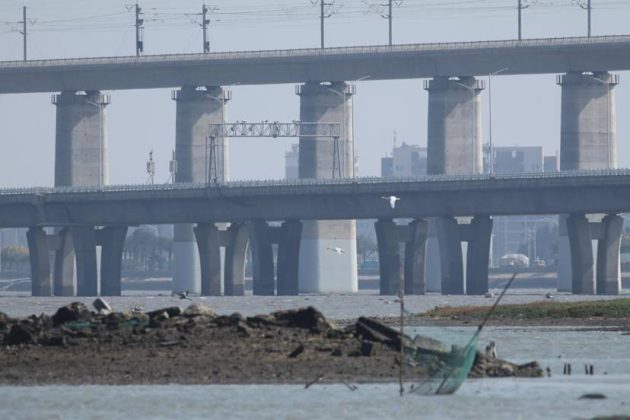
Bewick’s Swans at Quanzhou Bay. Behind the bridges crossing the bay is the wetland park
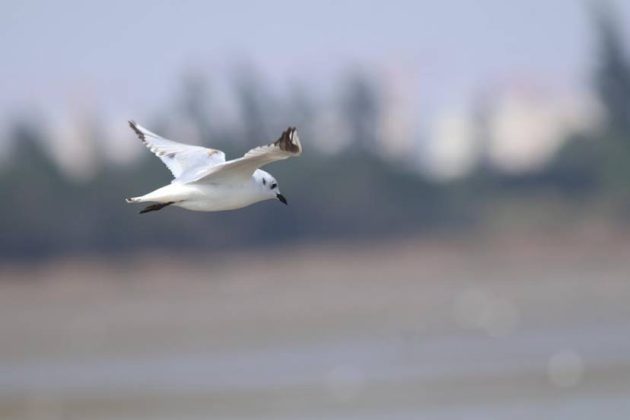
Saunders’s Gull at Quanzhou Bay, with the shoe makers in the background

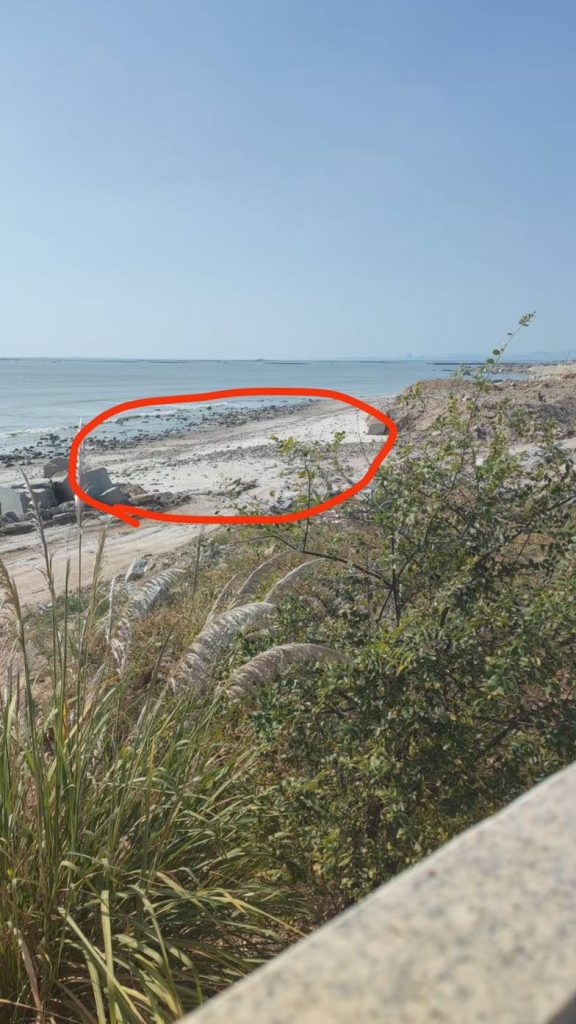
Rubbish high tide roost (taken when birds were not roosting here). The red circle shows the bird monitoring tower on the other side of a national highway
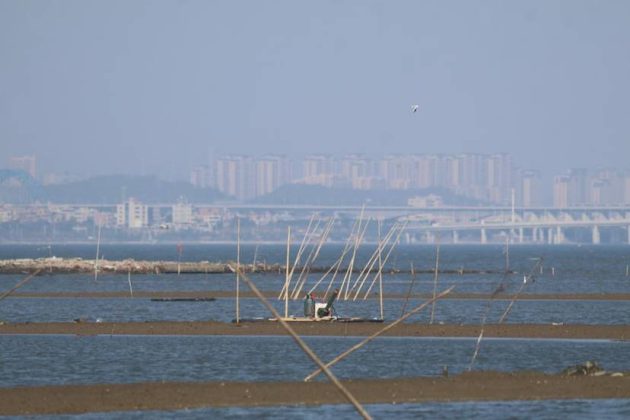
Air Canon instead of Air Jordan. Fishermen set it at certain intervals to ‘fire’ to flush the waders from the mudflat. In Jiangs,u fishermen still use the traditional way – fireworks – to do the same thing.
We moved on to Weitou Bay. Although it’s not difficult to find a Spoony feeding at low tide, it’s not easy to figure out where they go at high tide. One high tide roost is obviously inside again a factory area, which we didn’t get into. There are some restaurants that obviously mainly serve the factory workers, and we could get food and drinks here. And of course, all the creeks from the factories to the mudflat contain dark water. No wonder a study on pollution level in waders’ feathers indicates Guangdong is the worst, followed by others, probably including Fujian.
At a small port, we found some mud not inundated that day where a few hundred small waders roosted, including 5 Spoonies. One of them is colour-marked from the breeding ground in Russia and has been wintering here for a few years.
Then we moved back to where they feed at low tide, to wait for them to come back to feed. On the way, we noticed that far away from the seawall, there were waders roosting on boats and fishing nets. When a boat comes in or goes out, it may flush them, but just for a little while, the birds then settle down again. Usually, they prefer large open areas as high tide roosts, but when there are not enough spaces, these unusual spots will do.
Occasionally, a Spoony can be entangled in these nets. It needs luck to be found by a birder and released before the tide rises.
Now it’s time to see some Spoonies!
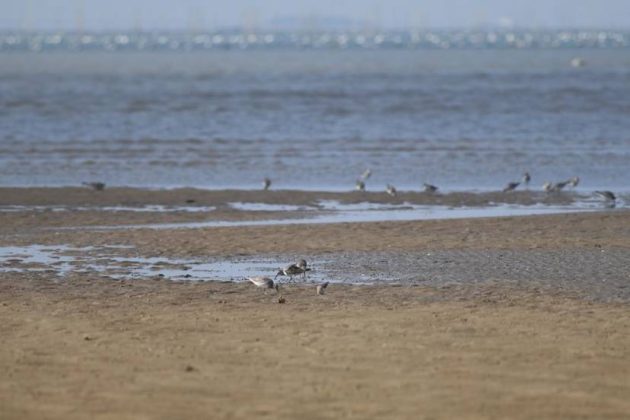
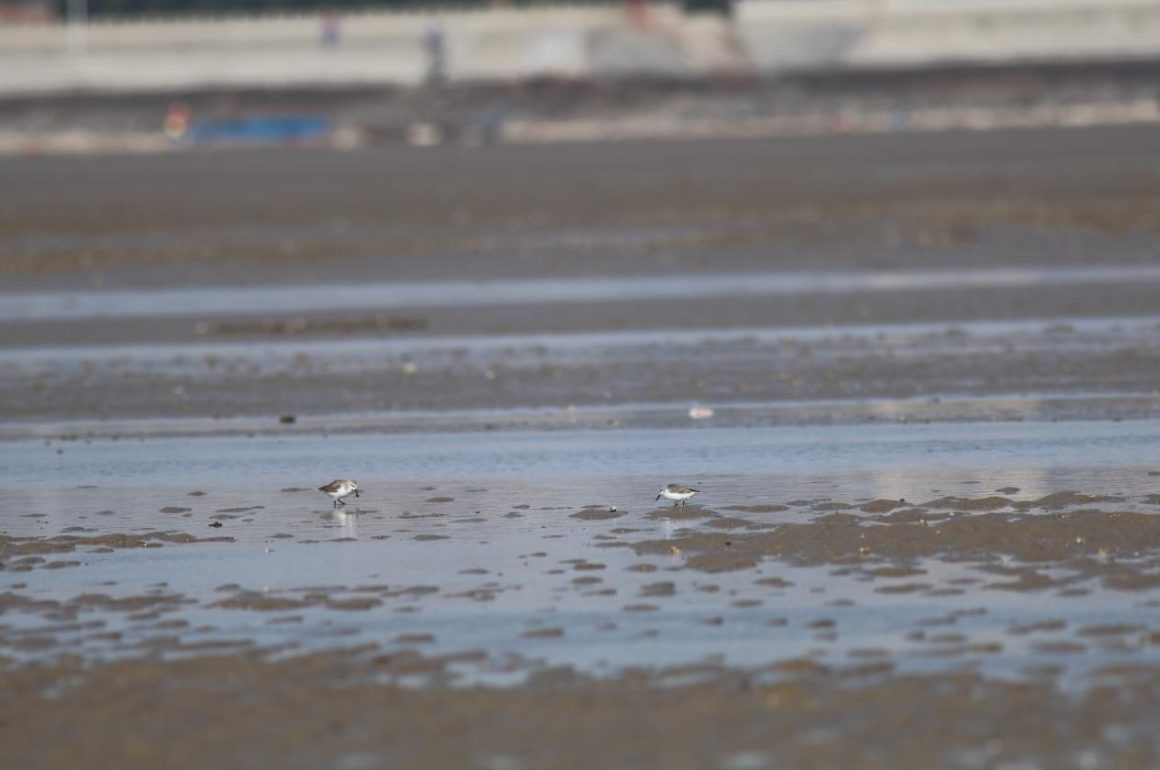
A Spoony with Great Knots. It’s not easy to identify a Spoony in a photo, but it’s easier in a motion picture as the feeding action is quite different from others, such as Red-necked Stint, Dunlin and Sanderling, which are common here. The things in the water are where some of them roost at high tide.
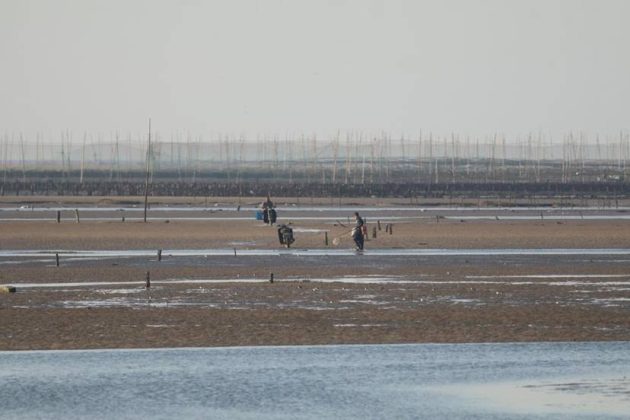
Fishermen use electric shocks to catch small shrimps, which are one of the major food resources for Spoony. There’s a Spoony feeding below them, picked out by its feeding action from hundreds of meters away
A closer look. The Spoony is paler than Dunlins and Red-necked Stints, although not as pale as Sanderlings. Light condition often makes it tricky
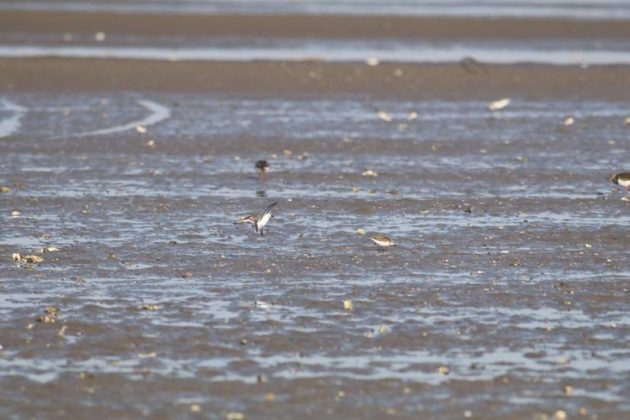
A Spoony going toward a Red-necked Stint. This Spoony still has its P10 not fully grown. Some individuals do their complete moult in the Yellow Sea, while others just do partial moult and then go to the wintering grounds to finish the moult
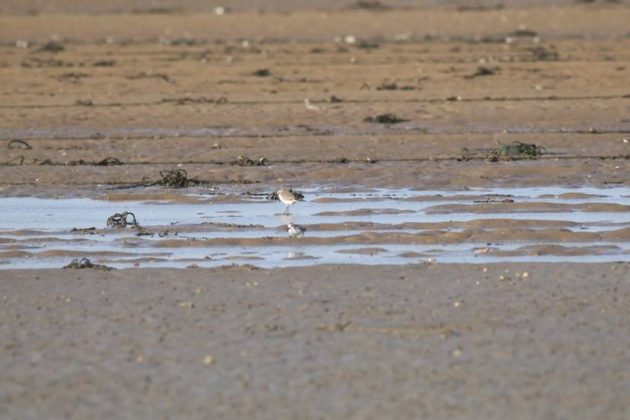
A Spoony with a Greater Sand Plover working on a Sand Worm
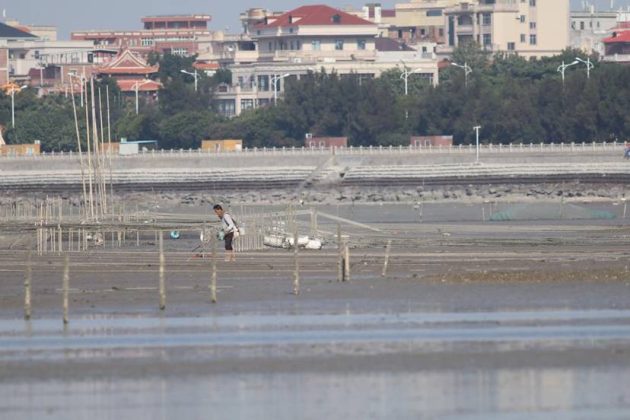
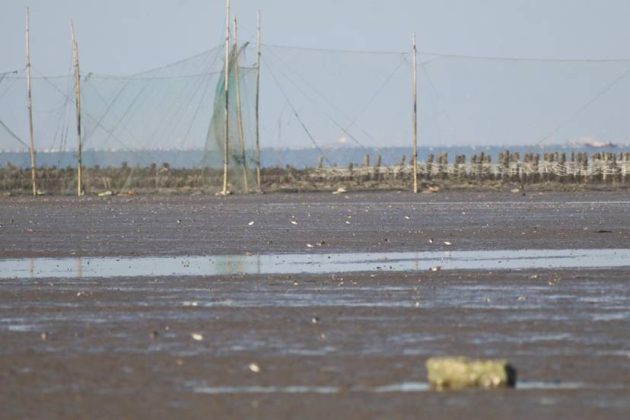
A Spoony feeding very close to a fisherman. The green death trap on the right for seafood sometimes traps a wader as bycatch
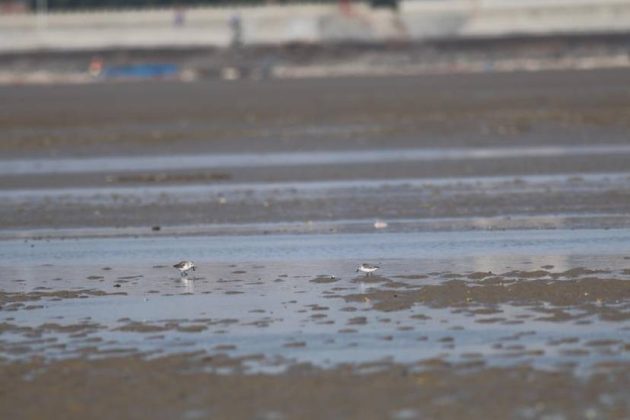
Two Spoonies. The one on the right carries a Lime flag engraved H0. It’s the one we found roosting with four other unmarked Spoonies at the small port.
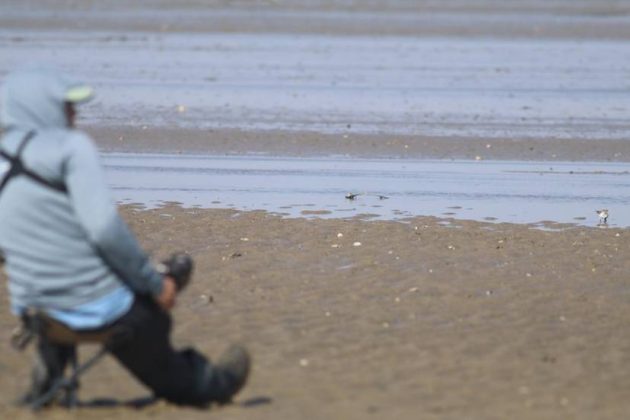
Sometimes you get tired of photographing a Spoony
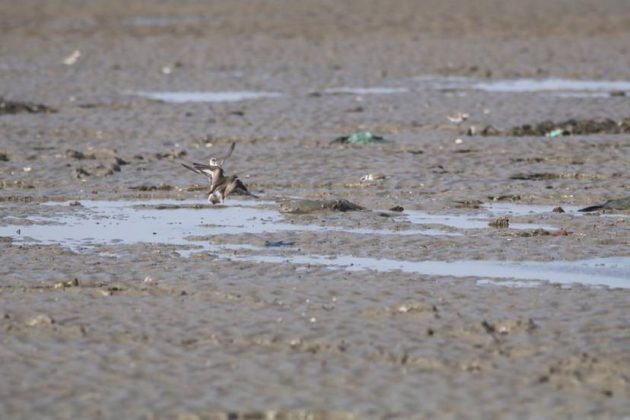
We need to fight for the survival of Spoonies.
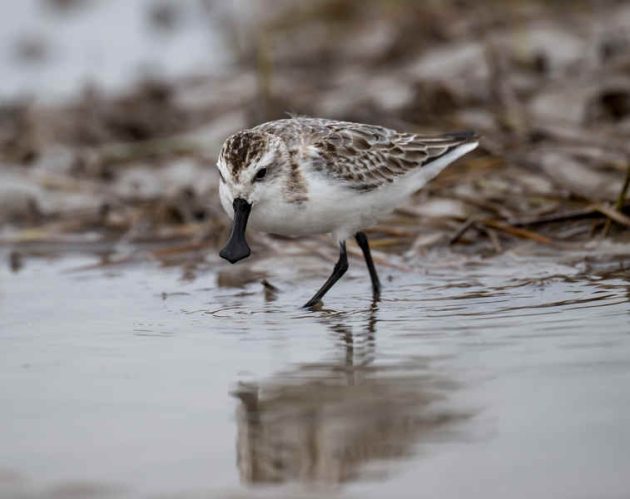
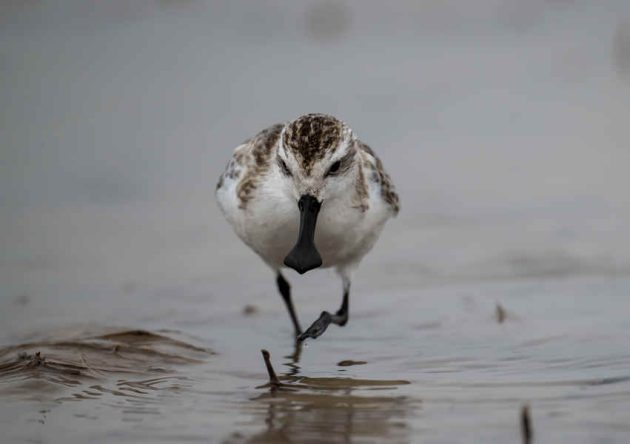
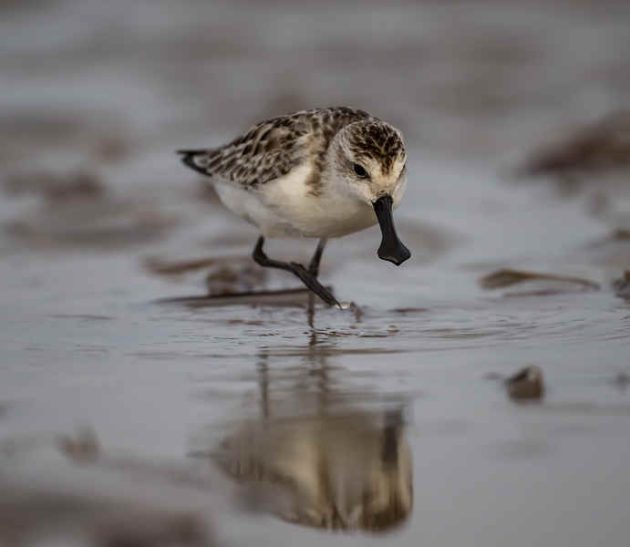
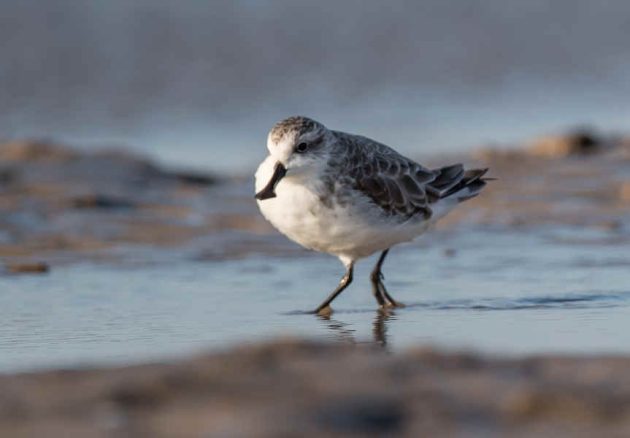
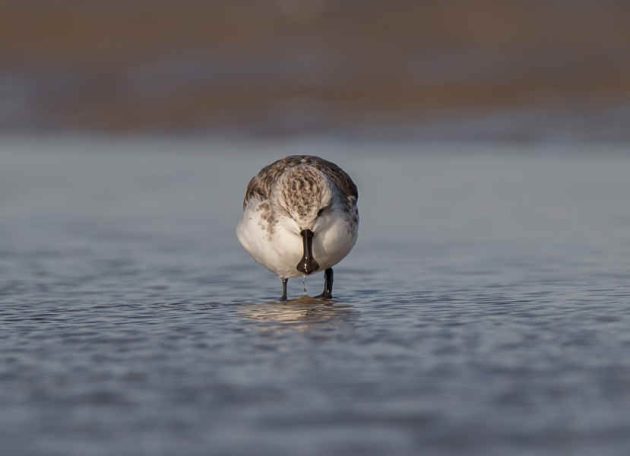
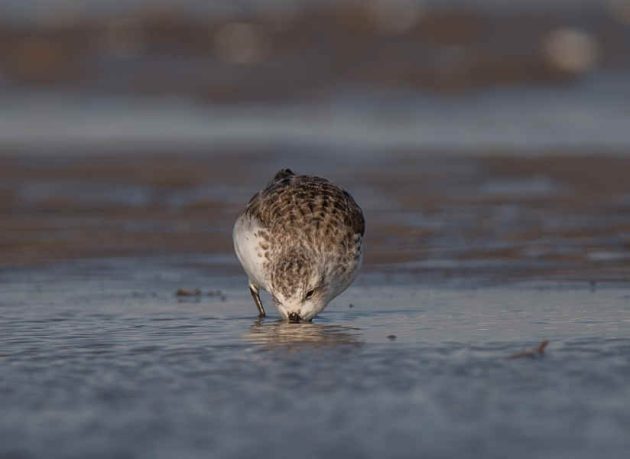
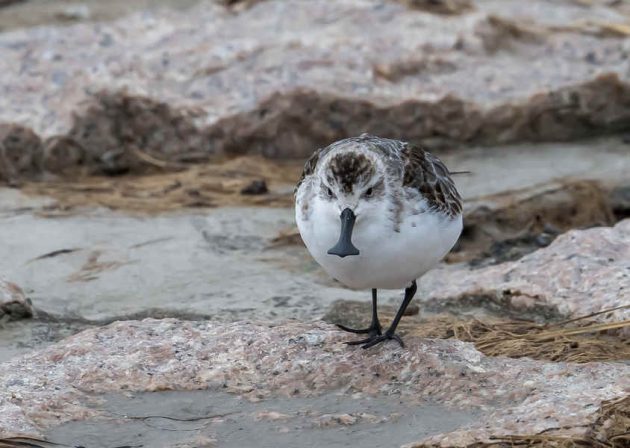
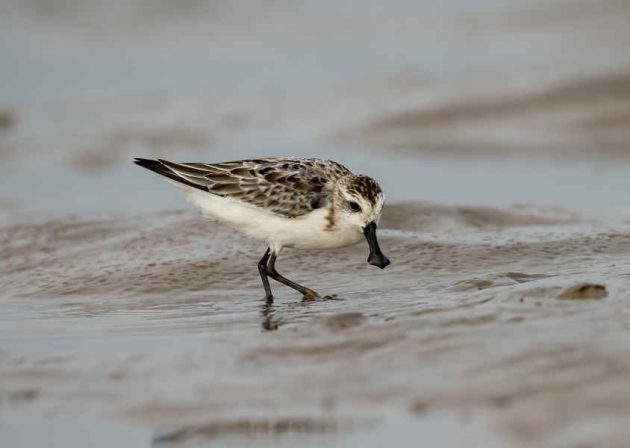
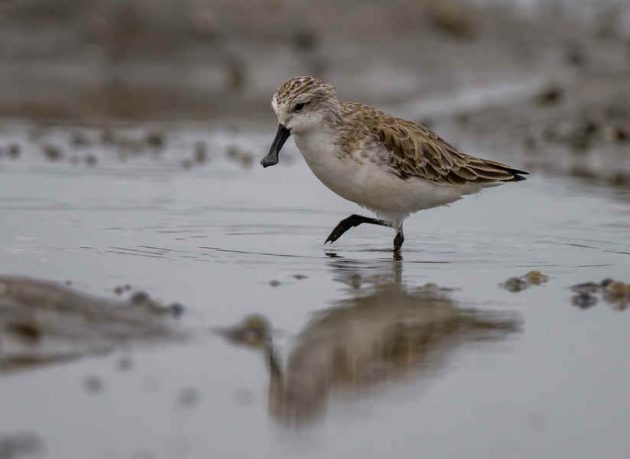
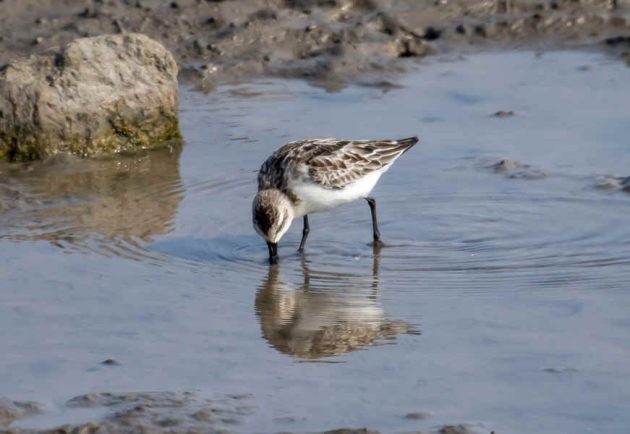
At the end, a few close-ups of spoonies taken at various locations in China.










Leave a Comment