

The Rio Grande Valley is a popular birding spot for domestic and international birders. It is one of the only spots in the US where you can see Green Jays, Plain Chachalacas, and many other cool birds. There are so many ways to go birding in the RGV. Self-led is easy enough; you could also attend one of the birding festivals, like the Rio Grande Valley Birding Festival or Spring Chirp, with a tour group or even with a local guide.
This past April, we once again drew our guiding hats for the Spring Chirp festival, a small, boutique 3-day festival based in Weslaco, Texas. The beauty of this one is that it is scheduled during spring migration, so sometimes you get some good warbler movement along the Gulf Coast.
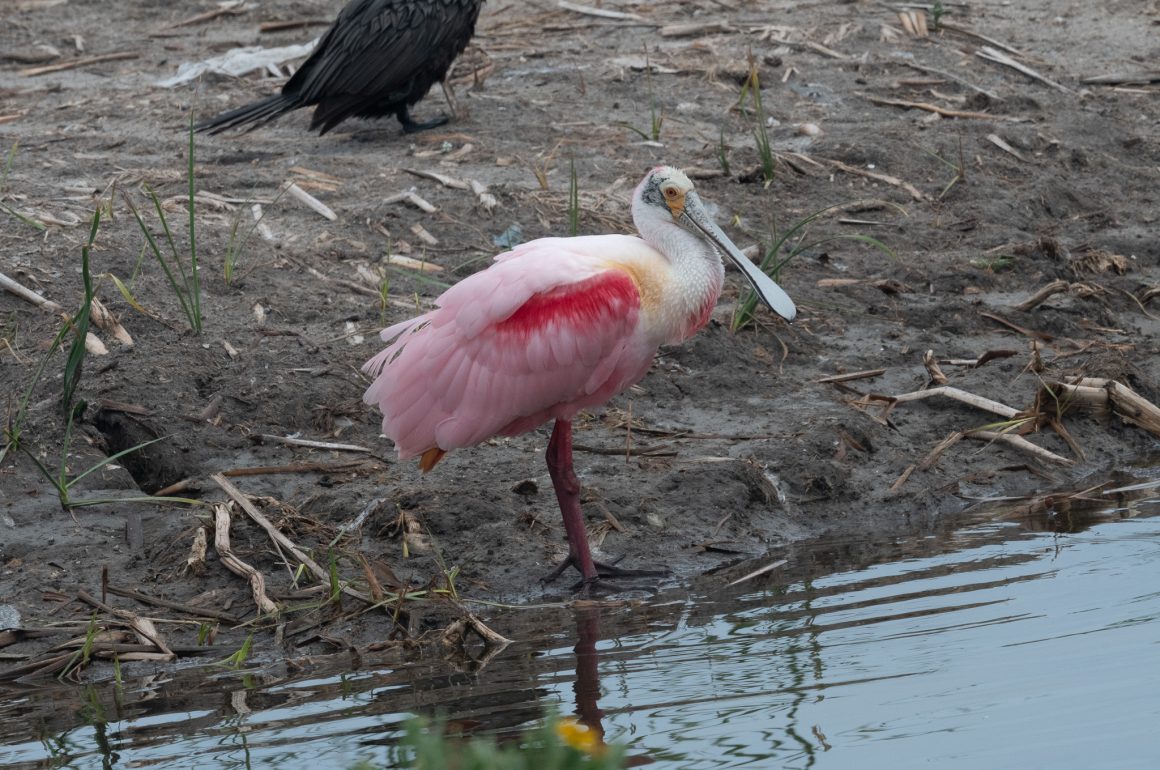
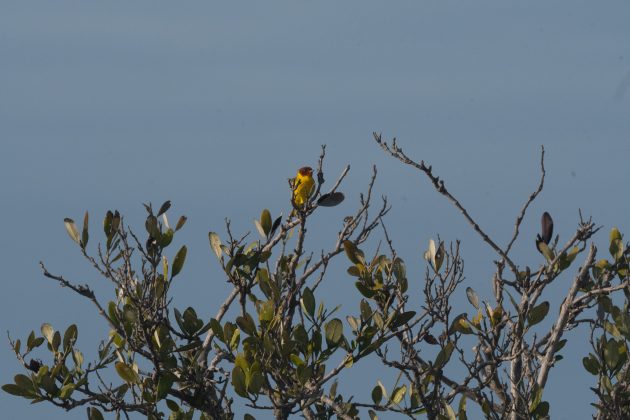
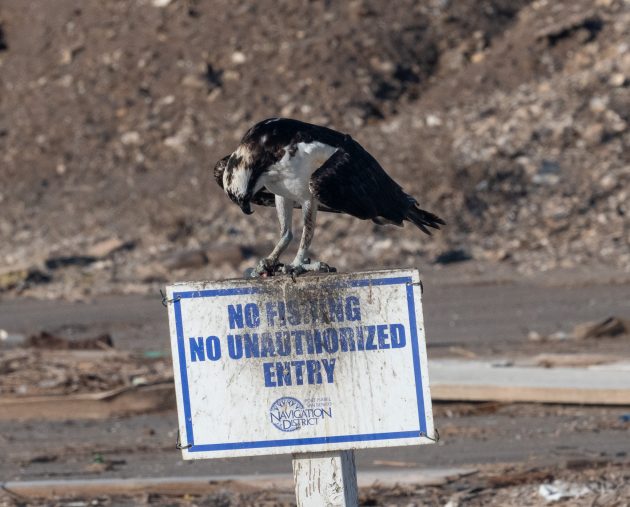
Our first day began with a boat ride across the Laguna Madre under beautiful, sunny skies. The goal of this trip is to check out the rookery on Colley’s Island and hopefully spot a Mangrove Yellow Warbler. My favorite sight was an Osprey standing on a “No Fishing” sign with a fish in its claws – he is above the law. Our group was fortunate to get great views of the Mangrove Yellow Warbler as it called and hopped around the mangroves. The rookery was busy with Roseate Spoonbills, Great Egrets, and others nesting. American Oystercatchers trolled the beaches protecting their nests.
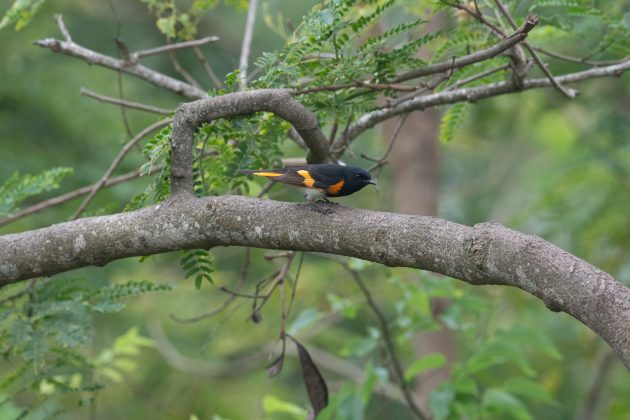
Back on land, we explored some South Padre Island hotspots, starting at the Valley Land Fund lots, also known as Sheepshead. This is an amazing example of what a little bit of habitat can do in an otherwise overdeveloped area. The site consists of a couple of city lots that have been reforested with native vegetation. There are a few water drips, and volunteers stock oranges to satisfy exhausted songbirds that find this tiny oasis. Black-and-white Warblers, Hooded Warblers, and American Redstarts hopped around the mesquites and retamas.
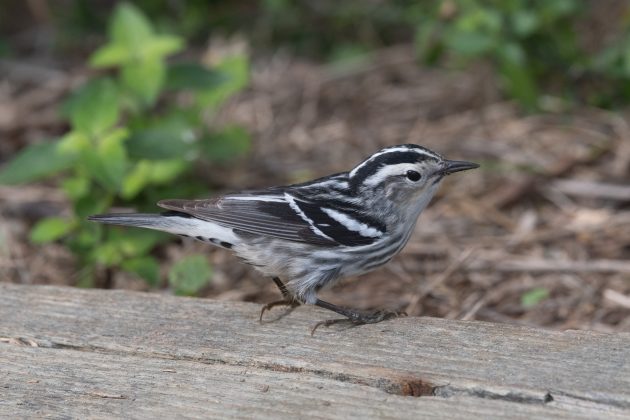
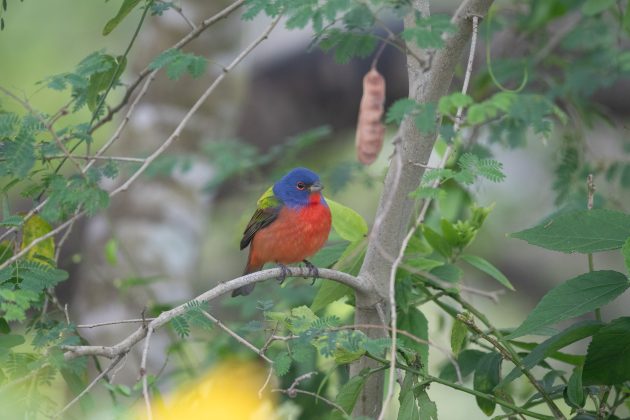
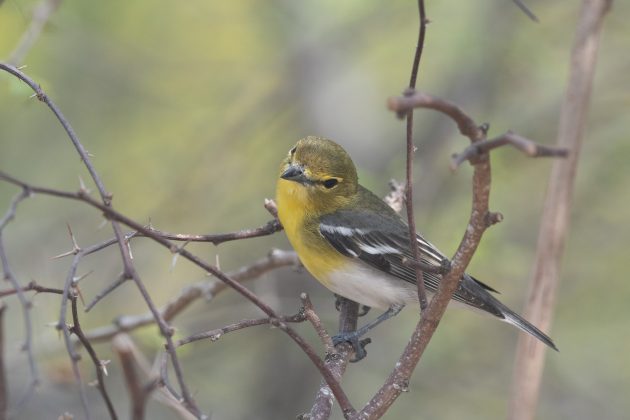
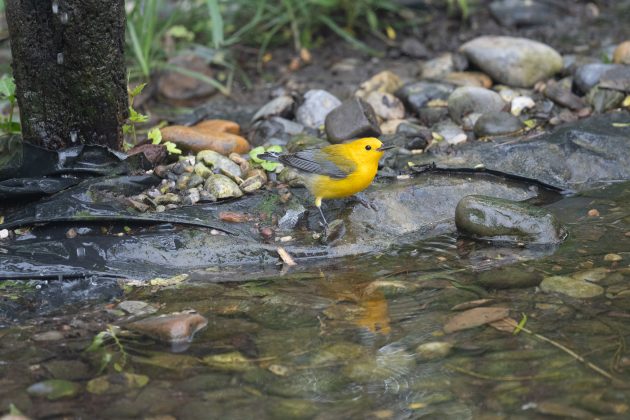
After getting our fill (and needing a bathroom stop), we swung over to the South Padre Island Birding, Nature Center & Alligator Sanctuary, which has a good spot for migratory birds and plenty of water for wading birds. The little native plant garden offered a beautiful view of a Prothonotary Warbler, Painted Bunting, and Yellow-throated Vireo. The boardwalk did not have too much new, other than a close look at Roseate Spoonbills.
The next two days, we led trips around Brownsville. Each day we started at Old Port Isabel was magical. One day, Botteri’s and Cassin’s Sparrows were poking around the edges of the dirt road. The other day, we had Cactus Wren and Verdin singing. It is just one of those country roads with little traffic where you could spend entire days, and each one would be different. A viewpoint for Loma Alta Lake is at the beginning of the road, but the views are pretty distant and can be difficult due to haze. The skies and water are busy with waders and shorebirds.
Our next spot was Sabal Palm Sanctuary, which is home to one of the rarest ecosystems in the United States: Sabal Palm Forest. This location has always been tenuous for us; we have had wonderful birding days…but also some of the worst birding days that almost had me hang up my binoculars with rainy, muddy trails one time and thick sheets of mosquitoes other times. Both these trips in April were great! Beautiful weather, busy with birds, and a pleasant walk.
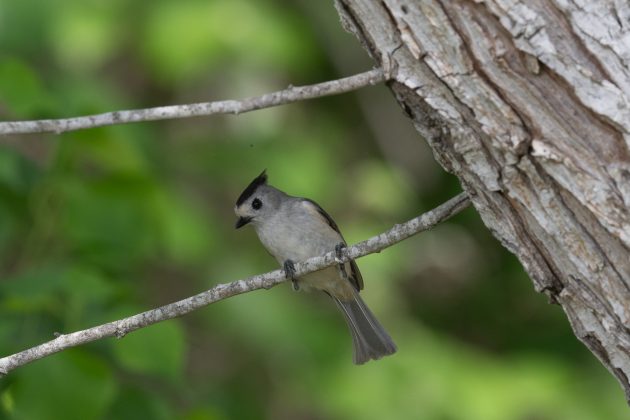
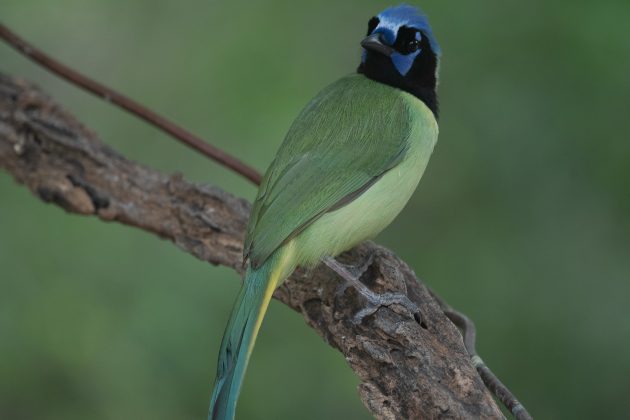
Green Jays hopped along the trail, and Black-crested Titmice searched the Spanish moss for something to eat. We had an incredible experience watching FOUR Prothonotary Warblers move closer and closer to us in a blind. Once we had our fill of birding, we stopped by the Rabb Plantation Visitor Center to enjoy our bagged lunch and watch the flutter of butterflies in the gardens.
There are so many reasons to go birding in the Rio Grande Valley, and although I have been there dozens of times, I find something new each visit.
We recently posted a podcast episode about this trip, check it out for more: https://www.buzzsprout.com/187049/episodes/19327865-spring-in-the-rgv




I spend a lot of time birding in the lower Rio Grande Valley and it never gets old. Reading this got me excited about my next trip!