

Highlights
Bhutan is an unmissable destination for a birding holiday because it seamlessly blends a pristine, globally renowned ecosystem with a deeply preserved, vibrant culture. Protected by its constitutional mandate to maintain at least 60% forest cover (currently sitting at over 70%), the country acts as a sanctuary where birds live completely unbothered by industrialization. Despite being a country no larger than Switzerland, Bhutan boasts a total number of recorded bird species exceeding 760, with new species continually being added to the national list.
What truly sets a birding holiday here apart is the dramatic change in scenery. In a single day, you can travel from subtropical lowlands to high-alpine mountain passes, crossing completely different forest ecosystems and bird communities without ever crossing an international border.
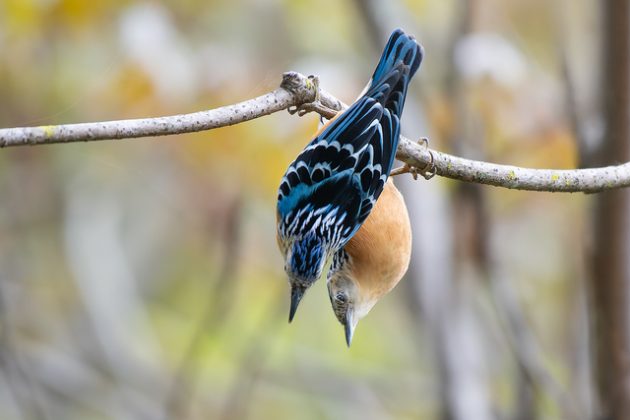
Beautiful Nuthatch
In Bhutan, birding is not isolated from human life; it is deeply woven into it. Guided by Mahayana Buddhist principles, the local communities view all wildlife as sentient beings to be respected. Birds are not hunted, and their habitats are fiercely protected by the communities themselves.
You will spend your mornings tracking secretive species in ancient, moss-draped forests, and your afternoons exploring spectacular Dzongs (fortress-monasteries) and sharing butter tea with local villagers. This profound harmony between people and nature creates a peaceful, authentic backdrop that you simply cannot find anywhere else in the world.
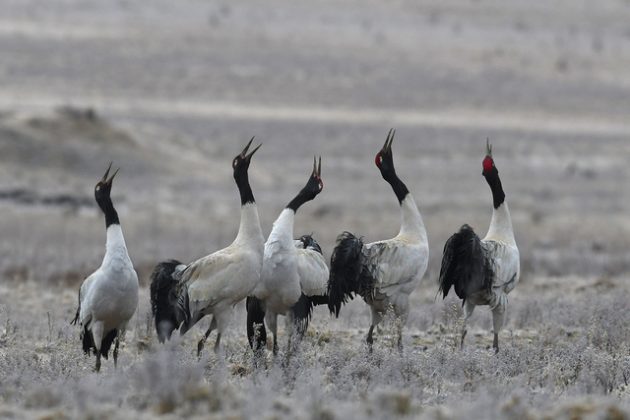
Black-necked Crane
Key Bird Species and Families
The Global Highlights: Legendary “Must-See” Icons: Bhutan is one of the most reliable places on earth to cross legendary species off your bucket list. Among them are seven remarkable species featured in David Chandler’s famous 100 Birds You Must See Before You Die:
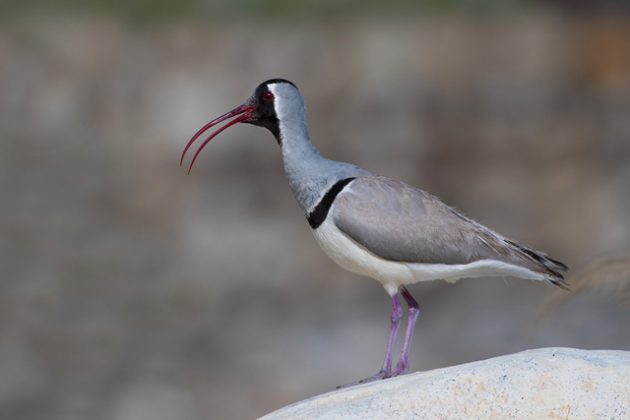
- The Ibisbill (Ibidorhyncha struthersii): A true prize for global birders and a prominent entry on the ultimate bucket list. This unique, single-member family thrives along the braided, cobble-strewn glacial rivers of Bhutan (like the Paro Chhu). Watching this bird use its long, decurved crimson bill to probe for food among the gray river stones is an unforgettable Himalayan experience.
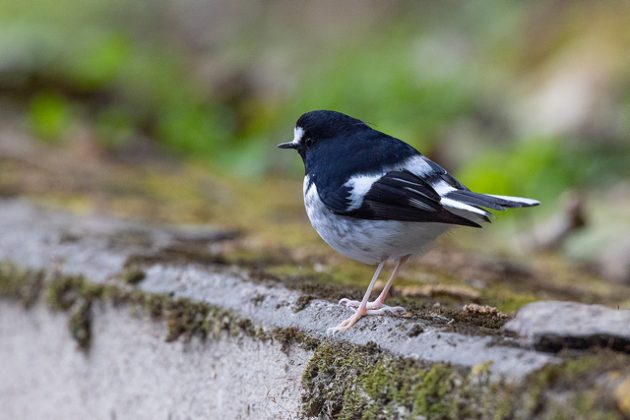
- Little Forktail (Enicurus scouleri): A master of the mountain torrents. Found darting effortlessly among the splashing, high-velocity waterfalls and mossy boulders along Bhutan’s steep roadside cliffs, this striking black-and-white specialist embodies the raw, energetic spirit of the Himalayan waterways.
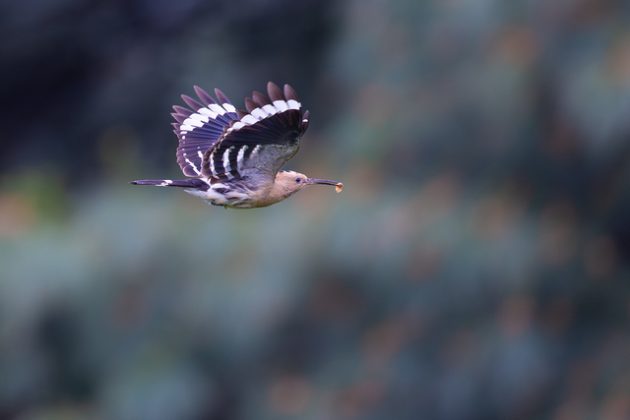
- Common Hoopoe (Upupa epops): Explicitly celebrated in Chandler’s top 100 for its distinct behavior and legendary appearance. Famous for its spectacular, fan-like crest and cinnamon plumage, the Hoopoe is a joy to watch as it probes lawns and open fields near Bhutan’s historic monasteries. In local culture, its bright appearance and distinctive “oop-oop-oop” call are often greeted warmly as symbols of good fortune.
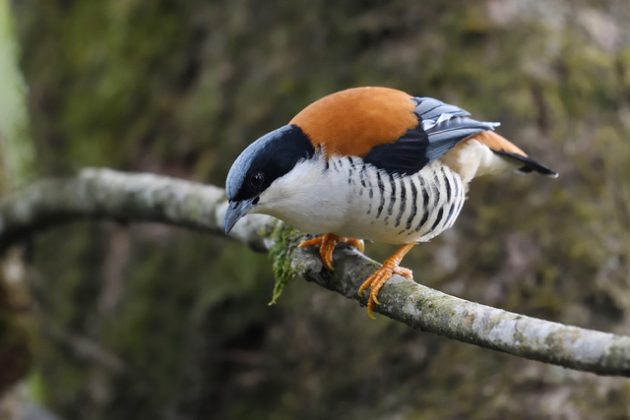
- Himalayan Cutia (Cutia nipalensis): One of the most striking and highly sought-after members of the babbler family. Strikingly patterned with bold black-and-white barred flanks and a rich orange-buff back, groups of Cutias can be seen creeping deliberately along mossy branches in pristine, high-altitude broadleaf forests like Yongkola.
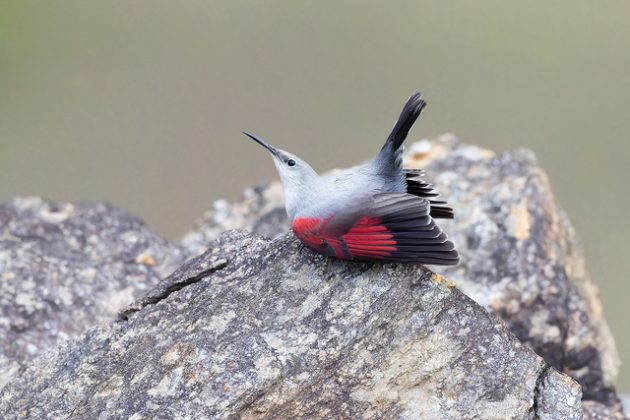
- Wallcreeper (Tichodroma muraria): Often described as a flying crimson butterfly, this extraordinary single-member family is a winter visitor to Bhutan’s lower valleys. It clings to vertical rock faces and dzong walls, flashing its brilliant crimson wing patches as it flits across stone surfaces searching for insects.
- Red Crossbill (Loxia curvirostra): An evolutionary wonder found navigating the high-altitude blue pine and spruce forests of alpine passes like Chele La. Their mandibles are completely crossed at the tips, a specialized design that allows them to effortlessly pry open tough conifer cones to extract seeds.
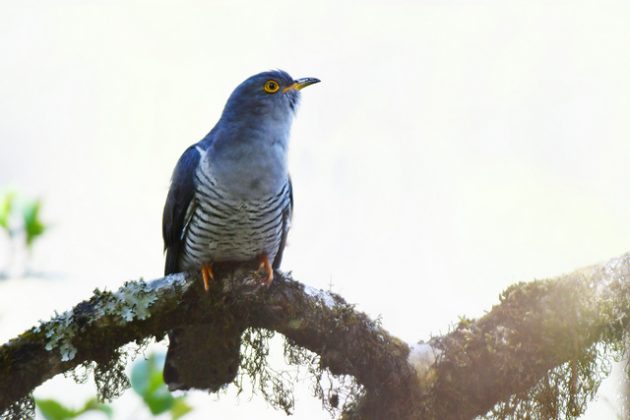
- Common Cuckoo (Cuculus canorus): A master of disguise and a harbinger of spring across the valleys of Thimphu and Punakha. Famous for its evocative call that echoes through the agricultural terraces, watching this secretive brood parasite navigate the forest edges adds a classic layer of behavioral fascination to the trip.
Other highlights from Bhutan
- Black-necked Crane
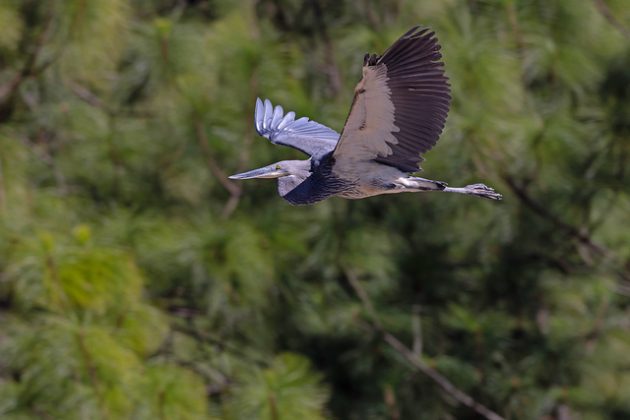
- White-bellied Heron (Critically Endangered, and believed to have fewer than 60 individuals in the world)
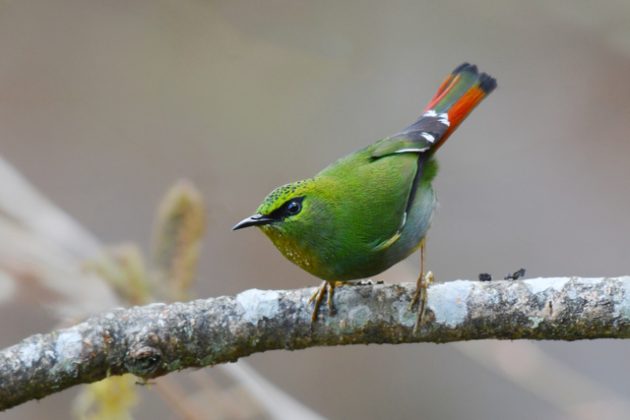
- Fire-tailed Myzornis
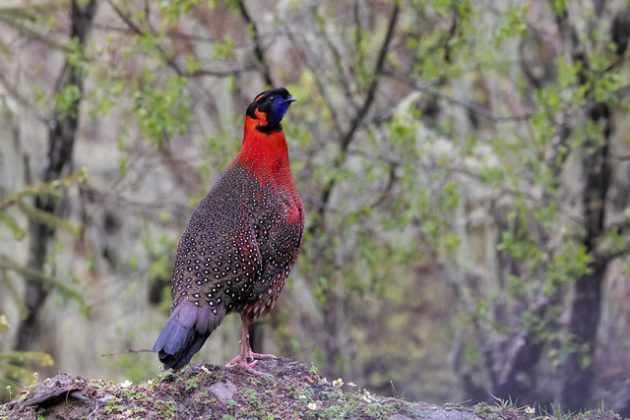
- Satyr Tragopan
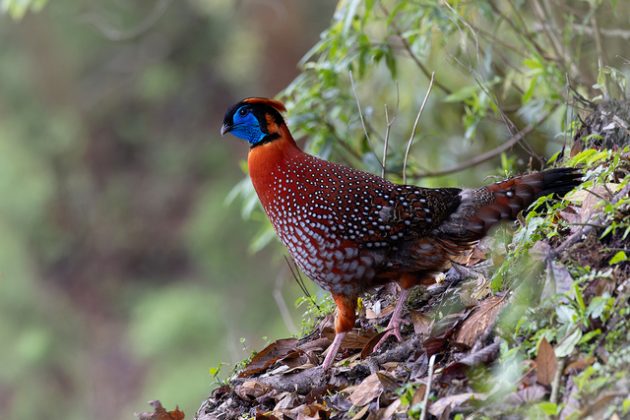
- Temmincks Tragopan
- Blyth’s Tragopan
- Ward’s Trogon
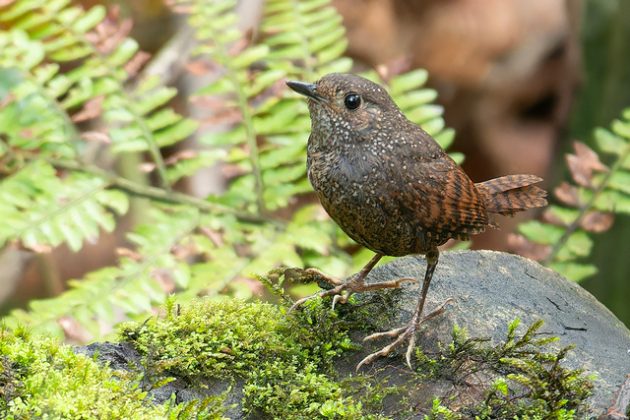
- Spotted Elachura, a monotypic species and a great bird for family listers.
- Beautiful Nuthatch
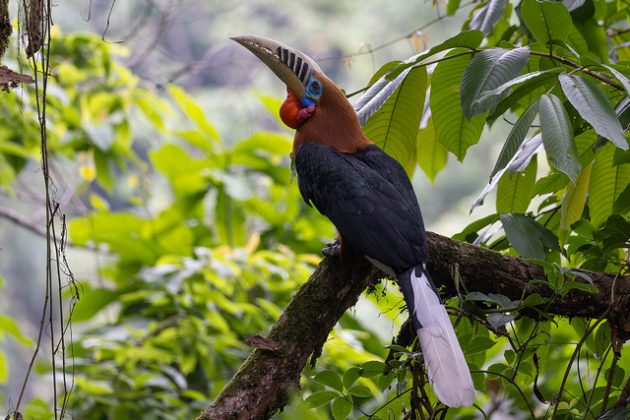
- Rufous-necked Hornbill
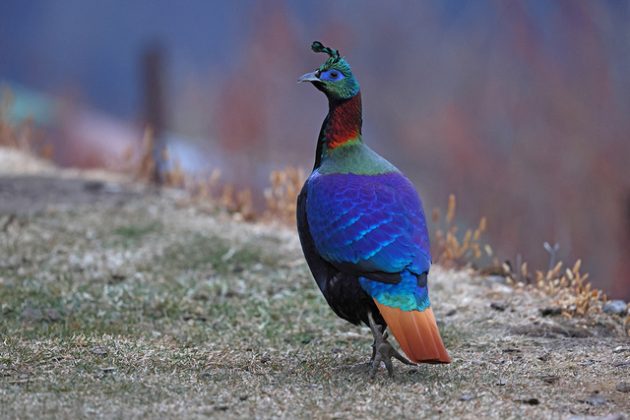
- Himalayan Monal
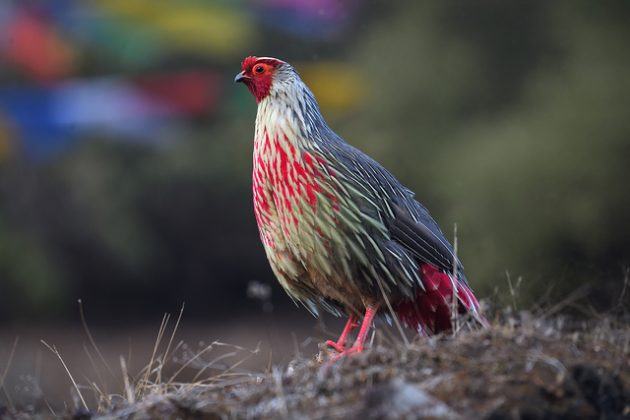
- Blood Pheasant
Best Regions for Birding
- Royal Manas National Park, Panbang
- Jigme Singey Wangchuk National Park, Phobjikha
- Jigme Dorji Wangchuk National Park, Punakha
- Thrumshing La National Park, Yongkola
Fire-tailed Myzornis
Best Birding Season
Bhutan is a year-round birding destination due to its dramatic altitude variations, but the calendar splits into two primary peak seasons:
- Spring is universally considered the best time for a comprehensive birding holiday. Temperatures rise, prompting birds to begin their upward altitudinal migration to breed. They are highly active, vocal, and territorial, making them much easier to spot.
- Autumn (September to November is good) – A lean toward pristine mountain photography and migratory species, autumn is an immaculate choice. The monsoon rains wash the atmosphere completely clean, offering the crispest Himalayan vistas and the most stable weather of the year.
Himalayan Monal
In addition, there are the off-peaks:
- Winter (December to February): Cold but sunny. Excellent for lower-altitude birding (like spotting the critically endangered White-bellied Heron along riverbeds) as snow caps force high-altitude birds down into the valleys.
- Summer (June to August): The monsoon season brings heavy rains, leeches, and logistical road challenges, making it the least favorable time for a comfortable tour.
Rufous-necked Hornbill
Birding Trip Suggestion(s)
- A short 7 to 12-day birding tour that covers the highlights of western Bhutan.
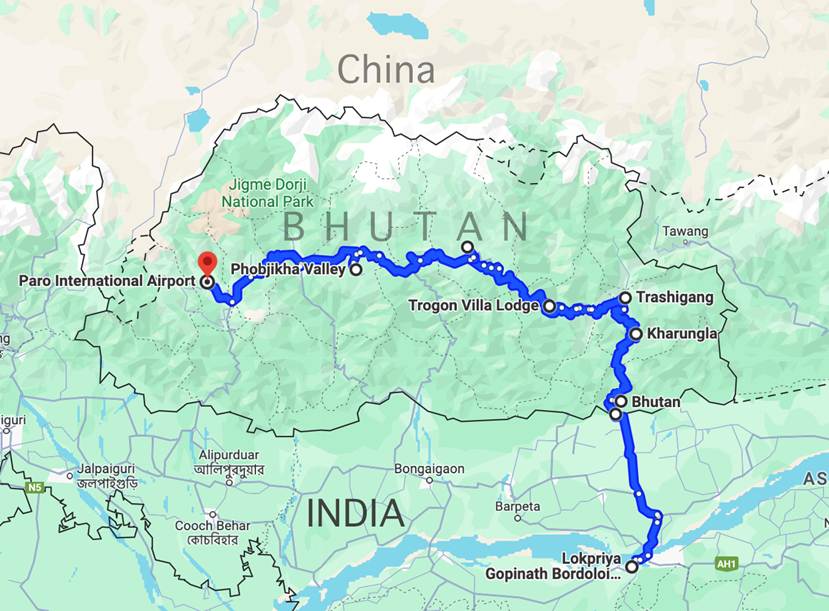
- 16-18 Day Itinerary: Starting from Samdrup Jongkhar in the southeastern region, traveling across Bhutan, and finishing the tour in Paro with an onward flight to Delhi, Kathmandu, or Bangkok.
- 18- 22 Day Itinerary: A more specialized tour starting and ending with a return flight from Bangkok or Delhi to Paro. You will travel within Bhutan, making a complete loop. This option includes light trekking and camping in remote areas, specifically targeting key birds such as the three tragopans, Bar-winged Wren-Babbler, Blue-fronted Robin, and Brown-throated Fulvetta.
Satyr Tragopan
Practical Tips
- Start Early: Birds are most active in the early few hours of the day; best make the most of the day to see the target birds for each day.
- Go with a knowledgeable local bird guide
- Insect repellent and sunscreen lotion are essential
- Rain gear and good walking boots
- Bringing a good pair of binoculars
Spotted Elachura
Books
- Field Guide to the Birds of Bhutan and the Eastern Himalayas
- Lonely Planet Bhutan Guide Book
- Beyond the Sky and the Earth: A journey into Bhutan
Temminck’s Tragopan
Links
White-bellied Heron
By Chubzang Tangbi
Chubzang Tangbi is a bird guide based in Bhutan. He can be reached at tangbi@holidaysinbhutan.com






Leave a Comment