

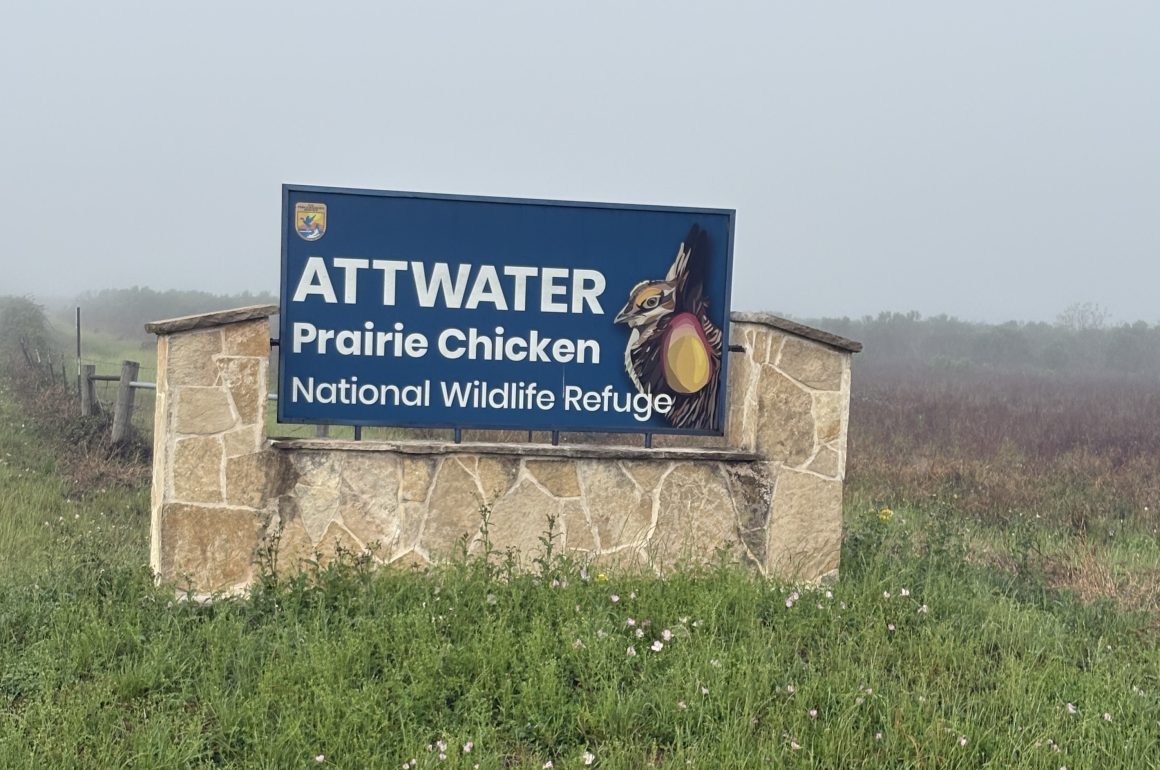
This past spring I went down to south Texas to see the Prairie Chickens. There is a very small colony at the Attwater Prairie Chicken National Wildlife Preserve near Sealy, Texas. I was inspired to make this pilgrimage after reading The Social Lives of Birds by Joan E. Strassmann.
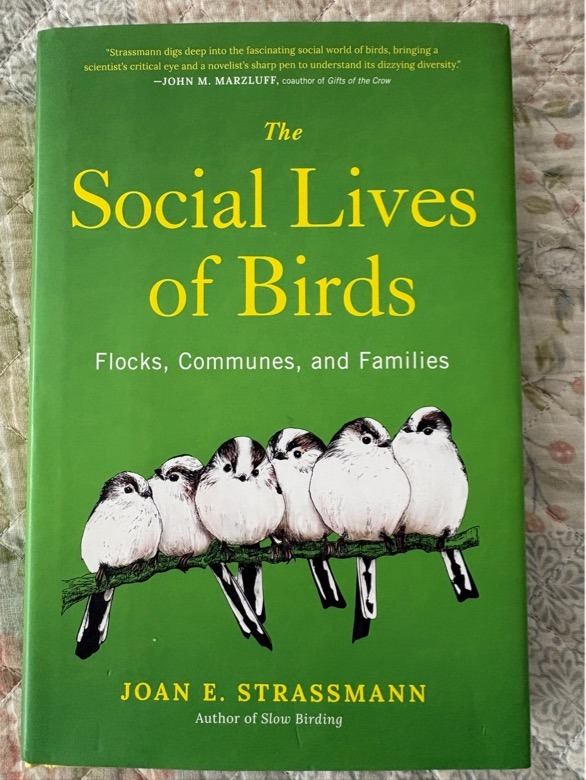
Every year the Prairie Chickens form a lek, a place where males strut their stuff to attract a female. Strassmann describes the “melodious booming and chattering” of the male, “drumming its feet and inflating its yellow air sacs”. This dance and its donated genetic material are about all the male has to offer. Once the mating is over the female is on her own. The male provides no help with building a nest, providing food or raising the chicks. I’ll refrain from any commentary at this time, tempting as it is.
The Attwater Prairie Chicken is critically endangered. There are approximately 200birds at the preserve, although Prairie Chickens can also be found in the tall grass prairies of the Great Plains. Their biggest threat is loss of habitat due to urbanization and farming. Apparently, fire ants have also been a real problem.
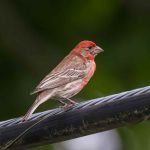
I stayed at a nearby state park the night before so I could get to the Preserve as early as possible. The birding there was lovely. The bottom land forest along the Brazos River provided a perfect home for White Eyed Vireos, Northern Parulas, Tufted Titmice, White Throated Sparrows and to my great delight Pileated Woodpeckers. I had never seen this stereotypical bird and was so excited you’d think I’d seen an Ivory Billed Woodpecker instead. Their very loud drumming could be heard throughout the park and was a real thrill.
In the morning I headed out to the Preserve. The ranger station was closed due to a partial government shut down but a fellow birder with Houston Audubon happily gave me advice on how to make the most of my time. The preserve itself is a fascinating place, essentially a coastal prairie of sand dunes that have flowed inland. It is not a landscape that can be appreciated from a truck window at 70mph. You need boots on the ground to see it’s subtle beauty. In the spring it’s covered with dainty wildflowers, native grasses and a few shrubs.
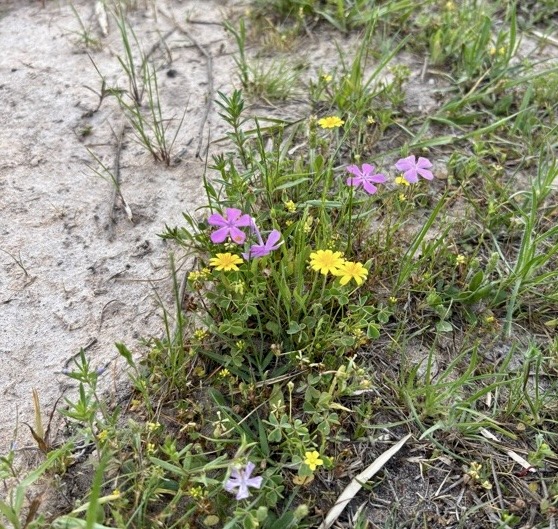
Before Europeans came to North America the prairie was maintained by roaming bison, frequent grass fires from lightening strikes and a cycle of drought and flooding. Cattle have replaced the bison and prescribed burns are a stand-in for natural grassfires.
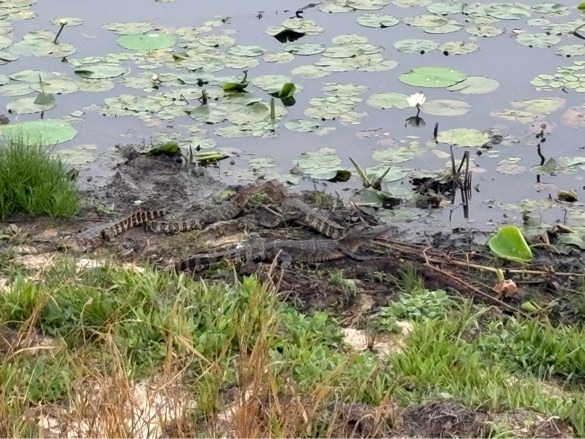
The prairie was full of birds. I could see Eastern Meadowlarks everywhere I turned. There were Red Winged Blackbirds, Savannah Sparrows, Northern Harriers, Crested Caracaras, Killdeer, Upland Sandpipers and even a White Faced Ibis flying overhead. I also happened upon a small pond with a family of five American Alligators. I hate that I find them so creepy but I really do.
I did not see any Prairie Chickens and in fact my Houston Audubon friend had warned me, having visited several times before without a sighting. “But come back in the winter!” he said. “Then you can see the Short Eared Owls”. That’s all the invitation I need.
Photography by Kendall Britt on ancient iPhone




Leave a Comment